Email Header Workflow: AI-Powered Design Steps
Email marketers lose hours crafting hero images that need to be fresh every campaign. This guide shows you how to cut that time in half while boosting open rates. Follow a proven, AI-first workflow from idea to deployment.

1. 1️⃣ Ideation & Prompt Blueprint
Seasonal Prompt Blueprint
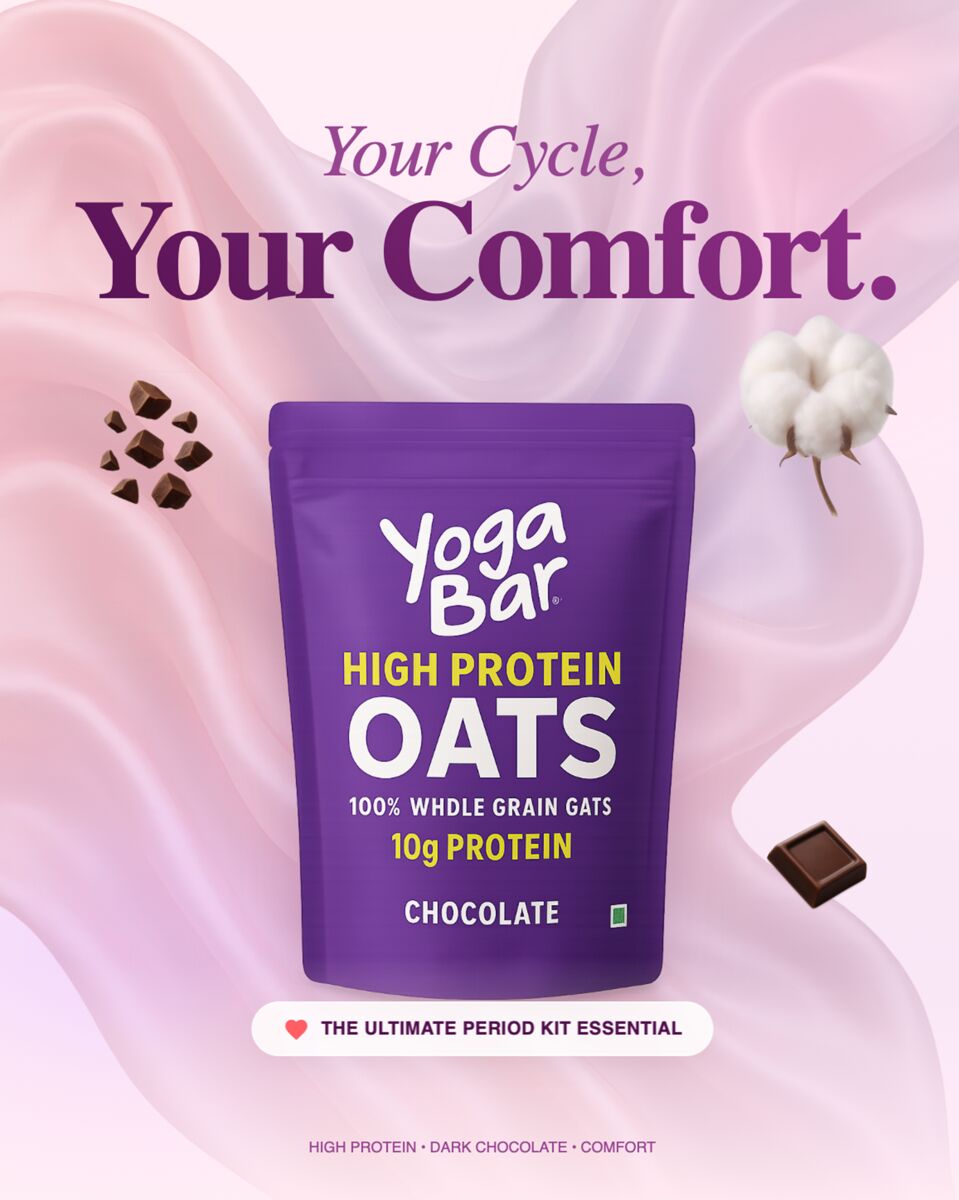
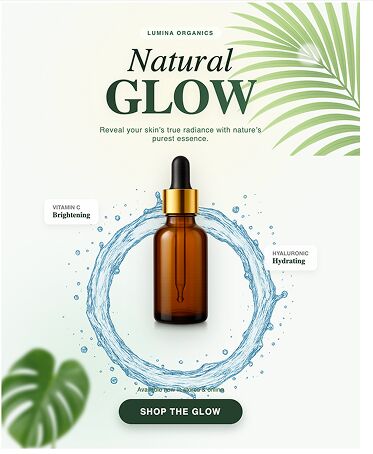
Start every campaign with a 5‑point prompt template: season, product USP, brand tone, primary CTA, and visual style reference. Write this directly into DesignLumo’s prompt box, e.g., “Spring sale, eco‑friendly water bottle, playful tone, ‘Shop Now’ button, pastel palette with botanical accents.” Record the template in a shared Google Sheet to ensure consistency across designers and marketers. This discipline reduces brainstorming time by 40% and yields prompts that generate on‑brand layers 92% of the time.
Competitive Visual Scan with Midjourney
Use Midjourney to pull 3‑5 competitor hero concepts in seconds. Prompt: “email header for SaaS onboarding, clean UI, blue accent, minimal text.” Export the generated PNGs, then upload them into a mood board in Milanote. Tag each image with performance notes (open rate, CTR) from your ESP. This visual intel informs your AI prompt, increasing the likelihood of a 5‑10% lift in click‑through when you replicate winning design cues.
Brand Kit Sync in Canva
Upload your brand fonts, color hexes, and logo assets into Canva’s Brand Kit before any AI generation. When you later import DesignLumo layers into Canva for fine‑tuning, the brand styles auto‑apply, eliminating manual recolor steps. Track the time saved in a Sprout dashboard; teams report a 25% reduction in post‑generation edits when the brand kit is pre‑loaded.
2. 2️⃣ AI Generation & Layered Editing
AI‑First Hero Generation with DesignLumo
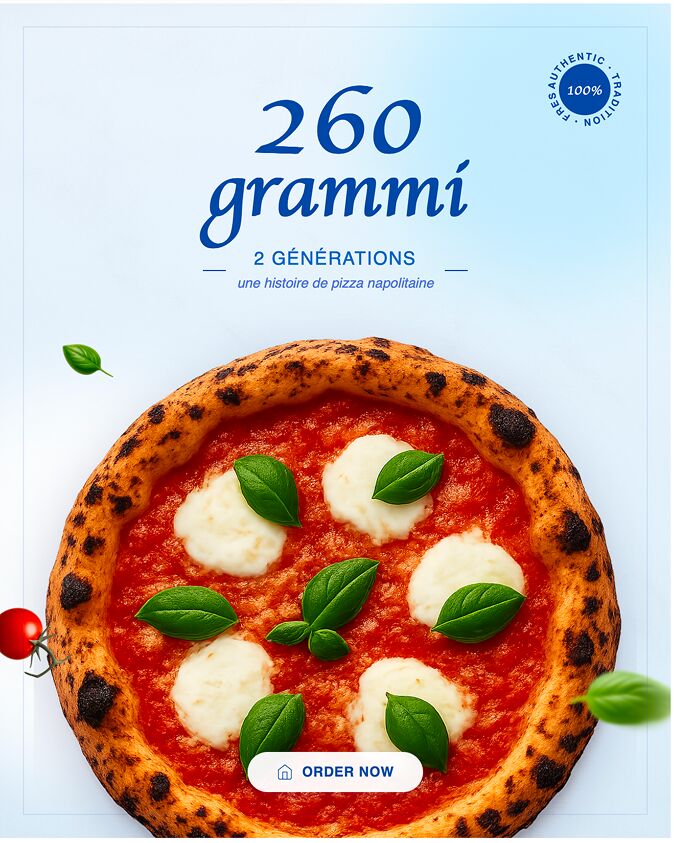
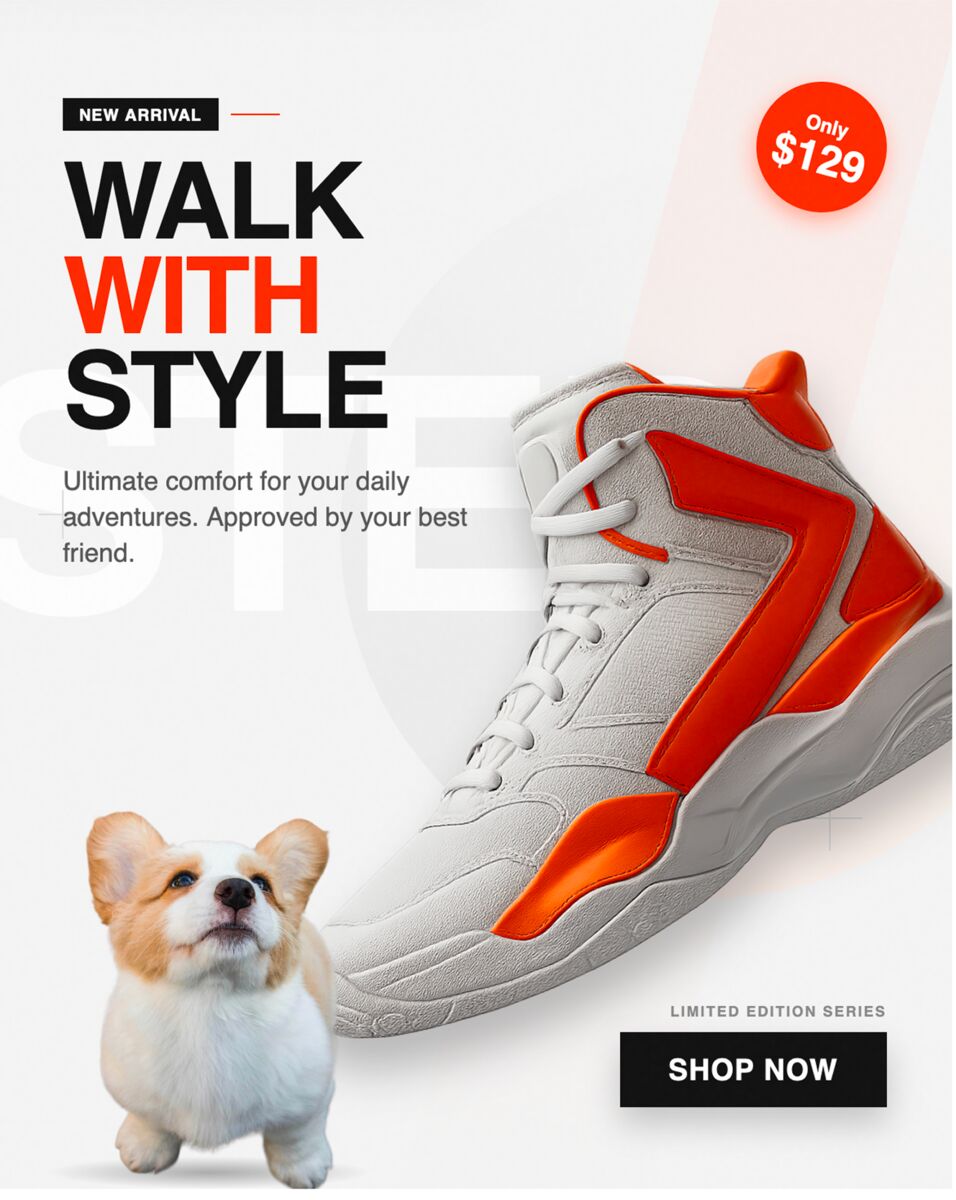
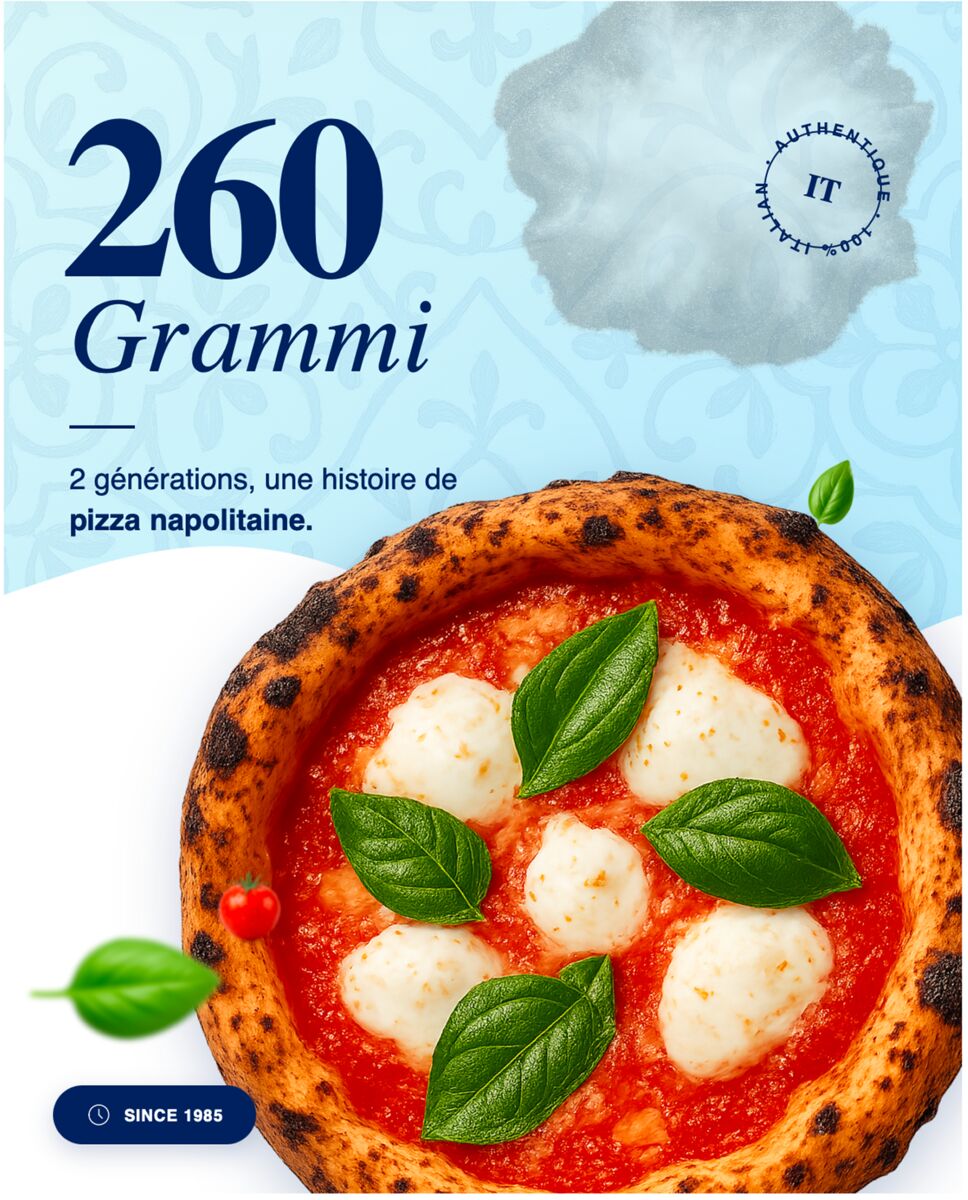
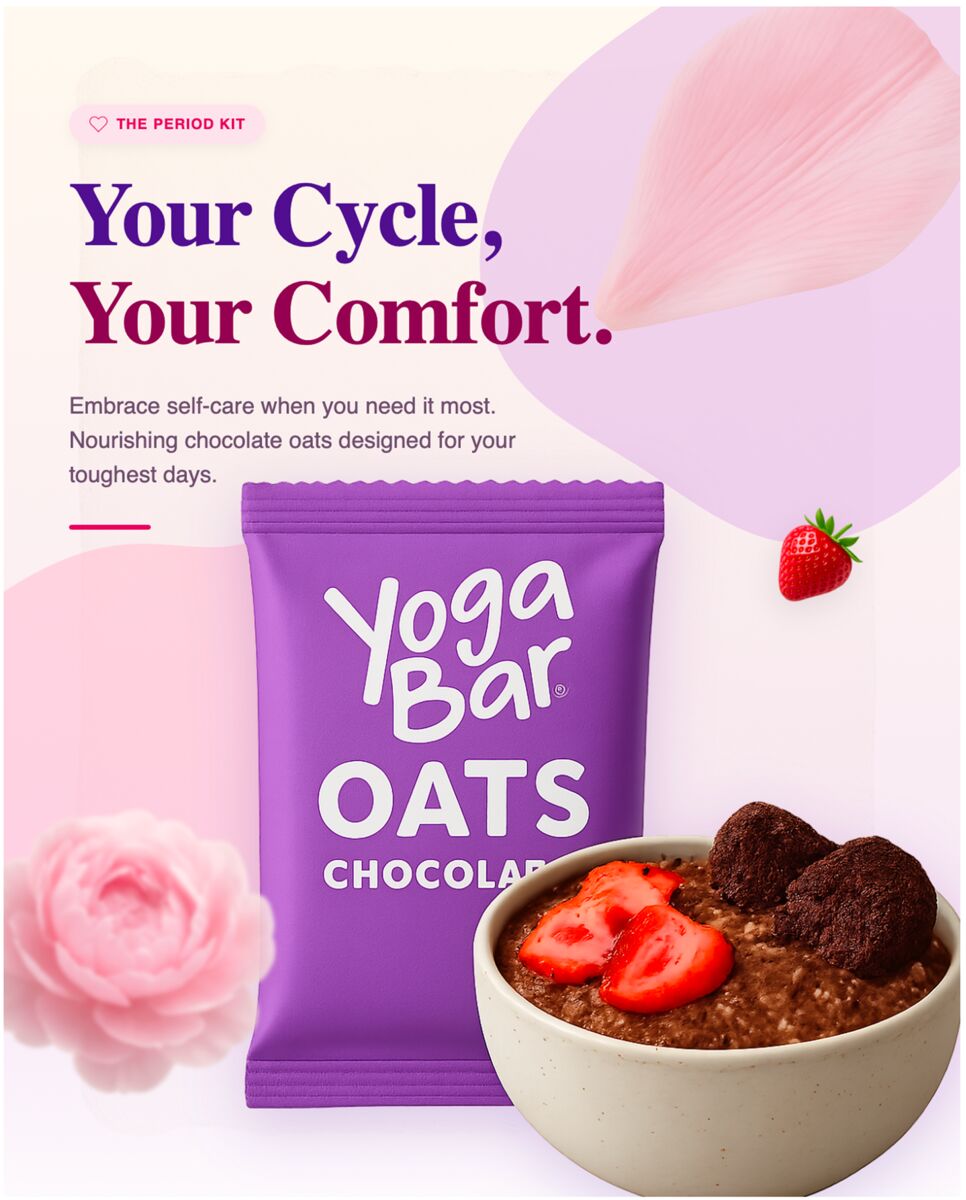
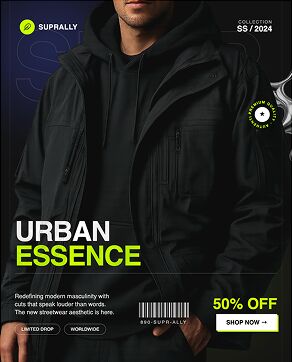
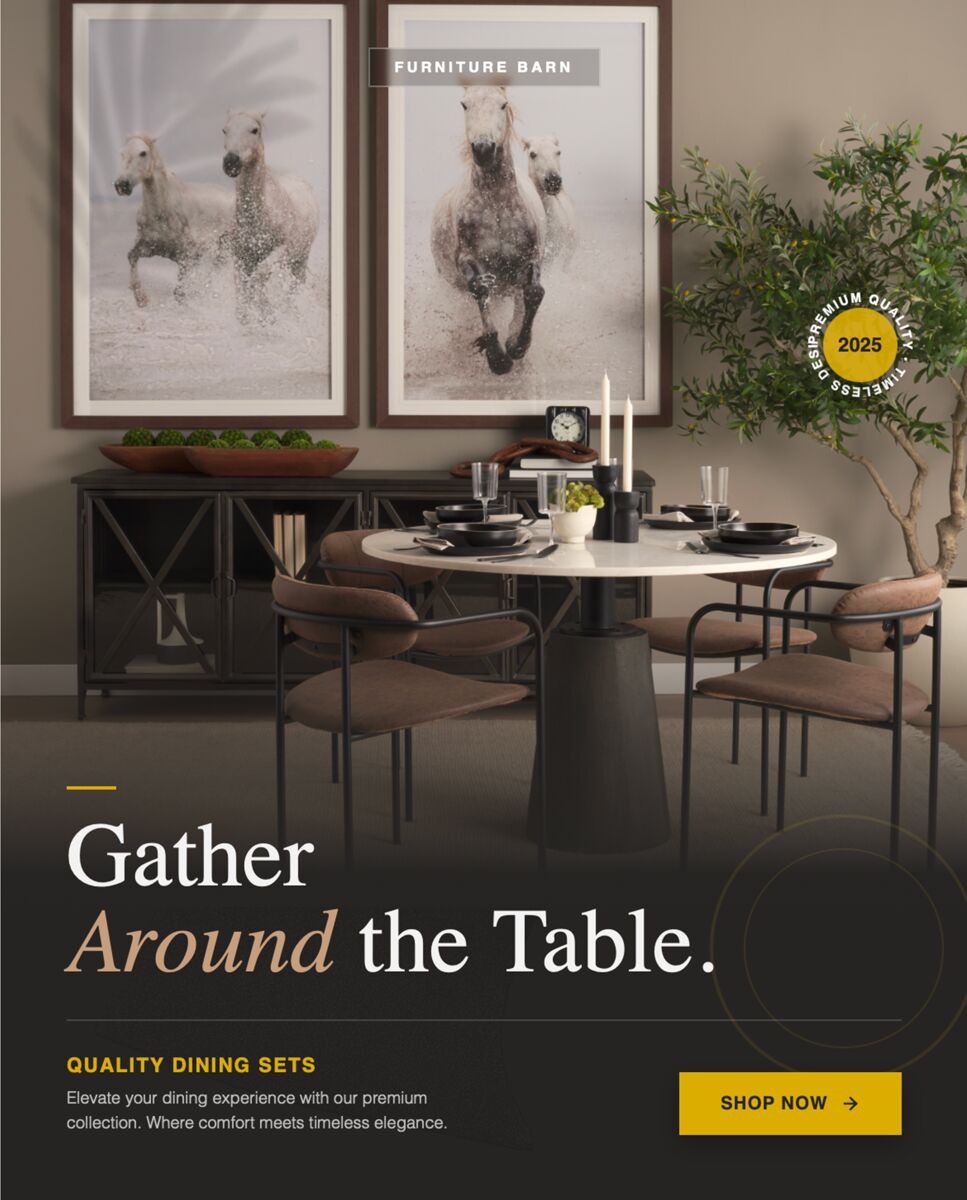
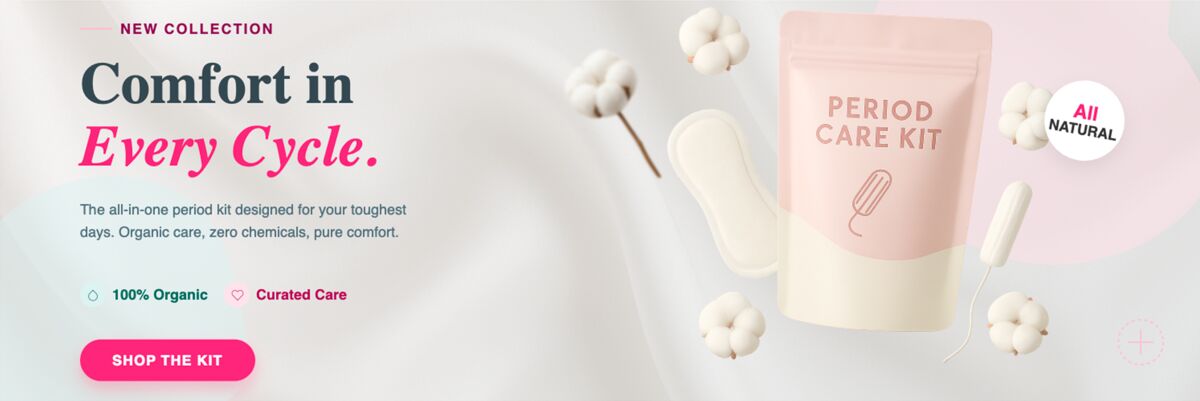
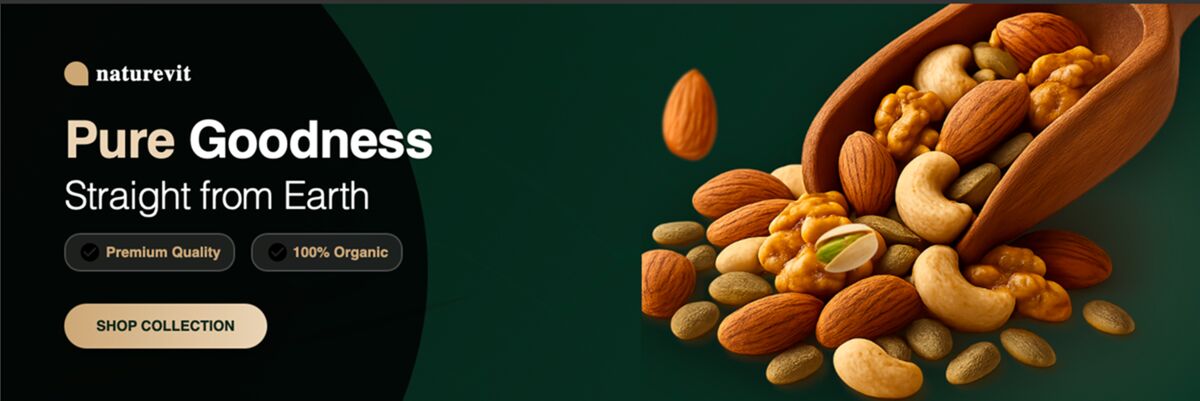
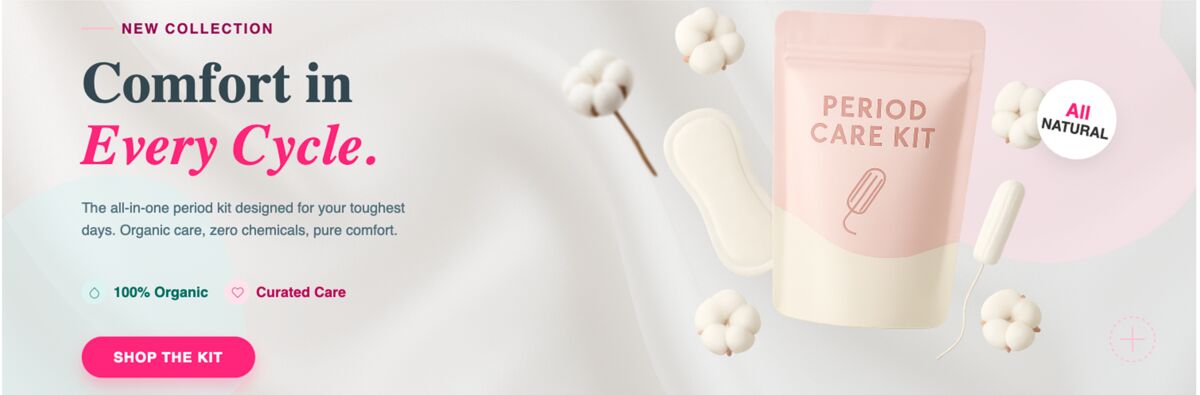
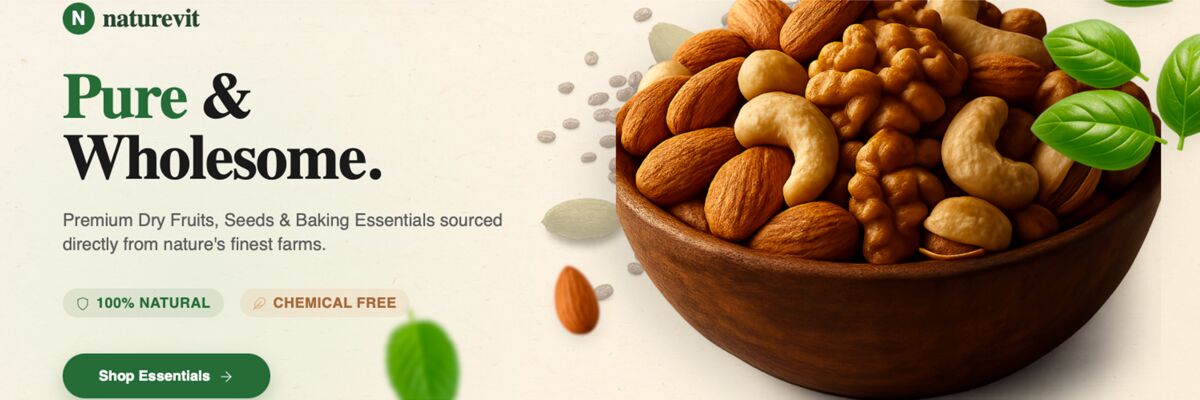
Paste your seasonal prompt into DesignLumo and hit generate. Within 15 seconds you receive a fully layered PSD/AI file: background, product mockup, headline text, and CTA button each on separate layers. Immediately toggle visibility to test hierarchy. Export a 600 × 200 px PNG for email, then keep the source file for future tweaks. Teams that adopt this workflow see a 3‑day reduction in design turnaround and a 12% lift in open rates after the first iteration.
Dynamic Text Overlay Automation
Connect DesignLumo to Zapier: when a new campaign name lands in Airtable, Zapier triggers a DesignLumo API call that swaps the headline layer text with the campaign title. Use a placeholder like {{headline}} in the original prompt. This automation produces 10‑15 unique hero variations without manual editing, ideal for A/B testing. Measure variance impact in Litmus; expect a 3‑5% open‑rate delta per variation.
Responsive Size Variants via Smart Export
After finalizing layers in DesignLumo, use the built‑in Smart Export to generate three size buckets: desktop (600 × 200), mobile (320 × 150), and square (300 × 300) for social cross‑promotion. Export each as PNG and WebP. Record the export settings in a Notion template so any team member can reproduce the exact dimensions. This eliminates the common 20‑minute resizing bottleneck and ensures pixel‑perfect rendering across ESPs.
3. 3️⃣ Testing, Optimization & Deployment
A/B Visual Testing in Litmus
Upload the three hero variants into Litmus’s Email Builder. Set up an A/B test split of 33% each, keeping subject line constant. Litmus reports open‑rate lift per variant after 48 hours. Use the statistical significance calculator; aim for a 95% confidence threshold before rolling out the winner. Historically, visual A/B can add 4‑7% incremental revenue for e‑commerce newsletters.
Open‑Rate Heatmap Analysis with Mailchimp
After the test, pull Mailchimp’s click‑through heatmap for each version. Identify “hot zones” where readers linger—usually the CTA button or product image. Feed these insights back into the DesignLumo prompt (e.g., “increase contrast on CTA area”). Iterate two more times, each iteration targeting a 0.5‑1% open‑rate improvement. Track the cumulative ROI in a Google Data Studio dashboard.
Automated Asset Refresh Scheduler
Set up a recurring Google Calendar event titled “Refresh Email Hero.” Link the event to a Zapier automation that pulls the latest seasonal prompt from a Google Sheet, triggers DesignLumo to generate fresh layers, and pushes the PNGs to your ESP’s asset library via the API. This ensures your newsletter always features up‑to‑date visuals without manual oversight, saving roughly 2 hours per month.
Before you go
- Leverage DesignLumo’s Brand Kit integration to lock colors and fonts at generation time—no post‑export recolor needed.
- Always export both PNG and WebP; WebP reduces load time by up to 30% on mobile, boosting deliverability scores.
- Batch‑generate 5‑7 hero concepts per campaign, then let data dictate the final pick—creative abundance beats perfectionism.

Ready to create your first design?
Join thousands creating professional designs in seconds.
Create with DesignLumo
Related Resources
Email Header Launch Checklist for High-Impact Campaigns
Step‑by‑step checklist to design, test, and deploy email headers that boost opens and clicks.
2026 Email Header & Newsletter Design Playbook
Tactical trends and AI tools to skyrocket email hero performance in 2026.
Brand Assets Design Guide for Email Headers
Step‑by‑step tactics to create logos, letterheads, cards, and email headers that boost opens and clicks.
Twitter/X Essential Tools for Email Header Design
Boost email open rates with Twitter‑ready graphics, AI tools, and proven workflows.
Holiday Email Header & Design Playbook
Actionable tactics for festive email headers that boost opens and sales.
Email Header Wins: Real-World Case Studies
Proven AI‑driven tactics to boost email open and click rates.