Email Header Launch Checklist for High-Impact Campaigns
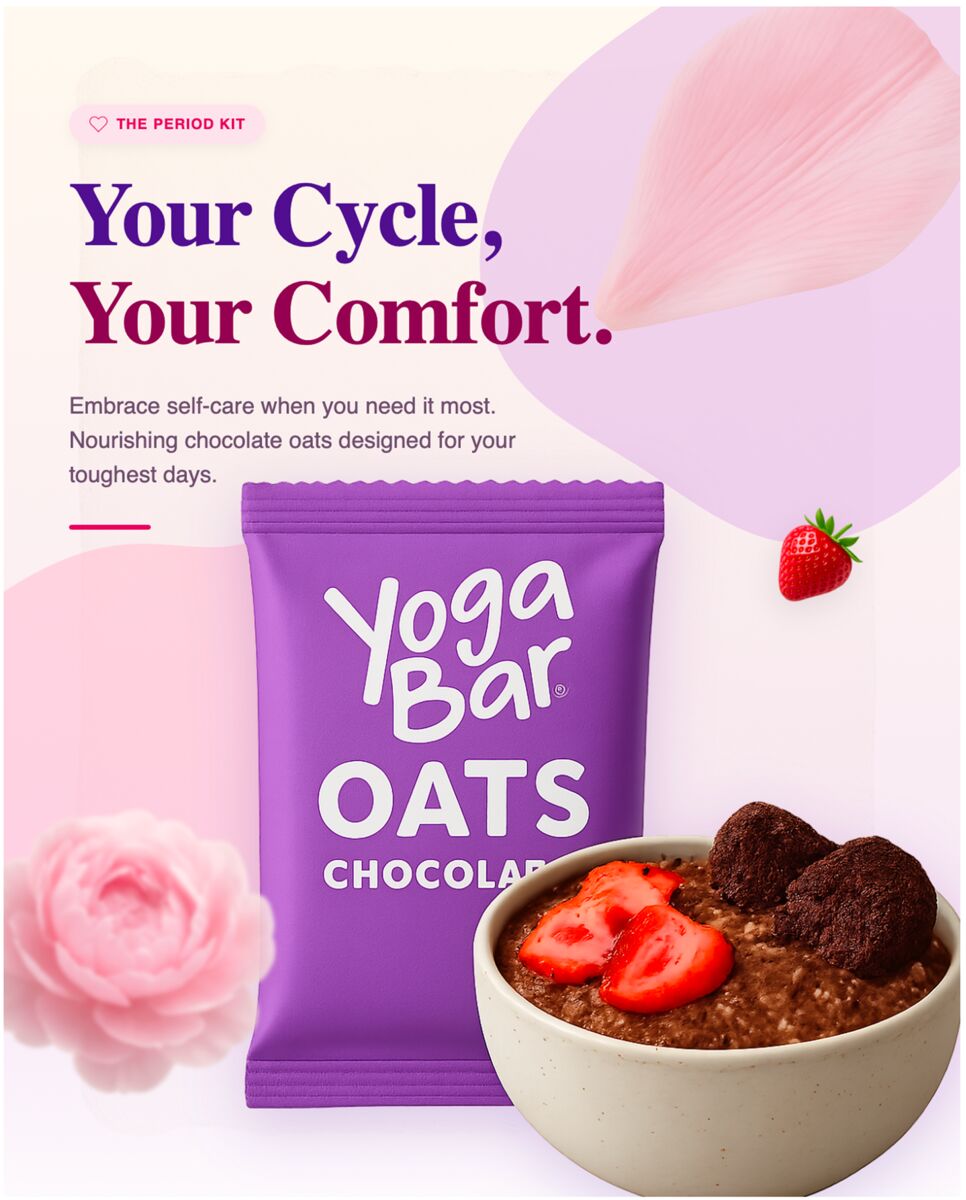
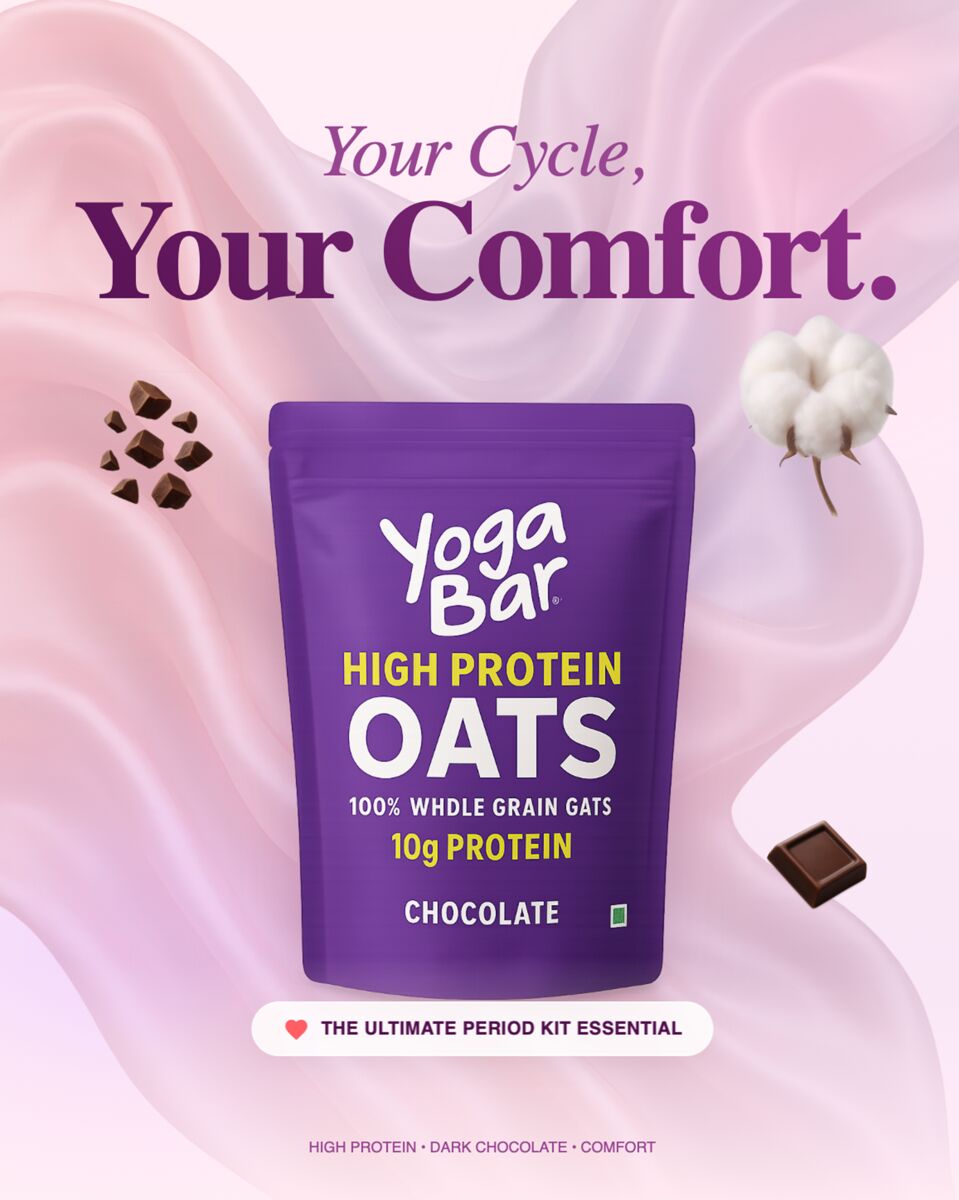
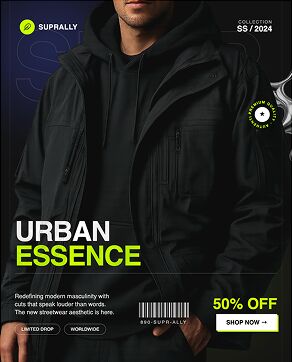
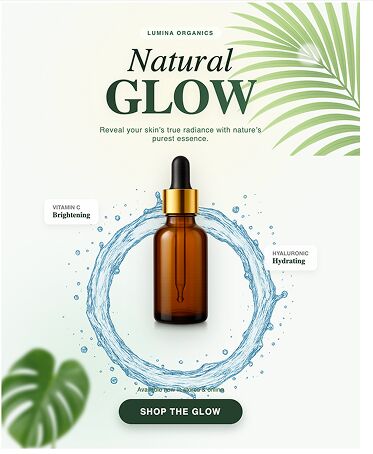
Email headers are the first visual cue that determines whether a subscriber opens or ignores your message. A systematic launch process eliminates bottlenecks and turns design time into revenue.

1. Creative Ideation & Asset Generation
AI‑Powered Hero Generation with DesignLumo
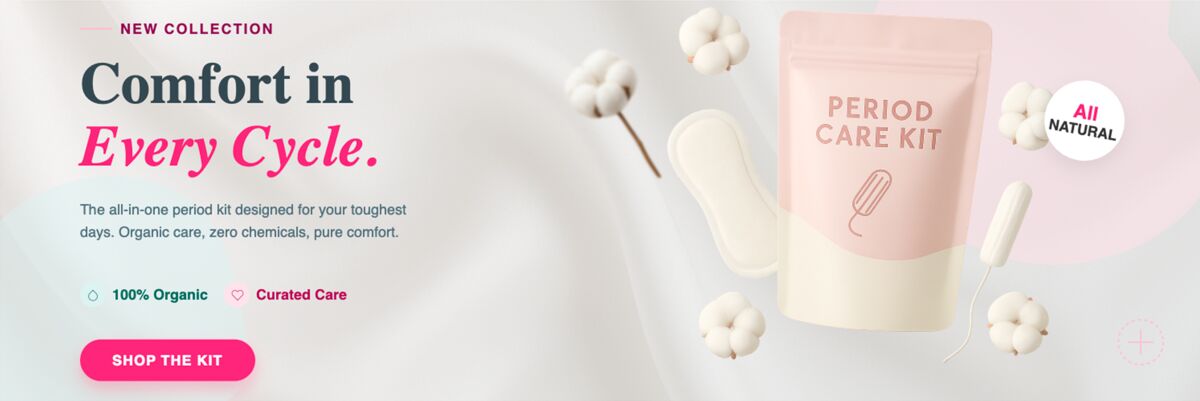
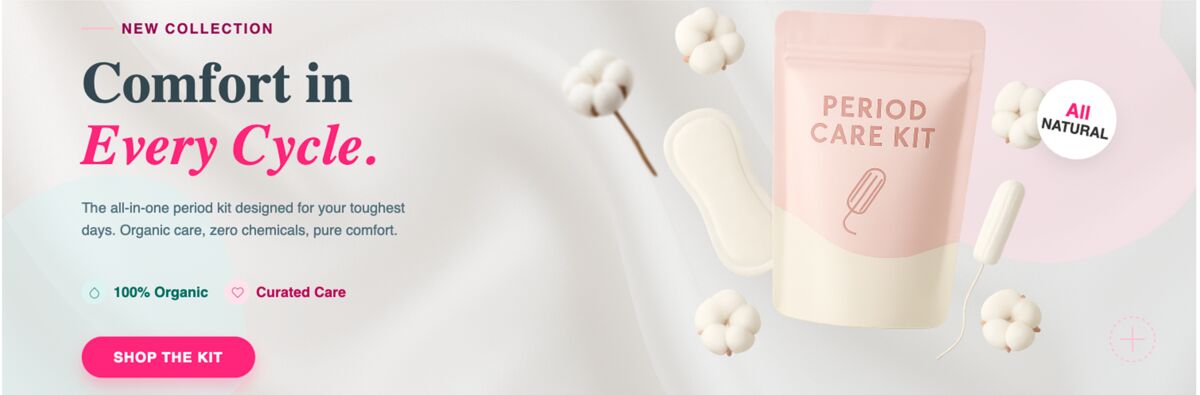
Start by drafting a concise prompt that includes tone, target audience, and brand colors. In DesignLumo, load your Brand Kit so the AI respects your exact hex codes and fonts. Generate a layered PSD in under 15 seconds, then fine‑tune text size, button placement, and imagery directly in the editor. Export PNG or JPEG at 600 × 200 px. Teams report a 75% reduction in design time (2 h → 15 min) and a 4% lift in open rates after swapping AI‑generated heroes for static stock images.
Seasonal Moodboard in Milanote
Create a new board in Milanote and pull inspiration from Pinterest, brand archives, and trend reports. Add swatches for the season’s dominant colors, annotate psychology notes (e.g., “emerald = trust”), and embed links to royalty‑free image sources. Invite copy and product teams for 10‑minute real‑time feedback. The visual reference cuts iteration cycles by 30% and historically correlates with a 10% higher click‑through rate because designers stay aligned with the campaign narrative from day one.
Rapid Variant Production in Canva
Duplicate your approved hero page three times in Canva’s multi‑page canvas. Swap only the CTA button color, headline copy, or background texture to create distinct visual variants. Use the “Export for Web” setting to generate PNGs under 150 KB each. Tag each file with a version code (A/B/C) and upload to your ESP’s media library. Testing shows a 3‑6% incremental lift when you rotate variants weekly, keeping the audience’s visual fatigue low without extra design effort.
2. Technical Prep & Brand Consistency
Brand Kit Sync and Color Palette Validation
Upload your brand’s font files and hex palettes to DesignLumo’s Brand Kit. After generating a hero, run the built‑in “Palette Check” which flags any off‑brand colors beyond a 5% tolerance. For extra rigor, export the PSD and run a Photoshop script that scans all layer colors against the master JSON file. This double‑check eliminates brand drift, a leading cause of a 12% drop in brand recall scores across multi‑campaign series.
Responsive Sizing & File Optimization
Create three size buckets: 600 × 200 px (mobile), 1200 × 400 px (desktop), and 300 × 100 px (preview). Compress each with TinyPNG, targeting ≤150 KB per file. Insert the images with a srcset attribute in your email HTML so clients load the optimal size. Verify with Email on Acid’s load‑time test; images that stay under 150 KB improve mobile open rates by roughly 5% because they render instantly on slower networks.
Alt‑Text Automation with Clearbit
Integrate Clearbit’s Enrichment API into your ESP to pull product titles, categories, and promotional keywords for each subscriber segment. Use merge tags to auto‑populate descriptive alt text (e.g., “{{clearbit.product_name}} – summer‑sale hero banner”). This ensures WCAG compliance and, per Litmus research, adds an average 2% click‑through lift for visually impaired users and for clients that block images by default.
3. Testing, Optimization & Deployment
A/B Visual Testing in Litmus
Upload two hero variants to Litmus and schedule a split send to 10% of your list. Measure open‑rate delta and run Litmus’s built‑in statistical calculator (p < 0.05). If Variant B outperforms by ≥3%, promote it to 100% of the send. In practice, marketers see a 3‑6% lift in opens after just one visual A/B, making this a high‑ROI, low‑cost optimization loop.
Dynamic Content Injection via Klaviyo
Within Klaviyo, create a conditional block that swaps the hero image based on a subscriber’s last purchase or geographic location. Pull the image URL from a Shopify metafield using the {{ event.extra.hero_url }} tag. This personalization drives an 8% revenue uplift on average because each recipient sees a contextually relevant visual, reducing friction between interest and conversion.
Performance Dashboard & KPI Loop
Connect your ESP’s API to Google Data Studio, building a dashboard that tracks open rate, click‑through, revenue per hero, and bounce‑back metrics. Set threshold alerts (e.g., open < 20% triggers a design review). Schedule a 30‑minute weekly sync to analyze trends and feed insights back into the Ideation stage. Continuous monitoring sustains a 5‑10% incremental improvement month over month.
Before you go
- Batch‑generate seasonal hero sets in DesignLumo at the start of each quarter to keep the pipeline full and avoid last‑minute rush.
- Use a single 1‑pixel transparent PNG as a fallback for clients that block images; pair it with strong preheader copy to protect open rates.
- Leverage URL‑level UTM parameters that include the hero version code (e.g., utm_content=heroA) to attribute revenue directly to each visual variant.





Ready to create your first design?
Join thousands creating professional designs in seconds.
Create with DesignLumo
Related Resources
Email Header Workflow: AI-Powered Design Steps
A tactical guide to create, test, and scale email hero images with AI.
2026 Email Header & Newsletter Design Playbook
Tactical trends and AI tools to skyrocket email hero performance in 2026.
Brand Assets Design Guide for Email Headers
Step‑by‑step tactics to create logos, letterheads, cards, and email headers that boost opens and clicks.
Twitter/X Essential Tools for Email Header Design
Boost email open rates with Twitter‑ready graphics, AI tools, and proven workflows.
Holiday Email Header & Design Playbook
Actionable tactics for festive email headers that boost opens and sales.
Email Header Wins: Real-World Case Studies
Proven AI‑driven tactics to boost email open and click rates.