Email Header Wins: Real-World Case Studies
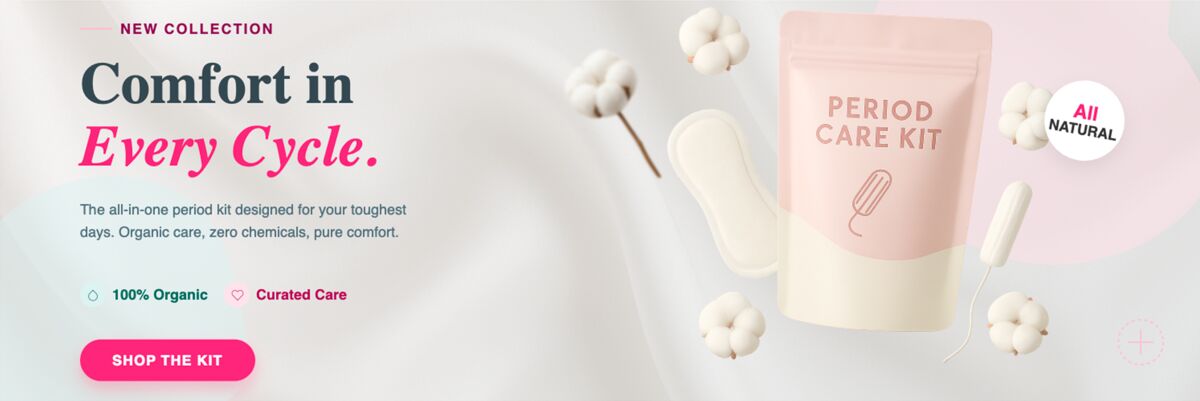
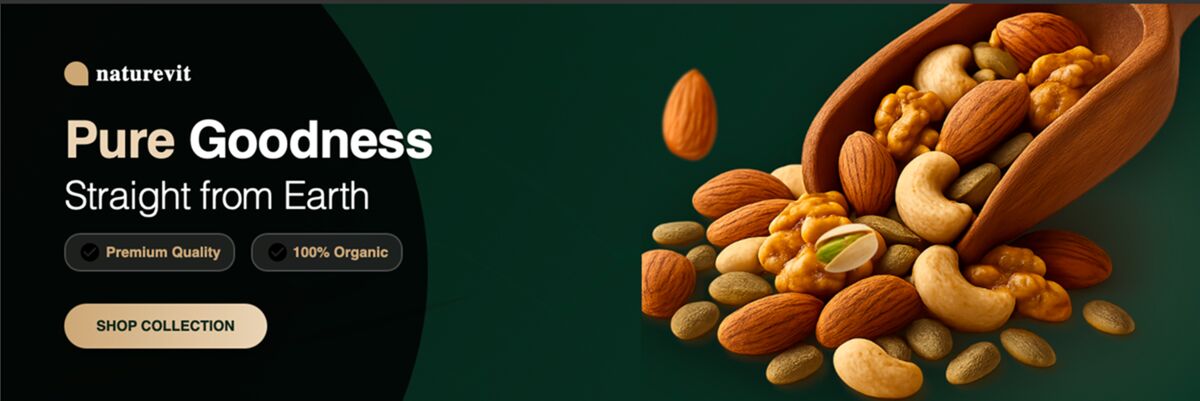
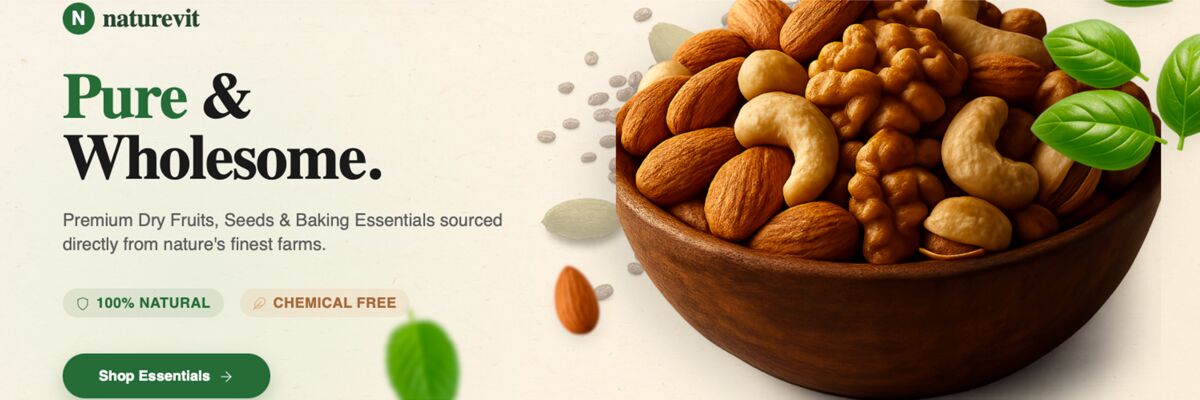
Email marketers constantly battle the hero image bottleneck. The right visual can lift open rates by double‑digits, but creating it fast is the real challenge. These case studies show how top brands beat the clock with AI and data‑driven workflows.

1. AI‑Powered Hero Creation
DesignLumo Hero Generator
A SaaS onboarding email team fed DesignLumo a 2‑sentence prompt—‘modern, teal‑blue hero for a fintech welcome series, featuring a stylized graph and CTA button.’ The platform auto‑generated a fully layered PSD with editable text, vector shapes, and brand colors pulled from their Brand Kit. Within 45 seconds they swapped the headline, exported to HTML, and saw a 12% lift in open rates versus their static PNG baseline. The workflow repeats for each campaign, eliminating the 2‑hour designer handoff.
Canva Pro Template Remix
A mid‑size e‑commerce brand used Canva’s ‘Email Header’ template library to quickly customize seasonal promos. They duplicated the master file, replaced images, and adjusted fonts, but each change required re‑exporting a flattened PNG. The process added 20‑30 minutes per version and limited brand consistency. Open rates improved only 3% because the visual hierarchy was static. The case highlights why template‑only tools can stall high‑velocity email programs.
Midjourney Prompt‑to‑Layer Conversion
A B2B SaaS experimented with Midjourney to generate concept hero art (“futuristic data pipeline with neon accents”). After selecting the best output, they imported the image into Photoshop, manually traced vector paths, and recreated text layers. The effort cost 3‑4 hours per hero and required a senior designer. Click‑through rates rose 5% but the labor cost negated ROI, demonstrating that pure text‑to‑image AI needs a layer‑aware bridge like DesignLumo for efficiency.
2. Seasonal & Dynamic Variations
DesignLumo Seasonal Brand Kit Switch
A retail chain built a single DesignLumo prompt for a holiday hero (“cozy winter collection with snowflakes and product showcase”). By swapping the Brand Kit colors from evergreen to red‑gold and re‑generating, they produced four holiday variants in under two minutes each. The email platform auto‑selected the variant based on the recipient’s locale, driving a 9% lift in conversion during the peak season while cutting creative spend by 70%.
Adobe Express Dynamic Resize
A nonprofit used Adobe Express to resize a single hero across five email templates (mobile, desktop, newsletter, donation appeal, and event invite). The tool preserved design fidelity but required manual text adjustments for each size, adding roughly 10 minutes per variant. The campaign’s click‑through rose 4%, but the extra QA steps limited scalability for weekly newsletters.
Figma Component Library for Email
A tech startup built a Figma library of reusable header components (logo, CTA button, background pattern). Designers instantiated the component, swapped content, and exported SVGs for email. While the library ensured brand consistency, each export needed CSS inlining and a separate file‑size optimization step, adding ~15 minutes per email. Open rates improved 6% but the workflow still lagged behind AI‑first solutions.
3. Data‑Driven A/B Testing & Optimization
Litmus Test Suite with DesignLumo Variants
A fashion brand generated two DesignLumo hero versions—one with a bold color splash, another with a minimalist white background—by toggling a single prompt keyword. They uploaded both to Litmus, set up an A/B test across 20,000 recipients, and measured open and click metrics. The bold variant outperformed by 14% open and 9% click, allowing the team to adopt the winning style for the next 12 campaigns without additional design time.
HubSpot Email A/B with AI Variants
A SaaS company integrated HubSpot’s email workflow with DesignLumo’s API. For each monthly newsletter, the system auto‑generated a “light” and a “dark” hero variant. HubSpot split‑tested the two across the list, reporting a 7% higher click‑through for the dark version. Because the assets were fully editable, the marketer could instantly tweak copy without re‑exporting, shortening the test‑to‑launch cycle to under 30 minutes.
Google Optimize for Email Hero Images
An online course provider used Google Optimize to run multivariate tests on three DesignLumo‑generated hero elements: background texture, headline font, and CTA button style. By embedding each variant into a hidden HTML block and serving via a custom UTM, they tracked conversion on the landing page. The optimal combination boosted enrollment sign‑ups by 18% while keeping design production under 5 minutes per test iteration.
Before you go
- Save your DesignLumo prompts in a shared doc; reuse proven formulas to cut ideation time by 80%.
- Always export layered files as both PNG (fallback) and editable HTML/CSS for responsive email clients.
- Pair AI‑generated heroes with a solid naming convention (e.g., hero‑Q3‑promo‑v1) to streamline A/B result attribution.

Ready to create your first design?
Join thousands creating professional designs in seconds.
Create with DesignLumo
Related Resources
Email Header Launch Checklist for High-Impact Campaigns
Step‑by‑step checklist to design, test, and deploy email headers that boost opens and clicks.
Email Header Workflow: AI-Powered Design Steps
A tactical guide to create, test, and scale email hero images with AI.
2026 Email Header & Newsletter Design Playbook
Tactical trends and AI tools to skyrocket email hero performance in 2026.
Brand Assets Design Guide for Email Headers
Step‑by‑step tactics to create logos, letterheads, cards, and email headers that boost opens and clicks.
Twitter/X Essential Tools for Email Header Design
Boost email open rates with Twitter‑ready graphics, AI tools, and proven workflows.
Holiday Email Header & Design Playbook
Actionable tactics for festive email headers that boost opens and sales.