2026 Label & Packaging Design Trends Guide
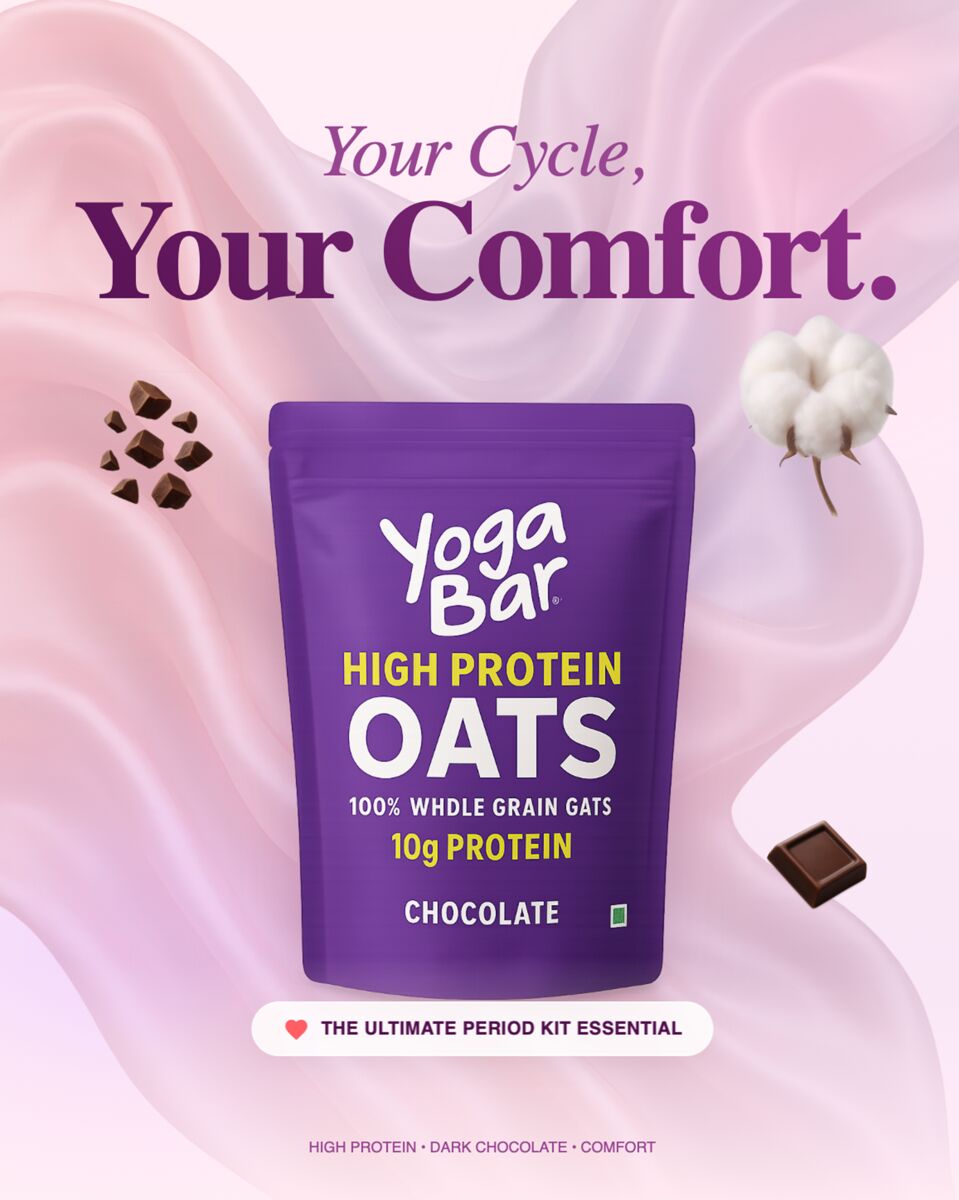
Packaging is the silent salesperson on the shelf, and in 2026 speed, sustainability, and compliance are non‑negotiable. This guide breaks down the tactics that let product brands out‑design, out‑produce, and out‑sell the competition without blowing b…

1. AI‑Powered Design Automation
Prompt‑Driven Label Generation with DesignLumo
Load your brand kit into DesignLumo, then type a plain‑English prompt like “organic oat‑milk carton, minimalist, teal accent, premium feel”. The AI returns a fully layered PSD with editable text, fonts, and vector shapes in under 30 seconds. Replace placeholder copy, tweak colors, and export print‑ready PDFs. Teams report a 70% reduction in design time (8 hrs → 25 min) and a 60% cut in external agency spend. Use the built‑in version history to revert any change instantly.
Batch Variant Creation via Midjourney + Photoshop Scripts
Create a CSV of 200 SKU descriptors (flavor, size, claim) and feed each line to Midjourney’s API to generate concept backdrops. Download the batch, then run a Photoshop JSX script that opens a master PSD, swaps the background layer, inserts SKU‑specific text from the CSV, and saves a layered file per SKU. This pipeline turns a two‑week manual process into a 48‑hour sprint, delivering 200 production‑ready files for variable‑data printing while preserving editability.
Canva Magic Resize for Multi‑Channel Packaging
Design a master label at 300 dpi in Canva, then click Magic Resize and add custom dimensions for bottle, jar, and pouch formats. Canva automatically re‑positions key elements, preserving bleed and safety zones. After a quick visual check, export each size as print‑ready PDF. Brands that standardize with Magic Resize see a 12% lift in shelf click‑through because the visual hierarchy stays consistent across all package shapes.
2. Sustainable Materials & Eco‑Design Systems
Eco‑Ink Color Library & Simulation in Adobe Illustrator
Download Pantone’s EcoGuide swatch library and load it into Illustrator. Create spot‑color swatches for soy, algae, and UV‑cure inks, then apply the “Simulate Print on Recycled Board” effect using Substance Designer textures. Export a PDF/X‑4 with embedded ICC profiles to guarantee color fidelity on recycled substrates. Companies that pre‑visualize ink on eco‑paper cut waste by 15% because they avoid costly trial‑and‑error presses.
DesignLumo’s Brand Kit for Recyclable Packaging Templates
In DesignLumo, build a “Recyclable Template” that includes bleed, fold lines, and placeholder icons for FSC, resin identification code, and compostable symbols. When you generate a new label, type a prompt that includes the product type; the AI auto‑adds the correct recycling logo and compliance copy. Template creation drops from 4 hours to 15 minutes, and audit scores improve by 30% because every asset starts with the right symbols.
Lifecycle Impact Dashboard with EcoCart API
Integrate EcoCart’s REST API into a Figma plugin or DesignLumo custom field. When you select a substrate (e.g., 250 gsm recycled cardboard), the plugin pulls real‑time CO₂e per unit and displays it on the canvas. Use the data to choose the lowest‑impact option and auto‑generate a QR code linking to a sustainability page. Brands that publish carbon data on packaging see an 8% premium price acceptance among eco‑aware shoppers.
3. Dynamic SKU Variations & Real‑Time Mockups
Real‑Time 3D Mockups in Placeit with AI‑Generated Assets
Export layered PNGs from DesignLumo and push them via Placeit’s Mockup API. Set up a webhook that listens for file updates in your Dropbox folder; each update triggers Placeit to render a new 3D bottle, jar, or pouch view and saves the result back to the folder. Pair with Zapier to notify the creative lead Slack channel. Turnaround shrinks from 48 hours to under 5 minutes, enabling rapid A/B testing of label concepts on realistic packaging.
Automated SKU Spreadsheet to DesignLumo via Integromat
Create a Google Sheet with columns for SKU, size, flavor, and regulatory copy. In Make (formerly Integromat), map each row to a DesignLumo prompt template: “Create a 120 ml citrus soda can label, include {{flavor}} text, and {{regulatory}} disclaimer”. The scenario runs batch jobs, stores the layered PSDs in Dropbox, and logs URLs in a second sheet. Result: 1,000 SKUs produced in 3 hours, saving roughly $12,000 in manual design labor.
Dynamic QR Code Integration for Personalized Packaging
Use QR Code Monkey’s API to generate a unique QR per SKU by passing the SKU ID as a URL parameter. In DesignLumo, add a layer placeholder named {{qr}}; the AI replaces it with the generated PNG on each export. Combine with variable‑data printing (VDP) to embed the QR on every label. Brands that tracked scans saw a 15% lift in repeat purchases when the QR directed consumers to SKU‑specific offers.
4. Regulatory‑Ready Visual Compliance
AI‑Checked Nutritional Label Accuracy with DesignLumo + LabelFlow
Feed your nutrition CSV into a DesignLumo prompt that builds an FDA‑compliant Nutrition Facts panel with correct font sizes and mandatory footnotes. Export the PSD and send it via LabelFlow’s API for instant compliance validation. The engine flags missing micronutrient disclosures or incorrect serving sizes, then returns a corrected file. This loop cuts compliance review from two days to two hours, dramatically lowering recall risk.
Automated Allergen Icon Placement via Adobe InDesign Scripts
Write an ExtendScript that reads a JSON of ingredient allergens, cross‑references the FDA allergen list, and inserts the required icons at predefined anchor points in an InDesign template. Run the script after DesignLumo exports the base label; the script auto‑places “Contains Milk” or “Gluten‑Free” symbols. Saves roughly 30 minutes per label and eliminates human error that can cause costly label re‑prints.
Version Control & Audit Trail with Figma + DesignLumo
Install the DesignLumo‑to‑Figma plugin to sync layered assets directly into a Figma file. Enable Figma’s version history and comment threads for each regulatory sign‑off. Every change logs the user, timestamp, and a short rationale, creating a searchable audit trail. Teams report a 40% improvement in audit readiness and a 20% faster legal approval cycle because reviewers can see exactly what changed and why.
Before you go
- Leverage DesignLumo’s brand‑kit API to lock colors and fonts across every SKU, ensuring instant brand consistency.
- Always export a print‑ready PDF with PDF/X‑4 compliance after AI generation; it preserves layers for downstream press workflows.
- Pair AI‑generated designs with a real‑time compliance API (LabelFlow, EcoCart) to catch errors before they reach the printer.

Ready to create your first design?
Join thousands creating professional designs in seconds.
Create with DesignLumo
Related Resources
Shopify Label & Packaging Design Toolkit
Essential Shopify tools for creating high‑impact label, packaging and store visuals.
Print Materials Design Guide for Labels & Packaging
Step‑by‑step tactics to create high‑impact flyers, brochures, menus, and print‑ready packaging.
Email Header Design Blueprint for Product Brands
Step-by-step tactics to craft high‑impact email hero images for packaging brands.
Instagram Tools Every Packaging Brand Needs
Essential Instagram tools and workflows for label and packaging designers.
Small Business Saturday Packaging Playbook
Actionable label & packaging tactics for Small Business Saturday local campaigns.
Twitter/X Tools for Label & Packaging Brands
Tactical toolkit to boost X graphics, threads, and quote cards for packaging marketers.