Email Header Design Blueprint for Product Brands
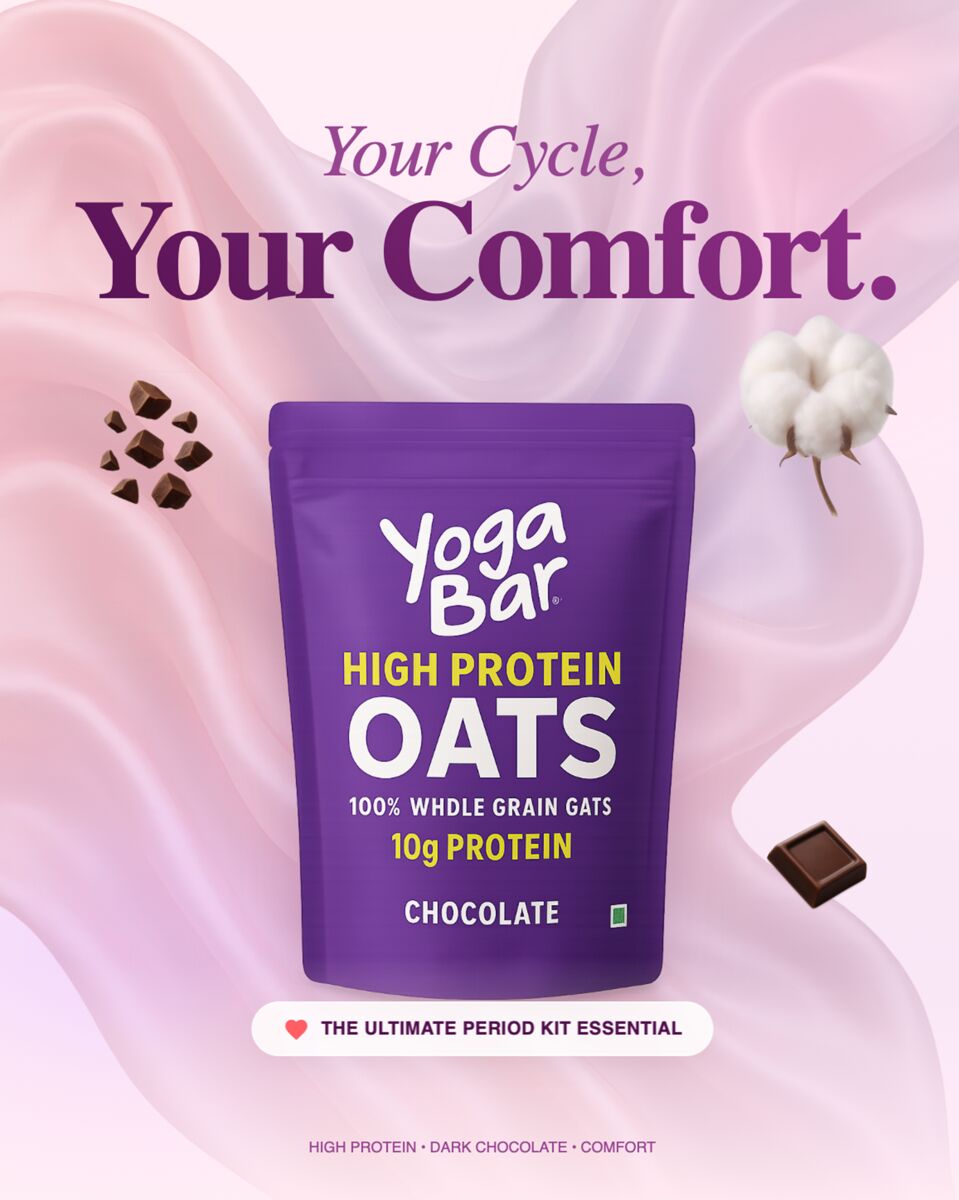
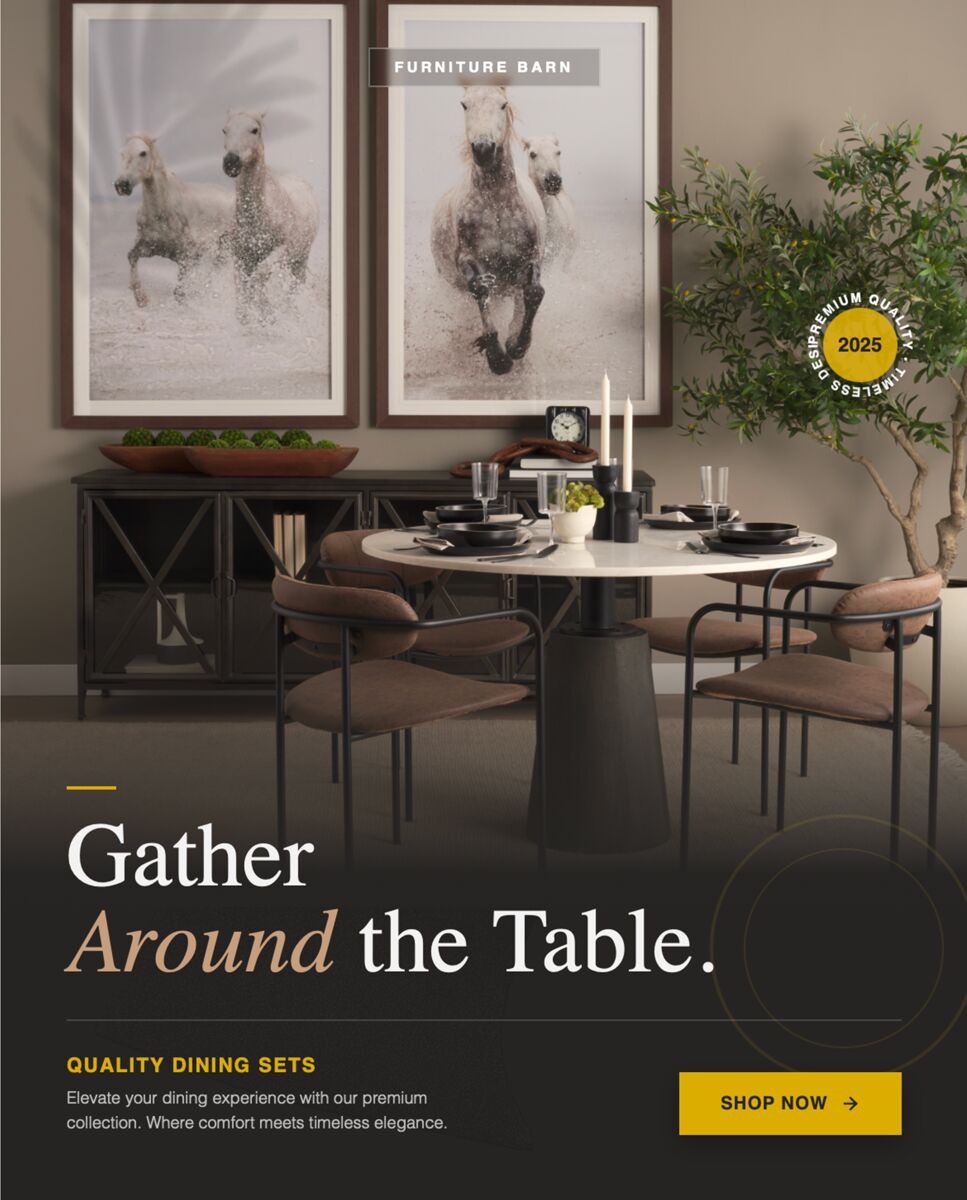
Email headers are the first visual touchpoint in a campaign and directly influence open rates. For brands that invest heavily in packaging, the header must echo shelf‑side branding while staying lightweight for inbox delivery.

1. Strategic Foundations
Brand‑Consistent Visual Language
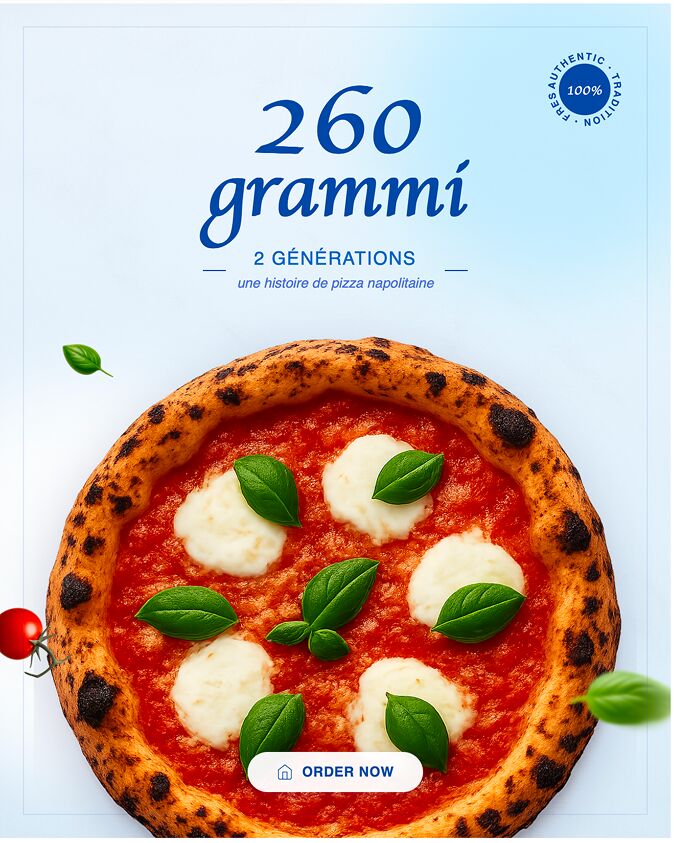
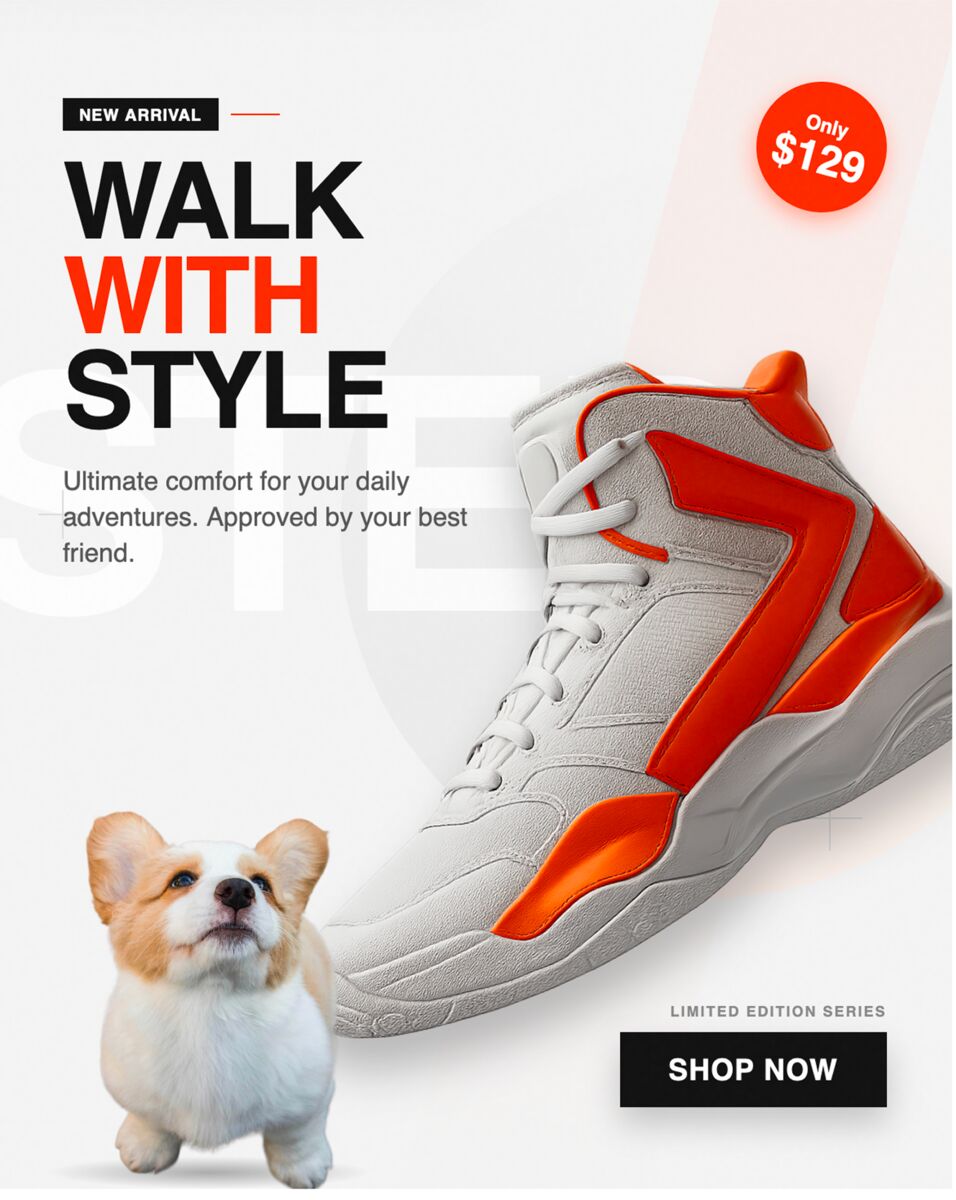
Start by extracting the core visual elements from your packaging – logo, color palette, typography, and product photography. Use your brand kit in DesignLumo to lock these assets, then create a style sheet that defines header height (120‑160 px for mobile, 200‑250 px for desktop) and safe‑zone margins (10 % of width). Apply the same Pantone colors and font families used on the label to guarantee instant brand recall. Test the header against a control email and record open‑rate lift; brands that maintain visual consistency see 12‑18 % higher opens.
Regulatory‑Ready Asset Checklist
Regulatory compliance often forces you to display nutrition facts, allergen warnings, or certifications. Build a modular layer group in DesignLumo labeled “Compliance” that can be toggled on/off per market. Populate this group with vector icons from the FDA’s open‑source library and keep text in a legible 14 pt sans‑serif. Export a master PSD from DesignLumo, then duplicate for each SKU, swapping only the compliance layer. Track the time saved versus manually recreating headers in Photoshop – expect a 70 % reduction, translating to $1,200 monthly savings for a midsize brand running 12 campaigns.
Data‑Driven Header Size & Ratio
Email clients render images differently; research shows a 600‑pixel width maximizes display while keeping file size under 150 KB. Use DesignLumo’s canvas preset “Email Hero 600×200” to enforce a 3:1 ratio, then run a batch script in Photoshop or GIMP to compress PNGs to ≤120 KB without perceptible loss (use TinyPNG API). Log load‑time metrics in Google PageSpeed Insights; aim for <1 s on mobile. Brands that respect this ratio see click‑through rates improve 5‑7 % because the header loads instantly, reducing bounce.
2. AI‑Powered Creation Workflow
Prompt‑Driven Header Generation with DesignLumo
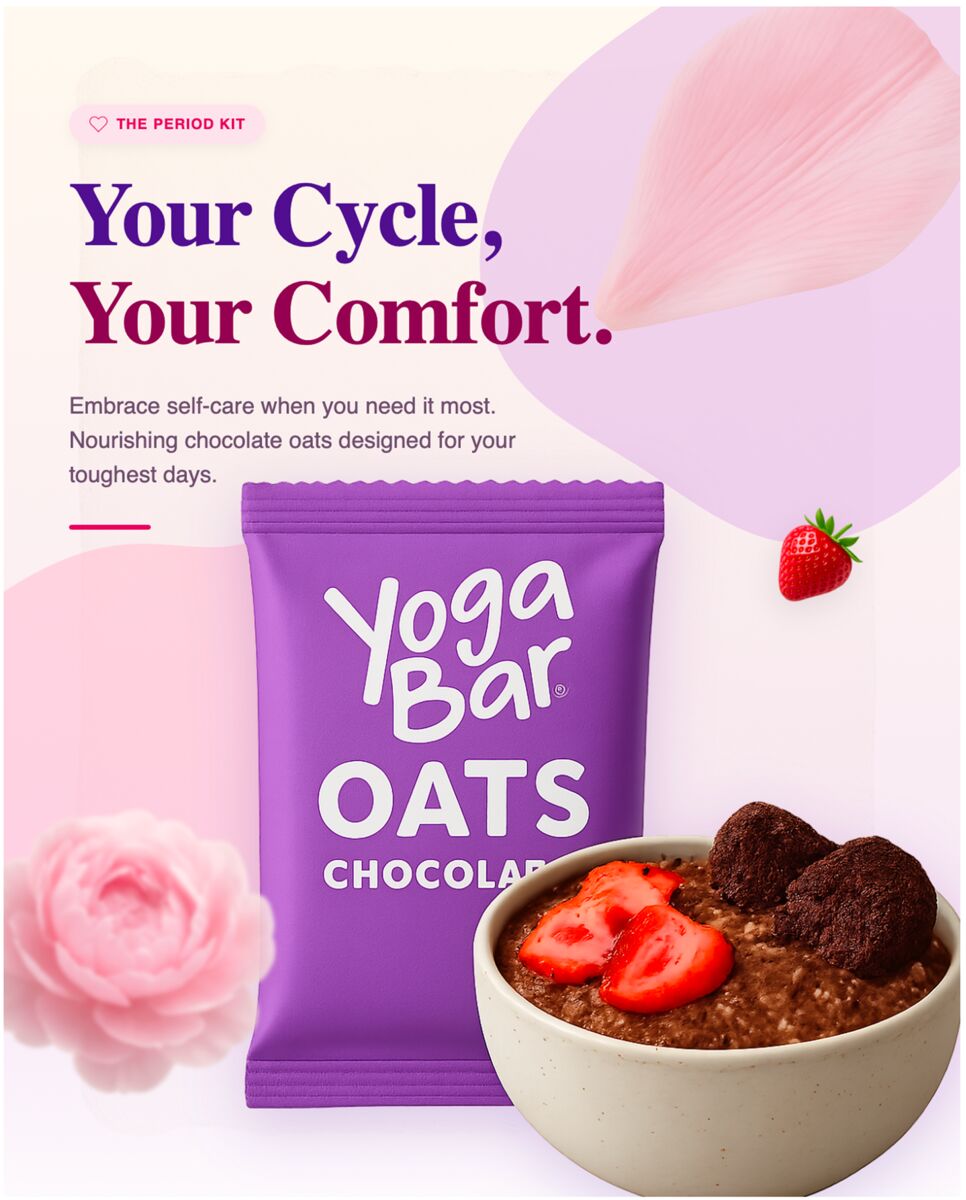
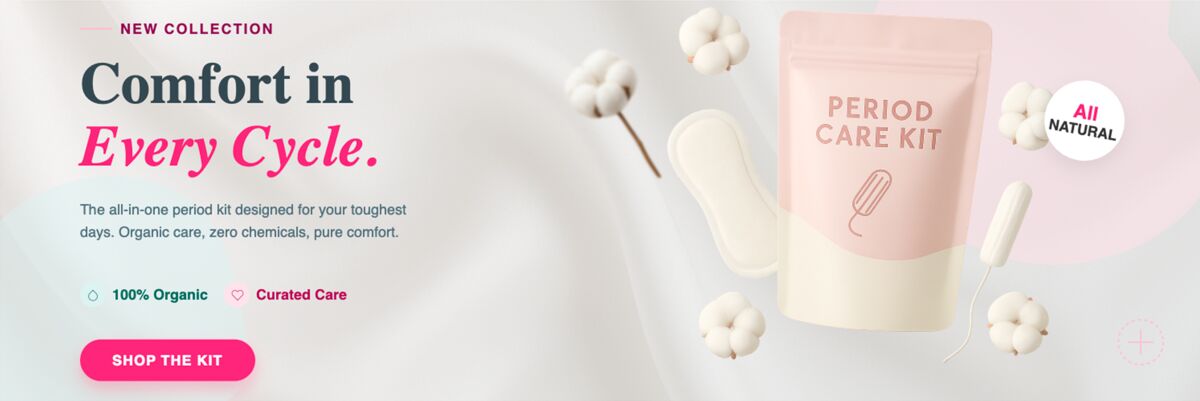
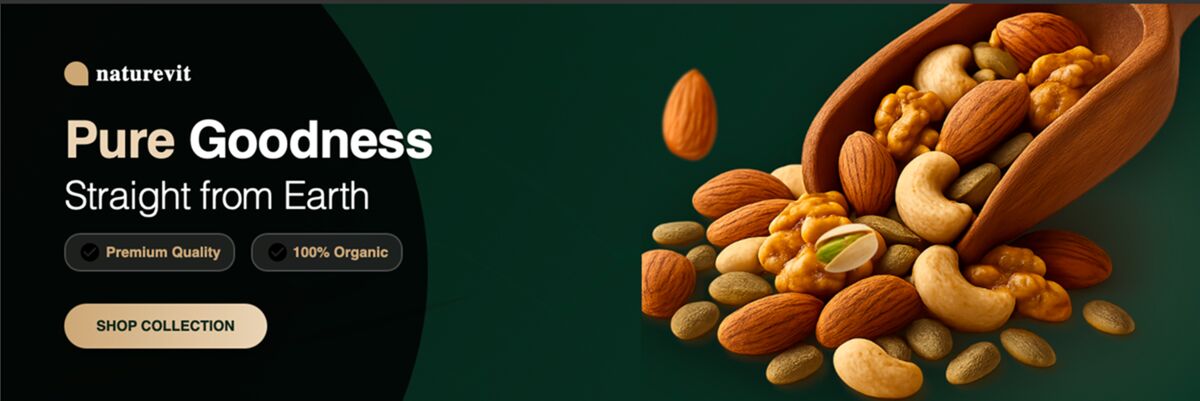
Craft a precise prompt: ‘Create a 600×200px email hero for a organic snack bar, featuring the product front‑center, brand teal background, and bold sans‑serif tagline ‘Fuel Your Day’. Feed this to DesignLumo; within 10 seconds you receive a fully layered PSD with editable text, image mask, and color fill. Swap the product photo with a new SKU, adjust the tagline, and export as optimized JPEG. Measure turnaround: average 3‑minute creation vs. 45‑minute manual build, delivering a 95 % time saving and enabling rapid A/B cycles.
Layered Editing in Canva vs. DesignLumo
Canva’s drag‑and‑drop interface is quick for static graphics but lacks true layer hierarchy; each element becomes a flat group, making bulk edits painful. In DesignLumo, every component—background, product image, text, overlay—exists as an independent layer with naming conventions, enabling batch color changes via the Brand Kit. Run a test: recreate a header in both tools, then switch the brand hue from teal to coral. DesignLumo updates all instances in 2 clicks, whereas Canva requires manual re‑selection of each element, costing an extra 12 minutes per variation.
Hybrid AI + Stock Integration (Midjourney + DesignLumo)
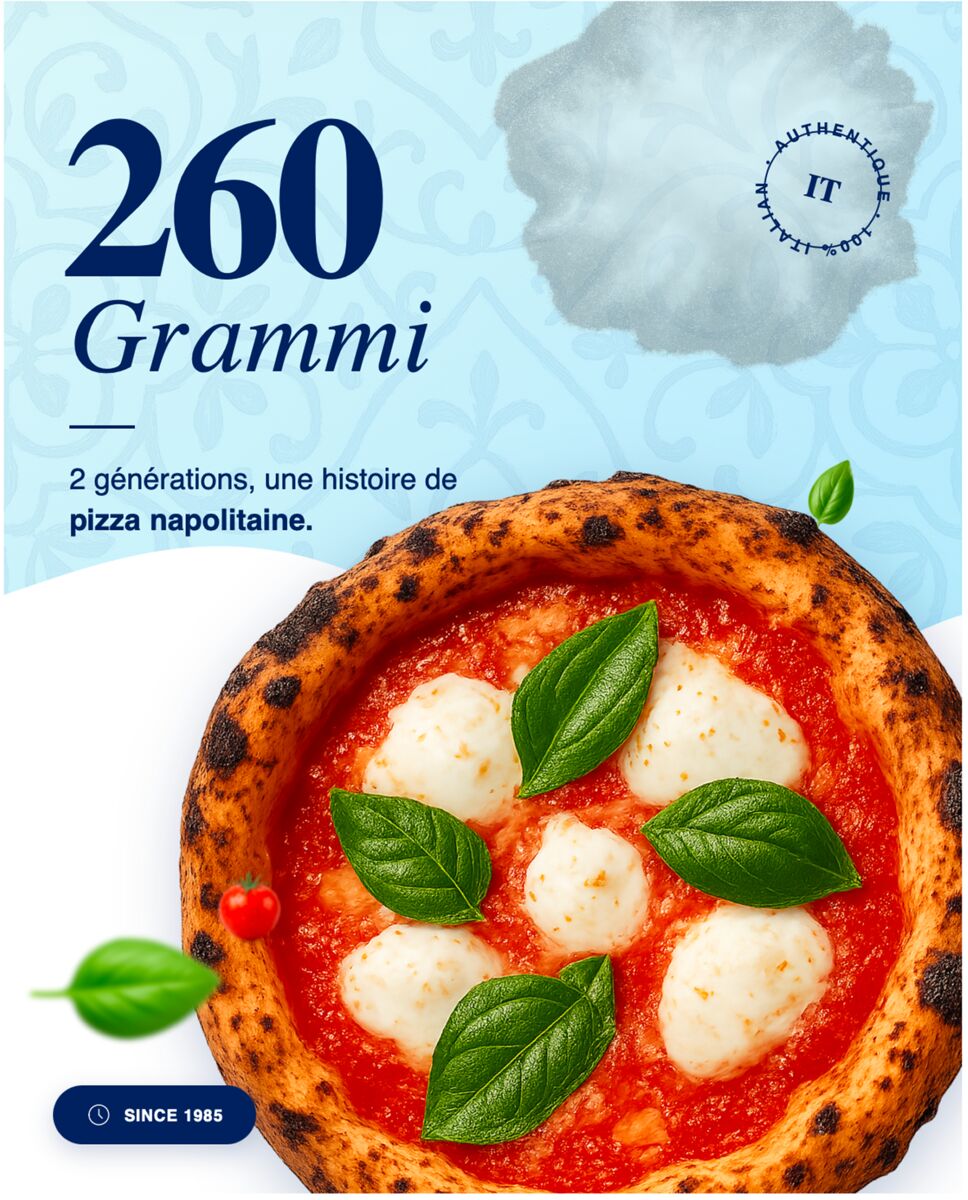
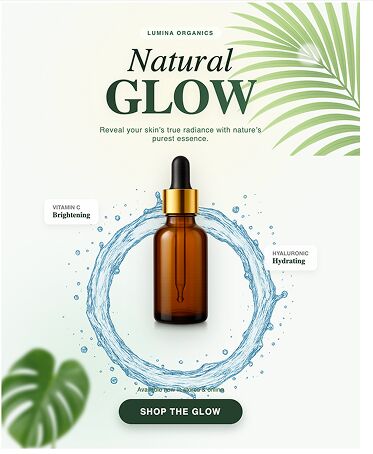
When you need a unique background texture, generate one in Midjourney: prompt ‘seamless pastel botanical pattern, 600px width’. Export the PNG, then import into DesignLumo as a background layer. Use DesignLumo’s masking tools to clip the product photo into the texture, preserving editability. This hybrid workflow delivers a custom look without costly photo shoots, while retaining the ability to swap textures for seasonal campaigns. Track performance: brands using AI‑generated textures see a 4‑6 % lift in email engagement versus generic stock imagery.
3. Optimization & Testing
File Optimization for Load Speed
After finalizing the header in DesignLumo, export a WebP version at 80 % quality, then run it through ImageOptim (Mac) or FileOptimizer (Windows) to shave another 10‑15 KB. Verify the final size stays under 120 KB using Chrome DevTools Network panel. Record load‑time impact in Litmus’ Email Previews; a header under 120 KB typically loads in <0.5 s on 3G, reducing subscriber drop‑off. Brands that consistently stay under this threshold report a 3‑5 % increase in overall email conversion rates.
A/B Testing Hero Variants with Litmus
Create two header variants in DesignLumo: Variant A uses a product‑only hero, Variant B adds a lifestyle backdrop. Upload both to Litmus, set up a split test with 50 % traffic each, and track metrics—open rate, click‑through rate, and heat‑map engagement. After 48 hours, compare results; a 0.5 % lift in CTR is statistically significant for most retail campaigns. Document the winning visual cues (color contrast, focal point) and feed them back into your DesignLumo prompt library for future automated generation.
Dynamic Personalization via SVG Variables
Export the header as an SVG from DesignLumo, then embed placeholder variables (e.g., {{first_name}}) within text elements. Use your ESP’s scripting (Mailchimp, Klaviyo) to replace the variable at send time, creating a personalized product name or flavor hint directly in the hero. Measure the uplift: personalized headers typically boost click‑through rates by 7‑10 % compared to static images, as shown in case studies from the Food & Beverage sector. Ensure the SVG file stays under 100 KB to maintain fast rendering.
Before you go
- Save every header as a layered DesignLumo template; reuse for seasonal drops to slash design time by up to 80 %.
- Leverage DesignLumo’s Brand Kit to auto‑apply regulatory colors (e.g., green for organic) across all email assets with a single toggle.
- Always preview your header on dark mode; use DesignLumo’s dark‑mode preview toggle to adjust contrast before export.


Ready to create your first design?
Join thousands creating professional designs in seconds.
Create with DesignLumo
Related Resources
Shopify Label & Packaging Design Toolkit
Essential Shopify tools for creating high‑impact label, packaging and store visuals.
Print Materials Design Guide for Labels & Packaging
Step‑by‑step tactics to create high‑impact flyers, brochures, menus, and print‑ready packaging.
Instagram Tools Every Packaging Brand Needs
Essential Instagram tools and workflows for label and packaging designers.
Small Business Saturday Packaging Playbook
Actionable label & packaging tactics for Small Business Saturday local campaigns.
Twitter/X Tools for Label & Packaging Brands
Tactical toolkit to boost X graphics, threads, and quote cards for packaging marketers.
New Year Q1 Packaging Design Playbook
Actionable roadmap for label and packaging success in Q1.