New Year Q1 Packaging Design Playbook
The first quarter sets the tone for product shelf performance and brand momentum. For food, cosmetics, and craft producers, fresh label designs can boost premium pricing and compliance confidence. This guide delivers a step‑by‑step system to plan, cr…

1. Strategic Planning & Goal Setting
New Year Brand Refresh Blueprint
Start with a 90‑minute brand audit in Notion (https://www.notion.so) using a templated canvas that captures visual tone, color palette, and target consumer insights. Map each insight to a specific label KPI—e.g., increase on‑shelf attention by 12% measured via eye‑tracking studies. Assign owners in Asana (https://asana.com) with weekly checkpoints. End Q1 with a 3‑slide deck summarizing KPI movement, ready for stakeholder sign‑off. This process creates a data‑backed design brief that guides every label iteration.
Q1 SKU Variation Matrix
Build a variation matrix in Airtable (https://airtable.com) listing each SKU, size, and regulatory label requirement. Include columns for "AI Prompt", "DesignLumo Draft", and "Print Ready" dates. Use conditional formatting to flag SKUs lacking a compliant nutrition panel—these turn red, prompting immediate action. Track average design cycle time; target ≤4 days per SKU. By visualizing bottlenecks, you can allocate freelance illustrators only where AI cannot meet complexity, cutting labor spend by up to 30%.
Regulatory Compliance Calendar

Create a shared Google Calendar (https://calendar.google.com) with all FDA, EU, and local labeling deadlines. Attach a checklist template built in Lucidchart that outlines required elements—serving size, allergen icons, barcode placement. Set automated reminders 30 and 7 days before each deadline. Integrate with Zapier (https://zapier.com) to push overdue items into a Slack #compliance channel, ensuring real‑time visibility. Measure success by maintaining a 0% missed‑deadline rate in Q1, protecting shelf availability and avoiding costly reprints.
2. Design Production & AI Automation
AI Prompt Library for Seasonal Labels
Assemble a prompt repository in a private GitHub Gist (https://gist.github.com) that encodes seasonal language, brand voice, and mandatory compliance copy. Example: "Create a 100 ml cosmetic label with pastel lavender, serif font, FDA-compliant ingredient list, and QR code for sustainability story." Test each prompt in Midjourney (https://www.midjourney.com) for visual direction, then feed the winning prompt into DesignLumo (https://www.designlumo.com) to generate a fully layered, editable label in seconds. Track conversion: 80% of AI‑generated drafts require <2 edits, cutting design time by 65%.
DesignLumo Layered Mockup Generator
Use DesignLumo’s text‑to‑design engine to produce layered PSD files for each SKU. Input the prompt library entry, choose output size (300 dpi, CMYK), and select brand kit colors to ensure consistency. Once generated, import the PSD into Adobe Illustrator for final tweaks, or keep it within DesignLumo’s web editor for rapid iteration. Export a 1‑click print‑ready PDF with bleed and crop marks. Benchmark: achieve a 4‑day end‑to‑end turnaround for 30 SKUs, compared to a 12‑day manual process.
Batch Export & Print Prep Workflow
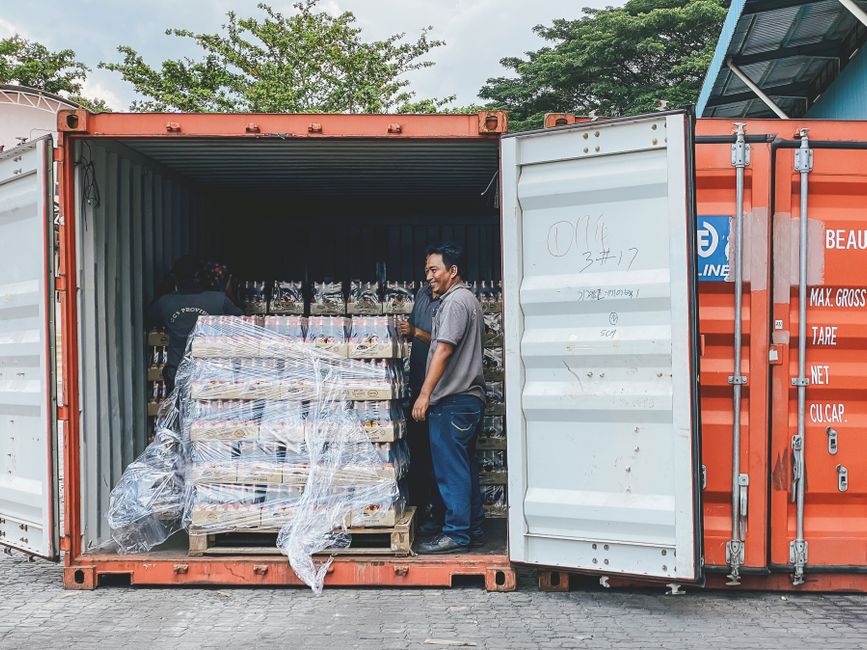
Automate batch exporting with InDesign’s Data Merge (https://www.adobe.com/products/indesign.html) linked to a CSV of SKU attributes. After DesignLumo produces the individual label files, place them into the merge template, then run a script that outputs PDF/X‑4 files with embedded fonts and color profiles. Use Esko’s WebCenter (https://www.esko.com) to validate each PDF against pre‑flight rules—spot‑check compliance, image resolution ≥300 ppi, and correct trim size. Record pass/fail rates; aim for ≥98% first‑pass, reducing re‑print costs by $0.12 per unit.
3. Performance Tracking & Optimization
Shelf Impact A/B Testing Kit
Deploy two label variants (AI‑generated vs. traditional) on 10 retail locations using Packly’s 3D shelf visualizer (https://www.packly.com). Capture shopper gaze data with a Tobii eye‑tracker app for 2 weeks, then calculate lift in attention time. Target a minimum 8% increase for the AI variant. Log results in a Google Sheet that auto‑calculates incremental sales forecast based on the 15% conversion uplift typical for high‑impact packaging. Use findings to justify scaling AI design across all Q1 SKUs.
QR‑Code Engagement Dashboard
Generate unique QR codes for each label using QRCode Monkey (https://www.qrcode-monkey.com) that direct to a product story hosted on Webflow. Embed UTM parameters to capture clicks in Google Analytics. Build a Data Studio (https://datastudio.google.com) dashboard showing scans per SKU, average dwell time, and conversion rate. Set a Q1 benchmark of 1.5% scan‑to‑purchase, then iterate label graphics (color contrast, call‑to‑action copy) to improve by at least 0.4 percentage points. This data loop directly ties design tweaks to revenue.
Cost‑Per‑Design ROI Calculator

Create a spreadsheet model that inputs design spend (AI tool subscription $7/mo, freelancer $150 per complex label), print cost per unit, and projected price premium (average 5% uplift). Calculate ROI = (Incremental Gross Profit – Design Cost) ÷ Design Cost. For Q1, run scenarios: 30 AI‑generated labels vs. 30 freelancer‑crafted. Expected ROI for AI scenario: 3.2× versus 1.4× for freelancers. Use this calculator in budget meetings to secure AI tool funding and demonstrate measurable financial upside.
Before you go
- Start every prompt with brand‑specific color hex codes to lock palette before AI generates the layout.
- Leverage DesignLumo’s Brand Kit sync to auto‑apply the latest logo version across all SKUs, eliminating manual re‑uploads.
- When testing QR codes, pair them with a limited‑time incentive (e.g., 10% off) to boost scan rates and accelerate data collection.
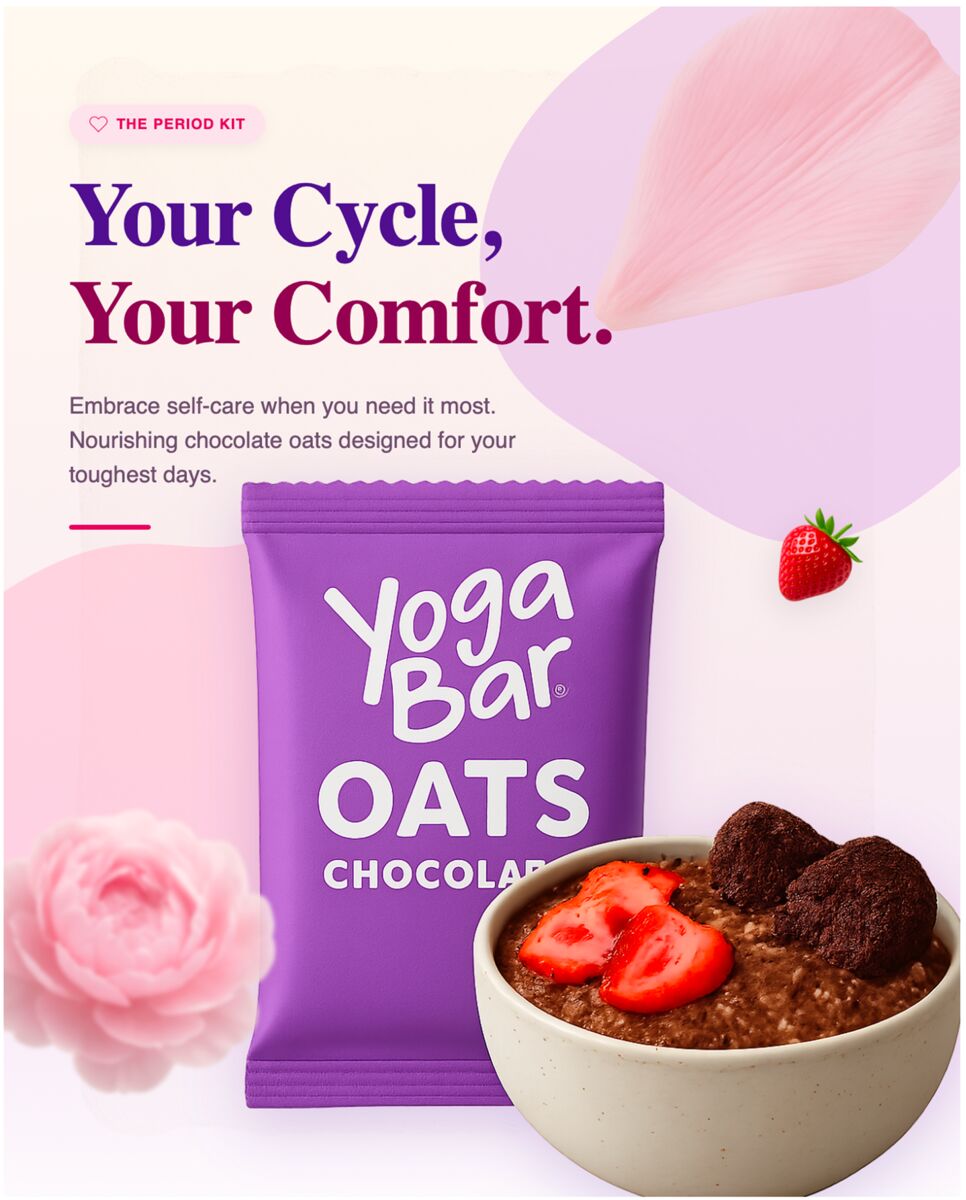
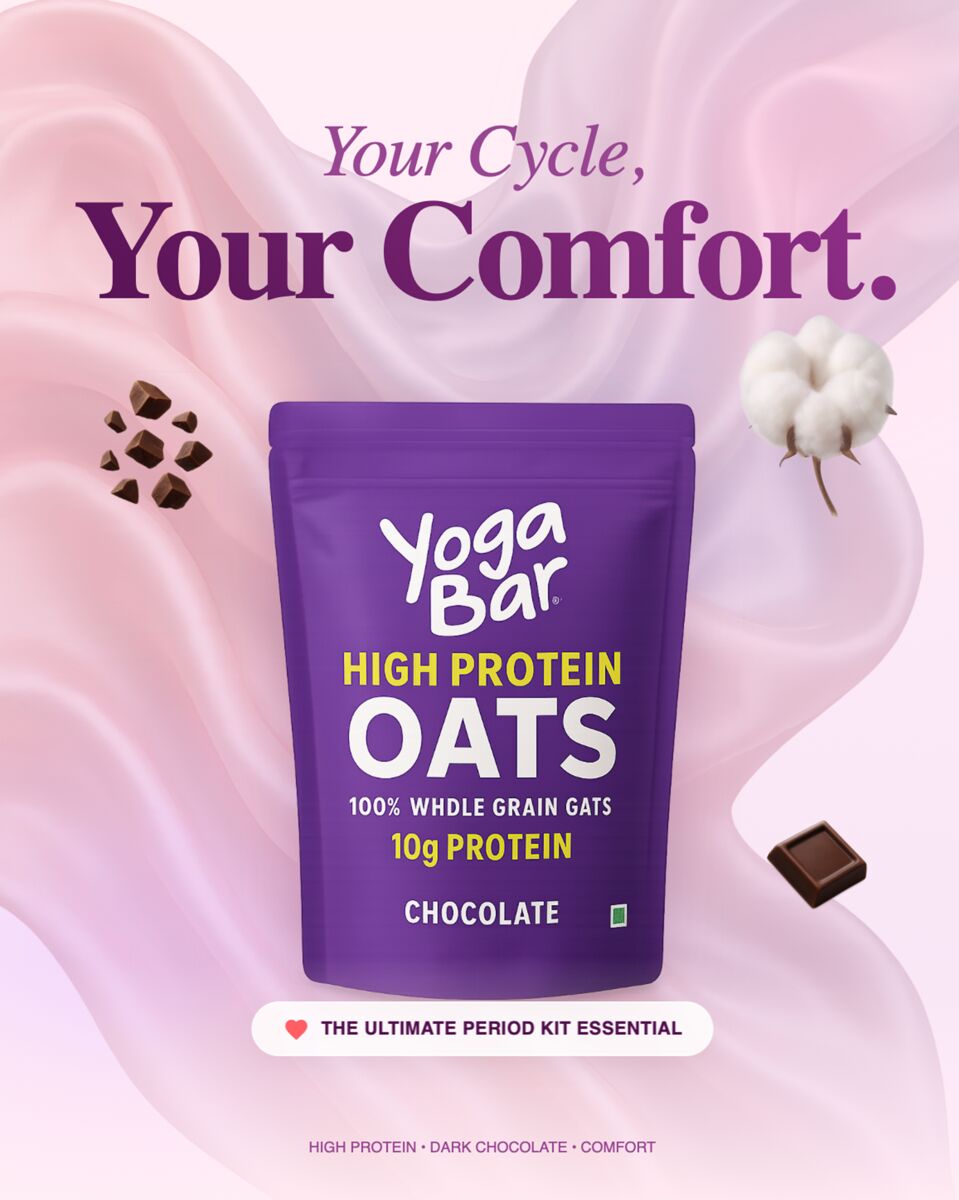
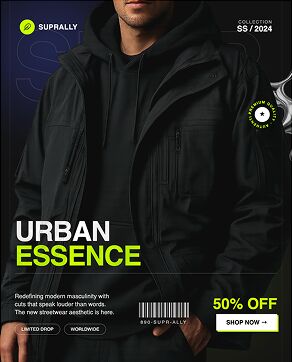
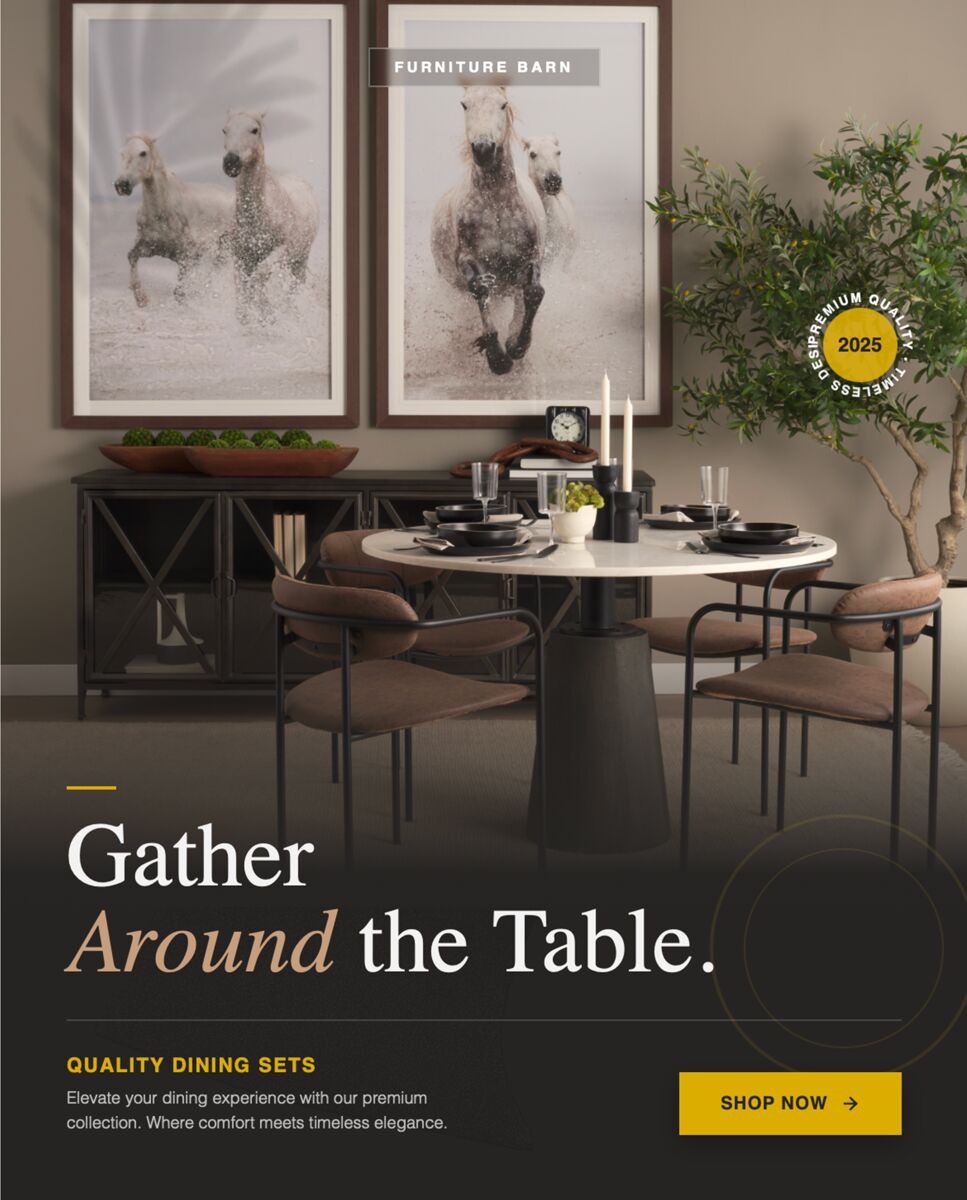
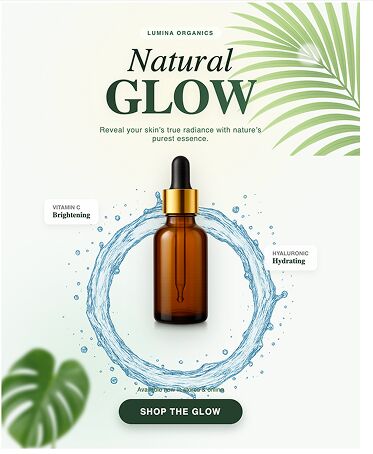
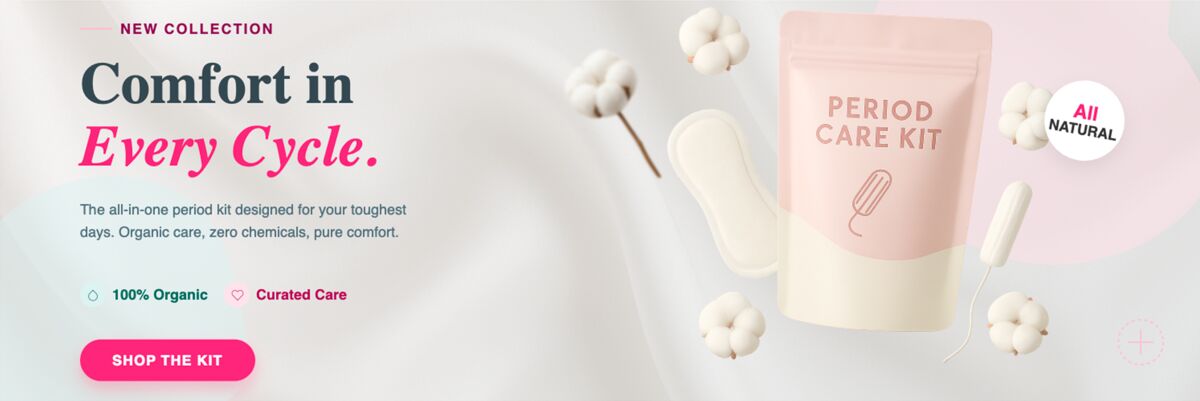
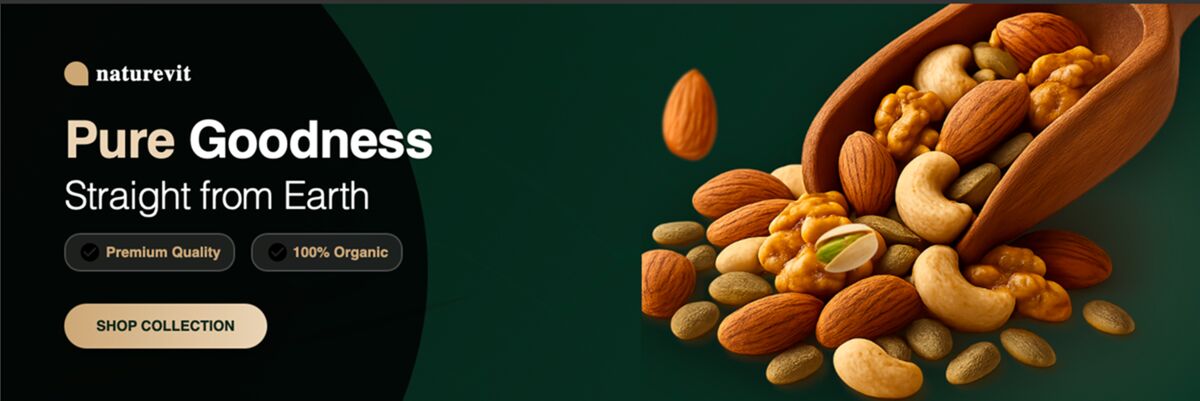
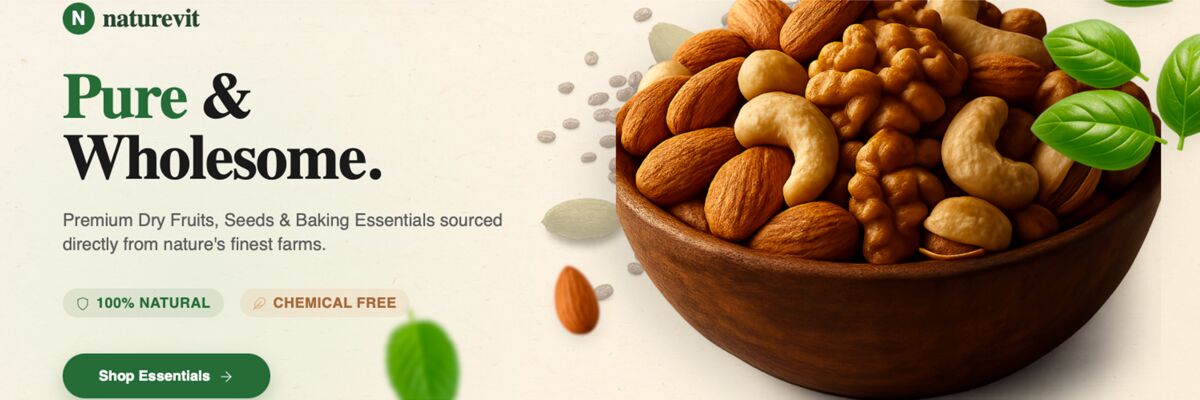

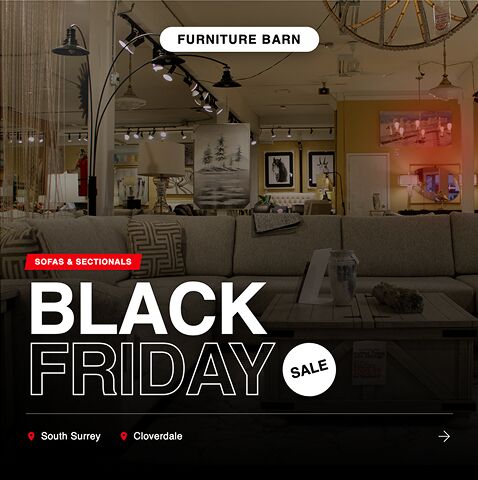
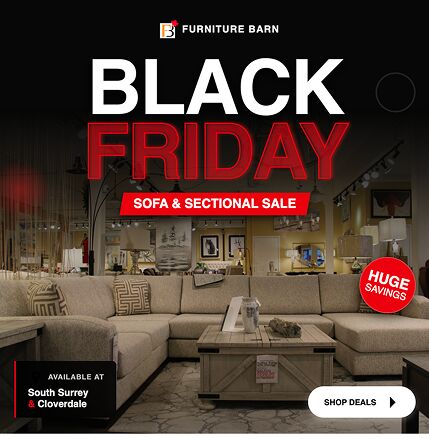
Ready to create your first design?
Join thousands creating professional designs in seconds.
Create with DesignLumo
Related Resources
Shopify Label & Packaging Design Toolkit
Essential Shopify tools for creating high‑impact label, packaging and store visuals.
Print Materials Design Guide for Labels & Packaging
Step‑by‑step tactics to create high‑impact flyers, brochures, menus, and print‑ready packaging.
Email Header Design Blueprint for Product Brands
Step-by-step tactics to craft high‑impact email hero images for packaging brands.
Instagram Tools Every Packaging Brand Needs
Essential Instagram tools and workflows for label and packaging designers.
Small Business Saturday Packaging Playbook
Actionable label & packaging tactics for Small Business Saturday local campaigns.
Twitter/X Tools for Label & Packaging Brands
Tactical toolkit to boost X graphics, threads, and quote cards for packaging marketers.