Social Media Post Design Blueprint for Email Marketers
Email marketers need eye‑catching hero images that translate into social posts for cross‑channel promotion. This guide cracks the bottleneck by turning plain text prompts into fully editable, platform‑specific graphics. Follow the exact steps, tools,…


1. AI Prompt Engineering & Brand‑First Ideation
AI Prompt Blueprint for Platform‑Specific Posts

Start by writing a 2‑sentence brief that includes brand voice, target emotion, and platform dimensions (e.g., "Bold, 1080×1080 Instagram carousel highlighting Spring Sale, using Lumo's brand colors #0047AB and #FF6F61"). Feed this into DesignLumo (https://www.designlumo.com) to generate a fully layered PSD in under 10 seconds. Export the JSON prompt for Midjourney if you need concept variations, then re‑import the best output back into Lumo for editable text layers. Track prompt success by measuring click‑through rate (CTR) uplift of at least 12 % versus manual designs.
Dynamic Brand Kit Sync Across Tools
Upload your brand palette, typography, and logo library into DesignLumo's Brand Kit. Sync the same kit with Canva (https://www.canva.com) and Adobe Express to ensure any exported asset inherits exact color codes and font weights. Use Lumo’s API to pull the kit into a shared Google Sheet, enabling designers and copywriters to reference brand tokens instantly. Measure brand consistency by running a weekly audit in Brandwatch; aim for a 0 % deviation score across all platforms.
Layered Concept Generation with Midjourney + Lumo
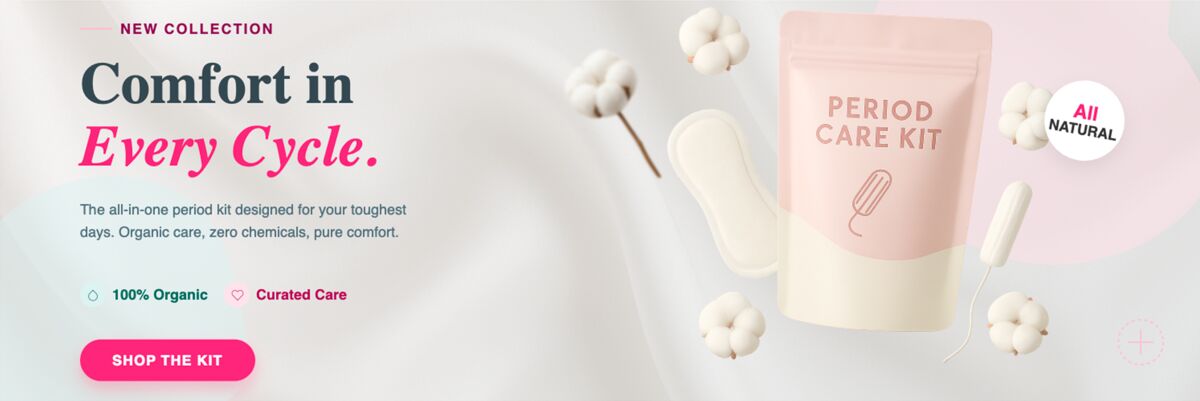
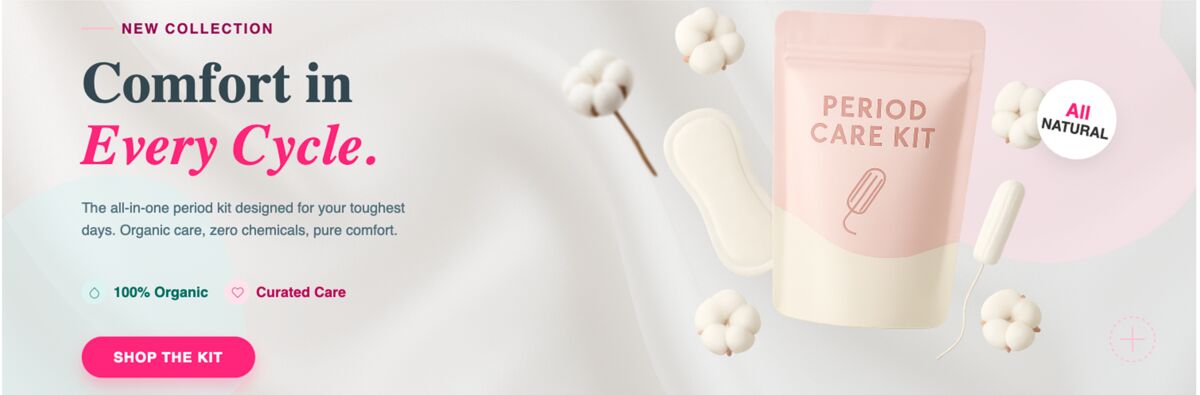
Leverage Midjourney to brainstorm visual concepts: prompt "minimalist e‑commerce hero, pastel palette, product floating" and generate four variations. Download the PNGs, then upload each to DesignLumo, selecting "Convert to Layers". Lumo will isolate background, product, and text placeholders, giving you a PSD ready for copy swaps. This hybrid workflow cuts concept-to‑ready time from 2‑3 hours to under 15 minutes. Track time saved and compare A/B test results; expect a 1.5× lift in engagement on the faster‑produced assets.
2. Automated Size Variants & Export Pipelines
Batch Resizer with Lumo’s Smart Export
After finalizing a master design in DesignLumo, use the "Export Variants" feature to auto‑generate all required sizes: Instagram post (1080×1080), Stories (1080×1920), LinkedIn (1200×627), and Facebook ad (1200×628). Enable the "Preserve Layers" toggle so each export remains fully editable for last‑minute copy tweaks. Exported files drop into a shared Dropbox folder, ready for scheduling. Benchmark export speed; Lumo delivers all six assets in under 8 seconds versus 3‑5 minutes with manual resizing.
Zapier Automation to Push Assets to Buffer
Create a Zapier workflow: trigger on new file in the Dropbox export folder, then automatically upload the image to Buffer (https://buffer.com) with pre‑filled captions pulled from a Google Sheet. Include UTM parameters (utm_source=social&utm_medium=buffer&utm_campaign=spring) for attribution. Test the flow with a single asset before scaling. This automation reduces manual posting time by 80 % and ensures UTM consistency, which improves source‑level conversion tracking in Google Analytics.
Google Sheets KPI Tracker for Visual A/B Tests

Set up a Google Sheet with columns: Asset ID, Platform, Variant (A/B), Open Rate, Click‑Through Rate, Revenue per Open. Use Litmus (https://litmus.com) to embed each visual variant into test emails, then pull performance data via Zapier into the sheet nightly. Apply conditional formatting to highlight variants that exceed a 10 % CTR lift. This data‑driven loop lets you retire underperforming designs within 48 hours, sharpening overall campaign ROI.
3. Visual A/B Testing & Data‑Driven Iteration
Litmus Visual Test Integration for Social Assets
Upload two Lumo‑generated hero variations into Litmus’s Visual Testing module. Send each variant to a 10 % split of your email list while simultaneously publishing the same images on Instagram Stories using Buffer’s A/B split feature. Compare open rates (email) and swipe‑up rates (Stories) after 24 hours. Aim for a minimum 8 % lift on either metric before rolling out the winning visual across all channels. Document results in your KPI tracker for quarterly reporting.
Heatmap Overlay with Hotjar for Social Click Zones
Add Hotjar (https://www.hotjar.com) tracking to the landing page linked from your social posts. After publishing a Lumo‑designed banner, monitor click heatmaps for 7 days. Identify dead zones (≤1 % clicks) and adjust the focal point in the next Lumo iteration using the same layered file. Iterate until the primary CTA region captures at least 15 % of total clicks. This precise visual optimization can boost conversion rates by 2‑4 % per campaign.
Conversion Modeling with Google Optimize

Configure a Google Optimize (https://optimize.google.com) experiment that swaps the email hero image and the matching social banner simultaneously. Use the same Lumo design ID for both variants to keep messaging consistent. Track the primary conversion event (e.g., purchase) and calculate the lift using Bayesian statistics. A successful lift of ≥5 % justifies scaling the winning design across all future newsletters and social calendars. Archive the winning asset in DesignLumo’s library for reuse.
Before you go
- Save every Lumo master file in a version‑controlled folder; you can revert to any iteration instantly.
- Leverage Lumo’s AI color contrast checker to meet WCAG AA standards before publishing to avoid accessibility penalties.
- Batch‑schedule your social posts right after the email send to capitalize on the “fresh‑in‑inbox” momentum and boost cross‑channel CTR.





Ready to create your first design?
Join thousands creating professional designs in seconds.
Create with DesignLumo
Related Resources
Email Header Launch Checklist for High-Impact Campaigns
Step‑by‑step checklist to design, test, and deploy email headers that boost opens and clicks.
Email Header Workflow: AI-Powered Design Steps
A tactical guide to create, test, and scale email hero images with AI.
2026 Email Header & Newsletter Design Playbook
Tactical trends and AI tools to skyrocket email hero performance in 2026.
Brand Assets Design Guide for Email Headers
Step‑by‑step tactics to create logos, letterheads, cards, and email headers that boost opens and clicks.
Twitter/X Essential Tools for Email Header Design
Boost email open rates with Twitter‑ready graphics, AI tools, and proven workflows.
Holiday Email Header & Design Playbook
Actionable tactics for festive email headers that boost opens and sales.