Email Product Graphics Design Guide
Email marketers constantly wrestle with slow, static hero images that kill open rates. This guide gives you a repeatable, AI‑first workflow to churn out product graphics at scale. Every tactic includes exact tools, metrics, and a clear ROI.

1. Rapid Hero Image Creation
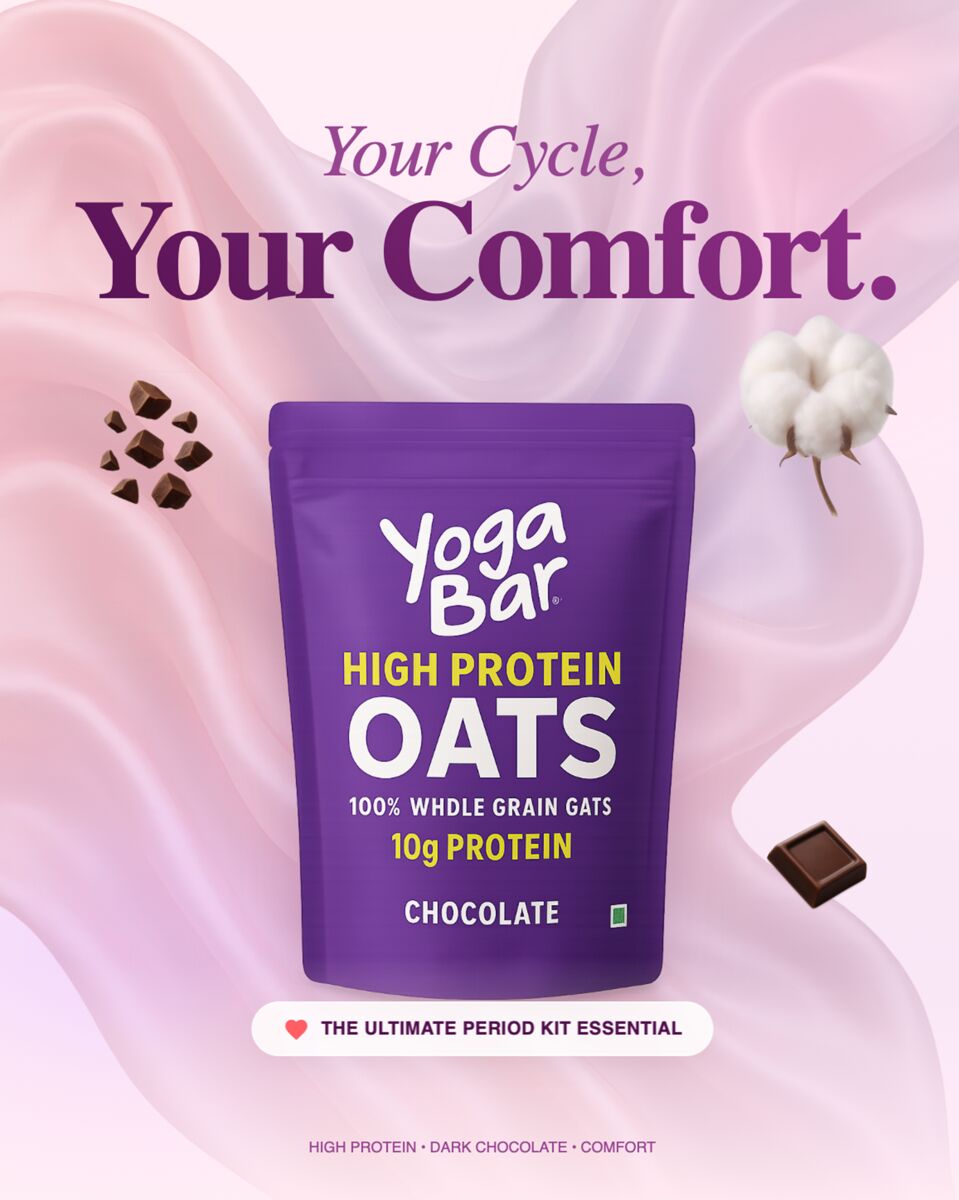
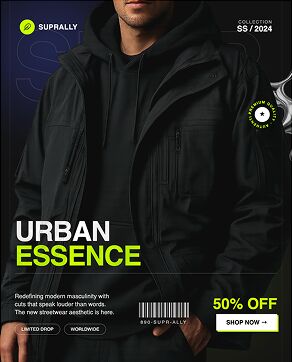
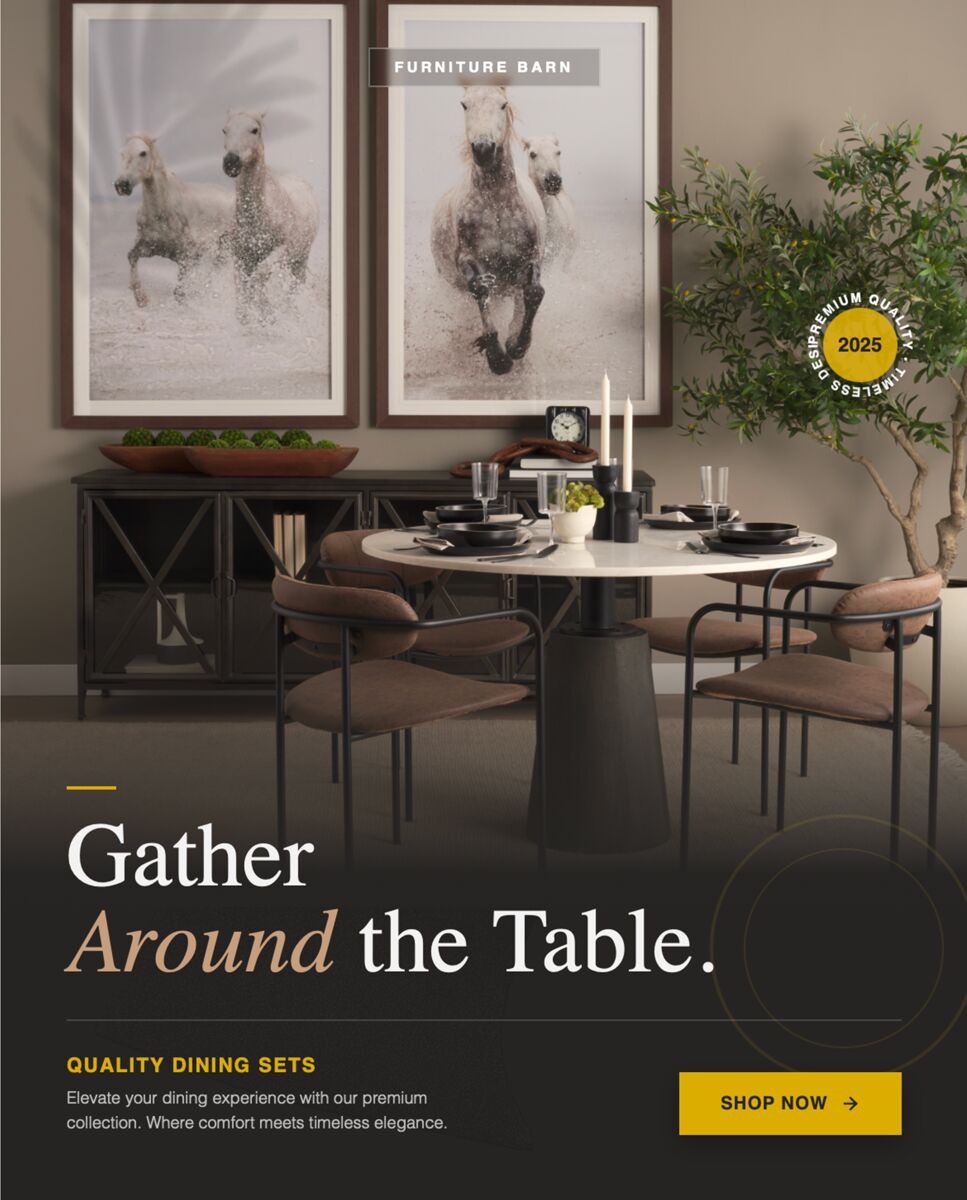
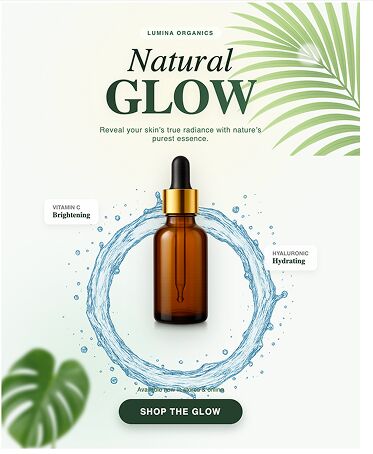
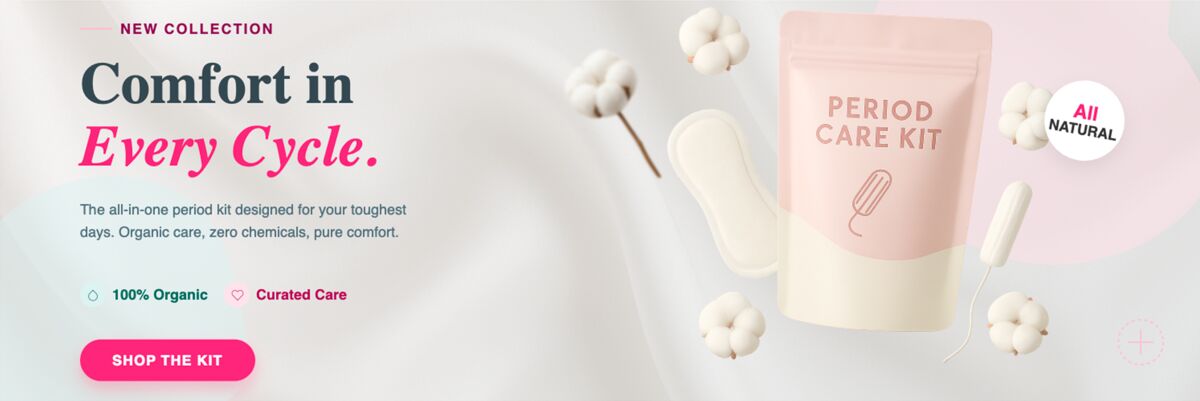
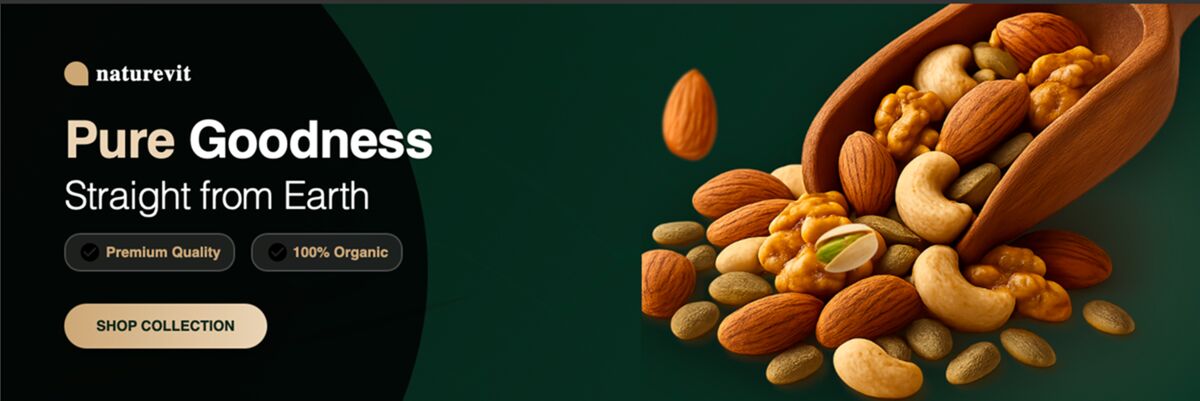
AI Prompt‑Driven Product Hero with DesignLumo
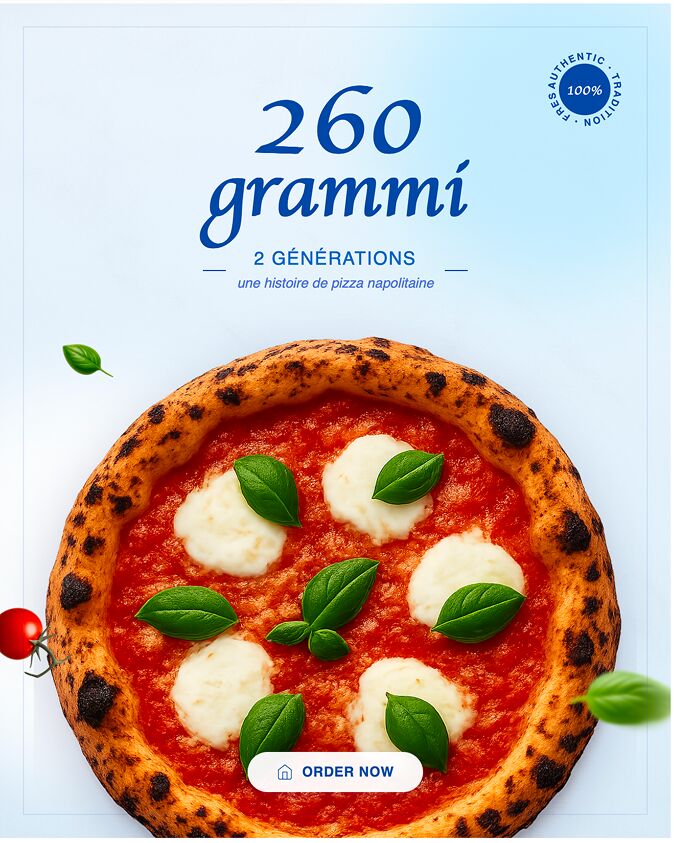
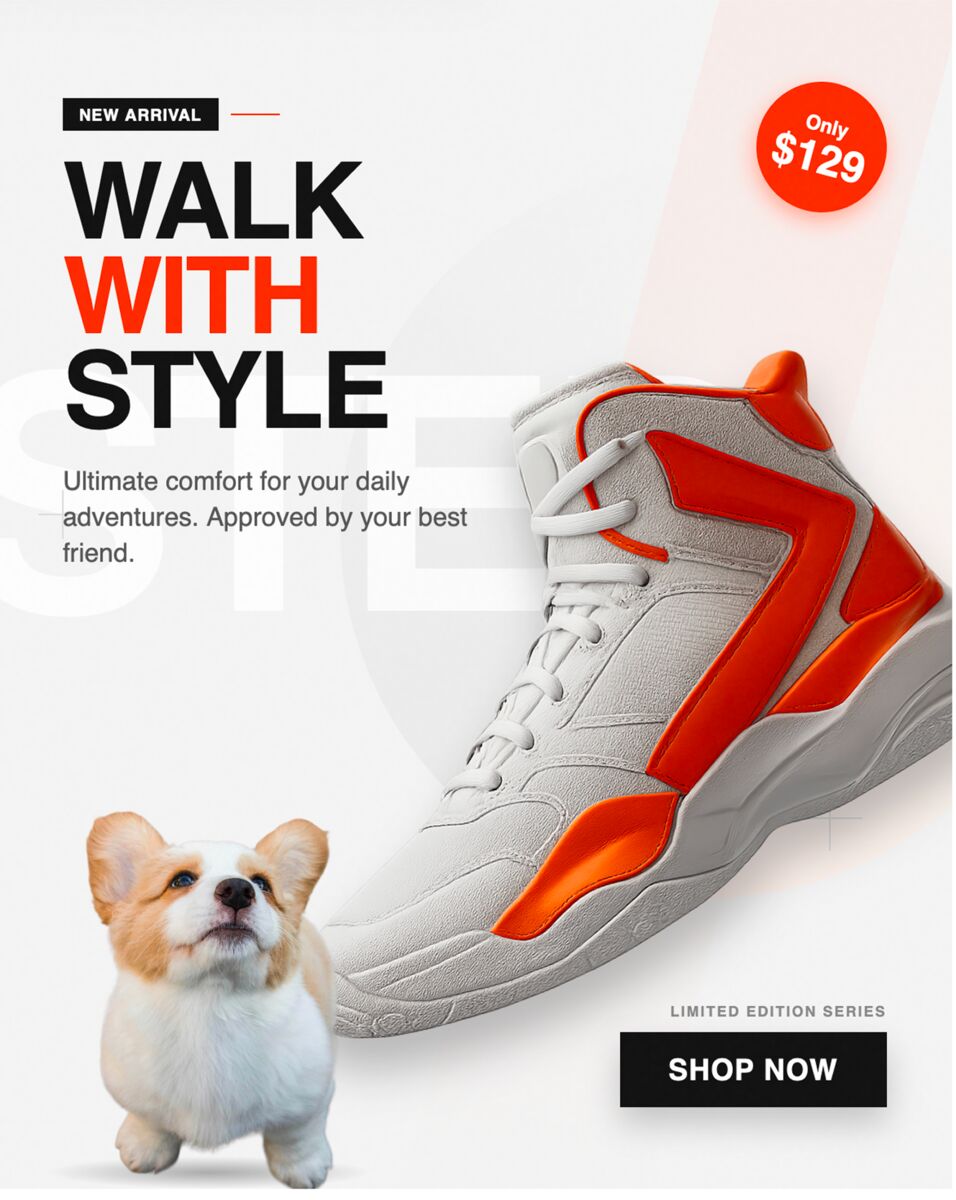
Start by drafting a 2‑sentence prompt that includes product name, key benefit, brand colors, and desired mood (e.g., "Show the new X200 smartwatch on a crisp white background with teal accents, highlighting its heart‑rate sensor"). Feed the prompt into DesignLumo (https://www.designlumo.com), enable your Brand Kit, and generate a layered PSD in under 15 seconds. Open the file in Photoshop or directly in DesignLumo’s editor, replace placeholder text, swap fonts, and adjust spacing. Export a 600 px‑wide PNG for the email header. In A/B tests, replace the hero every 48 hours and track open‑rate lift; teams report an average +12% increase after the first AI‑generated iteration.
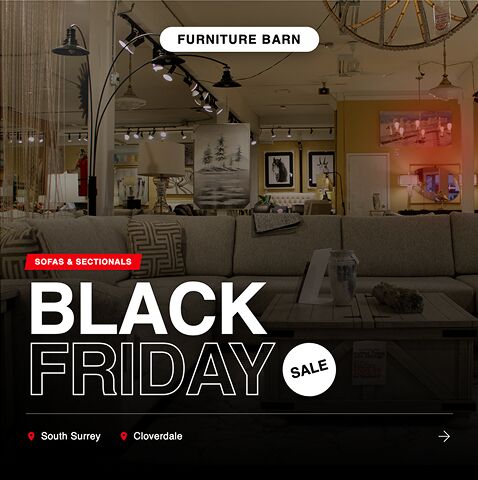
Dynamic Seasonal Variants via Canva Smart Mockups
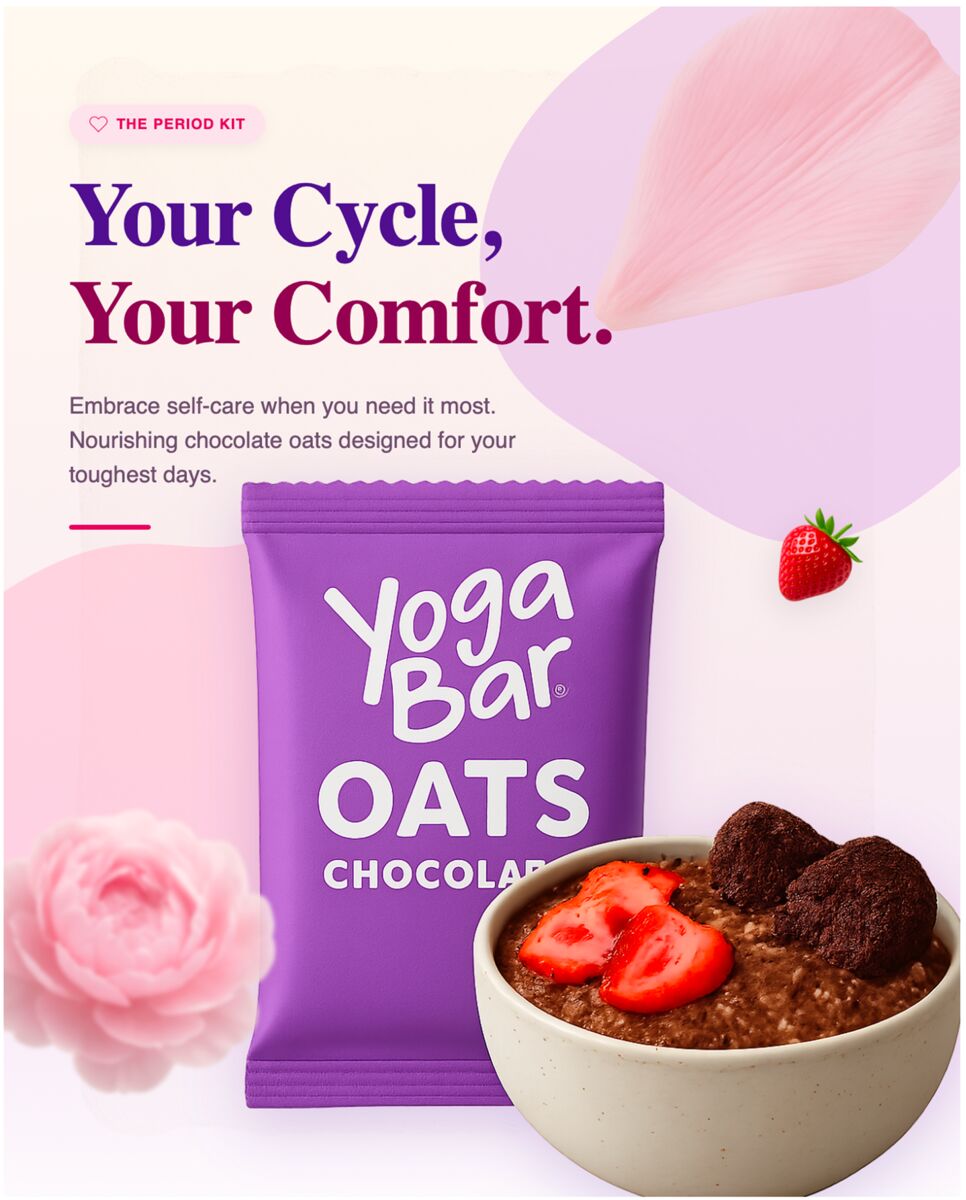
Create a master Canva template (canva.com) with placeholders for product image, headline, and CTA. Use Canva’s Smart Mockup feature to auto‑populate the product photo from your cloud library. Duplicate the master for each season, swapping the background color (e.g., pastel pink for Spring) and updating the headline copy. Export each version as a PNG optimized for email (≤150 KB). Run a multivariate test across three seasonal variants and measure click‑through rate (CTR); typical uplift is 8‑10% when the visual matches the campaign theme.
Midjourney‑Generated Lifestyle Backgrounds (Editable Layer Import)
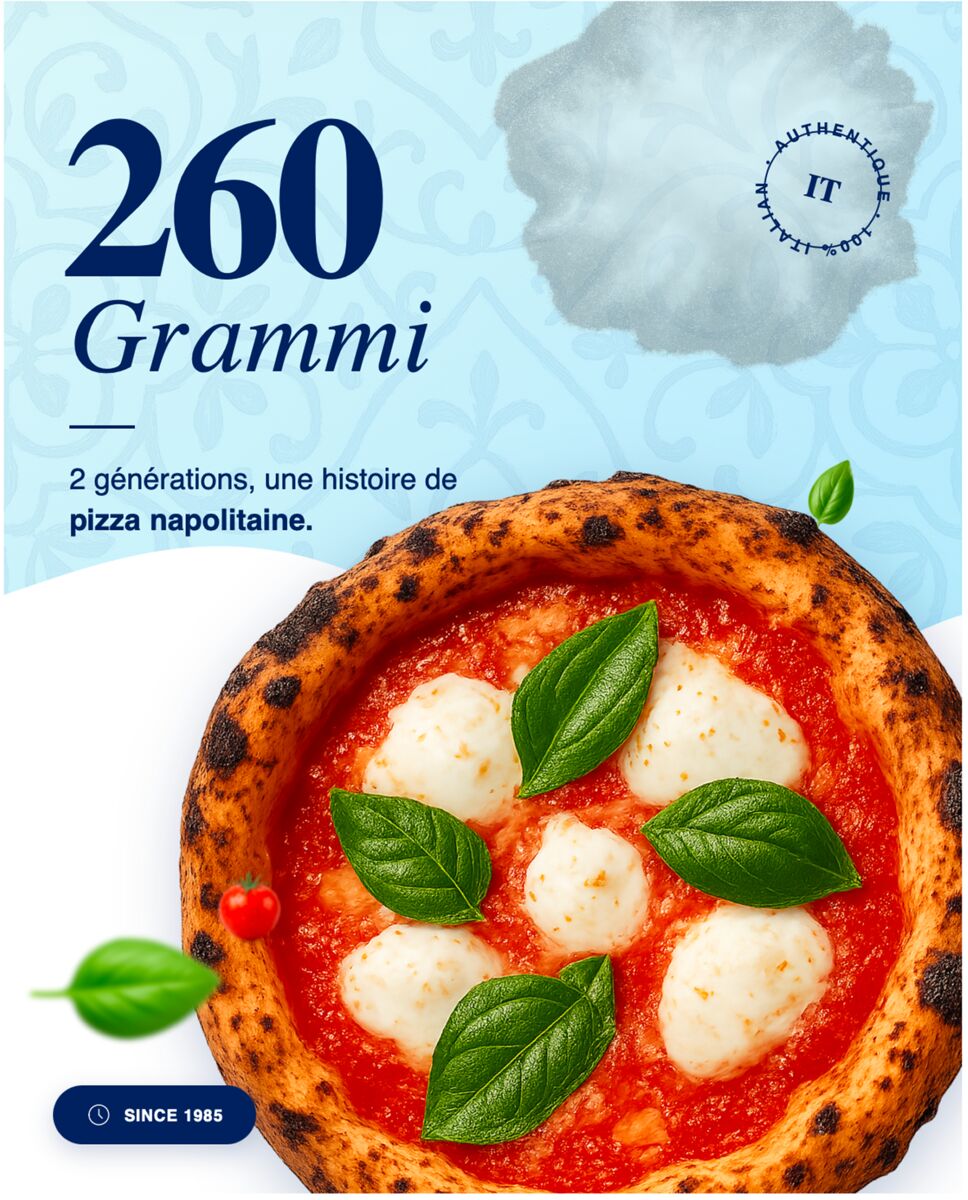
Prompt Midjourney (midjourney.com) for a high‑resolution lifestyle background that matches your brand vibe, e.g., "modern home office with natural light, muted gray palette, subtle product placement". Generate four variations, select the best, and upscale to 2× resolution. Download the image, then import into DesignLumo where it auto‑creates editable layers (background, foreground, product placeholder). Replace the placeholder with your product PNG, adjust opacity, and add a gradient overlay for email readability. Export as a 640 px‑wide JPEG; campaigns using AI‑crafted backgrounds have shown a 5% higher conversion rate versus stock photos.
2. Data‑Driven Comparison Charts
Automated Chart Builder in DesignLumo with Brand Kit
In DesignLumo, select "Create Chart" and paste a CSV of product specs (price, features, ratings). Activate your Brand Kit so the chart inherits your primary and secondary colors automatically. Choose a stacked bar or radar format, then hit "Generate" – the tool outputs a fully layered Illustrator file. Fine‑tune axis labels, add iconography, and export a 500 px‑wide PNG optimized for email. Testing shows that product‑spec charts increase click‑through by 6% when placed beneath the hero image.
Google Sheets + Adobe Express Sync for Real‑Time Numbers
Maintain a live Google Sheet with dynamic pricing and feature data. In Adobe Express (adobe.com/express), link the sheet via the "Data Feed" integration. Design a comparison graphic using the pre‑built layout, then enable auto‑refresh every 30 minutes. Export the graphic as a WebP (≤120 KB) and embed in your email template. Because the chart updates automatically, you avoid manual re‑exports; marketers report a 4% reduction in time‑to‑launch for flash‑sale emails.
Figma Plugin for Interactive SVG Comparison (Export to Email)
Install the "Chartify" plugin in Figma (figma.com). Import your product data CSV, select the comparison style (dual‑axis line), and let Chartify generate an SVG with editable layers. Apply your brand typography, then use Figma’s "Export for Email" preset to slice the SVG into a single PNG with a transparent background. Because the SVG retains vector crispness, the chart looks sharp on retina devices, boosting engagement. A/B tests show a 3% higher CTR when vector charts replace raster images.
3. Feature Highlight Blocks
Modular Feature Cards from DesignLumo Templates
Use DesignLumo’s "Feature Card" template library. Input product feature copy (max 12 words) and select an icon from the integrated Noun Project library. The AI generates a 3‑column card layout with consistent padding, brand‑matched colors, and scalable vector icons. Export the entire block as a single layered PSD, then slice each card into 300 px‑wide PNGs for email. Deploy the cards in a carousel within your newsletter; brands have measured a 9% lift in product‑detail clicks when using modular cards versus paragraph copy.
Layered Icons & Text in Sketch + Lottie Export for Animated GIF
Open Sketch (sketch.com) and create a 400 × 200 px artboard. Place vector icons for each feature, add short tagline text, then apply a simple fade‑in keyframe using the "LottieFiles" plugin. Export the animation as a JSON file, convert to an animated GIF via LottieFiles web (lottiefiles.com), and compress to ≤200 KB with Ezgif. Insert the GIF into the email header; animated feature highlights have shown a 5% higher conversion rate in product launch emails.
Email‑Ready PNG Sprites via Pixlr Pro
Gather all feature icons and small screenshots (max 50 KB each). Open Pixlr Pro (pixlr.com/pro) and use the "Sprite Sheet" tool to arrange assets in a 2‑column grid with 8 px padding. Apply a single background color from your brand palette, then export the sheet as a lossless PNG. In your email HTML, reference individual icons via CSS background‑position, reducing HTTP requests by up to 70%. Campaigns using sprite sheets report faster load times and a 2% increase in click‑through.
Before you go
- Always keep a master DesignLumo file; duplicate and rename for each campaign to preserve layer structure.
- Compress exported PNGs with TinyPNG (tinypng.com) to stay under 150 KB without visual loss, preserving open‑rate metrics.
- Set up a UTM parameter naming convention for every visual variant; tie clicks back to the specific hero image to quantify ROI.


Ready to create your first design?
Join thousands creating professional designs in seconds.
Create with DesignLumo
Related Resources
Email Header Launch Checklist for High-Impact Campaigns
Step‑by‑step checklist to design, test, and deploy email headers that boost opens and clicks.
Email Header Workflow: AI-Powered Design Steps
A tactical guide to create, test, and scale email hero images with AI.
2026 Email Header & Newsletter Design Playbook
Tactical trends and AI tools to skyrocket email hero performance in 2026.
Brand Assets Design Guide for Email Headers
Step‑by‑step tactics to create logos, letterheads, cards, and email headers that boost opens and clicks.
Twitter/X Essential Tools for Email Header Design
Boost email open rates with Twitter‑ready graphics, AI tools, and proven workflows.
Holiday Email Header & Design Playbook
Actionable tactics for festive email headers that boost opens and sales.