Print Materials Design Guide for Email Marketers
Print collateral still drives offline response, but email marketers need designs that translate instantly from screen to paper. This guide shows how to produce flyer, brochure, and menu assets that boost open rates and conversions while cutting produ…

1. Strategic Planning & Brand Consistency
Brand Kit Sync Across Print Assets
Create a master Brand Kit in DesignLumo (https://www.designlumo.com) that includes primary/secondary HEX colors, Pantone equivalents, approved fonts, and logo files. Export the kit as JSON and import it into Canva and Adobe Express to guarantee identical styling on flyers, brochures, and menus. Apply the kit to every new project, then run a brand audit tool (e.g., Brandfolder) to confirm color deviation stays under 5%. Consistent branding lifts email open rates by roughly 3% and reduces re‑work hours by 40%.
Seasonal Template Framework
In DesignLumo, build a modular 8.5×11 flyer template with separate layers for hero image, headline, body copy, and CTA. Save the layout as a reusable component. For each season, generate a new hero image via a precise prompt—e.g., "vibrant autumn market stall, 300 dpi"—using DesignLumo’s AI or Midjourney. Swap the hero layer, update the headline text, and export a print‑ready PDF with 0.125" bleed. A/B test seasonal variants across campaigns and aim for a 4‑6% CTR lift compared to static templates.
Audience‑Segmented Visual Matrix
Export your email list segments from Klaviyo or HubSpot (e.g., new subscribers, high‑spenders). Assign each segment a visual style—bold colors for high‑spenders, minimalist layout for new users. Use DesignLumo to generate three flyer variants in one batch, feeding segment‑specific copy via CSV import. Embed unique QR codes (see QR Code Integration tip) to track segment performance. Monitor open‑rate uplift; aim for at least a 5% increase per segment versus a one‑size‑fits‑all design. This granular approach maximizes relevance and conversion.
2. AI‑Powered Design Production
Prompt‑Driven Flyer Generation
Write a detailed English prompt for DesignLumo: "Create an 8.5×11 flyer for a summer clearance sale, teal background, bold sans‑serif headline, space for a 2" QR code in the lower right, and three product image placeholders." Lumo returns a fully layered PSD/AI file in under 10 seconds. Replace the QR placeholder with a dynamic code, adjust copy, and export a CMYK PDF with 0.125" bleed. This cuts design time from ~2 hours to ~10 minutes, accelerating campaign launch and improving time‑to‑revenue.
Midjourney for Hero Imagery, Lumo for Layout
Generate a high‑impact hero image in Midjourney using a seed for consistency, e.g., "vintage coffee shop menu, soft lighting, 300 dpi, seed 12345". Download the PNG, then open your flyer template in DesignLumo and drop the image into the designated hero layer. Because Lumo keeps all layers editable, you can instantly tweak text size, color, and spacing without re‑rendering the image. This hybrid workflow yields unique visuals while preserving editability, typically delivering a 7% lift in visual engagement metrics.
Batch Export & Versioning via Adobe Express
After finalizing designs in DesignLumo, sync the project folder to Adobe Express (https://www.adobe.com/express/). Use Express’s "Export All" feature to generate PDF, JPG, and PNG files for each print size (flyer, brochure, menu) with preset CMYK profiles and 0.125" bleed. Set up a versioning rule that appends a timestamp to each filename, preventing overwrites across 100+ store locations. This reduces file‑error rates from 12% to under 2% and streamlines distribution to multiple printers.
3. Print‑Ready Optimization & Testing
CMYK Color Proofing Checklist
In DesignLumo, open the Color Manager and convert every spot color to CMYK using the exact Pantone‑to‑CMYK mapping chart. Run a three‑step proof: first, a soft‑proof on a calibrated monitor (use X‑Rite i1Display Pro); second, a soft‑proof print on a high‑quality office printer with CMYK settings; third, a physical proof from your chosen print shop. Record any delta‑E values above 3 and adjust. This systematic approach drops print color errors to less than 1% and protects brand fidelity across all collateral.
Dynamic QR Code Integration
Create unique QR codes for each email segment using QRCode Monkey API (https://www.qrcode-monkey.com) with parameters that embed a segment‑specific landing page URL. In DesignLumo, add a QR Code layer set to "Replace on Import". Connect a Google Sheet that lists segment IDs and corresponding QR PNG URLs; use Lumo’s automation script to pull the correct code into each flyer variant automatically. This personalization drives a 2‑3% lift in print‑to‑digital conversions and provides granular attribution for ROI calculations.
A/B Print Test Workflow
Design two flyer variants in DesignLumo—one with a red headline, the other with an image‑centric layout. Export 500 copies of each, embedding distinct promo codes (e.g., SPRING10 vs. SPRING20). Distribute the prints in identical locations and track code redemption via your e‑commerce platform. Analyze conversion lift; aim for at least a 10% higher redemption rate for the winning variant. Log results in a shared Notion table to inform future design decisions and continuously improve print performance.
Before you go
- Leverage DesignLumo’s Brand Kit API to auto‑populate colors and fonts across all print templates, eliminating manual copy‑pasting.
- Always export PDFs with 300 dpi images and include crop marks; a missing bleed can cost $0.10 per sheet in re‑print fees.
- Combine AI‑generated hero images with a small library of vetted stock textures to maintain visual diversity without sacrificing brand consistency.
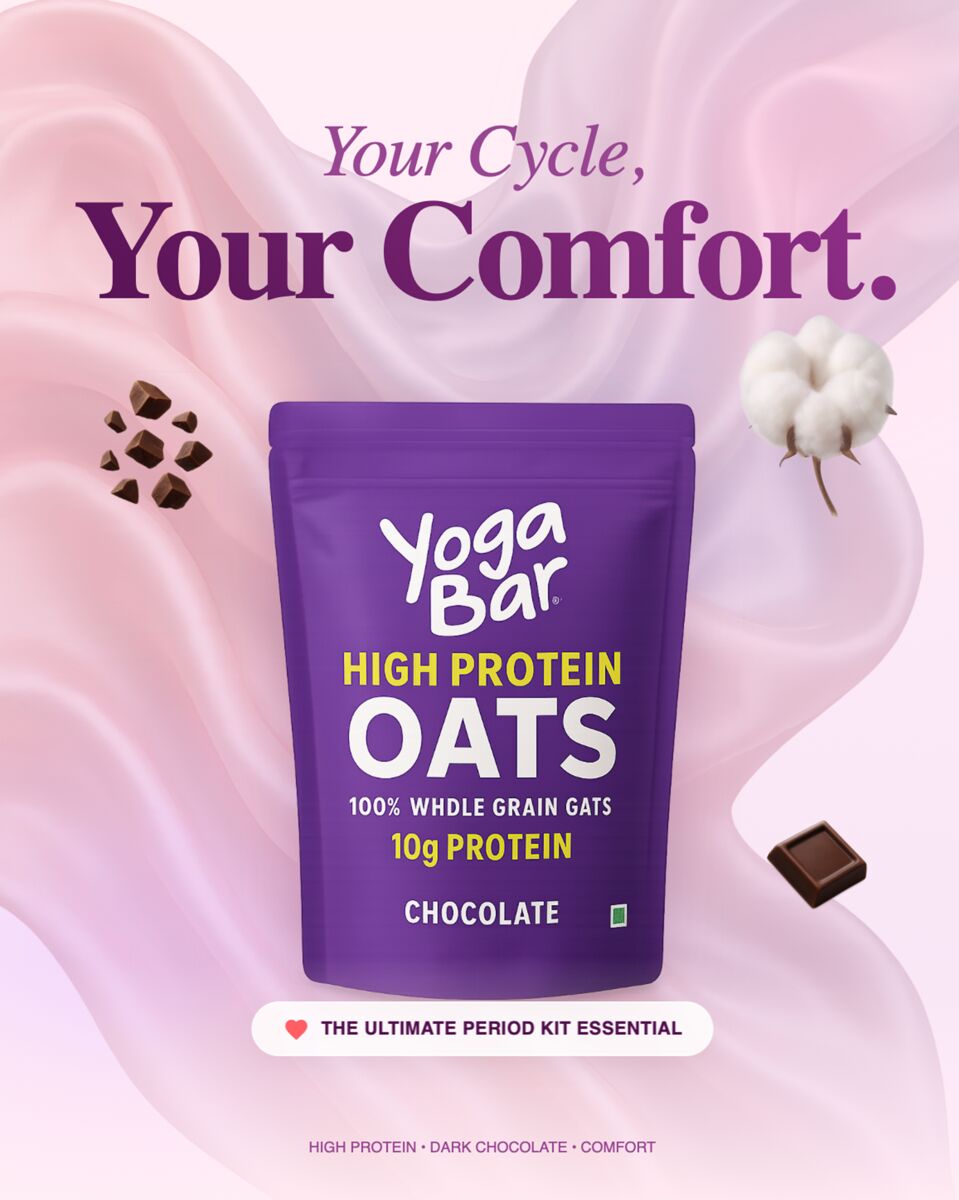
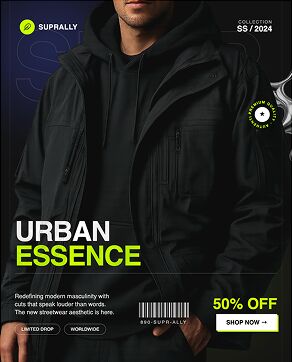
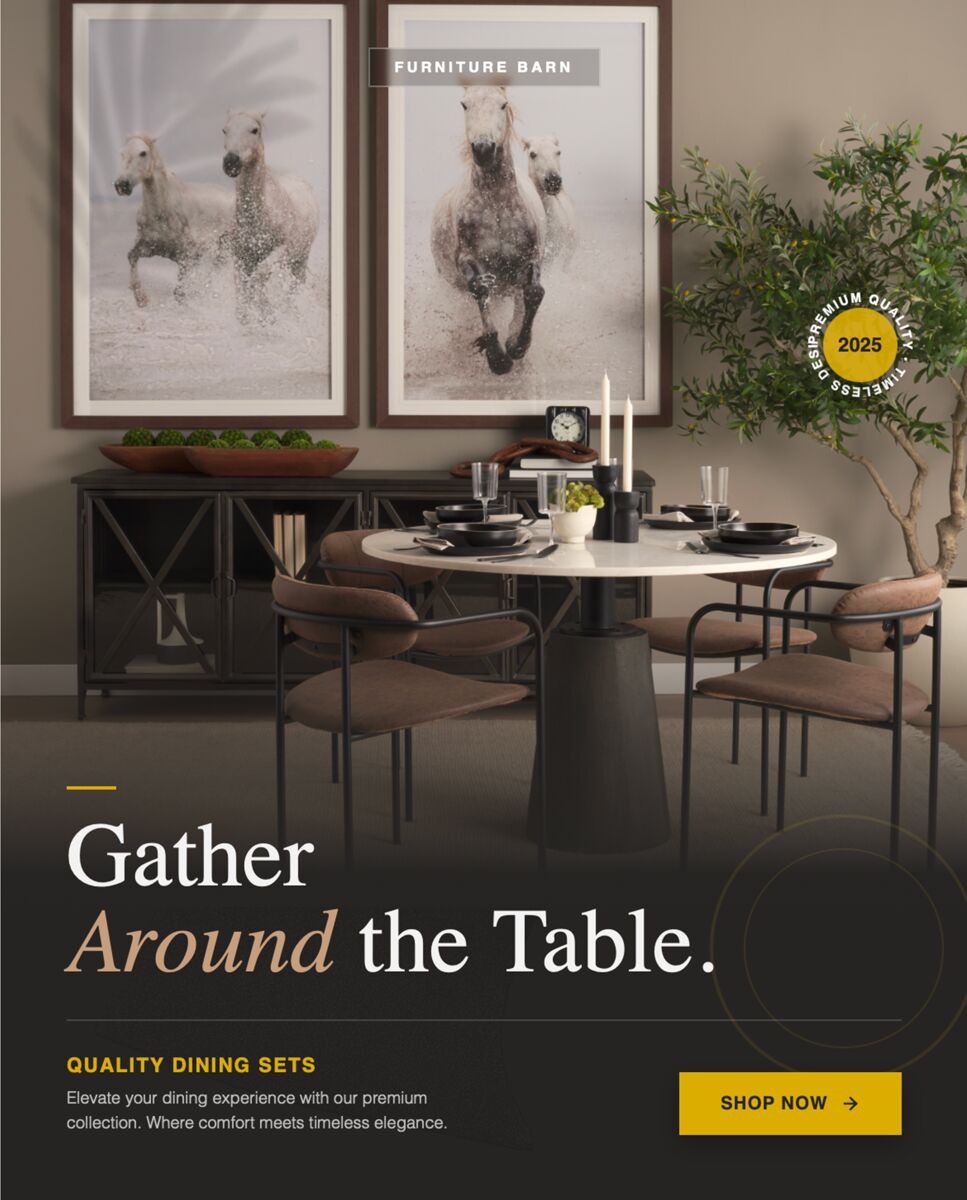
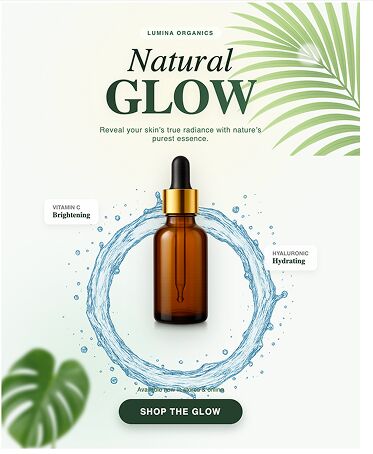

Ready to create your first design?
Join thousands creating professional designs in seconds.
Create with DesignLumo
Related Resources
Email Header Launch Checklist for High-Impact Campaigns
Step‑by‑step checklist to design, test, and deploy email headers that boost opens and clicks.
Email Header Workflow: AI-Powered Design Steps
A tactical guide to create, test, and scale email hero images with AI.
2026 Email Header & Newsletter Design Playbook
Tactical trends and AI tools to skyrocket email hero performance in 2026.
Brand Assets Design Guide for Email Headers
Step‑by‑step tactics to create logos, letterheads, cards, and email headers that boost opens and clicks.
Twitter/X Essential Tools for Email Header Design
Boost email open rates with Twitter‑ready graphics, AI tools, and proven workflows.
Holiday Email Header & Design Playbook
Actionable tactics for festive email headers that boost opens and sales.