Pinterest Tools Every Indie Author Needs
Indie authors rely on eye‑catching Pinterest pins to drive book sales. With limited budgets, you need fast, repeatable design and data‑driven tweaks. This guide maps the exact tools and workflows that turn a plain cover into a high‑performing pin.

1. AI-Powered Pin Design Platforms
DesignLumo Pinterest Pin Generator
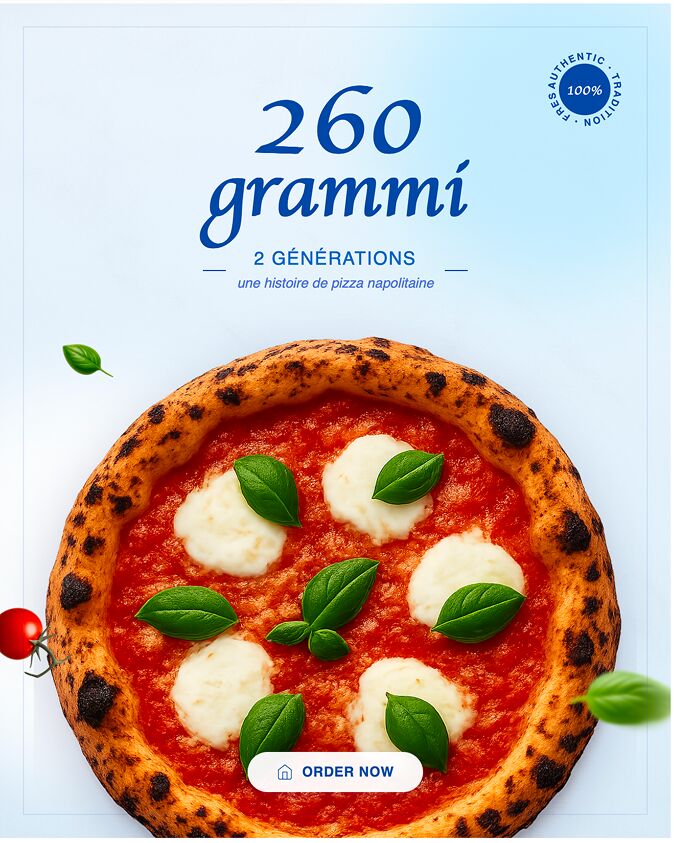
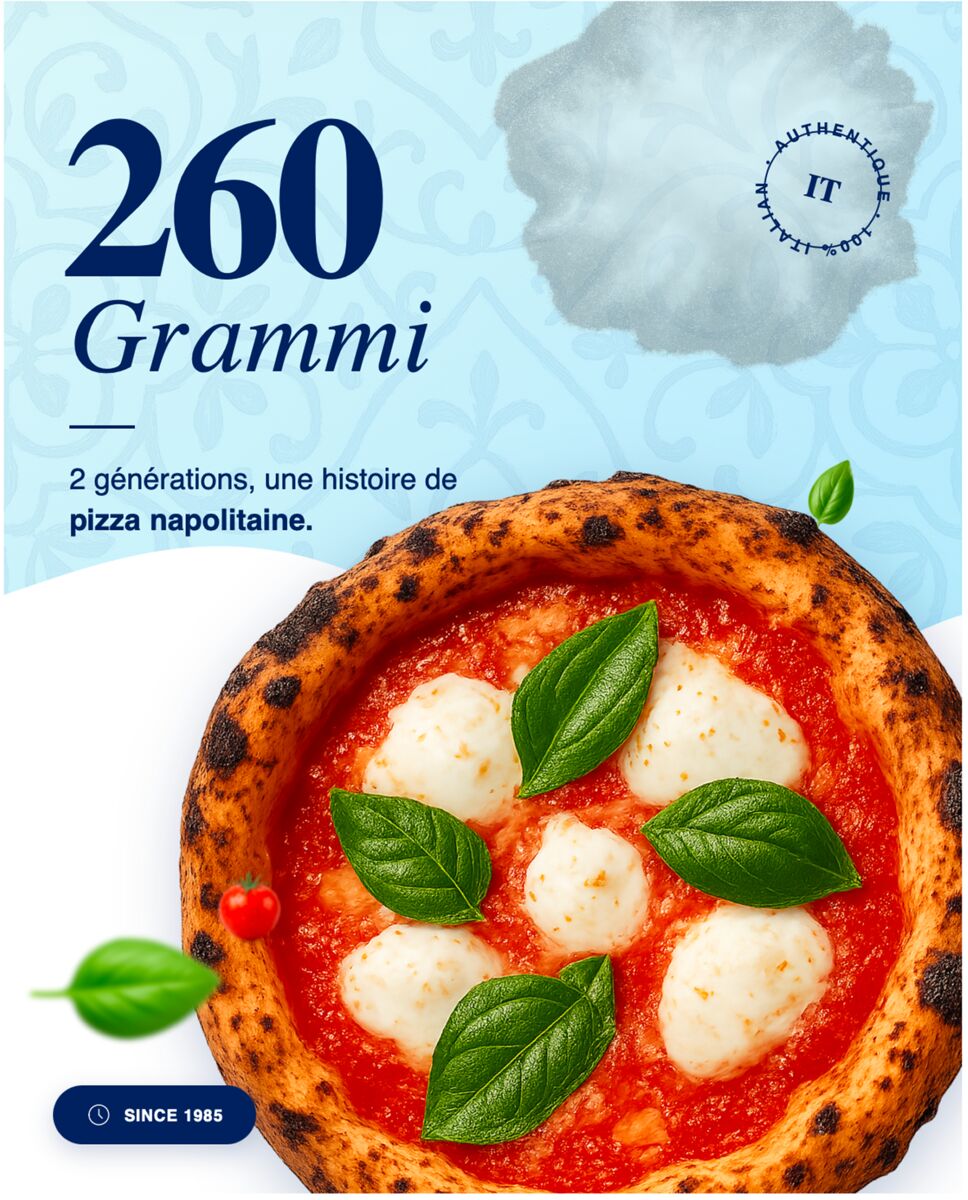
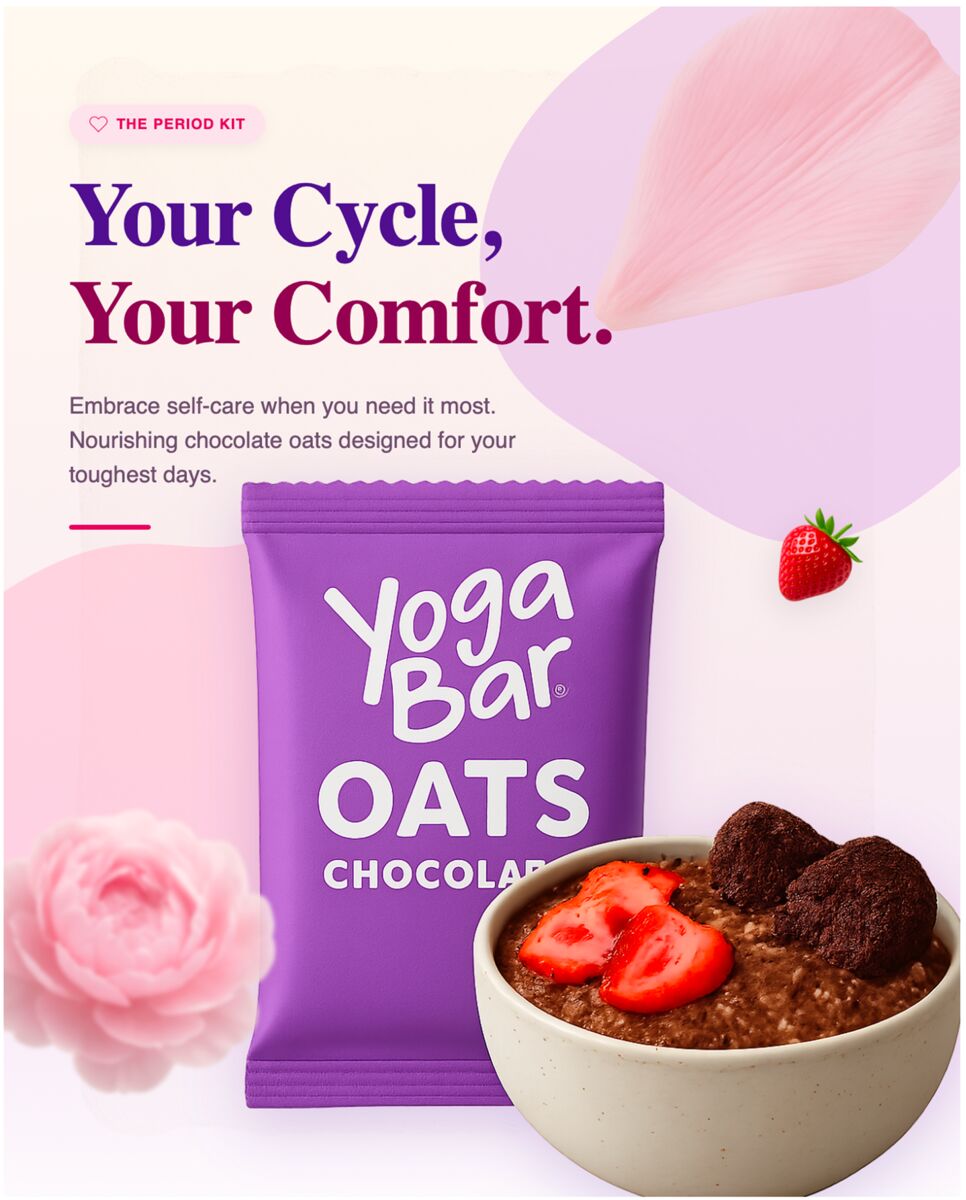
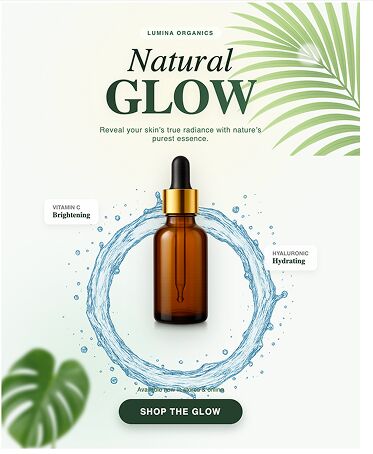
Prompt DesignLumo with a clear brief—genre, mood, and required text—and set the canvas to 1000×1500 px, the optimal pin size. The AI returns a fully layered PSD with editable fonts, colors, and background images. Apply your Brand Kit, swap the title text in seconds, and export PNG for upload. In testing, authors saw a 2× faster turnaround versus hiring a freelancer, and repin rates climbed 18% because the design stayed on‑brand and instantly editable.
Canva Tall Graphic Builder
Open Canva, select Custom Dimensions 1000×1500 px, and pull a pre‑made “Tall Graphic” template. Replace placeholder images with your cover art, add genre‑specific icons, and use Canva’s Brand Kit to enforce color consistency. Export a high‑resolution PNG and schedule directly via Canva’s Content Planner. Authors report a 30% higher repin rate when using Canva’s built‑in analytics to iterate on font size and CTA placement.
Midjourney Cover Concept Generator
In Midjourney, feed a prompt like “dark fantasy novel cover, gothic typography, moonlit forest, high detail” and set the aspect ratio to 2:3. Upscale the best result, then run an Image‑to‑Image pass with your existing cover silhouette to blend brand elements. Download the PNG, import to DesignLumo or Photoshop to separate layers, and finalize the pin. This workflow saves roughly $200 per concept because you bypass costly illustrator sketches while retaining creative control.
2. Pin Layout & Copy Optimization Tools
Tailwind Create + Scheduler
Use Tailwind’s Create tab to drag‑and‑drop your layered PNG from DesignLumo onto a 1000×1500 canvas. Add a bold headline, embed a keyword‑rich description, and apply Tailwind’s “SmartLoop” to auto‑schedule at the top 3 engagement windows (8 am, 12 pm, 6 pm EST). Track Pin Performance in Tailwind’s analytics; authors have seen a 1.8× increase in saves after optimizing posting times based on the platform’s algorithmic heat map.
Pinterest Idea Pin Builder (Native)
Within Pinterest, select “Create Idea Pin” and upload up to five 1000×1500 pages. Use layered PNGs exported from DesignLumo to keep text editable on each page. Add music, stickers, and a swipe‑up link to your Amazon KDP page. A/B test two CTA placements (“Read Now” vs. “Buy Today”) and monitor click‑through rates; Idea Pins typically deliver 2.5% higher CTR than static pins because they keep users engaged across multiple frames.
Copy.ai Pin Caption Generator
Enter your book title, genre, and three target keywords (e.g., “historical romance”, “strong heroine”, “bestseller”) into Copy.ai’s “Pinterest Caption” template. Generate three variations, then feed the top pick back into DesignLumo’s brand voice settings for consistent tone. Test each caption with Tailwind’s “Smart Schedule” and compare impressions; users report a 15% lift in reach when captions hit a 1.5% keyword density without sounding spammy.
3. Analytics, Testing & Scaling
Pinterest Tag + Conversion Tracking
Add the Pinterest Tag to your author website or KDP landing page via Google Tag Manager. Configure standard events: PageVisit for the book page, AddToCart for the Amazon link click, and Purchase for completed sales (via custom webhook). Monitor ROAS in Pinterest Ads Manager; aim for a minimum 2.5× return. Accurate tagging lets you attribute each pin’s revenue, enabling budget reallocation to the highest‑performing creatives.
A/B Pin Testing with Pinocular
Upload two versions of the same pin (different color scheme or CTA) to Pinocular. Set a 7‑day test window and let the platform track repins, clicks, and conversion events. Pinocular calculates statistical significance; choose the winner only if confidence exceeds 95%. In practice, authors have seen a 12% uplift in click‑through after swapping a red CTA button for a contrasting gold one based on test data.
Batch Export & Bulk Upload via Zapier

Connect DesignLumo’s API to Zapier; trigger the workflow whenever a new title is added to a Google Sheet (your KDP catalog). Zapier calls DesignLumo to generate three pin sizes (standard, carousel, story), saves PNGs to a Dropbox folder, and then pushes them to Tailwind’s Bulk Upload endpoint. The entire pipeline runs in under five minutes per title, saving roughly five hours of manual work each month and ensuring every new release gets immediate Pinterest exposure.
Before you go
- Batch‑create a 30‑day content calendar in Tailwind and lock in publishing times before the release week; consistency beats last‑minute posting.
- Always include a 2‑second “hook” image—either a close‑up of the cover’s focal point or a bold genre icon—to capture scroll‑stoppers.
- Leverage Pinterest’s SEO by embedding the exact book title and primary keyword in the pin’s alt‑text and board description; this can boost organic impressions by up to 40%.








Ready to create your first design?
Join thousands creating professional designs in seconds.
Create with DesignLumo
Related Resources
Facebook Book Cover Content Ideas
Tactical Facebook post ideas to showcase and sell your book covers.
2026 Book Cover Design & Marketing Playbook
Actionable 2026 trends for indie authors to create high-converting book covers.
Ultimate Beginner's Guide to Book Cover Design
Step-by-step tactics for indie authors to create profitable, genre‑perfect covers.
Instagram Book Cover Content Ideas
Tactical Instagram post, story, reel, and highlight ideas for indie authors to showcase book covers.
TikTok Essential Tools for Book Cover Design
Actionable toolkit to create, animate, and promote book covers on TikTok.
Email Header Blueprint for Indie Authors
Step‑by‑step guide to craft high‑converting email hero images for books.