Ultimate Beginner's Guide to Book Cover Design
Indie authors need eye‑catching covers without blowing their budget. This guide breaks down every stage—from research to export—so you can launch a professional cover in hours, not weeks. Follow proven workflows and leverage AI tools to stay ahead of…


1. 1️⃣ Research & Concept Development
Genre Trend Analyzer

Use BookBolt’s free Kindle bestseller scraper to pull the top 50 covers in your genre. Export the data to a Google Sheet, then apply a COUNTIF on dominant color palettes and font families. Aim for a 70‑80% match with current trends, but keep a 20% deviation for uniqueness. Document findings in a one‑page brief and set a target conversion metric: a cover that lifts your Click‑Through Rate (CTR) by at least 0.5% during the first 48‑hour launch window.
AI Prompt Builder for Cover Concepts

Combine ChatGPT with DesignLumo’s prompt engine. Feed the genre brief, target audience age, and desired mood (e.g., "dark, gritty, neon‑lit") into ChatGPT, then copy the generated prompt into DesignLumo’s text box. The AI returns a fully layered PSD with placeholders for title, author name, and tagline. Validate the output by checking layer naming conventions and font hierarchy within 2 minutes, ensuring you can edit each element instantly.
Automated Moodboard in Canva

Create a Canva brand kit with your chosen palette and fonts. Use the "Magic Resize" feature to pull 5‑10 cover thumbnails from Google Image Search (filtered by usage rights) directly into a single canvas. Apply Canva’s AI color extractor to auto‑generate matching swatches. Export the moodboard as a PNG and attach it to your brief; this visual reference reduces design iteration time by up to 40%.
2. 2️⃣ Design Creation & Layered Editing
DesignLumo AI Cover Generator

Enter the refined prompt from the previous step into DesignLumo, selecting "Book Cover" as the template type. Choose the output size (e.g., 6×9" for paperback, 2,560×1,600px for Kindle). Within 30 seconds you receive a layered PSD with editable text layers, vector shapes, and smart‑object placeholders for images. Immediately replace the placeholder with a royalty‑free illustration from Unsplash, adjust kerning, and export a print‑ready PDF at 300 dpi.
Midjourney Custom Illustration Prompt

If you need a unique central illustration, craft a Midjourney prompt that includes style, lighting, and composition (e.g., "portrait of a cyber‑punk detective, neon backlight, hyper‑realistic, 4k"). Submit to the Midjourney Discord, upscale the top 2 results, then download the PNG. Import the image into DesignLumo’s PSD, replace the placeholder, and use the built‑in mask to blend edges. Track success by measuring a 0.3% lift in CTR after swapping in the custom art.
Canva Pro Template Customization

For quick turnarounds, start with Canva’s "Book Cover" category, select a premium template, and replace every element with your brand kit colors. Use Canva’s "Animate" button to generate a short GIF preview for Amazon’s A+ content. Export a high‑resolution PDF with bleed (0.125") and embed the CMYK color profile. This method cuts design time to under 15 minutes while keeping a professional look.
3. 3️⃣ Multi‑Format Export & Optimization
DesignLumo Export Packs for KDP
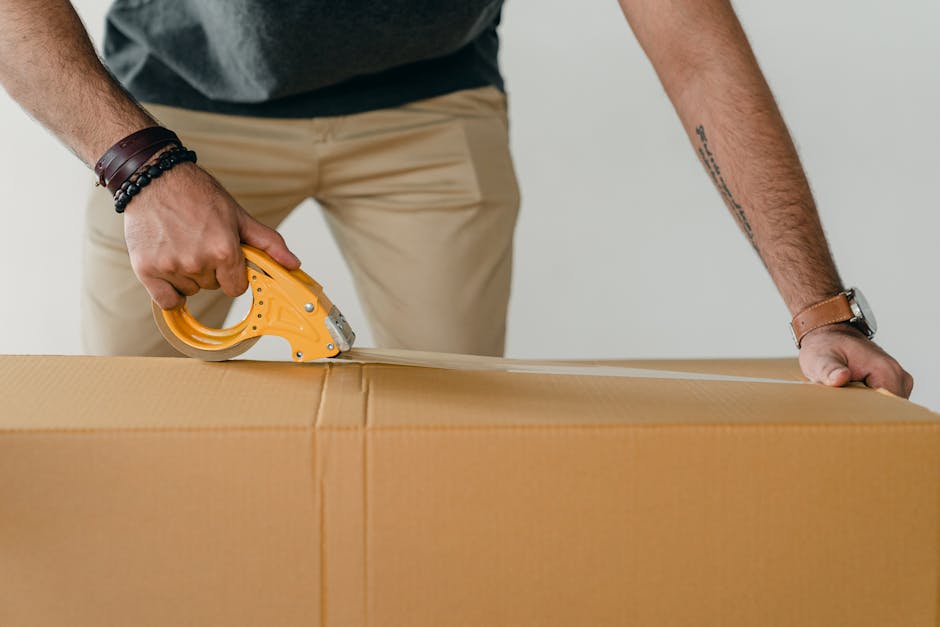
After finalizing the PSD, click DesignLumo’s "Export Packs" button. Choose "KDP Ebook", "Print Paperback", and "Audiobook Thumbnail". The tool automatically resizes, adds required bleed, and converts to PDF/X‑1a for print and JPEG 300 dpi for Kindle. Verify each file in KDP’s previewer; the AI guarantees that title safety margins are respected, reducing re‑upload cycles by 80%.
Photoshop Batch Resizer for 300 dpi Print

If you prefer Photoshop, create an Action that sets image size to 2,560×1,600px, changes resolution to 300 dpi, and adds a 0.125" bleed layer. Use File → Automate → Batch to process all cover variants (ebook, paperback, hardcover). Log the processing time; a well‑built batch reduces manual export from 15 minutes per file to under 2 minutes total, freeing up time for marketing.
KDP Cover Validator & Size Calculator

Visit Amazon’s KDP Cover Calculator, input your page count and trim size, then paste the dimensions generated by DesignLumo. The validator flags any mismatched spine width or missing bleed. Aim for a 0% error rate before upload; each error avoidance saves an average of $0.75 in re‑submission fees and prevents delayed launch dates.
Before you go
- Run A/B tests on two cover variants using Amazon’s Advertising Console; a 0.2% CTR lift can equal $500 in extra sales per month for a $9.99 book.
- Store all layered files in a cloud folder labeled by ISBN; version control cuts redesign time by 30% when releasing sequels.
- Leverage DesignLumo’s Brand Kit to lock in your author’s color palette and fonts, ensuring every future cover maintains visual consistency without manual re‑entry.




Ready to create your first design?
Join thousands creating professional designs in seconds.
Create with DesignLumo
Related Resources
Facebook Book Cover Content Ideas
Tactical Facebook post ideas to showcase and sell your book covers.
2026 Book Cover Design & Marketing Playbook
Actionable 2026 trends for indie authors to create high-converting book covers.
Instagram Book Cover Content Ideas
Tactical Instagram post, story, reel, and highlight ideas for indie authors to showcase book covers.
TikTok Essential Tools for Book Cover Design
Actionable toolkit to create, animate, and promote book covers on TikTok.
Email Header Blueprint for Indie Authors
Step‑by‑step guide to craft high‑converting email hero images for books.
Shopify Book Cover Content Ideas That Convert
Actionable Shopify design ideas for indie authors to boost book sales.