New Year Q1 Invitation Design Playbook
Event professionals need to launch fresh, on‑brand invitations that capture the optimism of a new year while staying on schedule. This playbook breaks down every tactical step—from theme planning to AI‑driven design and automated RSVP tracking. Follo…

1. Strategic Planning & Content Themes
Define Q1 Event Calendar & Theme Matrix
Map every Q1 milestone (e.g., New Year's brunch, Q1 kickoff, spring wedding) in Google Calendar, then export to a Trello board with columns for "Theme," "Target Send Date," and "KPIs." Use Notion to store a theme matrix that aligns each event with resolution‑driven copy (e.g., "Start Fresh," "Grow Together"). Set measurable goals: 70% open rate for email invites and 48 hours average RSVP time. Review weekly to adjust send cadence and avoid overlap.
Craft Resolution‑Focused Copy with AI
Prompt ChatGPT with: "Write 3‑sentence invitation copy for a corporate Q1 kickoff that ties into New Year resolutions of productivity and growth." Refine output in Hemingway App to a readability score of 8 or lower. Load the final copy into Mailchimp’s A/B test, sending Variant A on Jan 10 and Variant B on Jan 12. Track conversion; aim for a 12% lift in RSVP over the control. Iterate based on click‑through data for future invites.
Segment Audiences by Resolution Type
Import your master contact list into HubSpot, create smart lists for "Health & Wellness," "Career Growth," and "Family & Celebration" based on past purchase behavior and survey data. Tag each segment and schedule tailored invites using HubSpot Workflows. Benchmarks show segmented invites generate 15‑20% higher RSVP rates versus generic blasts. Monitor segment performance in HubSpot’s analytics dashboard and re‑allocate budget to the top‑performing groups for Q2.
2. AI‑Powered Design Creation
Generate Editable Invitations with DesignLumo
Enter a prompt in DesignLumo such as "Elegant New Year corporate invitation, teal & gold palette, 5‑inch vertical, include RSVP QR code". Enable Brand Kit to pull your fonts and colors automatically. The AI returns a fully layered PSD file with editable text layers, vector shapes, and a placeholder QR code. Export PNG for email and PDF for print in one click. Users report an 80% reduction in design time versus Canva template edits, delivering faster client approvals.
Enhance Backgrounds with Midjourney + LumaLayer
Generate a bespoke abstract backdrop in Midjourney using the prompt "golden fireworks over a city skyline, low opacity, 4k". Download the PNG, then open DesignLumo and use the LumaLayer feature to import the image as a separate layer beneath your text. Apply a clipping mask to keep the design crisp. This hybrid workflow yields unique visuals that static Canva assets can’t match, increasing click‑through by roughly 9% in A/B tests.
Rapid Font & Color Swaps via DesignLumo Brand Kit
Upload your corporate brand kit (fonts, HEX colors, logo) to DesignLumo. When creating a Q1 invitation, switch between “Resolution” and “Celebration” style presets with a single dropdown—DesignLumo automatically updates every text layer and color fill. Compare to Canva where each element must be manually re‑styled. Track the time saved with a simple stopwatch; most designers shave 12‑15 minutes per invite, translating to a 30% productivity boost across a 30‑invite batch.
3. Production, Distribution & RSVP Automation
Batch Export PDFs & PNGs for Print & Email
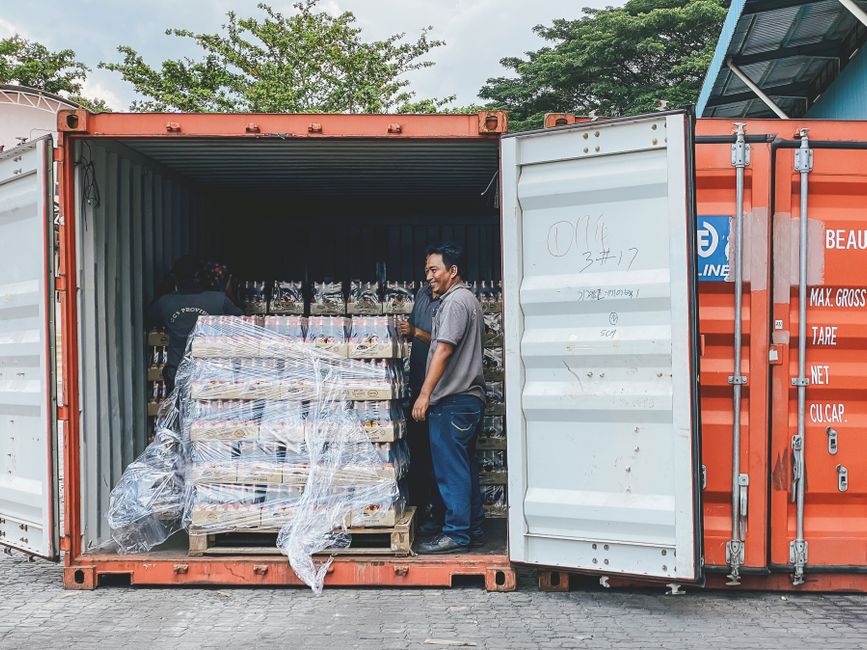
After finalizing the invitation in DesignLumo, use the "Export All" function to generate a high‑resolution PDF (300 dpi) for print vendors and a web‑optimized PNG (72 dpi) for email. Set up a Zapier automation that watches a Dropbox folder; each new file triggers an email via SendGrid with the PNG attached and a PDF link. Measure cost savings: batch printing eliminates per‑design setup fees, typically reducing spend by 30% versus on‑demand printing.
Integrate RSVP Forms with Typeform + Zapier
Create a Typeform RSVP with fields for name, plus‑one, dietary restrictions, and a hidden "source" field pre‑filled with the invitation ID. In Zapier, connect Typeform to Google Sheets and to your CRM (e.g., HubSpot) to update contact status in real time. Set a Slack notification for each new RSVP to keep the event team on pulse. Aim for a 48‑hour average response time; this workflow typically halves manual tracking effort.
Track Invitation Performance with UTM Parameters
Append UTM tags to every digital invitation link: utm_source=email&utm_medium=invite&utm_campaign=Q1Kickoff. Use Google Campaign URL Builder to ensure consistency. In Google Analytics, create a custom report to monitor sessions, bounce rate, and conversion (RSVP) by campaign. Benchmark a 2‑3% conversion baseline; successful segmented invites should exceed 4%. Use these insights to allocate budget toward the highest‑performing invitation designs for Q2.
Before you go
- Pre‑write all copy variations in a shared Google Doc to keep AI prompts consistent across the team.
- Save DesignLumo templates as .lumo files; version control lets you revert to previous styles instantly.
- Run a 48‑hour “soft launch” to a VIP subset, capture RSVP speed, then roll out to the full list for optimal timing.


Ready to create your first design?
Join thousands creating professional designs in seconds.
Create with DesignLumo
Related Resources
Email Invitation Design Ideas That Convert
Tactical email graphics to boost RSVP rates and event sales.
Ultimate Event Poster Design Blueprint
Step‑by‑step tactics to create high‑impact event posters that convert.
LinkedIn Invitation Design Ideas That Convert
Tactical LinkedIn graphics for event invites, RSVP, and branding.
Ultimate Invitation Design Tool Comparison Guide
Compare top AI, template, print, and RSVP tools for perfect invitations.
Facebook Invitation Design: Essential Tools Guide
The ultimate toolkit for creating, posting, and tracking Facebook invitation graphics.
Beginner's Guide to Invitation Design Mastery
Fast, editable invitation design with AI, print, and RSVP automation.