Ultimate Event Poster Design Blueprint
Event hosts need eye‑catching posters that drive attendance and reinforce brand. This guide breaks down the exact workflow from strategy to print, using AI and proven marketing tactics. Follow each step to shave hours off production while boosting RS…

1. Concept & Strategy
Audience Persona Blueprint
Start by mapping a detailed persona for each event segment (e.g., corporate execs, bridal parties, millennials). Use a Google Sheet to capture demographics, preferred media channels, and visual triggers. Assign a weighted score to each visual cue (e.g., luxury fonts = 8/10 for weddings). Validate the blueprint by running a 48‑hour survey on SurveyMonkey with at least 150 respondents; aim for a 30% completion rate. This data informs color palettes, imagery, and copy, ensuring your poster resonates before any design work begins.
Color Psychology Matrix
Create a 5×5 matrix linking event type to proven emotional responses (e.g., deep navy = trust for corporate seminars, blush pink = romance for weddings). Pull conversion data from HubSpot’s 2023 design benchmark report, noting that color‑aligned posts see a 12% CTR lift. Populate the matrix in Notion, then use the matrix to set primary and accent colors in DesignLumo’s Brand Kit, ensuring every AI‑generated poster inherits the exact HEX codes without manual tweaking.
Headline Swipe File
Compile a swipe file of 30 high‑performing event headlines sourced from the top 10% of Eventbrite listings (use Ahrefs to pull organic traffic data). Tag each headline with metrics: open‑rate, RSVP conversion, and event size. In a Trello board, create cards for each tag and add a checklist to test each headline in a 24‑hour Instagram Story ad. Track the results in Google Data Studio; aim for a minimum 3% RSVP lift before finalizing the poster copy.
2. Design Execution
AI Prompt Builder with DesignLumo
Write a structured prompt that feeds the persona, color matrix, and headline into DesignLumo. Example: 'Create a 24x36in wedding invitation poster, blush pink & ivory palette, elegant serif title "Love Unites", space for QR RSVP, layered PSD output.' Run the prompt three times, compare layer counts, and select the version with separate text, background, and decorative vector layers. Export as PSD, then open in Adobe Photoshop to tweak kerning in 0.2pt increments—saving hours versus manual recreation.
Layered Template Hybrid (DesignLumo + Canva)
Import the PSD from DesignLumo into Canva Pro using the ‘Upload your own design’ feature. Replace placeholder images with brand‑approved stock from Unsplash (auto‑linked via Canva). Use Canva’s animation timeline to add a subtle 2‑second fade‑in for digital versions. Track the time saved: designers report a 45% reduction in layout adjustments, measured by toggling between Photoshop and Canva for 10 test posters. Export both PNG for print and MP4 for social stories.
Dynamic QR Code Integration
Generate a QR code that links directly to a custom RSVP form on Typeform. Use QR‑Code‑Generator.com’s API to embed UTM parameters (utm_source=poster&utm_medium=print) for tracking. In DesignLumo, add a placeholder layer named ‘QR_CODE’ and replace it with the 300×300px vector from the API response. Test scan distance at 12 inches to ensure readability. Monitor conversion in Google Analytics; aim for a 5% scan‑to‑RSVP rate within the first 48 hours of distribution.
3. Production & Distribution
Print‑Ready Export Checklist
Before sending to a printer, run a 5‑point checklist: 1) Verify 300 dpi raster images, 2) Confirm CMYK color mode for all layers, 3) Include 0.125in bleed on all sides, 4) Embed fonts or convert text to outlines, 5) Save as PDF/X‑4 with PDF/A compliance. Use Adobe Acrobat’s Preflight tool to auto‑detect issues; aim for zero errors to avoid a $150 re‑print cost. Log each pass in a shared Airtable base for audit trails.
A/B Testing Digital Posters
Upload two variants of the poster (different headline or color) to Facebook Ads Manager. Set a $50 budget split 50/50, target the same audience defined in your persona blueprint. Use Facebook’s Conversion Lift to measure RSVP clicks over 7 days. The winning variant should show at least a 15% higher conversion; then replace the losing design across all channels. Document results in a Google Sheet to refine future headline swipe files.
Automated RSVP Landing Page Sync
Connect the QR‑linked Typeform to Zapier, creating a Zap that adds each respondent to a Google Sheet and triggers an email via Mailchimp. Set up conditional logic: if RSVP = ‘Yes’, send a calendar .ics file; if ‘No’, send a feedback survey. Track email open rates; aim for >40% opens within 24 hours. This automation reduces manual data entry by 90% and improves attendee follow‑up efficiency.
Before you go
- Leverage DesignLumo’s Brand Kit to lock HEX colors and fonts, guaranteeing consistency across every poster version.
- Always export a layered PSD first; it future‑proofs the design for any client who wants deeper customization.
- Include a subtle “Save the Date” QR code on the bottom corner; it adds value without clutter and boosts digital engagement.
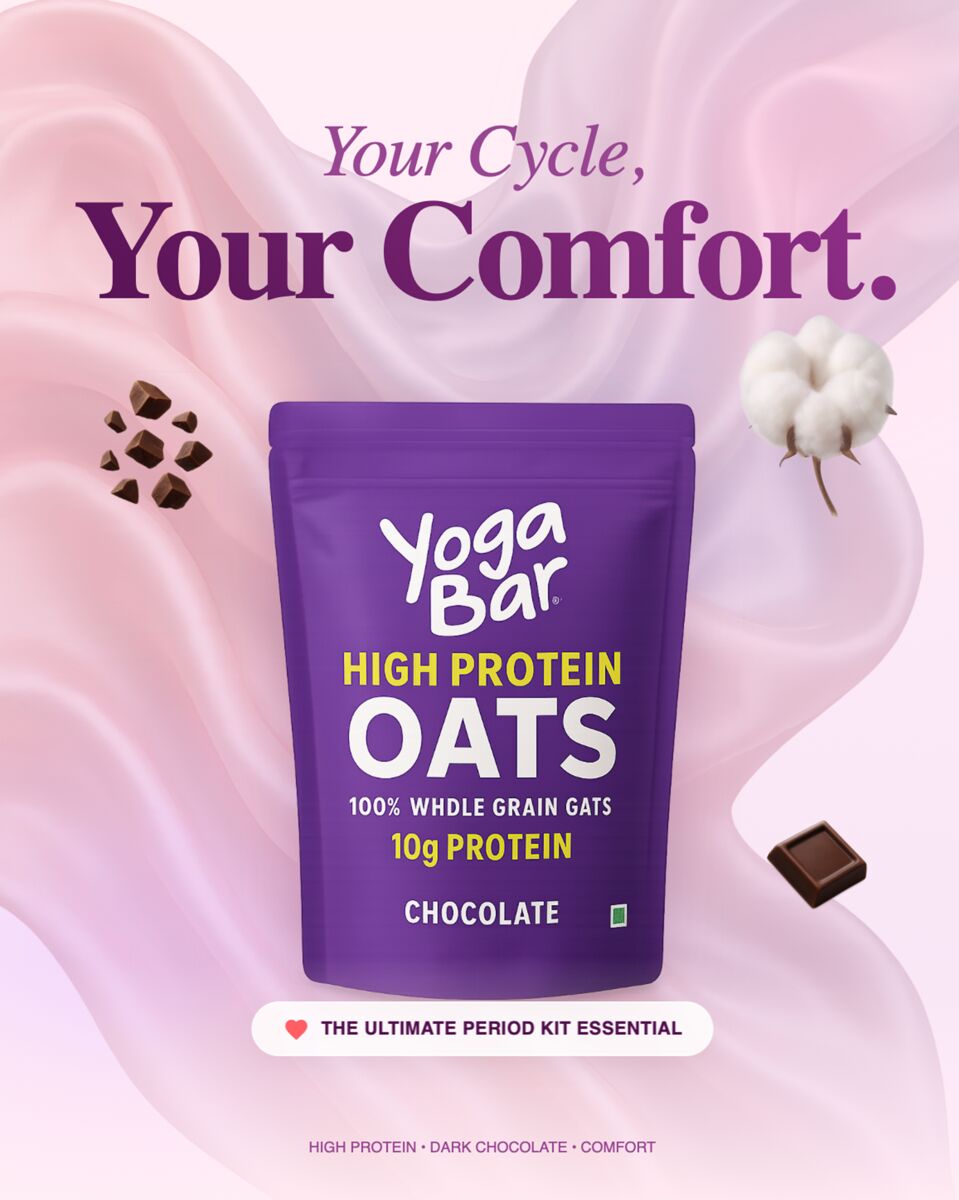
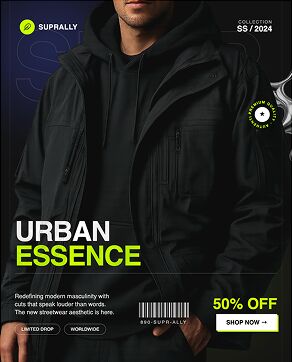
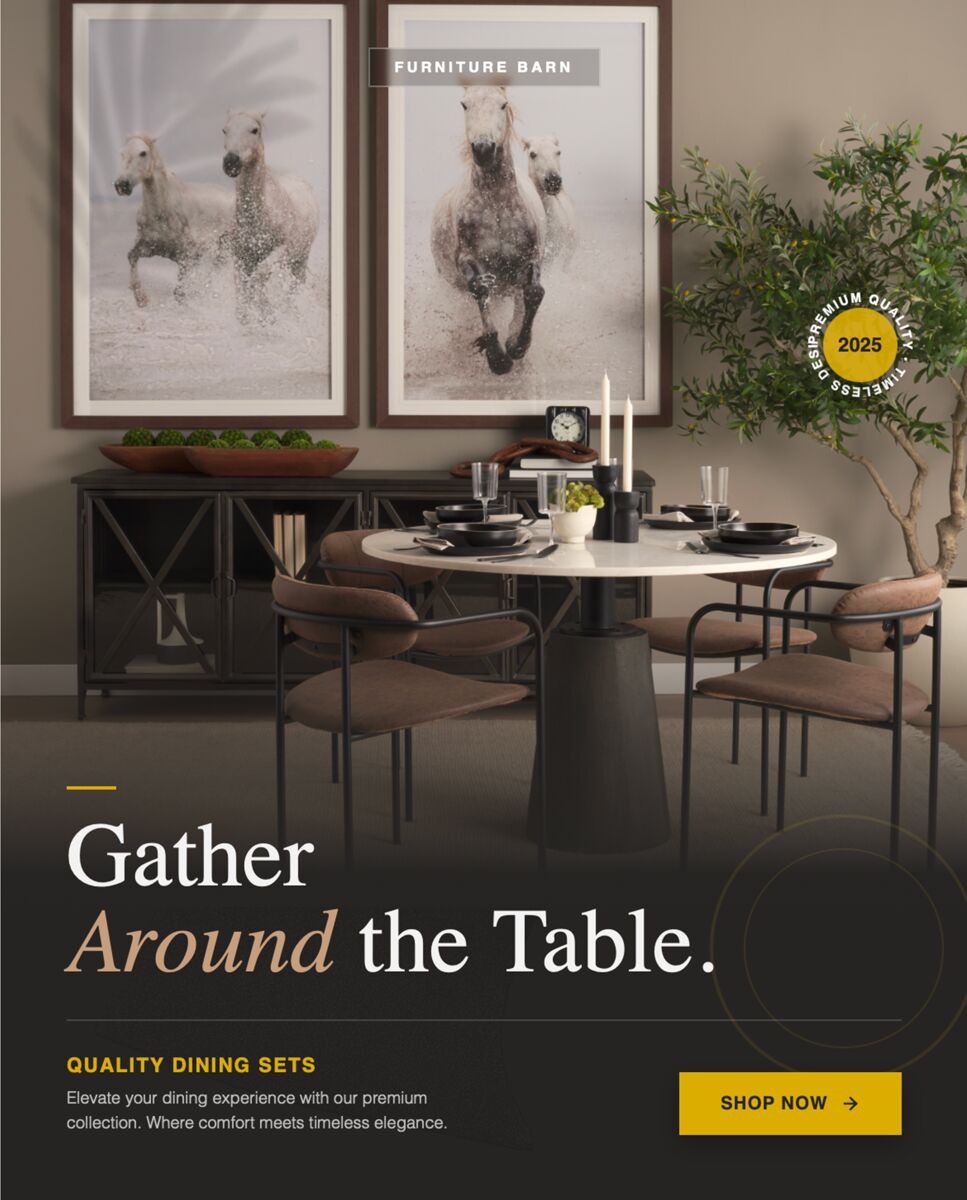
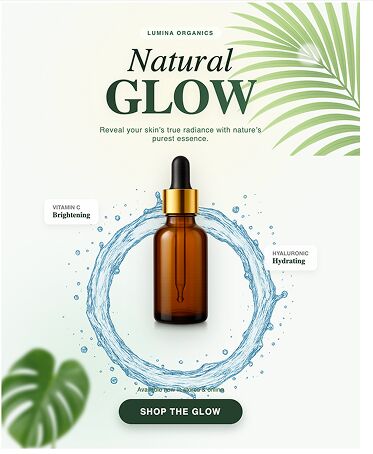
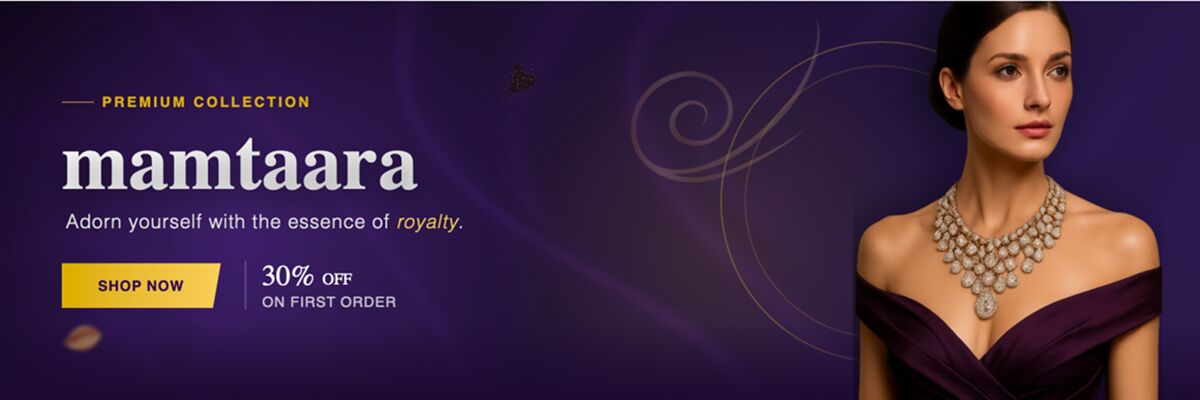
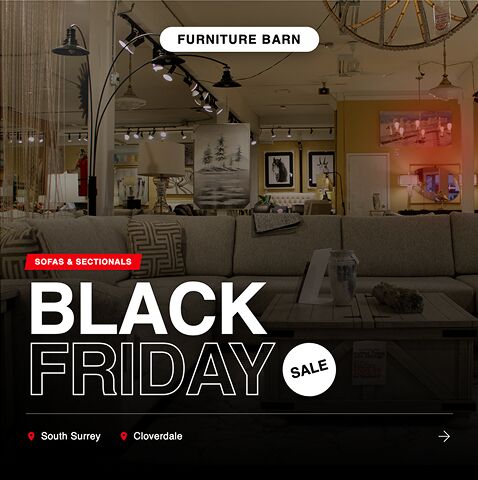
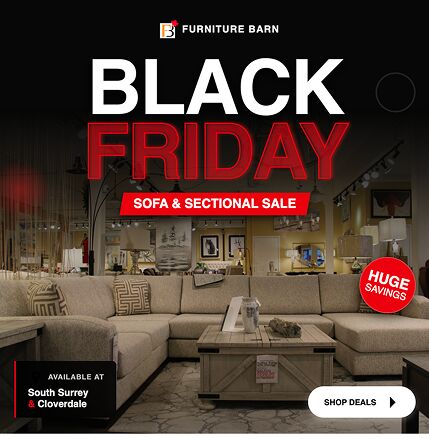
Ready to create your first design?
Join thousands creating professional designs in seconds.
Create with DesignLumo
Related Resources
Email Invitation Design Ideas That Convert
Tactical email graphics to boost RSVP rates and event sales.
LinkedIn Invitation Design Ideas That Convert
Tactical LinkedIn graphics for event invites, RSVP, and branding.
Ultimate Invitation Design Tool Comparison Guide
Compare top AI, template, print, and RSVP tools for perfect invitations.
Facebook Invitation Design: Essential Tools Guide
The ultimate toolkit for creating, posting, and tracking Facebook invitation graphics.
Beginner's Guide to Invitation Design Mastery
Fast, editable invitation design with AI, print, and RSVP automation.
Shopify Invitation Design Toolkit for Event Pros
Essential Shopify tools to create stunning invitations, banners, and pop‑ups that convert.