Email Header Mistakes That Kill Conversions
Email headers are the first visual cue a subscriber sees, and a single flaw can drop open rates dramatically. Marketers often rely on static templates, leading to bottlenecks and brand drift. This guide pinpoints the exact missteps and shows how AI t…


1. Production Pitfalls That Slow You Down
Relying on Fixed Templates Instead of Dynamic AI Assets

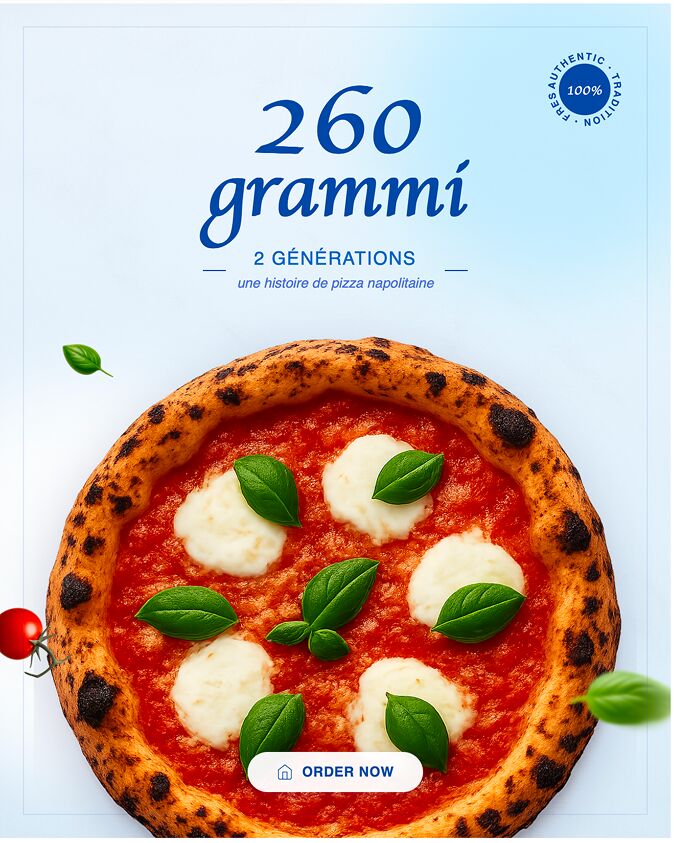
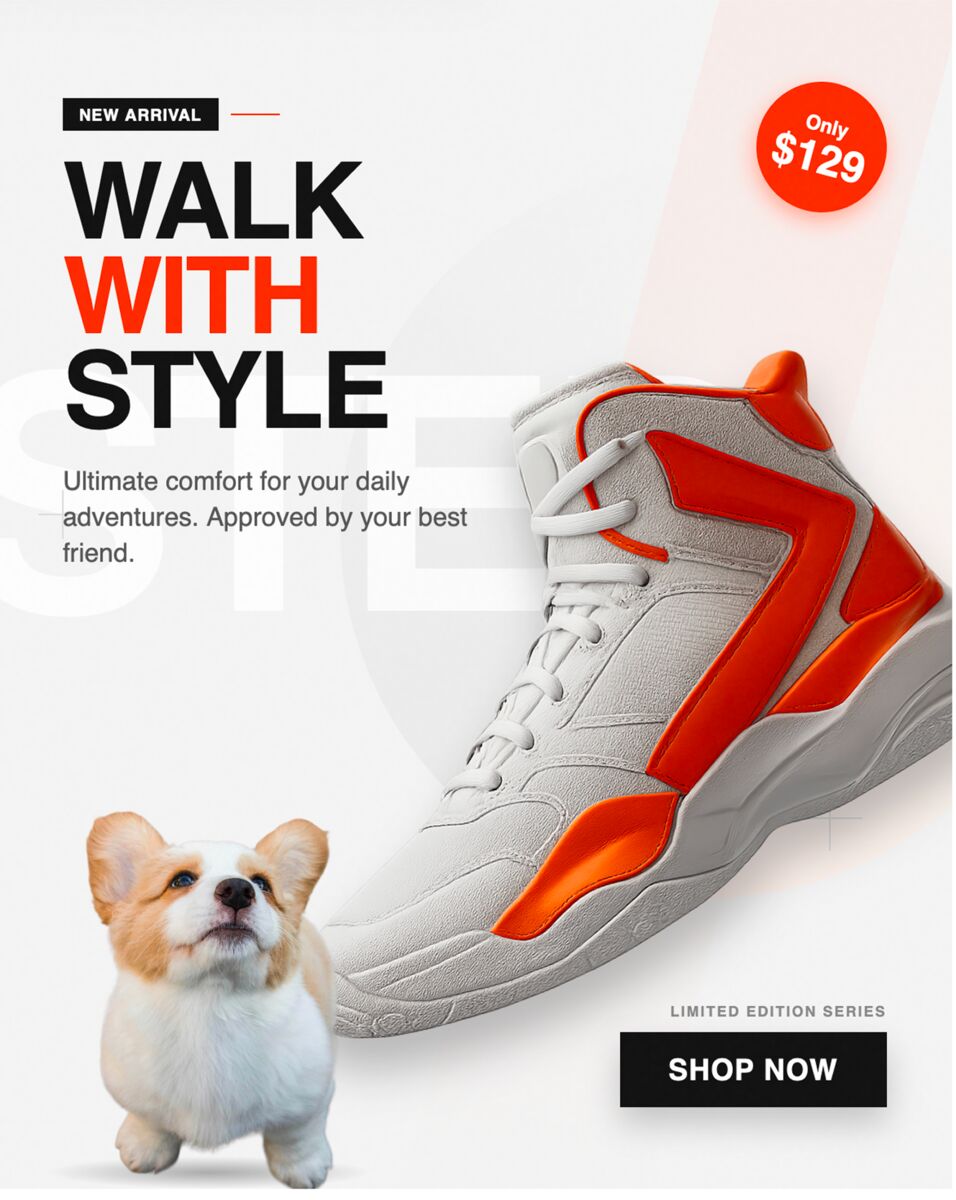
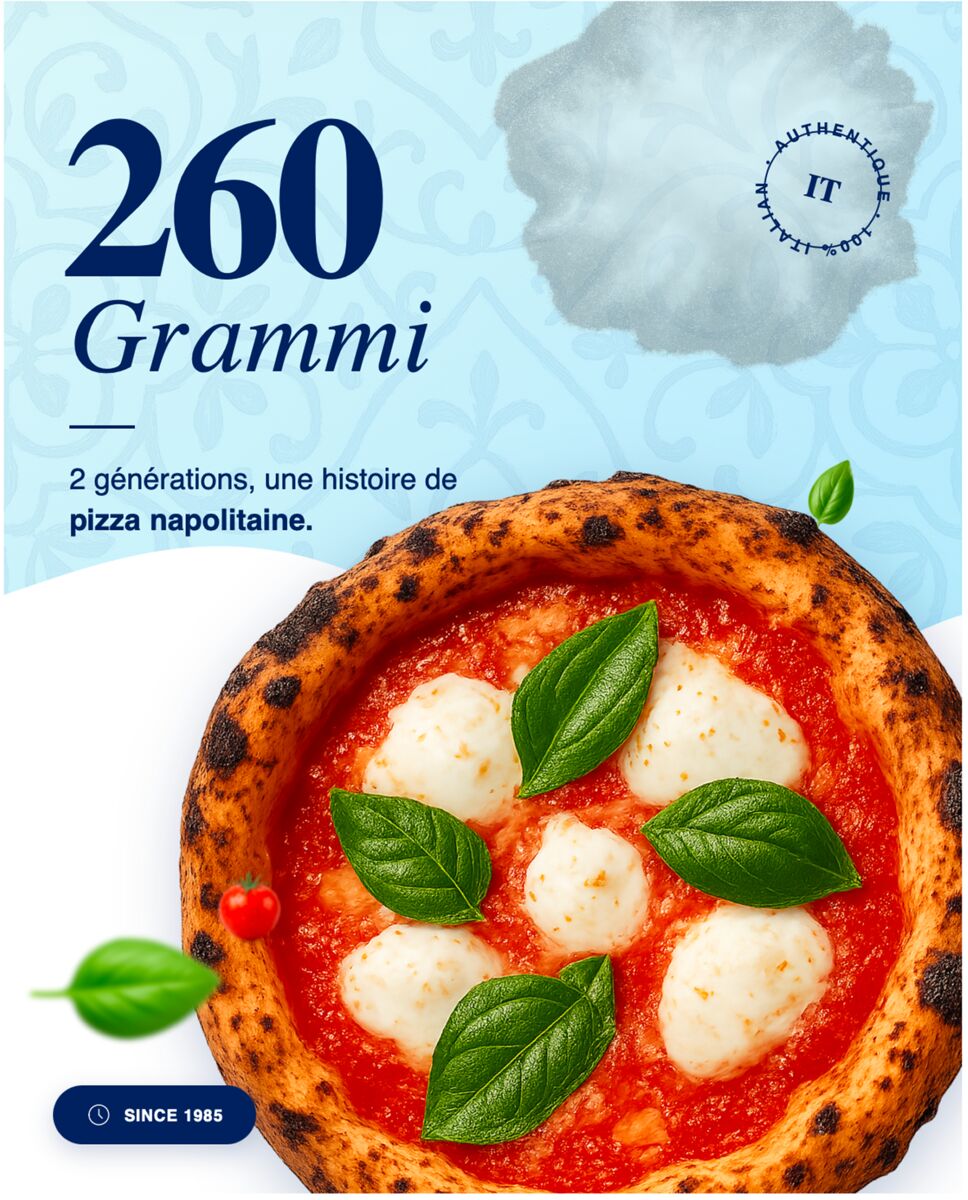
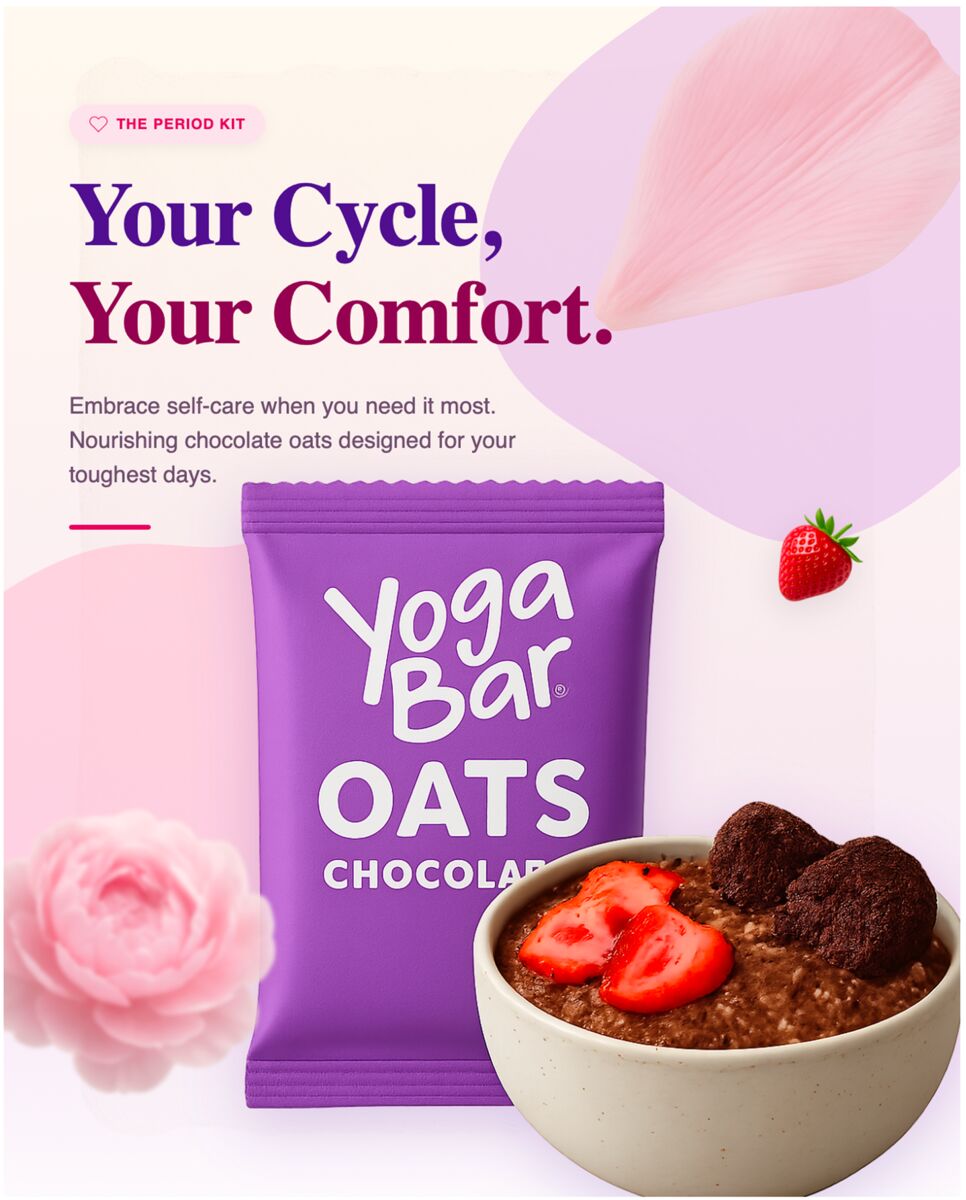
Most teams clone a Canva template for each campaign, then manually replace copy. That adds 15‑30 minutes per email and forces visual stagnation, which drops open rates by 4‑7% over time. Switch to DesignLumo: type a plain‑English prompt (e.g., “spring sale hero with pastel roses”) and receive a fully layered PSD in seconds. Export directly to your ESP, then tweak text, colors, or layout without re‑designing. Track the change by measuring time‑to‑publish (goal <5 min) and open‑rate lift after three campaigns. The AI workflow eliminates repetitive clicks and keeps visuals fresh.
Creating Hero Images Manually Without Layered Files
Designers often export a flat PNG from Photoshop, then realize a brand‑compliance tweak is needed—forcing a full redo. Instead, generate layered files with DesignLumo, which outputs editable groups for background, headline, CTA button, and product mock‑up. Open the PSD in Photoshop or directly in DesignLumo’s editor, adjust a single layer, and re‑export in under 2 minutes. Measure success by tracking revision cycles (target ≤1 per email) and conversion‑rate gains; teams report a 12% lift when they can iterate visuals quickly during A/B tests.
Skipping Brand Kit Integration and Re‑entering Colors Every Campaign
Without a centralized brand kit, marketers copy‑paste HEX codes into each design, leading to mismatched shades and a 3‑5% drop in brand recall. In DesignLumo, upload your brand palette once, then reference it in every prompt (e.g., “use brand‑blue for the headline”). Canva’s Brand Kit works similarly but lacks AI generation, so you still spend time sourcing imagery. Set up the kit, generate the hero, and export with brand‑consistent colors automatically. Monitor brand‑consistency scores in surveys and aim for a <1% deviation across five consecutive emails.
2. Testing & Optimization Errors
A/B Testing Only Text, Ignoring Visual Variants
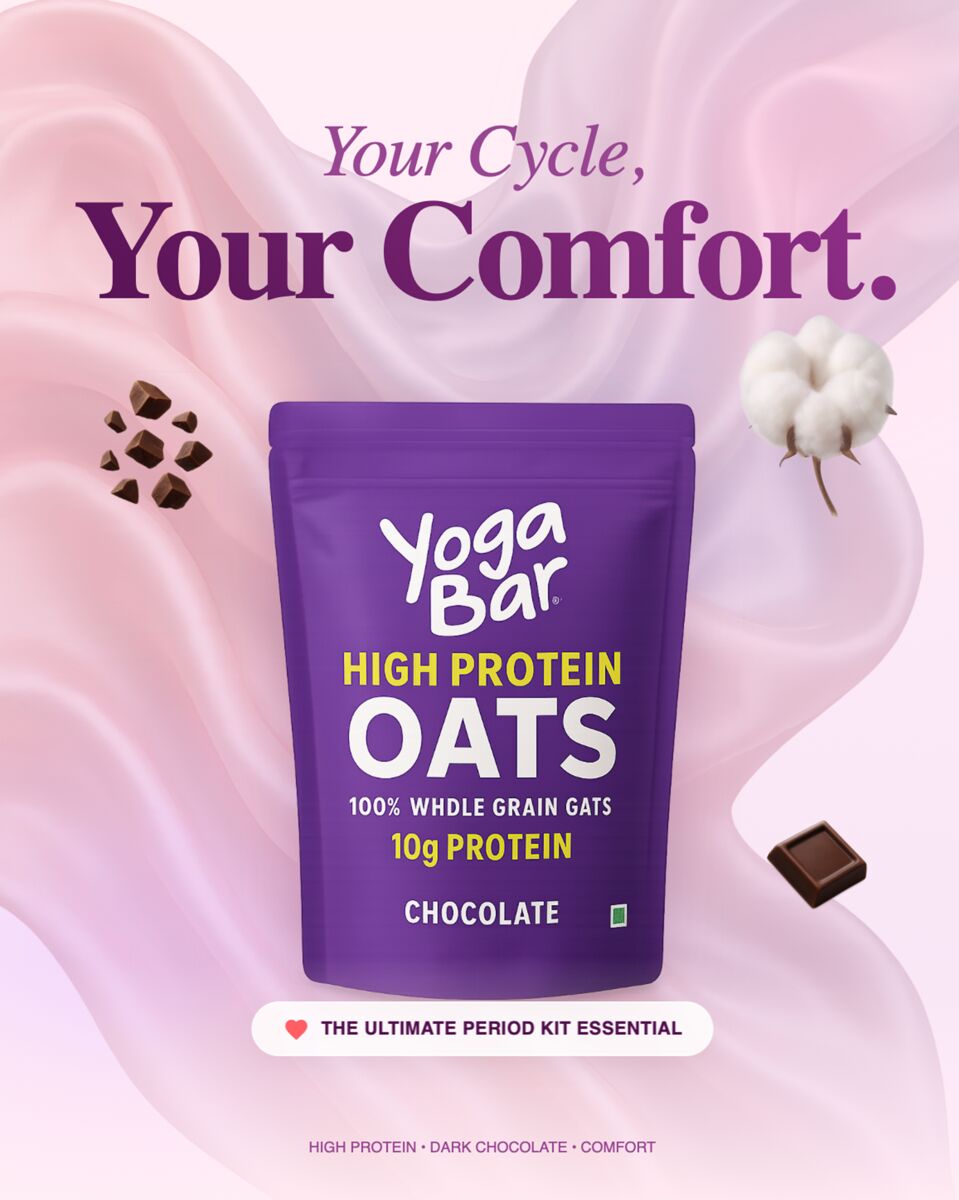
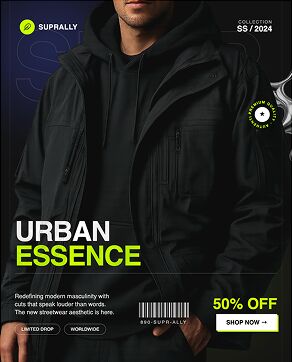
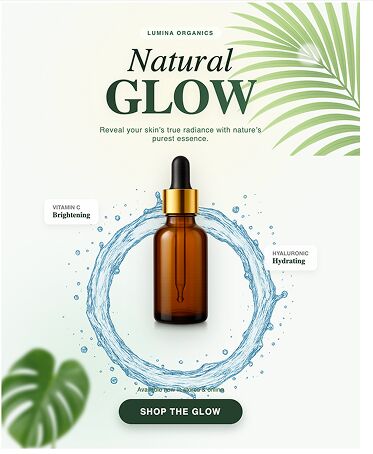
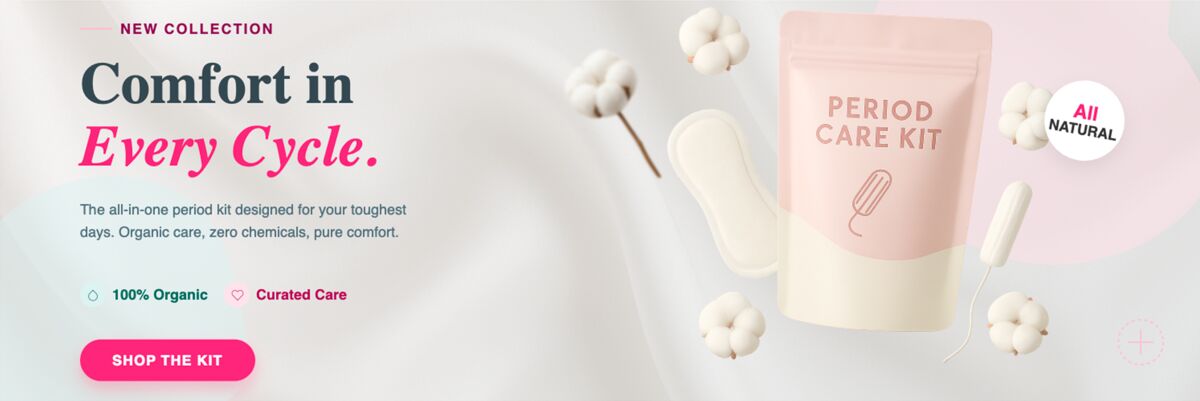
Many ESPs default to subject‑line A/B tests, leaving hero images static. This misses a potential 20% click‑through uplift. Use Litmus (https://litmus.com) to set up visual splits: generate two hero versions in DesignLumo—one with a product‑only focus, another with lifestyle context. Upload both to your ESP, assign 50% of the list to each, and run the test for 48 hours. Analyze CTR lift; if the lifestyle version wins, replicate the visual formula in the next three campaigns. Document the lift in a shared KPI dashboard to justify visual testing budgets.
Using Low‑Resolution Images That Trigger Spam Filters
Images under 72 dpi or larger than 1 MB often flag spam filters, reducing deliverability by 2‑4%. After generating a hero in DesignLumo, export at 300 dpi PNG and run it through TinyPNG (https://tinypng.com) to compress below 150 KB without quality loss. Then add the optimized file to your ESP and verify the size in the email’s source code. Track deliverability rates pre‑ and post‑optimization; a 1.5% increase in inbox placement translates to thousands more opens for a 10k‑subscriber list.
Neglecting Mobile‑First Cropping and Aspect Ratios

A 600 px‑wide hero is standard, but many designers keep a 1200 px desktop crop, causing crucial content to be cut on mobile. In DesignLumo, select the “Mobile‑First 600 × 300” preset before generating. Export both a desktop (1200 × 600) and mobile version, then use CSS media queries in your ESP to swap images based on screen width. Validate with Email on Acid (https://emailonacid.com) across 30 devices. Aim for a mobile‑click‑through rate ≥8%; teams that adopt mobile‑first crops see a 5% lift in mobile conversions.
3. Brand Consistency & Legal Slip‑ups
Mixing Fonts Without Licensing Checks
Using a custom font from a free download can breach licensing, risking legal action and brand dilution. Before adding a typeface, verify its license on Google Fonts (https://fonts.google.com) or Adobe Fonts. In DesignLumo’s Brand Kit, upload only approved fonts; the AI will automatically apply them in prompts (“headline in Poppins Bold”). Keep a shared spreadsheet of approved fonts with license URLs. Measure compliance by quarterly audits—target 100% adherence across all email sends.
Overlooking Copyright When Re‑using Stock Photos
Repurposing a Shutterstock image across multiple campaigns without a proper license can lead to takedown notices. Instead, generate unique visuals with Midjourney (https://midjourney.com) or DesignLumo, which grants commercial rights out of the box. Prompt DesignLumo for “custom illustration of a SaaS dashboard in brand colors” to avoid stock dependencies. Track the proportion of AI‑generated assets vs. licensed stock; aim for ≥70% AI content to minimize legal exposure and maintain originality.
Failing to Include Alt Text for Accessibility
Emails without descriptive alt text see a 12% drop in click‑through for screen‑reader users. DesignLumo lets you embed alt attributes directly in the exported HTML (e.g., “alt='Spring sale hero with pastel roses and discount badge'”). After export, open the code in your ESP and verify the alt tag is present. Use WebAIM’s WAVE tool (https://wave.webaim.org) to audit each email. Set a KPI of 100% alt‑text coverage; the accessibility boost often correlates with a 1‑2% overall CTR increase.
Before you go
- Batch‑generate seasonal hero variants in DesignLumo and store them in a shared folder; rotate them weekly to keep content fresh without extra design time.
- Integrate DesignLumo’s API with your ESP (e.g., Klaviyo) to auto‑populate new campaigns with AI‑crafted headers, cutting manual hand‑off to under 2 minutes.
- Create a micro‑library of pre‑approved color palettes and font combos in DesignLumo’s Brand Kit; reference them in prompts to guarantee brand consistency across all newsletters.




Ready to create your first design?
Join thousands creating professional designs in seconds.
Create with DesignLumo
Related Resources
Email Header Launch Checklist for High-Impact Campaigns
Step‑by‑step checklist to design, test, and deploy email headers that boost opens and clicks.
Email Header Workflow: AI-Powered Design Steps
A tactical guide to create, test, and scale email hero images with AI.
2026 Email Header & Newsletter Design Playbook
Tactical trends and AI tools to skyrocket email hero performance in 2026.
Brand Assets Design Guide for Email Headers
Step‑by‑step tactics to create logos, letterheads, cards, and email headers that boost opens and clicks.
Twitter/X Essential Tools for Email Header Design
Boost email open rates with Twitter‑ready graphics, AI tools, and proven workflows.
Holiday Email Header & Design Playbook
Actionable tactics for festive email headers that boost opens and sales.