Ultimate Event Poster Design Guide for Authors
Launching a book event without a professional designer can feel impossible. This guide shows indie authors how to create high‑impact posters that convert, using AI tools and proven marketing tactics.

1. Pre‑Design Strategy & Research
Audience Persona Mapping
Create a survey in Google Forms asking readers about genre preference, age, and buying habits. Collect at least 200 responses, then import the CSV into Airtable. Segment the data by genre and set up a view that highlights dominant color preferences and tone (e.g., bright vs. muted). Use these insights to choose a palette and copy style that resonates. Track the conversion rate of your first poster; aim for a 2‑3% sign‑up lift compared to a generic design. This data‑driven foundation cuts guesswork and improves ROI.
Competitive Poster Swipe File
Gather 30 top‑performing event posters from Pinterest, Canva’s template gallery, and Amazon KDP author launch pages. Capture screenshots, note font families, hierarchy, CTA placement, and color contrast. Populate an Excel sheet and assign each poster a score based on social signals (likes, shares) obtained via BuzzSumo’s API. Target an average CTR above 1.5% as your benchmark. The swipe file becomes a quick reference to replicate proven visual tactics while still allowing you to inject unique branding elements.
Headline Formula Testing
Write five headline variants using proven formulas (e.g., "How to Unlock…", "The Secret Behind…", "Why Every…"). Plug each variant into a DesignLumo prompt to generate a mock poster, then post the images as Instagram Stories polls for 24 hours. Direct respondents to a hidden landing page with a unique UTM tag for each headline. Measure click‑through; select the headline that delivers >0.8% conversion. This rapid test validates copy before any spend, ensuring the final poster’s headline drives maximum attendance.
2. AI‑Powered Design Creation
DesignLumo Prompt Crafting for Event Posters
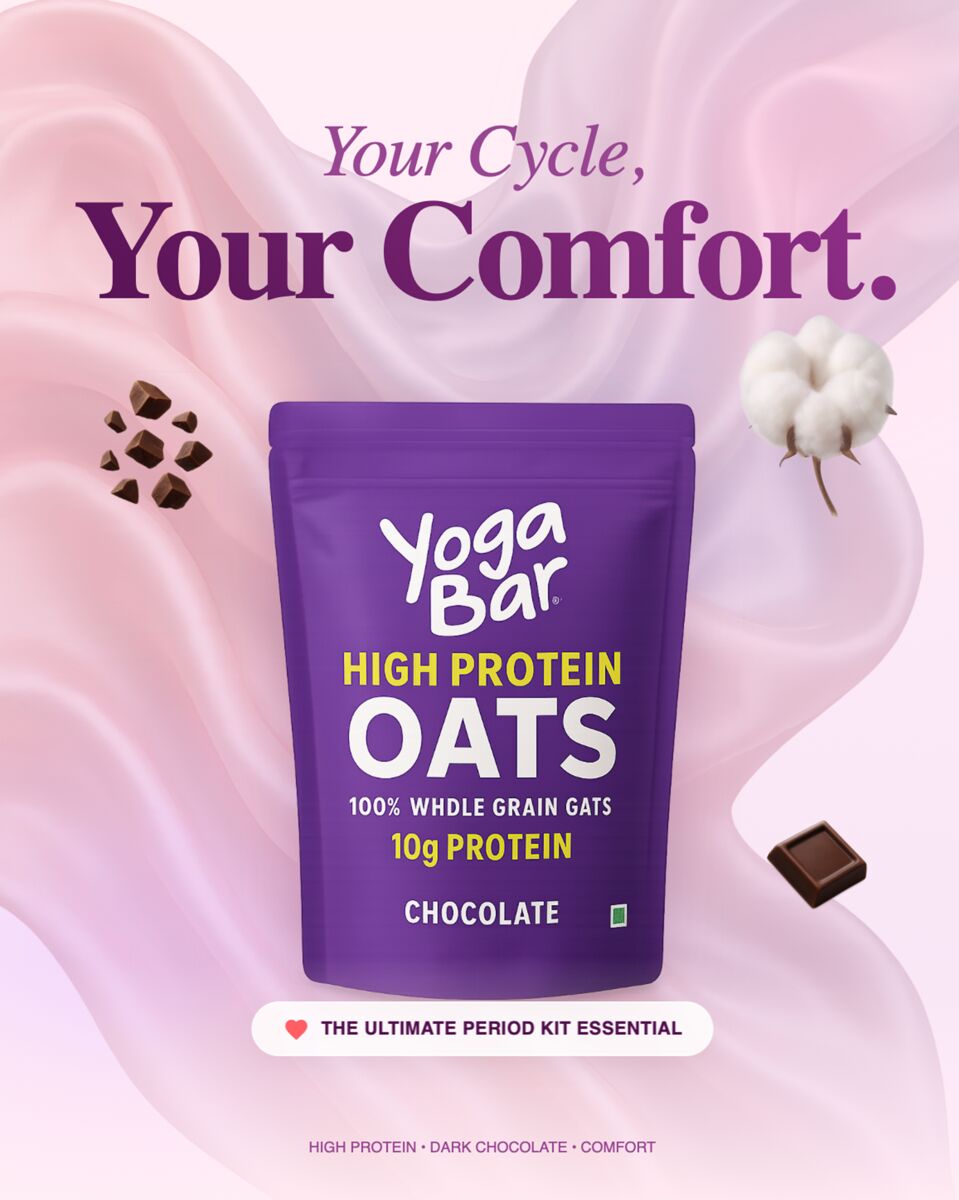
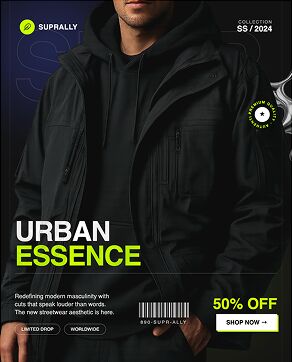
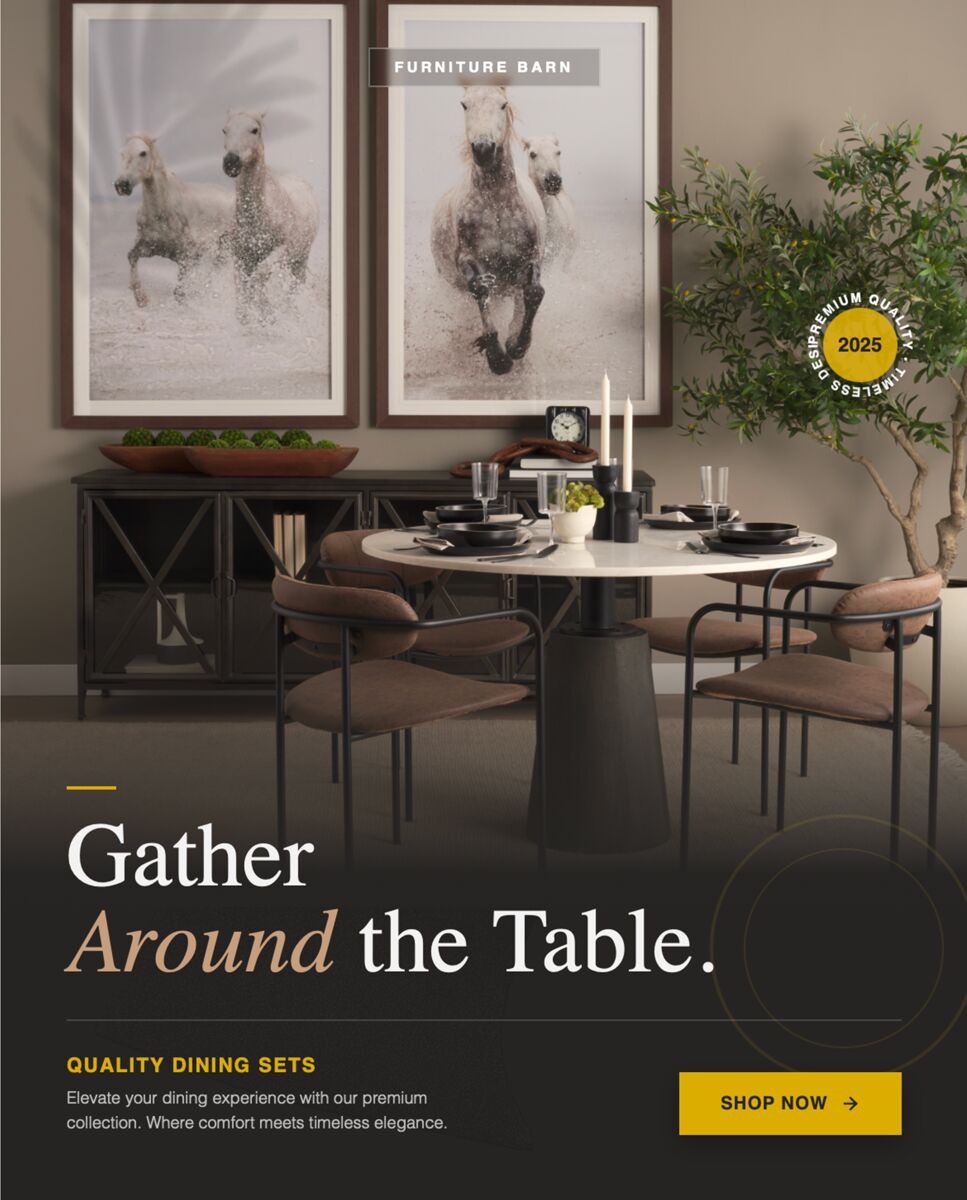
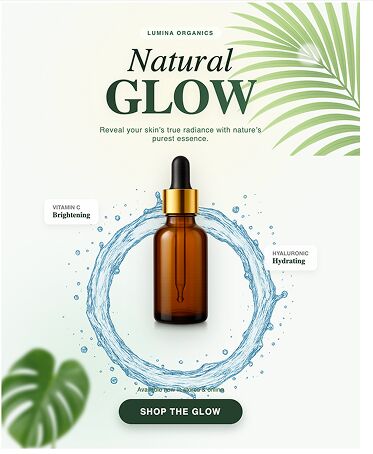
Start by listing core elements: title, author name, date, venue, vibe, and QR‑code placeholder. Add style tags like "neon blue and black", "bold sans‑serif", "4:5 vertical". Example prompt: "Create a 4:5 vertical event poster for a sci‑fi book launch, neon blue and black palette, bold sans‑serif title, include QR code placeholder". Run the prompt in DesignLumo; you receive a layered PSD with editable text layers, image layers, and a QR‑code placeholder. Export PNG for social and PDF for print in under 30 seconds, slashing design time from hours to minutes.
Layered Export to Canva for Fine‑Tuning
After generating the poster in DesignLumo, export the file as a layered .psd. Open Canva, upload the PSD, and enable Canva’s brand kit to replace colors with your author palette instantly. Adjust spacing, add animated stickers for Instagram Stories, or swap placeholder images with royalty‑free photos from Unsplash. The fine‑tuning typically takes ~10 minutes versus rebuilding from scratch. Use Canva Pro to add motion and schedule directly to social platforms, preserving the editability of each layer while leveraging Canva’s publishing workflow.
Midjourney Mood Board + DesignLumo Conversion
Generate four mood images in Midjourney using genre‑specific prompts (e.g., "steampunk book launch poster, warm copper tones, intricate gears"). Select the best mood board, copy its descriptive tags, and feed them into DesignLumo as a style reference. Run the DesignLumo prompt to produce an editable poster that mirrors the Midjourney aesthetic while remaining fully editable. Total time: two Midjourney generations (~2 min each) plus one DesignLumo run (~30 sec) = under 5 minutes. This hybrid workflow delivers unique visuals without sacrificing layer control.
3. Optimization & Distribution
A/B Testing Posters on Facebook Ads
Create two poster variants that differ only in CTA color or wording. Upload both to Facebook Ads Manager, set an identical $50 budget, and run a 7‑day split test. Install the Facebook Pixel on your event landing page to capture conversions. After the test, compare CPA; aim for a winner that reduces cost per sign‑up to under $2 and improves conversion by at least 10%. Record the winning creative and reuse its elements for future promotions to continuously lower acquisition costs.
QR Code Integration with Google Analytics
Use QR Code Generator to create a QR that points to a UTM‑tagged landing page (utm_source=poster&utm_medium=qr&utm_campaign=launch). Insert a QR‑code placeholder layer in DesignLumo, then export the final PDF at 300 DPI. Monitor sessions, bounce rate, and goal completions in Google Analytics under the custom campaign. Set a target of at least 150 scans on event day with a 5% conversion to RSVP. This data lets you quantify offline-to-online traffic and refine future poster placements.
Print‑Ready PDF Checklist for 300 DPI
Before sending to a printer, open the exported PDF in Adobe Acrobat and run the Preflight profile "PDF/X‑1a:2001" to enforce 300 DPI raster images, CMYK color mode, 0.125" bleed, and embedded fonts. Flatten layers only for the print version while preserving a separate editable PSD for future tweaks. Perform a test print on a local printer to catch any clipping. Following this checklist reduces costly re‑prints by up to 30% and ensures the final poster meets professional standards.
Before you go
- Batch generate multiple poster sizes (Instagram, Facebook, print) in one DesignLumo session to keep brand consistency.
- Leverage DesignLumo’s Brand Kit integration to auto‑apply your author’s color palette across all assets.
- Schedule posts using Buffer or Later and attach UTM parameters to track each poster’s performance separately.

Ready to create your first design?
Join thousands creating professional designs in seconds.
Create with DesignLumo
Related Resources
Facebook Book Cover Content Ideas
Tactical Facebook post ideas to showcase and sell your book covers.
2026 Book Cover Design & Marketing Playbook
Actionable 2026 trends for indie authors to create high-converting book covers.
Ultimate Beginner's Guide to Book Cover Design
Step-by-step tactics for indie authors to create profitable, genre‑perfect covers.
Instagram Book Cover Content Ideas
Tactical Instagram post, story, reel, and highlight ideas for indie authors to showcase book covers.
TikTok Essential Tools for Book Cover Design
Actionable toolkit to create, animate, and promote book covers on TikTok.
Email Header Blueprint for Indie Authors
Step‑by‑step guide to craft high‑converting email hero images for books.