Ultimate Checklist for Label & Packaging Campaigns
Bringing a new product to shelf requires flawless label and packaging execution. This guide walks you through every tactical step from compliance to post‑launch analytics. Follow the checklist and cut weeks off your timeline while protecting brand eq…

1. Research & Compliance Foundations
SKU Matrix Planner
Create a master SKU matrix in Google Sheets, listing product name, dimensions, ingredient list, and required regulatory icons. Link the sheet to Airtable via Zapier to generate dynamic views that auto‑calculate print cost (area × $0.02 + variable fees). Apply conditional formatting to flag rows missing mandatory fields, targeting less than 5% incompleteness. Export the final CSV to the design team, reducing planning time from two weeks to two days while ensuring every SKU meets compliance before design begins.
Regulatory Visual Checklist
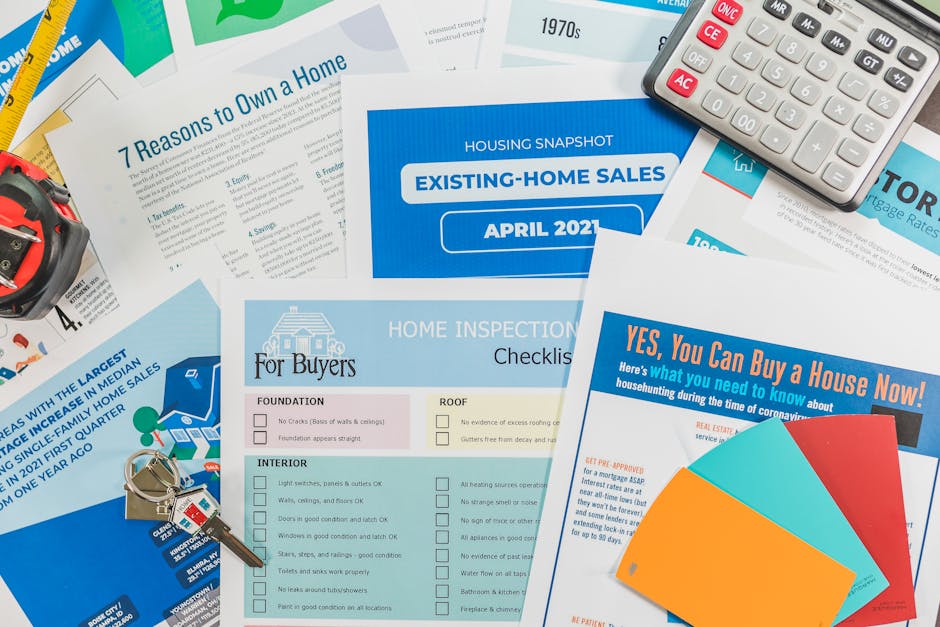
Download the FDA Food Labeling Guide and EU Cosmetic Regulation PDFs, then extract required icons into a shared folder on Dropbox. Use ComplianceOnline's label compliance module to map each icon to your SKU matrix, assigning a binary flag (1 = present, 0 = missing). Run a weekly script in Python (pandas) that tallies missing icons per SKU and emails the compliance lead. Aim for 100% icon coverage before any design handoff to avoid costly re‑prints.
Competitor Label Audit
Gather top‑10 competitor packages from your category on Amazon and store images in a Canva board. Use Midjourney to generate AI variations of their layouts for inspiration, then overlay a grid in Canva to compare hierarchy, color contrast, and font weight. Record findings in a Notion table with a scoring rubric (0‑10) for each attribute. Target a minimum average score of 7 for your own concepts, ensuring you meet or exceed market visual standards.
2. AI‑Powered Design Production
Prompt‑Driven Label Generation
Feed each SKU’s key attributes into DesignLumo using a structured prompt: “Create a 100 ml luxury facial serum label, pastel teal background, gold foil accent, compliance icons for EU, brand tone elegant, include space for QR code.” DesignLumo returns a fully layered PSD with editable text layers, font families, and color swatches. Review in Photoshop, adjust any brand‑specific copy, and export a print‑ready PDF/X‑4. This cuts initial concept time from 8 hours to under 30 minutes per SKU.
Layered Asset Management
Import the PSD files from DesignLumo into Figma for collaborative review. Use Figma’s component library to tag reusable elements (logo, ingredient list tables, barcode placeholders) and set up auto‑layout constraints for different package sizes. Enable version control and comment threads so copywriters can edit text directly in the browser. Track asset reuse with a simple counter; aim for 70% of elements to be reused across SKUs, cutting asset creation costs by roughly $15 per label.
Brand Kit Automation
Upload your brand’s color palette, typography, and logo assets into DesignLumo’s Brand Kit. Then sync the same kit to Canva, ensuring any non‑AI designers can pull exact brand values. When a new SKU is added, DesignLumo automatically applies the Brand Kit, guaranteeing 100% brand consistency without manual checks. Measure success by a 0% brand deviation rate in post‑launch audits and a 25% reduction in QC time.
3. Mockup, Proof & Shelf Testing
3D Packaging Mockup
Upload the final layered PSD into Placeit’s 3D mockup generator, selecting the appropriate bottle, jar, or box template. Enable DesignLumo’s export option for transparent PNG overlays to replace placeholder graphics instantly. Generate at least three angle renders per SKU and embed them into a Google Slides deck for stakeholder review. Track approval time; aim for <48 hours per mockup set, cutting the traditional 1‑week render cycle in half.
Color Accuracy Proofing
Export the print‑ready PDF/X‑4 and run it through Pantone Verify’s soft‑proof module, selecting the exact CMYK profile (US Web Coated SWOP v2). Compare on a calibrated Epson 10000 printer using Pantone Color Bridge swatches. Record ΔE values; any reading above 2.0 triggers a color tweak in DesignLumo. This systematic proofing reduces out‑of‑spec print runs from 5% to under 0.5%, saving $3,000 per 10,000 units.
Shelf‑Impact A/B Testing
Create two visual variants per SKU in DesignLumo (e.g., different headline font weight). Upload both to UsabilityHub’s Five Second Test, targeting 150 participants from your target demographic. Capture click‑through intent scores and calculate lift using the formula: ((Score Variant B – Score Variant A) / Score Variant A) × 100%. Accept any variant with a ≥8% lift before final print. This data‑driven tweak typically drives a 3‑5% sales uplift on launch.
4. Launch Execution & KPI Tracking
Automated File Handoff
Set up a Zapier workflow that triggers when a DesignLumo project reaches ‘Approved’ status. The zap pulls the final PDF/X‑4, generates a print‑ready PNG preview, and uploads both to a shared Dropbox folder with a naming convention SKU_YYYYMMDD.pdf. Simultaneously, it creates a task in Asana for the print vendor with a due date. This automation cuts manual handoff time from 30 minutes per file to under 2 minutes, eliminating human error.
Retailer Compliance Upload
Integrate your Dropbox folder with Esko WebCenter’s retailer portal using the WebCenter API. Configure the API to auto‑push any new PDF that matches the retailer’s file‑type spec (e.g., .ai, .pdf). Include metadata tags for SKU, batch number, and launch date. Monitor the API response log; aim for a 99.9% success rate and zero manual re‑uploads, which typically reduces compliance‑related delays by 2‑3 business days.
Post‑Launch Performance Dashboard
Connect Google Analytics, POS sales feed, and your Shopify store to Google Data Studio. Build a dashboard that tracks SKU‑level metrics: shelf‑share lift, sell‑through rate, and average order value. Set alerts for any SKU whose sell‑through falls below 70% of forecast within the first 30 days. Use these insights to trigger a rapid redesign loop in DesignLumo, typically recapturing 2‑4% incremental revenue per under‑performing SKU.
Before you go
- Leverage DesignLumo’s Brand Kit to enforce color consistency across all SKUs automatically.
- Batch upload all regulatory icons to a cloud library; reference them by filename in prompts to avoid missing assets.
- Schedule weekly 15‑minute stand‑ups with design, compliance, and supply‑chain leads to catch bottlenecks early.
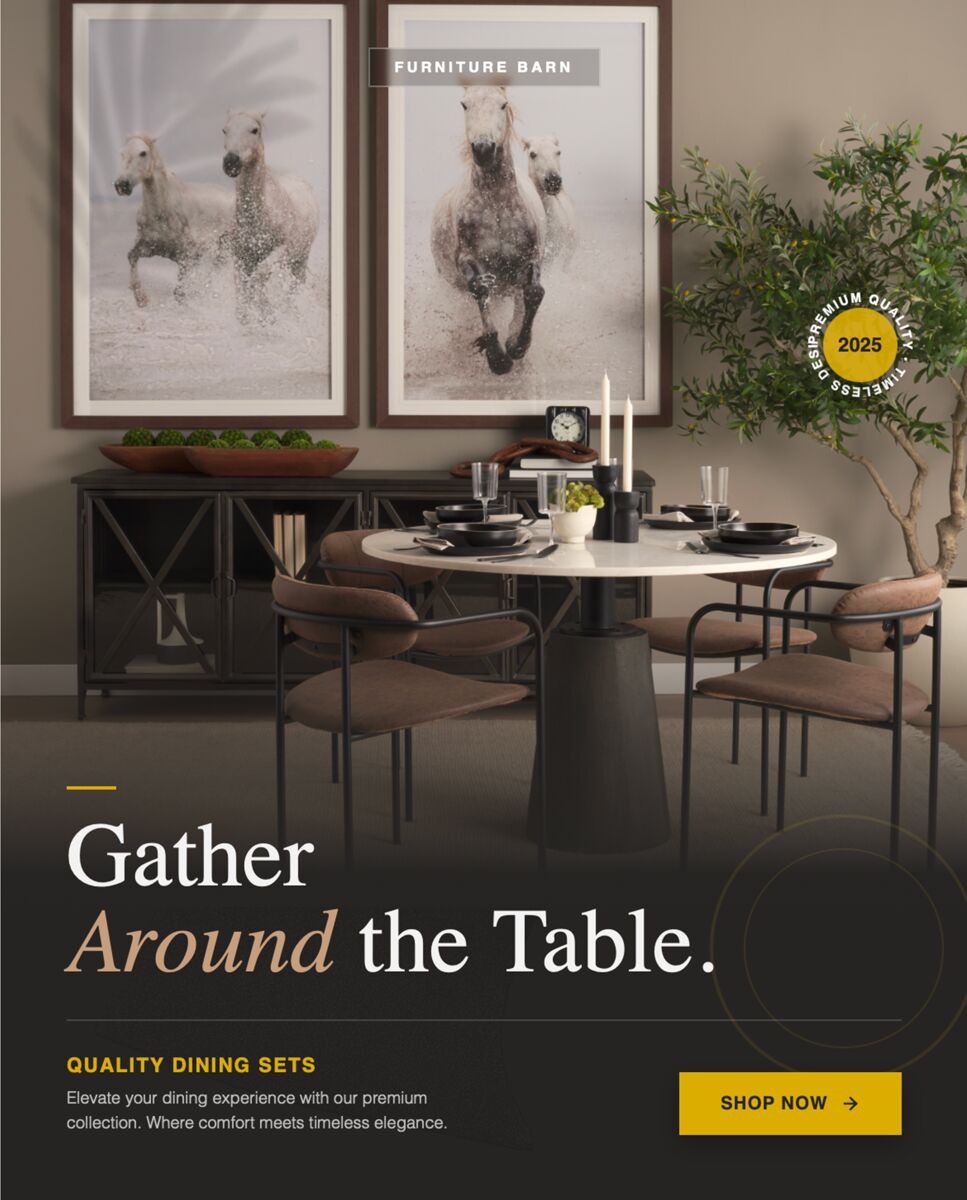
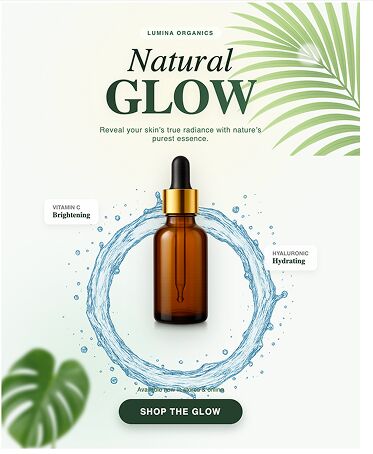
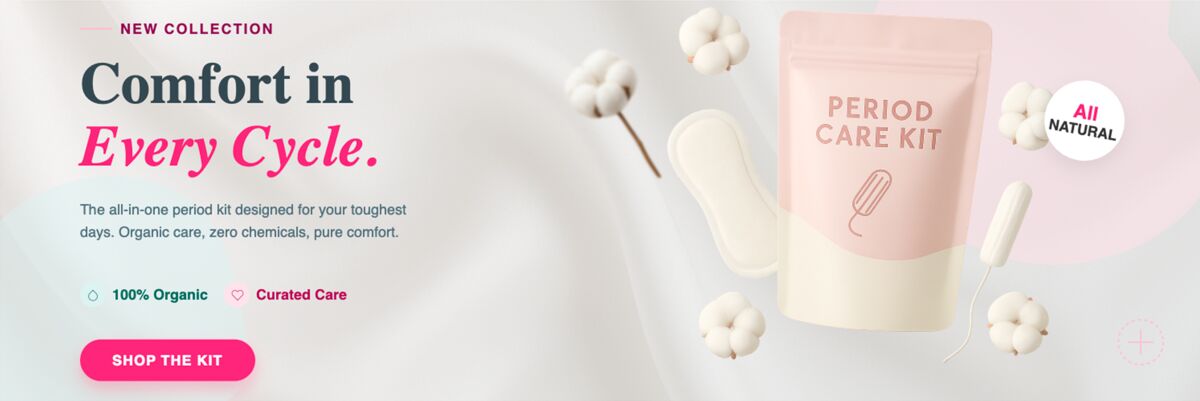
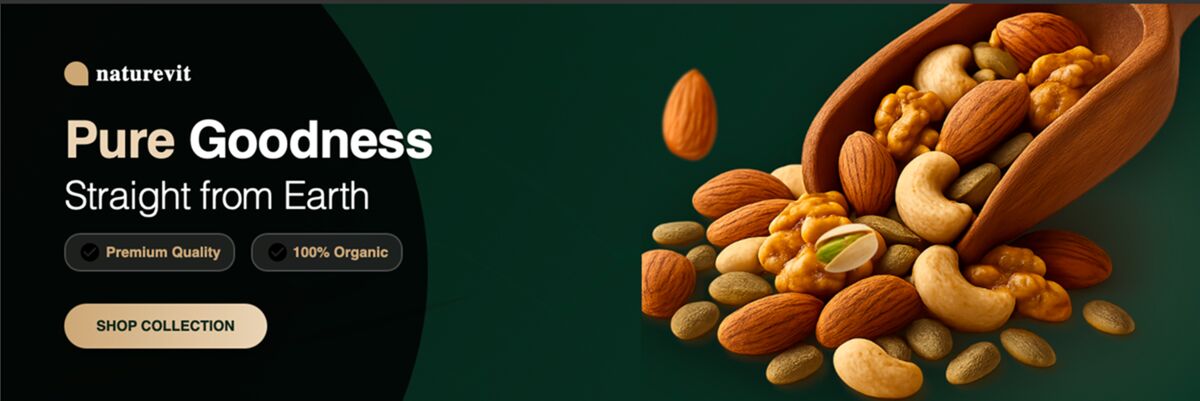

Ready to create your first design?
Join thousands creating professional designs in seconds.
Create with DesignLumo
Related Resources
Shopify Label & Packaging Design Toolkit
Essential Shopify tools for creating high‑impact label, packaging and store visuals.
Print Materials Design Guide for Labels & Packaging
Step‑by‑step tactics to create high‑impact flyers, brochures, menus, and print‑ready packaging.
Email Header Design Blueprint for Product Brands
Step-by-step tactics to craft high‑impact email hero images for packaging brands.
Instagram Tools Every Packaging Brand Needs
Essential Instagram tools and workflows for label and packaging designers.
Small Business Saturday Packaging Playbook
Actionable label & packaging tactics for Small Business Saturday local campaigns.
Twitter/X Tools for Label & Packaging Brands
Tactical toolkit to boost X graphics, threads, and quote cards for packaging marketers.