The Ultimate Brochure Printing Guide: From Concept to High‑Impact Print
Whether you’re promoting a destination, a product line, or an event, a well‑printed brochure can be a game‑changer. This guide walks you through every decision point—from paper stock to finishing—so you can avoid costly mistakes and deliver a piece t…


1. Choosing the Right Materials
Paper Matters: Find the Best Stock for Your Brochure Printing Guide

The paper you choose sets the tactile tone of your brochure. Matte finishes convey a modern, understated vibe, while glossy stocks boost color vibrancy and catch the eye. Consider weight—typically 100‑170 gsm for a single‑sided flyer and 200‑300 gsm for a premium tri‑fold. Evaluate coating options for durability, especially if the brochure will travel. Test a few samples under natural light before committing, and remember that heavier paper often justifies a higher price point through perceived quality.
Fold Types Explained in This Brochure Printing Guide
Fold selection determines how your audience experiences the narrative. The classic tri‑fold offers six panels for a balanced story, while a Z‑fold provides a seamless flow without a central crease. Gate folds create a dramatic reveal, perfect for high‑impact visuals. For longer content, consider a booklet style with saddle stitching. Each fold adds cost and complexity, so match the choice to the amount of information and the visual hierarchy you need to communicate.
Eco‑Friendly Choices in Your Brochure Printing Guide
Sustainability is no longer a niche concern; many clients expect recycled or FSC‑certified paper. These options often come in slightly lighter weights but can be coated for a premium feel. Look for papers with a high post‑consumer content percentage and low volatile organic compounds (VOCs) in inks. While the per‑sheet cost can be 5‑10 % higher, the brand goodwill and potential tax incentives can offset the expense, making it a smart long‑term investment.
2. Design & Layout Essentials
Color Management Tips for a Flawless Brochure Printing Guide

Working in CMYK from the start prevents surprise shifts when the design hits the press. Calibrate your monitor, embed ICC profiles, and run soft‑proofs to gauge how colors will reproduce on the chosen paper. Limit the number of spot colors to control cost, but don’t shy away from them when brand guidelines demand precision. A well‑managed color workflow reduces the need for expensive re‑runs and ensures the final piece matches your vision exactly.
Typography Rules Every Brochure Printing Guide Should Follow
Typography shapes readability and brand personality. Stick to two type families: one for headlines and another for body copy, and maintain a clear hierarchy with size, weight, and spacing. Avoid using more than three font sizes to keep the layout clean. For print, choose fonts with good hinting and legibility at small sizes, and always embed the font files in your PDF to avoid substitution issues at the printer.
AI‑Generated Layouts: Speed Up Your Brochure Printing Guide with DesignLumo

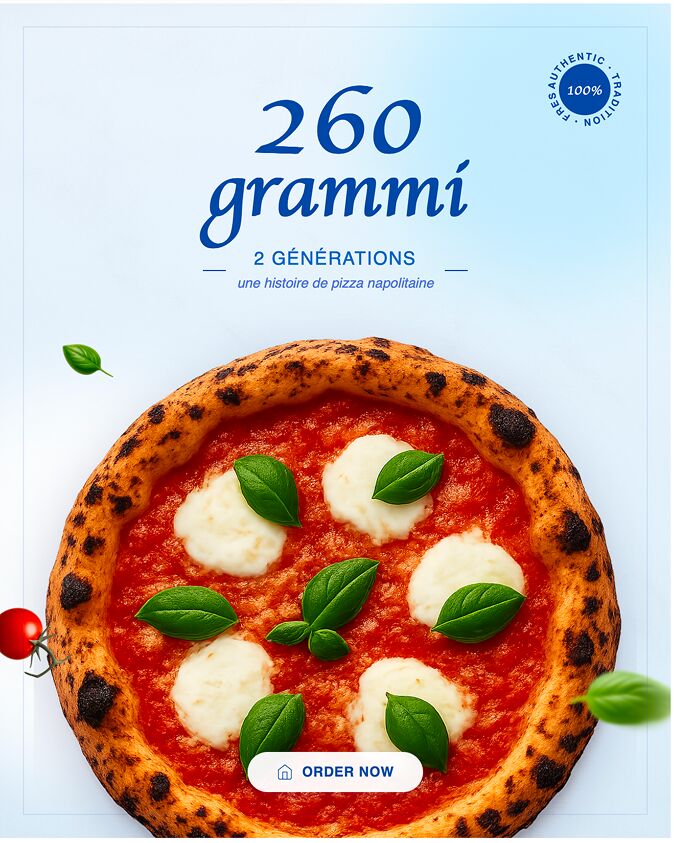
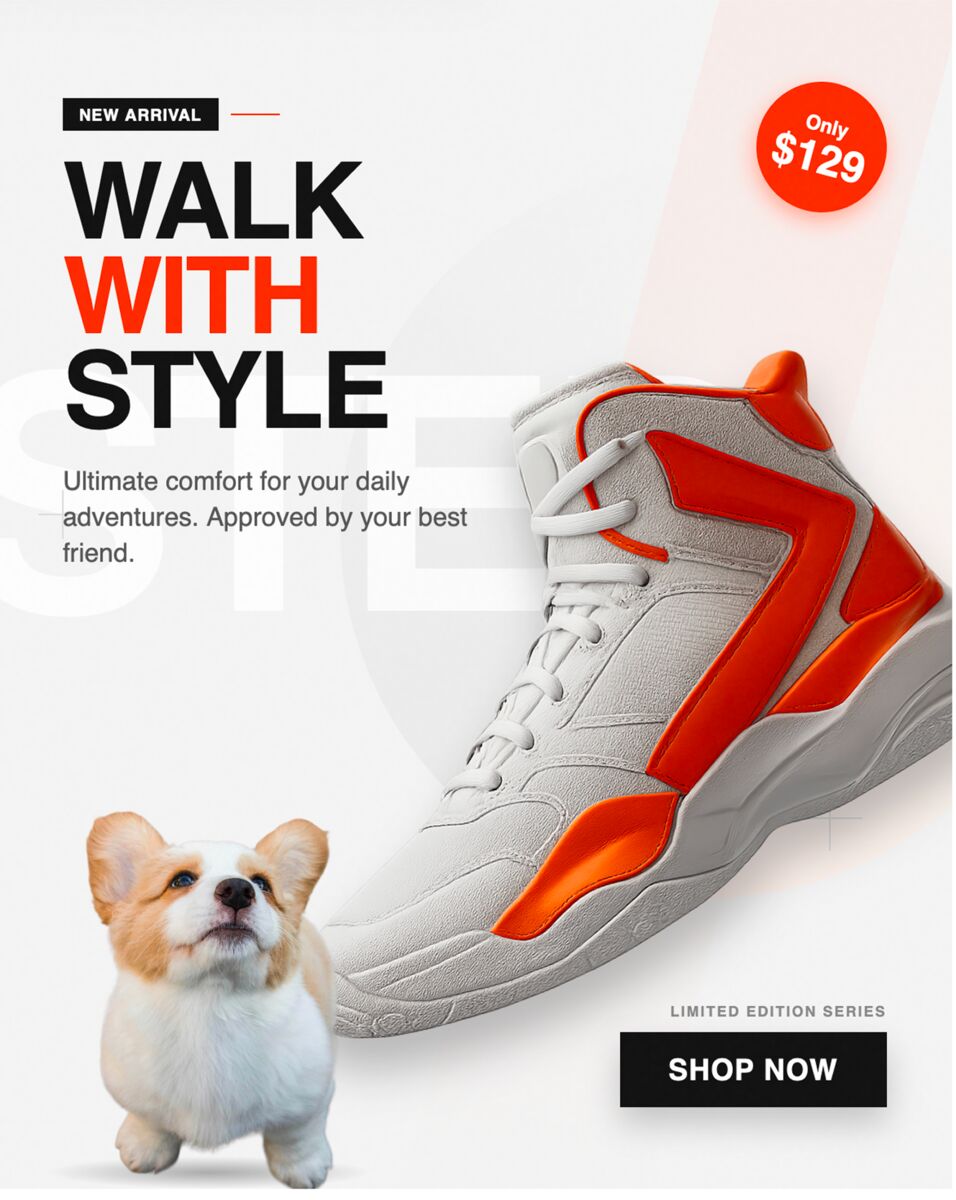
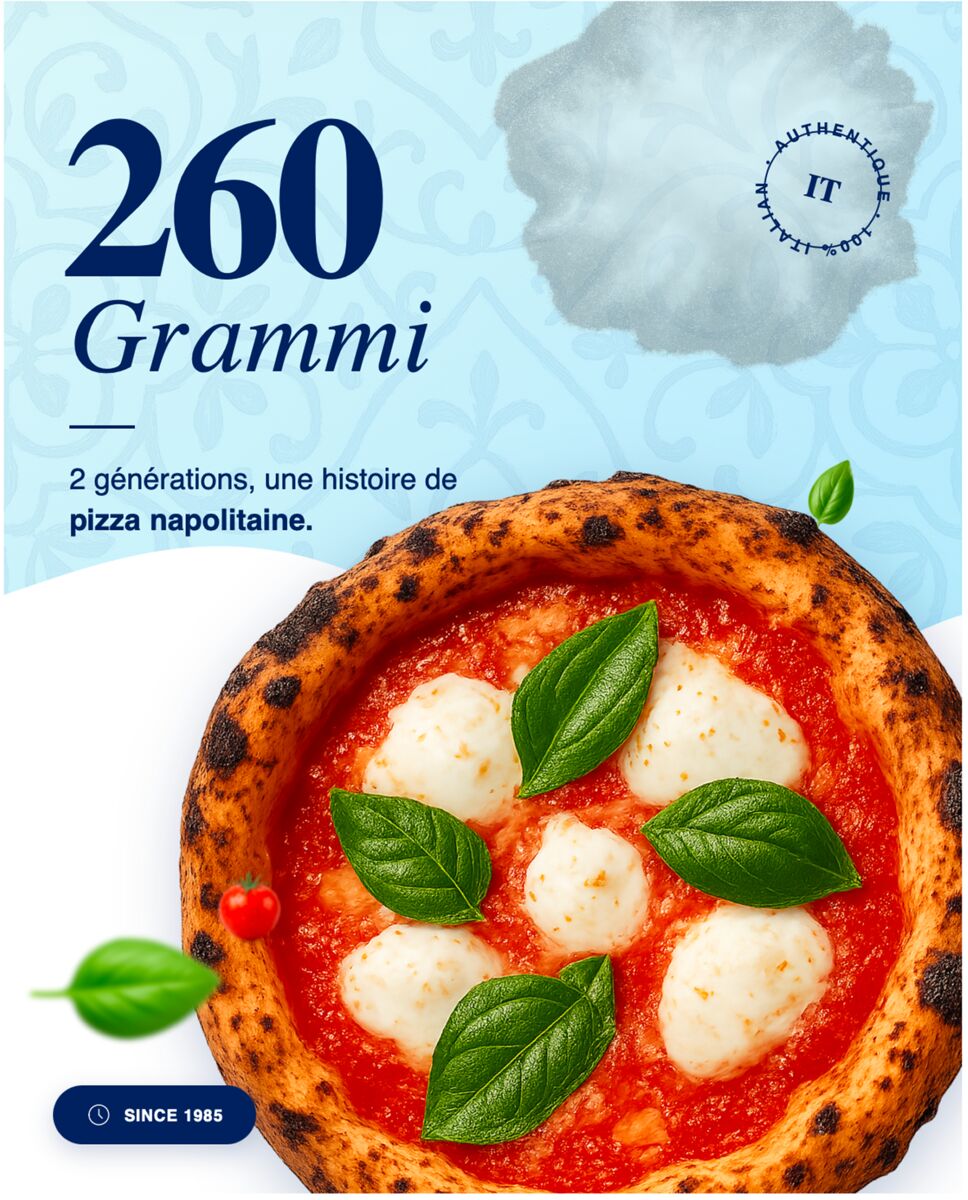
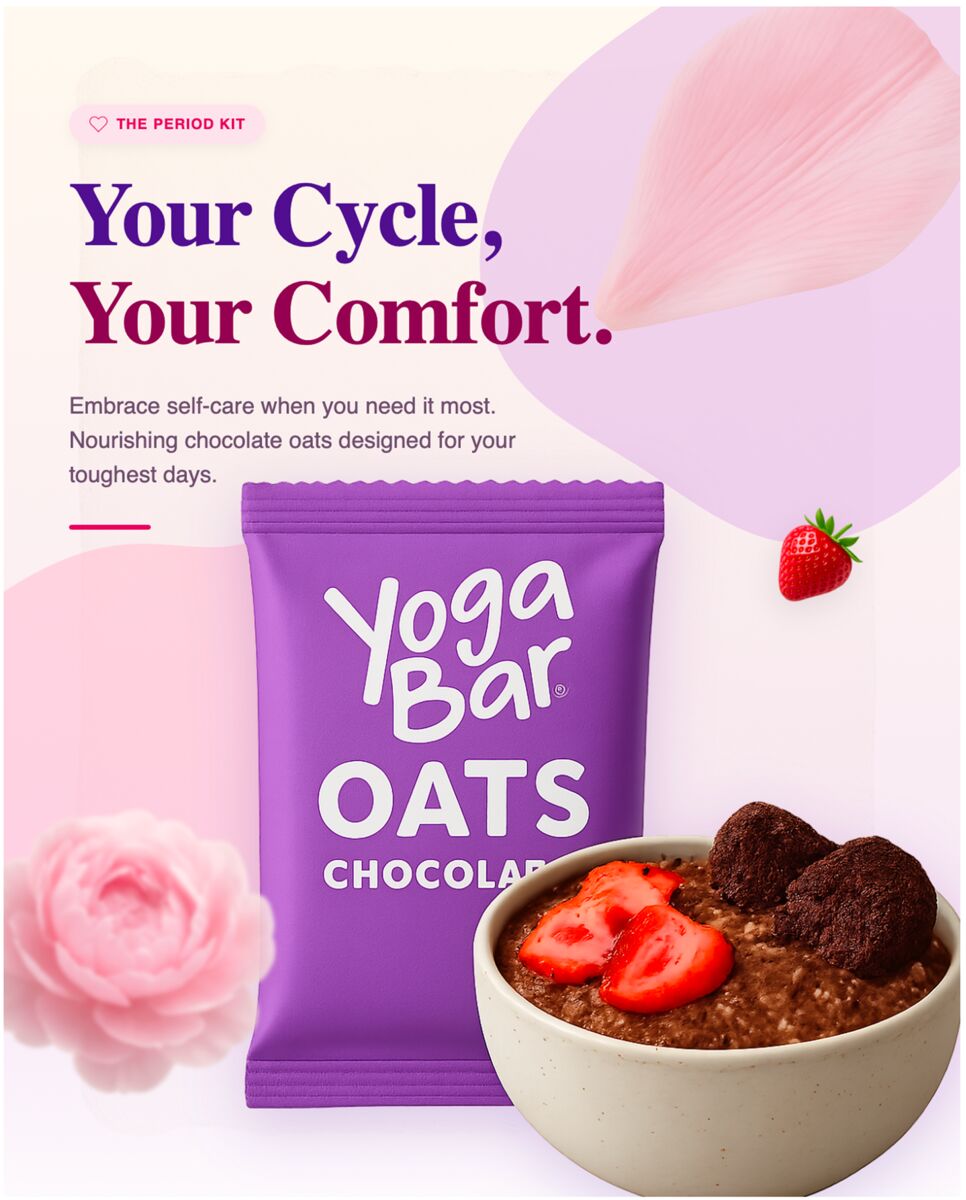
DesignLumo’s AI design generator can produce layered, editable brochure layouts from a single text prompt, cutting initial design time dramatically. Choose a template, describe your travel theme, and let the tool output a ready‑to‑customize file that respects your brand colors. You can then tweak images, copy, and spacing before exporting a print‑ready PDF. This approach is especially useful for small teams needing professional results without hiring a full‑time designer.
3. Printing & Finishing Techniques
Proofing Strategies for a Reliable Brochure Printing Guide
Never skip a proof. Request a digital soft proof first to catch glaring errors, then move to a hard‑copy press proof on the final paper stock. Examine color fidelity, text sharpness, and fold alignment. If possible, run a short run of 10‑20 copies to test durability and how the brochure behaves when handled. Investing in thorough proofing saves money by catching issues before the full production run begins.
Finishing Options That Elevate Your Brochure Printing Guide

Finishing can turn a standard brochure into a tactile experience. Spot UV adds a glossy highlight to key visuals without affecting the whole sheet. Embossing or debossing creates subtle texture that reinforces branding. Rounded corners improve durability and give a polished look. Each option adds a marginal cost per unit, so calculate the impact on your budget versus the perceived value boost before deciding.
Cost‑Control Tactics for Your Brochure Printing Guide

Control expenses by standardizing sizes, using a single paper type, and limiting spot colors. Order in bulk to leverage volume discounts, and ask printers for a detailed cost breakdown before approving. Compare quotes from at least three vendors, and consider local printers to reduce shipping. Lastly, align your print run with realistic distribution goals—over‑printing ties up capital and can lead to waste.
Before you go
- Print a single copy on the exact paper and finish you plan to use; handling that sample reveals issues that digital proofs hide.
- Use a bleed of at least 3 mm on all sides to avoid white edges after trimming, especially for full‑bleed images.
- Maintain a master spreadsheet of paper, ink, and finishing costs so you can quickly model different design choices against your budget.



Ready to create your first design?
Join thousands creating professional designs in seconds.
Create with DesignLumo
Related Resources
Travel Brochure Examples That Capture Wanderlust and Drive Bookings
Explore 9 real‑world travel brochure examples, see why design matters, and learn how DesignLumo’s AI generator can help you craft stunning, editable layouts that convert.
The Ultimate Instagram Carousel Mockup Guide: From Concept to Click‑Ready Slides
Step‑by‑step Instagram carousel mockup guide: plan your story, design layered slides with DesignLumo, and export ready‑to‑post files for maximum impact.
Instagram Carousel Splitter Guide: From Free Tools to Pro Publishing
Learn how to split Instagram carousel posts quickly with free tools, desktop software, and mobile apps. Follow our step‑by‑step guide and boost engagement.
How Many Photos in an Instagram Carousel? (Quick Answer + What Actually Works)
Instagram carousels allow up to 20 slides. But the real question is how many you should use. Here's what actually drives engagement.