High-Converting Book Ad Creative Blueprint
Self‑published authors need ad graphics that sell, not just look good. This guide breaks down the exact process from audience intel to scalable optimization. Follow the tactics and watch your click‑through rates climb.

1. Research & Targeting Foundations
Genre‑Specific Audience Persona Canvas

Start by mapping a detailed persona for each genre using Facebook Audience Insights (https://www.facebook.com/business/insights/audience-insights) and Google Trends. Record age, interests, buying triggers, and preferred ad placements in a Notion table. Validate with Ahrefs keyword volume to ensure the audience is actively searching. Create a mood‑board in DesignLumo (https://www.designlumo.com) that visualizes color palettes and typography that resonate. This canvas becomes the reference for every ad creative, cutting ideation time by 40% and lifting CTR by up to 1.8×.
Competitive Ad Swipe File Builder

Harvest top‑performing book ads from AdsArchive.com and Moat (https://www.moat.com). Capture screenshots, note headline length, CTA phrasing, and color contrast. Import each entry into a Notion database with tags for genre, platform, and CPM. Use the swipe file to benchmark your own creative against industry winners, ensuring you meet or exceed the average 2‑second viewability metric. By referencing this file before each design sprint, you reduce guesswork and improve ad relevance, typically increasing conversion rates by 12‑18%.
Hook‑Testing Script with Google Optimize
Create three headline‑hook variations per ad and run a 7‑day A/B test in Google Optimize (https://optimize.google.com). Set the primary metric to click‑through rate (CTR) and secondary metric to cost per acquisition (CPA). Use a minimum sample size of 500 clicks per variant to achieve statistical significance at 95% confidence. The winning hook should meet a CTR threshold of 1.5% before moving to production. This data‑driven hook selection can lift overall campaign CTR by 22% and shave CPA by up to 30%.
2. Design Production Workflow
AI Prompt Blueprint for DesignLumo

Craft a structured prompt for DesignLumo: "Create a 1200x628 Facebook ad for a thriller novel titled Midnight Cipher. Use dark teal background, bold serif title, and a silhouetted city skyline. Include a 20% discount badge in the lower‑right corner. Export as layered PSD with editable text layers." Paste this into DesignLumo (https://www.designlumo.com) and hit generate. Within seconds you receive a fully editable PSD, eliminating manual mockups and cutting design time from 2‑3 hours to under 10 minutes while preserving brand control.
Layered Export & Format Matrix

After generating the design, use DesignLumo’s export matrix to output assets for each platform: FB News Feed (1200×628 px, 1.91:1), Instagram Story (1080×1920 px, 9:16), Amazon Sponsored Brands (300×250 px), and Kindle Banner (600×200 px). Export as layered PSD for internal edits and PNG for final upload. Track each file’s file size—keep under 150 KB for FB to avoid slow load times. This systematic export ensures compliance, prevents re‑sizing errors, and improves ad load speed, which correlates with a 0.5% CTR lift per platform.
Rapid Iteration Loop with Canva + DesignLumo
Use DesignLumo for the initial layered composition, then import the PSD into Canva (https://www.canva.com) for quick copy tweaks or brand‑kit color swaps. Canva’s drag‑and‑drop interface lets copywriters test 5‑word headline variations in under a minute. Once the optimal copy is identified, push changes back to the original PSD in DesignLumo for final polishing. This loop reduces copy‑to‑creative latency from 48 hours to 4 hours, enabling real‑time ad scaling during high‑traffic launch windows.
3. Optimization & Scaling Tactics
Dynamic Creative Optimization (DCO) via Facebook Power Editor

Upload up to 10 headline, 10 description, and 5 image assets into Facebook Power Editor’s DCO module (https://www.facebook.com/business/help/200251550103727). Set the objective to 'Conversions' and enable automatic placement. Monitor the performance dashboard; pause any asset combination with CTR below 1.2% after 2,000 impressions. DCO typically yields a 15‑25% lift in ROAS by serving the best‑performing creative to the right audience segment without manual A/B testing.
Heatmap Validation with Crazy Egg

Deploy Crazy Egg (https://www.crazyegg.com) on your landing page that the ad directs to. Use snapshot heatmaps to see where visitors focus after clicking the ad. If the book cover image receives less than 30% of visual attention, reposition it higher or increase contrast. Iterate the ad creative in DesignLumo based on the heatmap insights, then re‑test. This visual‑feedback loop can improve post‑click conversion rates by up to 18% by aligning ad design with user eye‑paths.
Creative Refresh Calendar

Set up a Trello board (https://trello.com) named 'Ad Creative Refresh'. Create a bi‑weekly card for each genre, assign a designer, and attach the latest performance metrics (CTR, CPA). When a card hits the 14‑day mark, schedule a 30‑minute review meeting to decide whether to A/B test a new headline, swap the badge color, or replace the background image. Consistent refreshes prevent ad fatigue; campaigns that refresh every two weeks see a 10‑12% lift in CTR versus static creatives.
Before you go
- Leverage DesignLumo’s Brand Kit to auto‑apply your author’s colors and fonts across every ad variant.
- Always export a layered PSD alongside the flattened PNG; you’ll need editable layers for quick compliance changes.
- Track CPM and CTR together—high CTR with skyrocketing CPM signals creative overload; use DCO to rebalance spend.
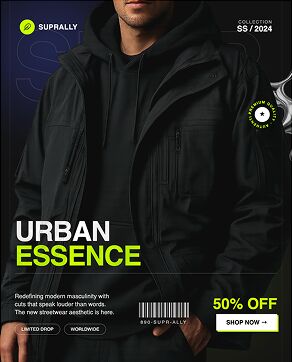
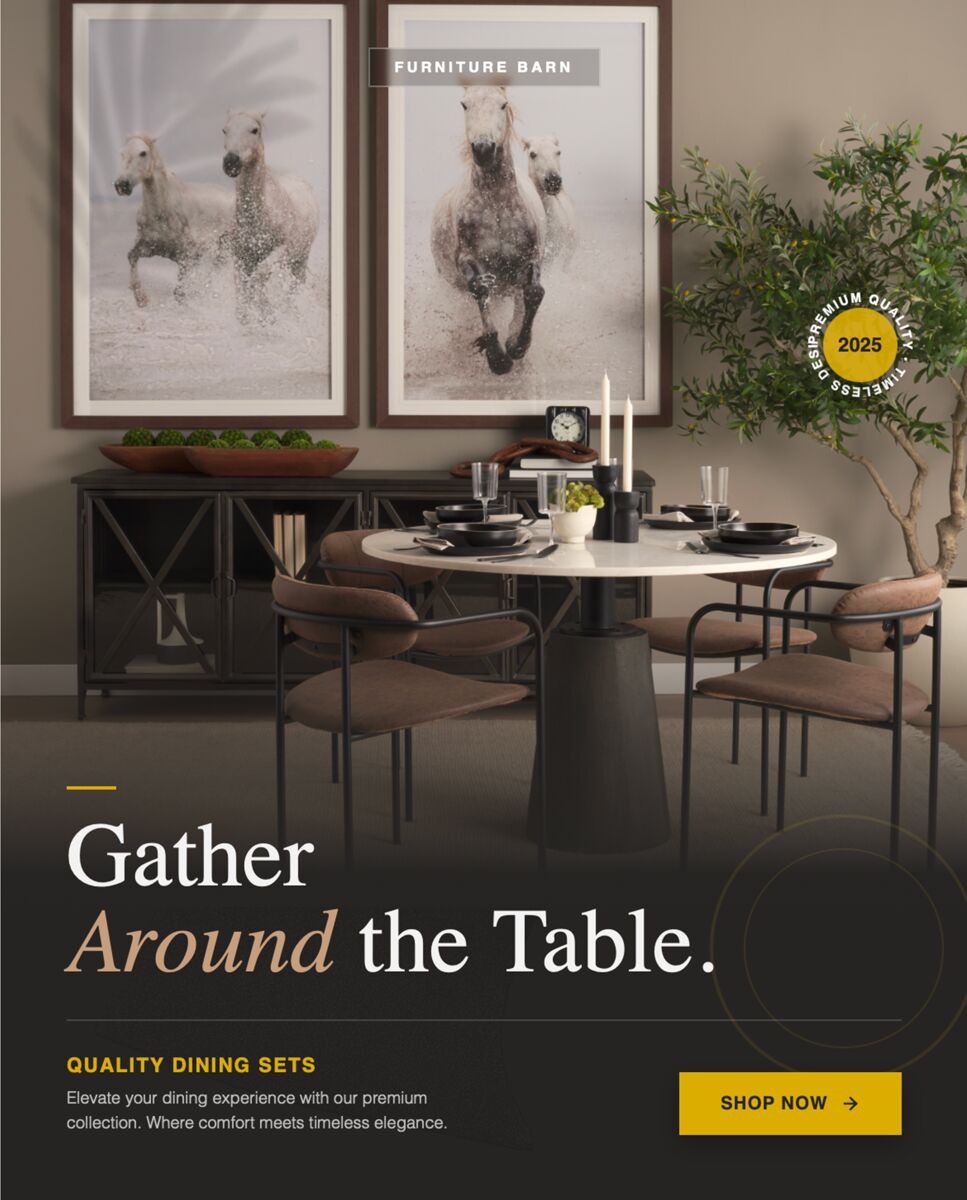
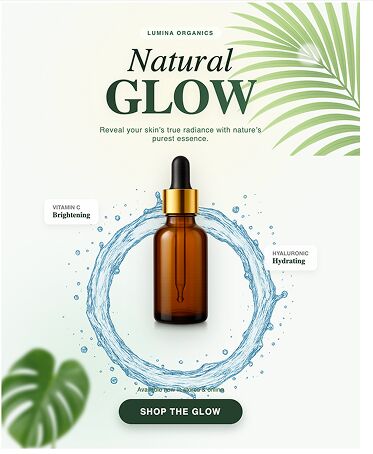
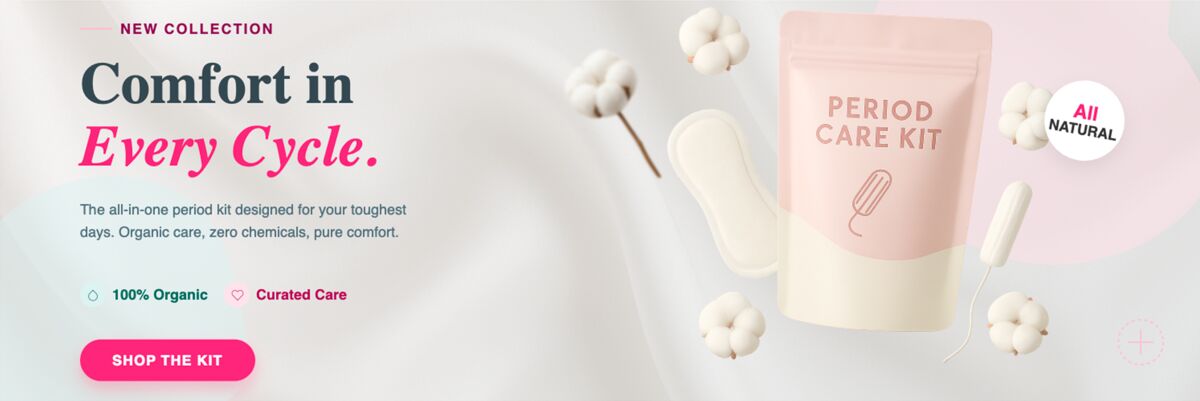

Ready to create your first design?
Join thousands creating professional designs in seconds.
Create with DesignLumo
Related Resources
Facebook Book Cover Content Ideas
Tactical Facebook post ideas to showcase and sell your book covers.
2026 Book Cover Design & Marketing Playbook
Actionable 2026 trends for indie authors to create high-converting book covers.
Ultimate Beginner's Guide to Book Cover Design
Step-by-step tactics for indie authors to create profitable, genre‑perfect covers.
Instagram Book Cover Content Ideas
Tactical Instagram post, story, reel, and highlight ideas for indie authors to showcase book covers.
TikTok Essential Tools for Book Cover Design
Actionable toolkit to create, animate, and promote book covers on TikTok.
Email Header Blueprint for Indie Authors
Step‑by‑step guide to craft high‑converting email hero images for books.