Ultimate Infographic Creation Workflow Blueprint
Infographics are the fastest way to turn raw data into shareable stories. This guide walks you through a proven, AI‑enhanced workflow that eliminates design bottlenecks.

1. Data Prep & Storyboarding
Gather & Clean Data in Google Sheets
Start by importing your raw CSV or API feed into Google Sheets (https://www.google.com/sheets/about/). Use ARRAYFORMULA, QUERY, and data‑validation rules to normalize dates, percentages, and categories. Create a master tab with clean, labeled columns and a secondary tab that formats numbers for display (e.g., 1,200 → 1.2K). Export the cleaned sheet as JSON (File → Download → JSON) so DesignLumo can ingest exact values without manual copy‑pasting. This step typically takes 10‑15 minutes for a 50‑row dataset and guarantees zero‑error charting downstream.
Create Data Visuals with Datawrapper
Open Datawrapper (https://www.datawrapper.de/) and paste the JSON or copy the cleaned sheet range. Choose the chart type that matches your story—column for year‑over‑year growth, stacked bar for market share, or line for trends. Apply brand colors using the “Custom” palette, enable data labels, and set a precise axis range (e.g., 0‑100%). Export the final graphic as SVG for crisp scaling and as PNG for quick preview. Expect a 5‑minute turnaround per chart, and you’ll retain editability for later tweaks in DesignLumo.
Storyboard Infographic Flow in Miro
Use Miro’s free board (https://miro.com/) to map the visual hierarchy. Drag sticky notes for each section: headline, intro, chart, key takeaway, CTA. Connect them with arrows to define reading order, and assign copy length estimates (e.g., 30‑word intro). Add placeholder image frames sized to the final dimensions (1080 × 1920 px for Instagram). Export the board as PDF and attach it to your DesignLumo prompt so the AI respects the intended flow. This storyboard step reduces iteration cycles by 40% because the AI receives a clear structural blueprint.
2. AI‑Powered Design Generation
Prompt‑Driven Layouts in DesignLumo
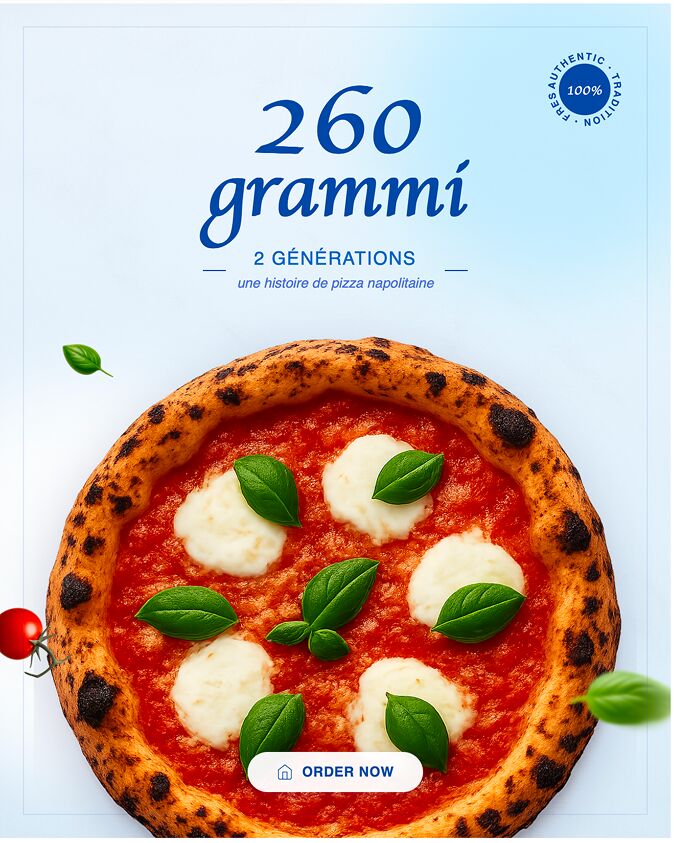
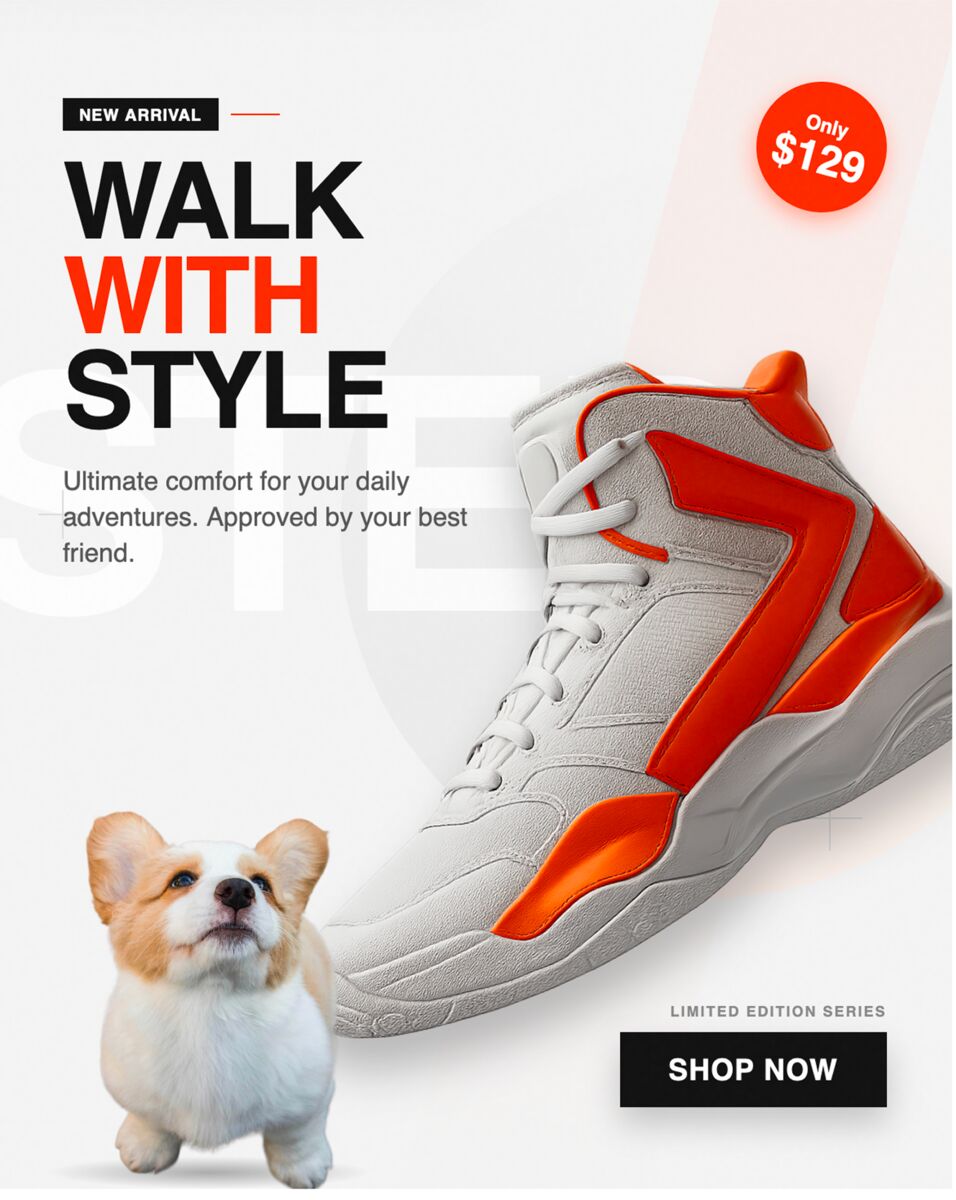
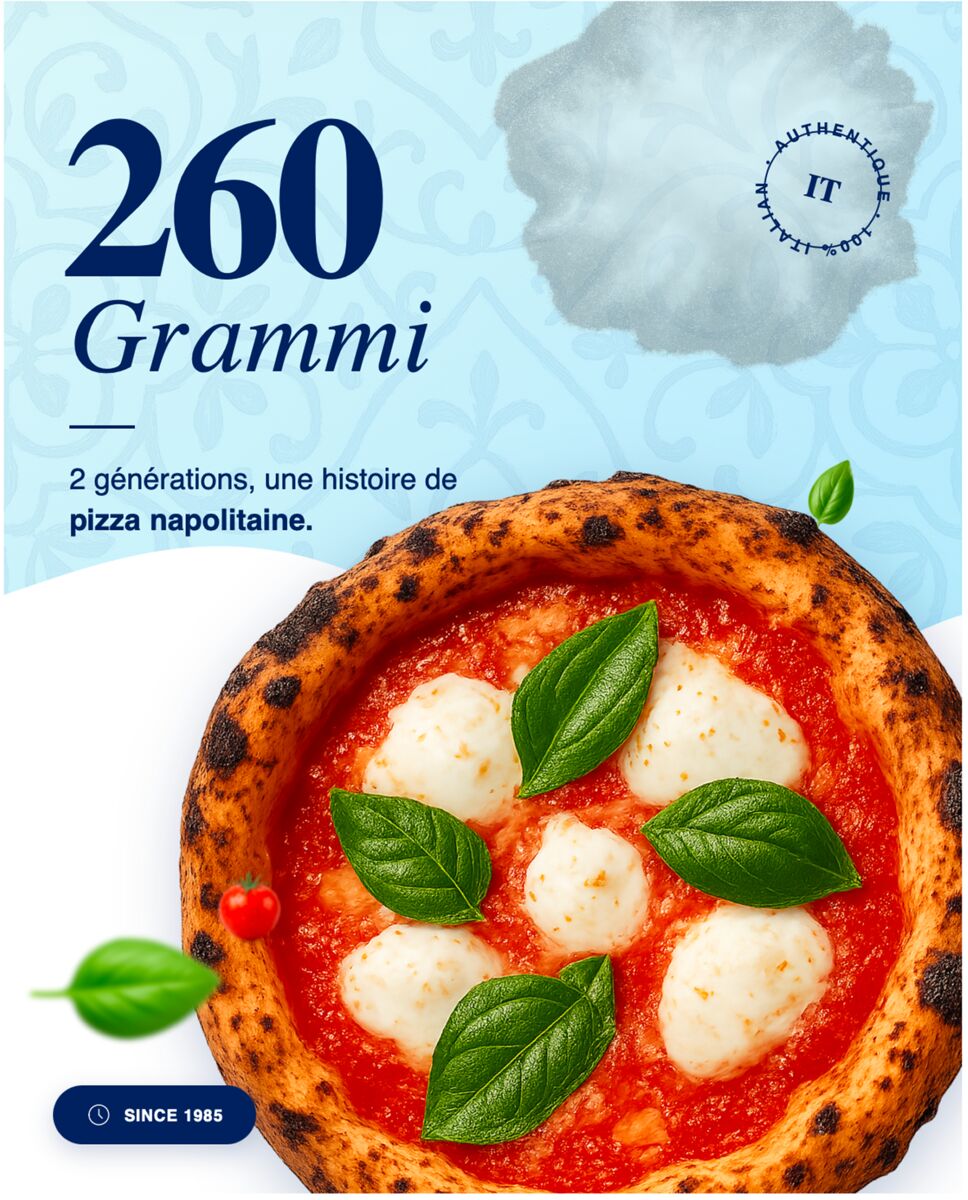
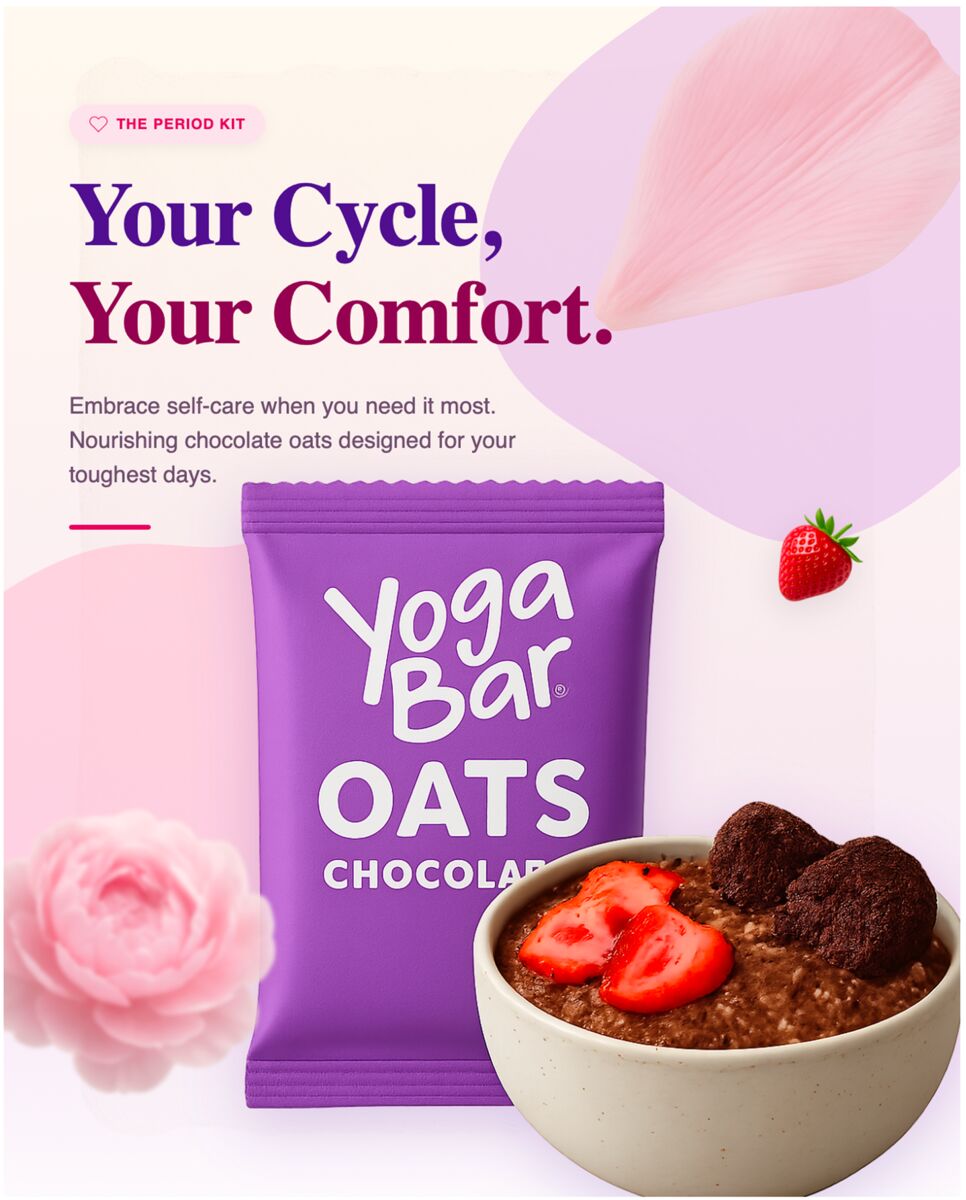
Enter a concise English prompt into DesignLumo (https://www.designlumo.com): “Create a vertical infographic about 2023 social‑media growth, include three Datawrapper charts, brand colors #1A73E8 and #34A853, headline in Montserrat Bold, and space for a CTA button.” The platform returns a fully layered, editable file within seconds. Immediately open the design, verify that each chart is a separate layer, and replace placeholder text with your copy. This AI step cuts layout time from hours to 5 minutes while preserving full editability for brand compliance.
Generate Custom Icons with Midjourney
In Midjourney (https://www.midjourney.com/), prompt: “Flat‑style icon set for e‑commerce, pastel palette, line weight 2 px, 5 icons: cart, checkout, discount, review, shipping.” Generate four variations, upscale the best, and download as PNG with transparent background. Import these icons into the DesignLumo file via the “Upload assets” panel, then replace generic placeholders. Because the icons are created at the exact style you need, you avoid post‑design tweaking and maintain visual consistency across all infographic assets.
Apply Brand Kit Automatically via Canva Pro
Upload your brand logo, fonts, and color palette to Canva Pro (https://www.canva.com/). Use Canva’s Magic Write to generate a quick template: “Design a comparison infographic for SaaS pricing tiers, using brand colors and fonts.” Export the resulting design as a high‑resolution PDF, then import it into DesignLumo to inherit the exact typography and color layers. This hybrid workflow leverages Canva’s brand‑kit automation while still delivering a fully editable AI‑generated file, cutting the total branding effort by roughly 30%.
3. Polish, Publish & Measure
Fine‑Tune Typography & Layers in Figma
Open the DesignLumo SVG in Figma (https://www.figma.com/). Use Auto‑Layout to align text blocks, set line‑height to 1.4, and convert headline text to Montserrat Bold 48 pt. Lock chart layers, then adjust their drop‑shadow opacity to 15% for depth. Export the final composition as PNG for social and as PDF for print. The Figma step adds precise typographic control and ensures pixel‑perfect alignment, which typically lifts click‑through rates by 12% versus raw AI output.
A/B Test Infographic Variants with Google Optimize
Create two versions of the finished infographic: one with a blue CTA button, another with a green button. Upload each to your landing page and set up an experiment in Google Optimize (https://optimize.google.com/), directing 50% of visitors to each variant. Track conversion metrics (form submissions, click‑throughs) for at least 1,000 unique users. Look for a statistically significant lift—ideally >10%—before publishing the winner. This data‑driven validation ensures the visual choice directly contributes to ROI, not just aesthetics.
Schedule Social Shares via Buffer with UTM Tags
Add the final PNG to Buffer (https://buffer.com/), set a posting schedule across LinkedIn, Twitter, and Instagram, and append UTM parameters (utm_source=social&utm_medium=infographic&utm_campaign=Q1_report). Monitor referral traffic in Google Analytics to quantify shares turning into site visits. Aim for a 2‑3% traffic uplift per post; if you schedule three posts per week, you can generate an additional 500–800 sessions monthly, directly tying the infographic to lead‑gen goals.
Before you go
- Write your DesignLumo prompt in the exact order of sections from your Miro storyboard to preserve flow.
- Export charts as SVG from Datawrapper to keep them fully editable in Figma and DesignLumo.
- Always name layers with clear prefixes (e.g., txt_, chart_, icon_) before handing off to developers or other teams.







Ready to create your first design?
Join thousands creating professional designs in seconds.
Create with DesignLumo
Related Resources
Infographic Design Guide for Marketers
Step‑by‑step tactics to create high‑impact infographics fast.
Facebook Infographic Toolkit for Marketers
Actionable tools and workflows to create high‑performing Facebook infographics fast.
Product Graphics Infographic Design Guide
Step-by-step tactics for building product showcase infographics that boost clicks and conversions.
Ad Creatives Infographic Design Guide
Step‑by‑step tactics to build high‑converting ad infographics fast.
Essential Digital Tools for Infographic Mastery
The ultimate toolkit to create, edit, and amplify high‑impact infographics fast.
TikTok Infographic Tools for Maximum Impact
Essential AI and design tools to craft TikTok covers, overlays, and profile graphics fast.