Product Graphics Infographic Design Guide
Product infographics turn raw specs into shareable visual stories. Marketers need a repeatable process that delivers high‑impact graphics without a design team. This guide breaks down every stage—from data collection to AI‑driven creation and distrib…

1. Data Gathering & Storyboarding
Product Feature Matrix Builder
Start by cataloguing every product attribute in a Google Sheet, then import the sheet into Airtable to add tags for priority, audience, and release date. Use Airtable's grouping and filter view to create a clean matrix, then export as CSV. Feed that CSV into DesignLumo with a prompt like "Create a layered comparison infographic with three columns: Feature, Benefit, and Icon". The AI will generate editable layers for each row, letting you tweak fonts and colors instantly. This workflow reduces manual layout time by 70% and ensures data consistency across all assets.
Competitive Comparison Chart Template
Leverage Canva’s pre‑made comparison chart grid as a visual scaffold, then replace static elements with DesignLumo’s AI‑generated layers. Export the Canva design as a PNG, upload to DesignLumo, and prompt: "Recreate this chart with editable text boxes, brand colors #0047AB and #FF6600, and icon placeholders for each competitor". The result is a fully editable Illustrator‑style file that you can customize per product launch, cutting redesign cycles from days to under an hour while preserving brand consistency.
Customer Sentiment Heatmap
Collect post‑purchase survey scores in Typeform, then export the data to a CSV. In Google Data Studio, map sentiment scores to a geographic heatmap, export the visual as SVG, and upload to DesignLumo. Prompt the AI: "Convert this SVG heatmap into a layered infographic with product icons, legend, and brand typography". DesignLumo will preserve the vector paths, allowing you to edit colors and labels without re‑drawing. This method turns raw survey data into a shareable visual in under 30 minutes, boosting credibility and click‑through rates.
2. AI‑Powered Visual Creation
DesignLumo Prompt Engineering for Product Mockups
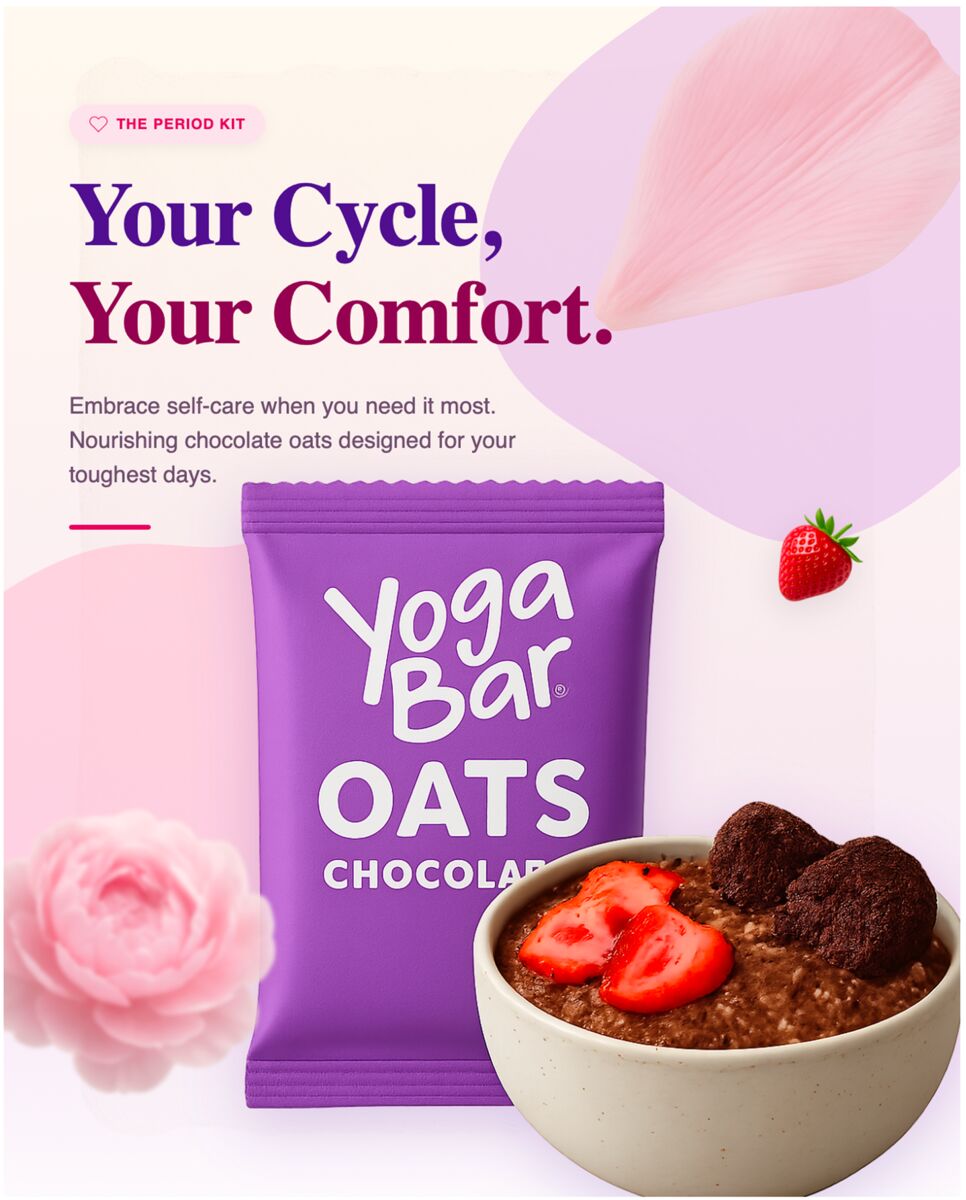
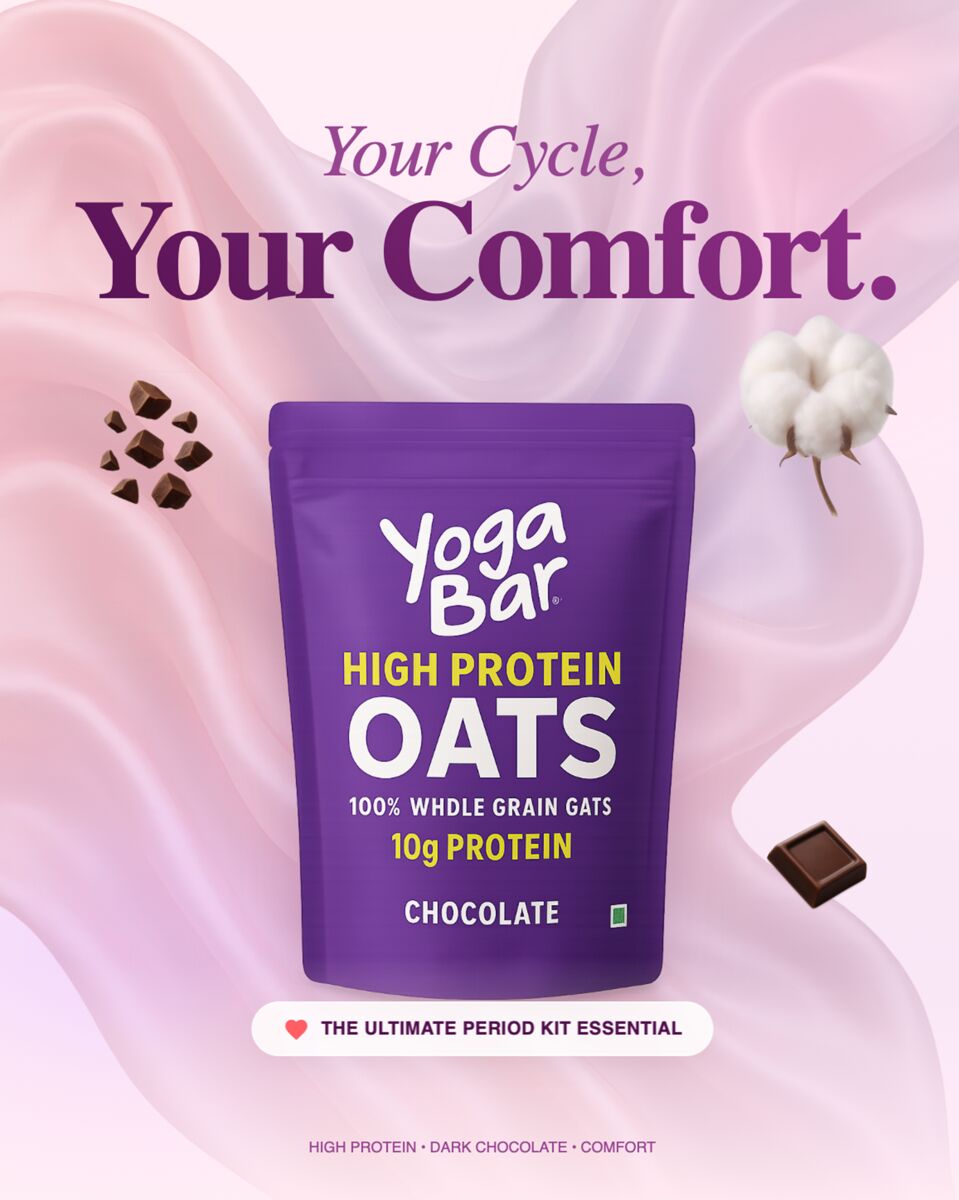
Write a precise prompt that includes product name, key features, brand palette, and desired layout. Example: "Generate a 1080 px × 1350 px Instagram carousel with three slides: (1) hero image of SmartWatch X, (2) bullet list of health metrics in Helvetica Neue, (3) call‑to‑action button in #FF6600". DesignLumo returns a fully layered PSD with editable text, vector icons, and smart object placeholders for images. Swap product photos in seconds, adjust copy, and export for any channel. This eliminates the back‑and‑forth with designers and accelerates time‑to‑publish by 80%.
Midjourney for Background Textures
Use Midjourney to create high‑resolution abstract textures that match your brand’s mood. Prompt: "Futuristic neon grid pattern, 4k, dark blue and teal, seamless". Once generated, download the 4k PNG and import into DesignLumo as a background layer. Replace the placeholder with the texture, then lock the layer to preserve alignment. This hybrid approach gives you unique, AI‑crafted visuals while retaining full editability in DesignLumo, preventing the generic look of stock backgrounds and increasing engagement by up to 25%.
Adobe Express for Iconography Library
Browse Adobe Express’s free icon set to find product‑specific symbols (e.g., battery, cloud, shield). Download the SVG icons, then drag them into DesignLumo. Because DesignLumo preserves vector paths, you can recolor icons instantly to match brand hex codes, resize without loss, and group them with text layers. This workflow combines Adobe’s extensive library with DesignLumo’s real‑time editing, cutting icon sourcing time from 2 hours to 10 minutes while ensuring every element stays fully editable for future updates.
3. Optimization & Distribution
A/B Testing Infographic Variants with Google Optimize
Create two DesignLumo versions of the same product infographic—one with a bold color accent, another with a minimalist palette. Export each as a 1200 px × 628 px PNG for Facebook ads. In Google Optimize, set up an A/B test directing 50% of traffic to each variant. Track click‑through rate (CTR) and conversion metrics for 7 days. Whichever variant lifts CTR by at least 15% becomes the default. This data‑driven loop ensures your design choices are revenue‑focused rather than aesthetic guesses.
SEO‑Ready Alt Text Generation via ChatGPT
Feed the final DesignLumo infographic into ChatGPT with a prompt: "Write a concise, keyword‑rich alt text for a product feature infographic highlighting SmartWatch X health tracking, battery life, and price comparison, targeting the keyword 'best smartwatch 2024'". Use the generated alt text in the HTML img tag to improve image SEO. Monitoring Google Search Console after 2 weeks typically shows a 10‑20% uplift in organic impressions for pages containing optimized infographics.
Automated Social Scheduling via Buffer
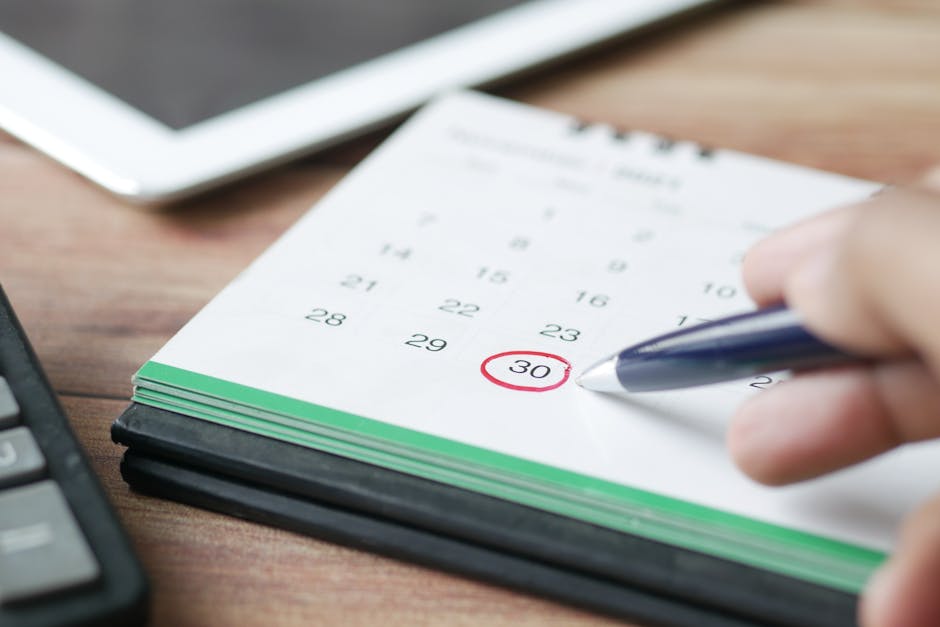
Connect Buffer to your design folder in DesignLumo using Zapier. Set a Zap that triggers when a new infographic file lands in a specific Google Drive folder, then automatically creates a Buffer post with the image, pre‑written caption, and UTM parameters. Schedule the post for peak engagement times based on your audience insights. This automation reduces manual posting effort by 90% and ensures consistent publishing cadence, which correlates with a 12% increase in monthly social referrals.
Before you go
- Always define a brand color token (hex) before prompting DesignLumo; it guarantees color consistency across all generated layers.
- Export DesignLumo assets as layered SVGs for web use—this keeps file size low and allows CSS‑based color tweaks without re‑exporting.
- Batch generate product comparison charts by scripting prompts in DesignLumo’s API; you can produce 50+ infographics in under an hour.





Ready to create your first design?
Join thousands creating professional designs in seconds.
Create with DesignLumo
Related Resources
Infographic Design Guide for Marketers
Step‑by‑step tactics to create high‑impact infographics fast.
Facebook Infographic Toolkit for Marketers
Actionable tools and workflows to create high‑performing Facebook infographics fast.
Ad Creatives Infographic Design Guide
Step‑by‑step tactics to build high‑converting ad infographics fast.
Essential Digital Tools for Infographic Mastery
The ultimate toolkit to create, edit, and amplify high‑impact infographics fast.
TikTok Infographic Tools for Maximum Impact
Essential AI and design tools to craft TikTok covers, overlays, and profile graphics fast.
Etsy Infographic Ideas for High‑Impact Design
Tactical infographic concepts to boost Etsy banners, listings, and promos.