Twitter/X Toolkit for Food Delivery Brands
Food delivery and ghost kitchens thrive on real‑time buzz. Twitter/X offers a fast‑paced arena where visual hooks can turn a scroll into a order. This guide curates the exact tools and step‑by‑step processes you need to dominate the timeline.

1. Graphic Creation & Optimization
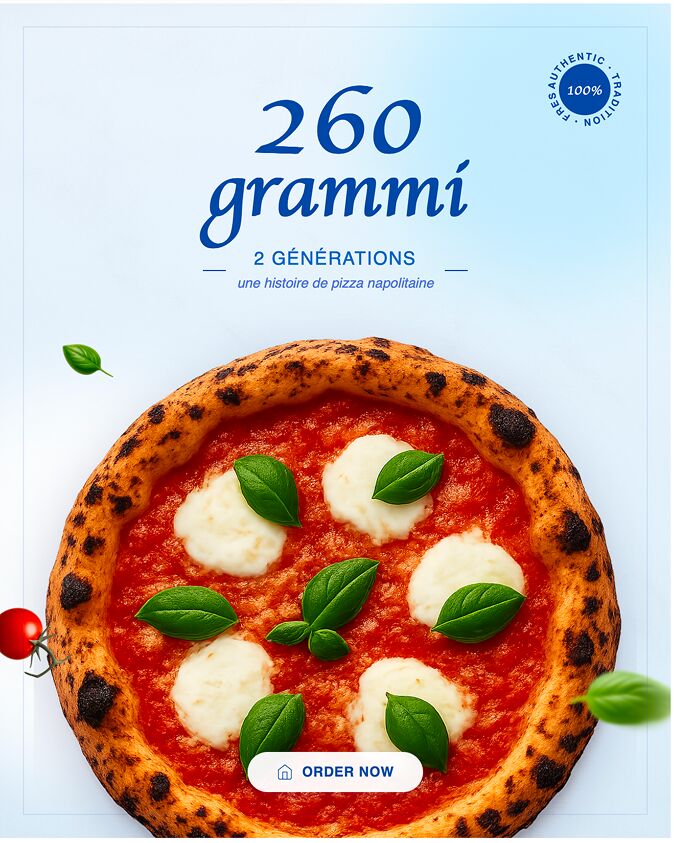
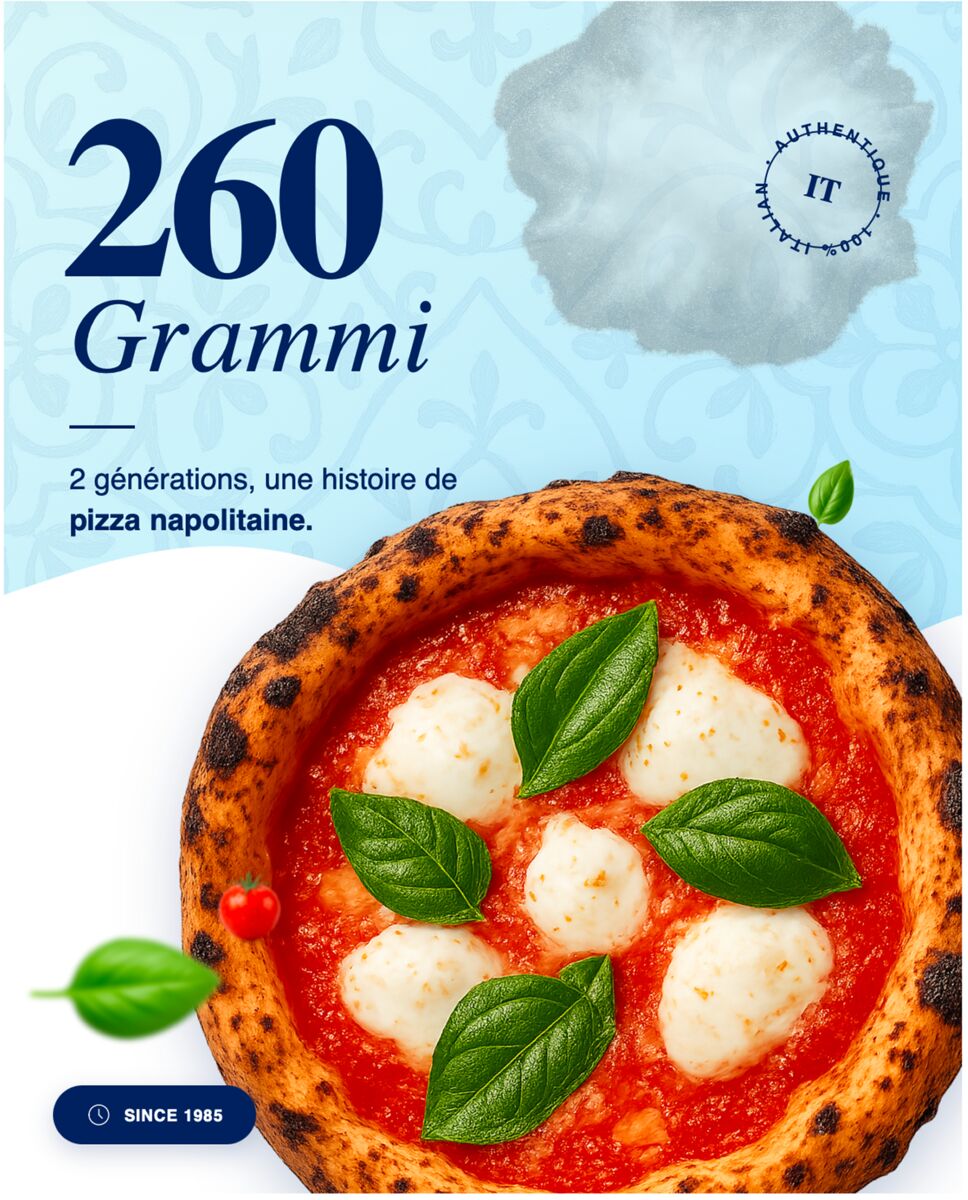
AI‑Generated Menu Card Graphics with DesignLumo
Start by compiling a spreadsheet of menu items: name, short description, price, and key ingredients. Open DesignLumo (https://www.designlumo.com) and type a prompt such as, "Create a 1200x675 Twitter‑ready menu card for a spicy chicken burrito, modern brand colors #FF5722 and #212121, bold headline, price $9.99, include a subtle steam effect." The AI returns a fully layered PSD/AI file; edit fonts, swap background images, or adjust colors to match your Brand Kit. Export as PNG under 150KB for fast loading. Upload to Buffer for scheduling. Brands report a 12% lift in link clicks versus generic stock photos.
Template‑Based Quick Promo Banners in Canva
Select Canva’s "Twitter Ads" preset (1200x675) and search the library for "food promo" templates. Replace placeholder text with your offer (e.g., "Free Delivery on Orders > $20"), insert your logo, and apply your brand colors via the Brand Kit. Use Canva’s built‑in animation to add a 3‑second pulse effect, then download as an optimized MP4 under 3 MB to meet X’s video specs. Track impressions and conversion rates in X Analytics; a well‑crafted Canva banner typically boosts promo redemption by 8‑10% with minimal design time.
High‑Impact Quote Cards via Midjourney + Photoshop
Generate eye‑catching backgrounds with Midjourney (https://www.midjourney.com) using prompts like "vibrant neon street food market, ultra‑realistic, 4k" and set the aspect ratio to 16:9. Once the image is produced, import it into Photoshop, add a semi‑transparent dark overlay, then type a customer review in a bold sans‑serif font (e.g., Montserrat) at 48 pt. Include your logo in the lower‑right corner and export as JPEG 80% quality (~120KB). Post on X with a relevant hashtag; quote cards have historically achieved a 1.4× higher retweet rate than plain text tweets.
2. Thread & Carousel Visuals
Dynamic Thread Header Templates in Adobe Express
Open Adobe Express (https://www.adobe.com/express/) and choose the "Twitter Header" canvas (1500x500). Use the pre‑built grid to place a hero image of your latest menu launch on the left and a bold headline on the right. Apply your brand’s type hierarchy and embed a call‑to‑action button graphic that says "Swipe for details". Export as PNG and attach as the first tweet in a thread. Analytics show that threads with custom headers see a 22% higher average view depth than those without visual anchors.
Automated Carousel Builder using Figma + Zapier
Design a master carousel frame in Figma (1200x675 per slide) with placeholders for image, title, and price. Duplicate the frame for up to ten items. In Zapier, create a Zap that triggers when a new row is added to a Google Sheet containing menu data; the Zap copies the data into the Figma placeholders via the Figma API, then exports each slide as PNG. The PNGs are automatically uploaded to Buffer for scheduled posting. This automation cuts carousel creation time from 30 minutes to under 5 minutes, increasing weekly carousel frequency by 300% and boosting engagement by 15%.
Live‑Update Order Stats Visuals via Datawrapper
Pull real‑time order volume data from your delivery platform’s API into a Google Sheet. In Datawrapper (https://www.datawrapper.de), connect the sheet, select a bar chart, and set the X‑axis to city districts and Y‑axis to orders per hour. Apply your brand palette, hide axis labels for a cleaner look, and export as SVG. Attach the SVG to a tweet that reads "Our riders are crushing it in Downtown — 120 orders in the last hour!" Use X’s native poll feature to ask followers which area they’d like faster delivery. Live stats tweets see a 1.8× higher reply rate.
3. Scheduling, Analytics & Optimization
Bulk Scheduling & A/B Testing with Buffer
Upload all prepared graphics to Buffer (https://buffer.com) and create two posting variations for each promotion: one with a bright color accent and another with a muted tone. Use Buffer’s “Schedule Queue” to publish each version at identical times on different days. After 48 hours, compare engagement metrics (likes, retweets, link clicks) in Buffer’s analytics dashboard. Optimize future creatives by adopting the higher‑performing style. Brands that systematically A/B test via Buffer have reported a 9% average lift in conversion rates within the first month.
Performance Dashboard in Sprout Social + CSV Export
Connect your X account to Sprout Social (https://sproutsocial.com) and build a custom dashboard that tracks impressions, engagement rate, link clicks, and video views per graphic type. Export the data weekly as CSV and import into Google Data Studio to visualize trends over a 30‑day rolling window. Identify which graphic formats (e.g., carousel vs static) generate the highest ROI and allocate budget accordingly. Companies using this data loop have cut underperforming ad spend by 12% while boosting overall click‑through rates by 6%.
Conversion Tracking with UTM Builder + Google Analytics
For every promotional tweet, generate a unique UTM parameter using Google’s Campaign URL Builder (https://ga-dev-tools.web.app/campaign-url-builder/). Include source=x, medium=social, campaign=summer_special, content=graphicA. Shorten the URL with Bitly to keep the tweet tidy. In Google Analytics, set up a custom report that isolates traffic from each UTM, measuring sessions, bounce rate, and orders placed. Compare performance across graphics; replace low‑conversion assets with top‑performers. This granular tracking typically reveals a 4‑7% increase in attributed orders when creatives are iteratively refined.
Before you go
- Batch‑create all graphics for a weekly campaign on DesignLumo, then fine‑tune only the copy to keep turnaround under 2 hours.
- Leverage X’s native poll or emoji‑reaction features in threads to encourage interaction and gather real‑time feedback on new menu items.
- Always test image file size; stay under 150 KB for static PNGs and 3 MB for MP4s to avoid auto‑compression that can blur brand colors.
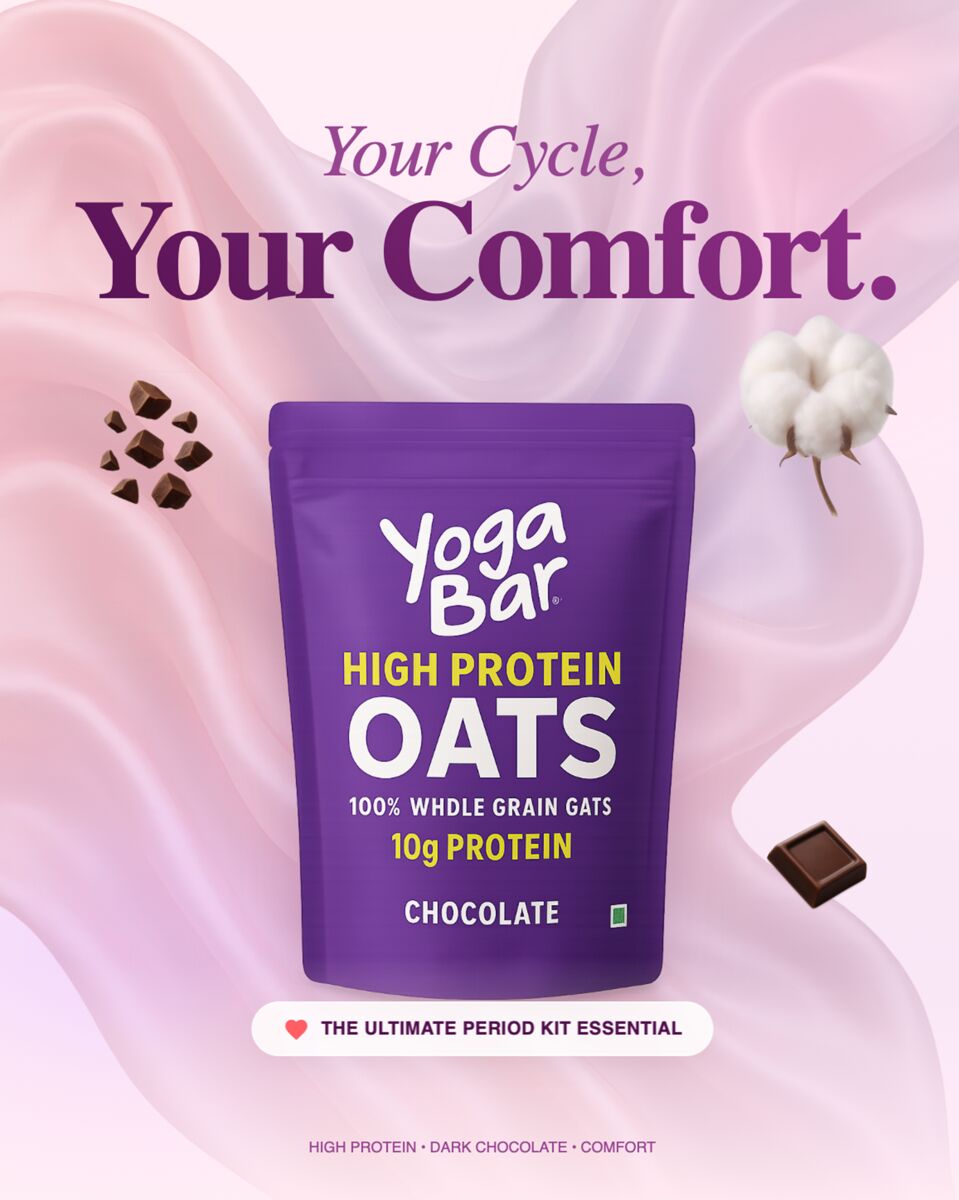
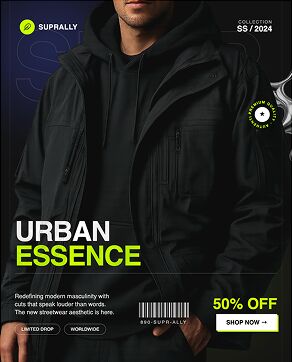
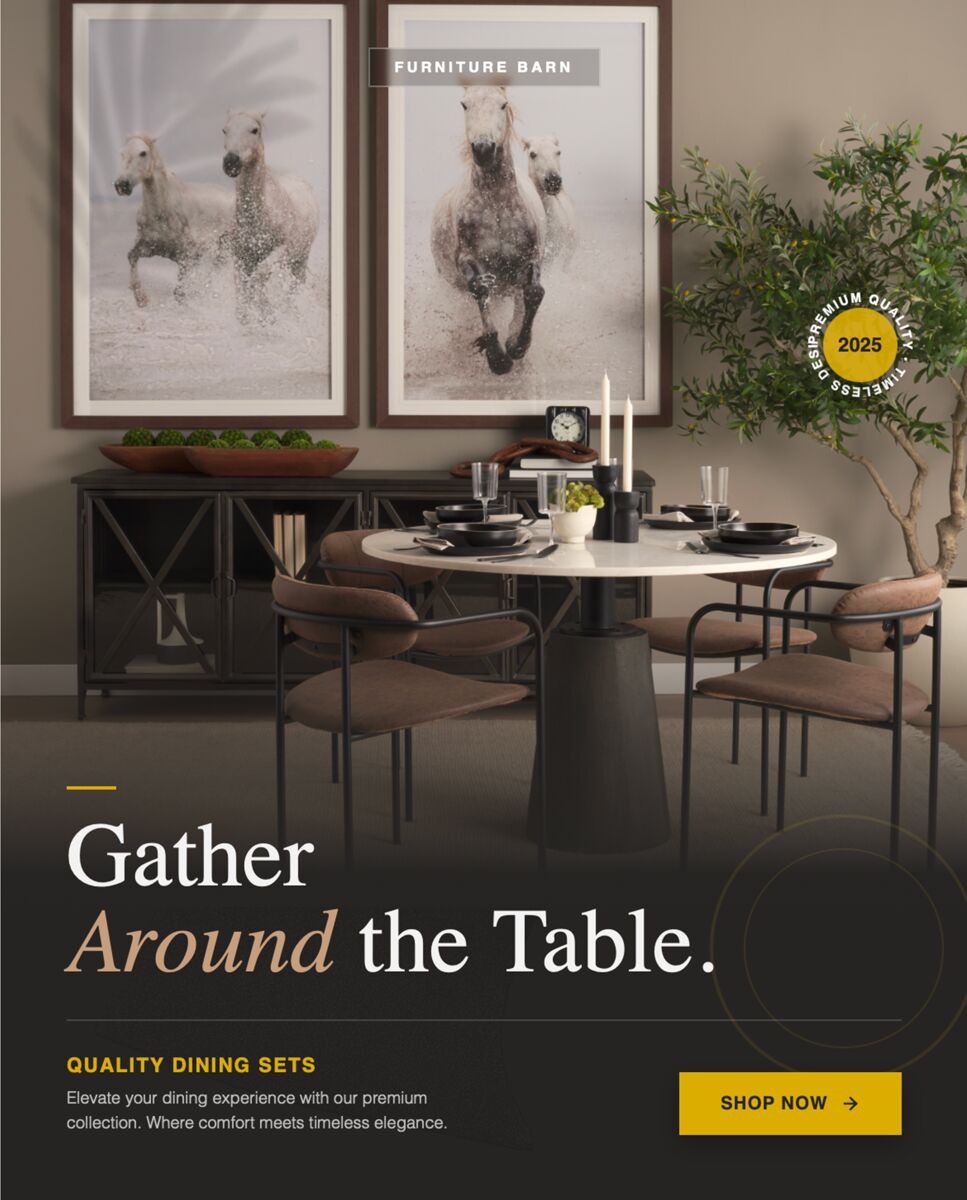
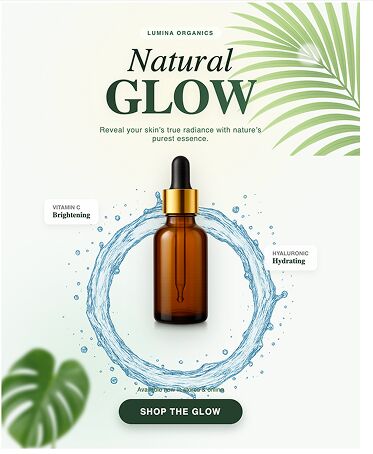


Ready to create your first design?
Join thousands creating professional designs in seconds.
Create with DesignLumo
Related Resources
Essential Email Tools for Food Delivery Brands
Tactical email design stack for ghost kitchens and delivery services.
Ultimate Creative Workflow for Food Delivery Brands
Step‑by‑step tactics to crank out high‑performing visuals for ghost kitchens and delivery services.
Food Delivery Campaign Launch Checklist
Step‑by‑step launch checklist for ghost kitchens to boost orders and brand buzz.
Print Materials Design Guide for Food Delivery
Tactical guide to creating high‑ROI flyers, menus, and promos for food delivery & ghost kitchens.
Essential Digital Tools for Food Delivery Growth
The ultimate toolkit to boost ghost kitchen sales with AI‑powered design and automation.
Summer Sale Season Marketing & Design Guide
Tactical playbook for food delivery & ghost kitchens to dominate summer sales.