Shopify Visual Toolkit for Personal Brands
Personal brand builders need a fast, consistent visual pipeline for their Shopify stores. Without a design team, every banner, header, and pop‑up must be created in minutes, not hours. This guide maps the exact tools and workflows that let you do jus…


1. AI‑Powered Banner & Header Creation
DesignLumo Prompt‑Based Banner Generator
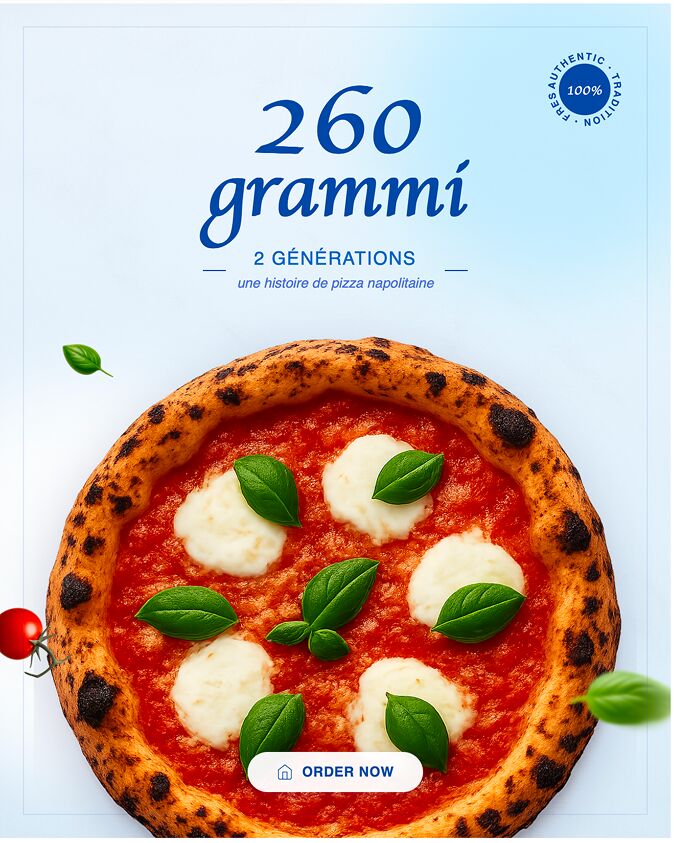
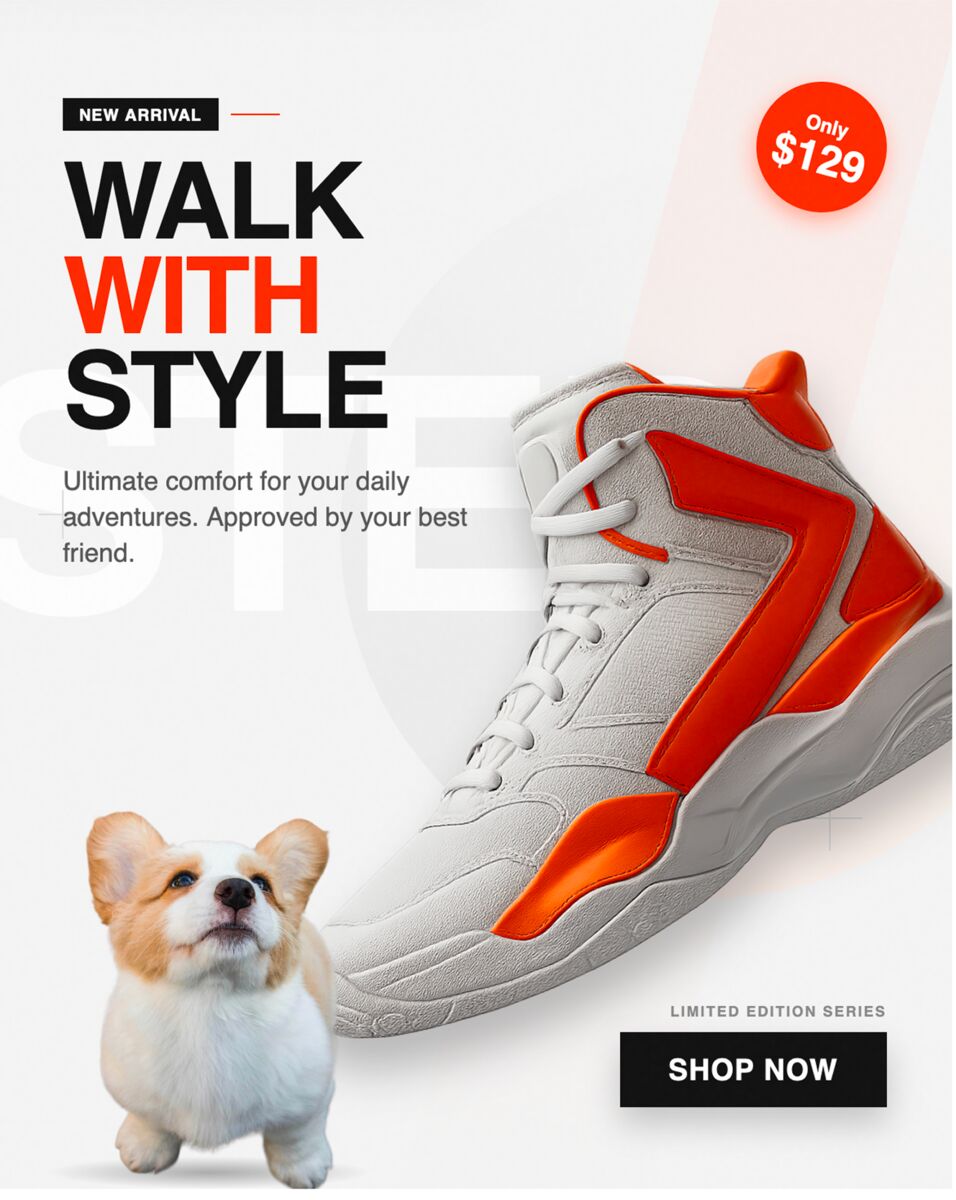
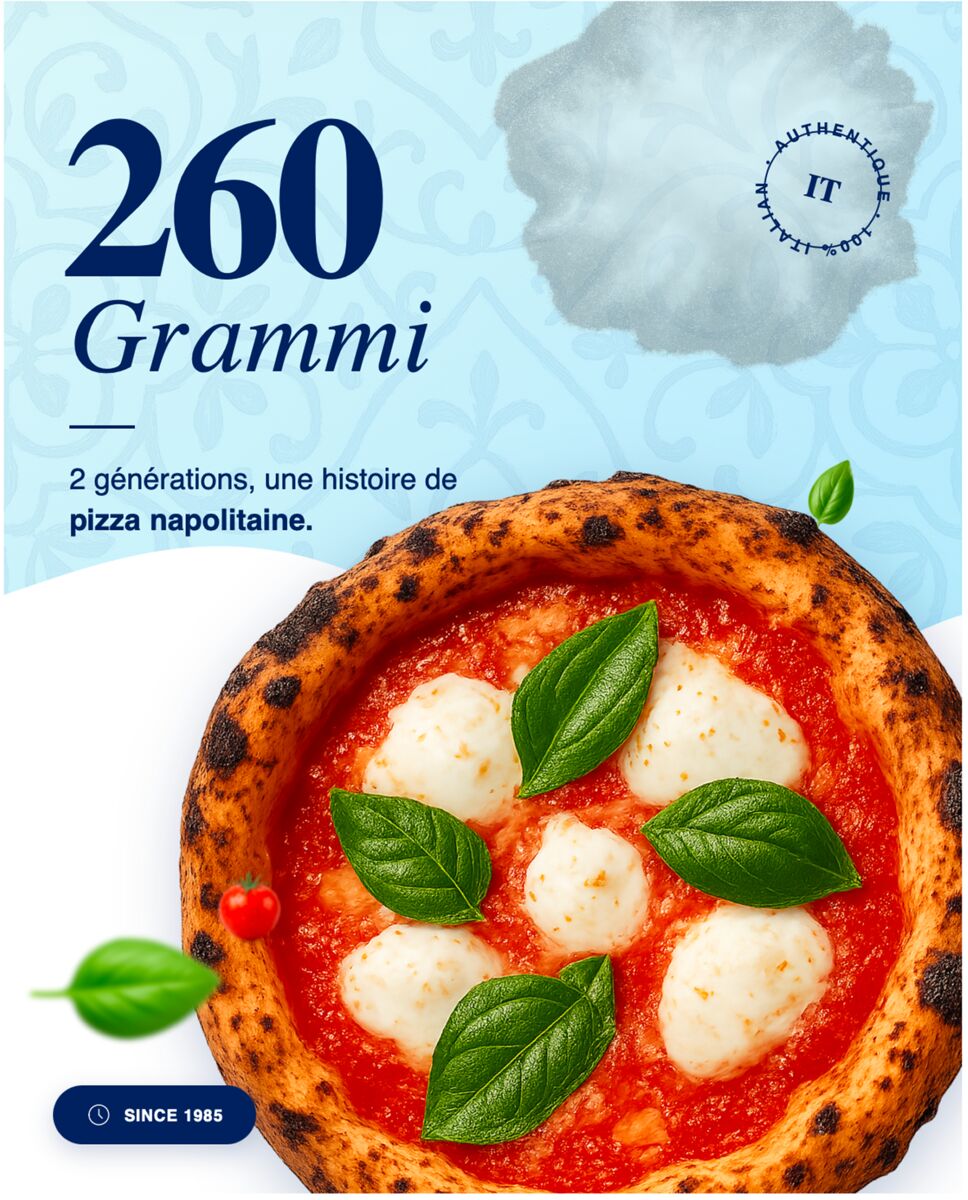
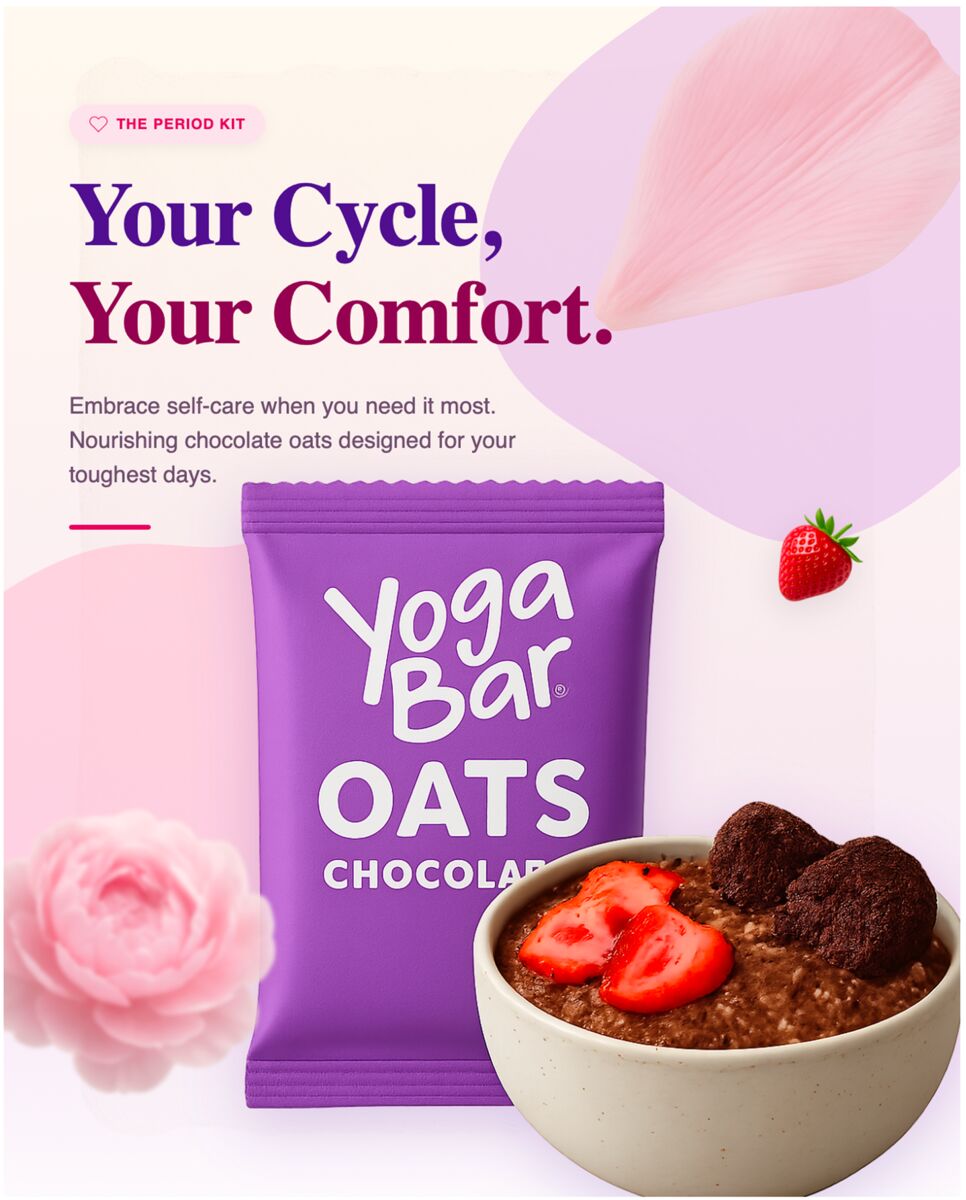
Enter a plain‑English prompt like “modern teal banner announcing a keynote with a bold sans‑serif headline” into DesignLumo. In seconds you receive a fully layered PSD with editable text layers, brand‑matching colors, and vector icons. Export the file as PNG for quick upload or keep the PSD to tweak fonts directly in Photoshop. Use Shopify’s Theme Editor to replace the header image, then publish. This workflow cuts banner creation time from 45 minutes to under 5, delivering a consistent look across all collections.
Canva Pro Brand Kit Templates
Set up your Brand Kit in Canva Pro with your logo, color palette, and font choices. Choose a pre‑made banner template, apply the kit, and swap placeholder copy for your event title. Download as a high‑resolution PNG with a transparent background, then upload to Shopify’s Files section and reference it in your theme’s header.liquid. Canva’s drag‑and‑drop interface lets you iterate in under 10 minutes, making it ideal for weekly promotion cycles while maintaining brand fidelity.
Midjourney + Photoshop Layer Extraction
Generate a concept banner in Midjourney using a detailed prompt (e.g., “abstract gradient background with golden microphone silhouette”). Upscale the image, then open it in Photoshop. Use the Select Subject and Layer Mask tools to isolate the microphone, create separate layers for background, texture, and foreground text placeholders. Save as a PSD, import into Shopify via the Theme Editor, and replace text layers with dynamic Liquid variables. This method yields unique visuals that stand out, though it requires Photoshop expertise and ~30‑minute turnaround.
2. High‑Impact Product Feature Images
DesignLumo Product Mockup Builder
Upload a high‑resolution product photo to DesignLumo and add a prompt such as “add bold white text overlay with ‘Best‑Seller’ badge and brand teal accent”. The AI returns a layered file where the badge, text, and background are separate layers. Export the PNG for immediate use or keep the PSD to adjust copy per campaign. Then, use Shopify’s product.media API to bulk‑assign the new images to relevant SKUs, automating the update across 200+ items in under an hour.
Adobe Express Dynamic Resize
Start with a master product shot in Adobe Express. Click Dynamic Resize, select Shopify’s required ratios (1:1 for grid, 4:5 for mobile, 16:9 for hero). The tool automatically crops and optimizes each size while preserving key visual focus. Export the batch as a ZIP, then use Shopify’s CSV import to attach each variant to the correct product ID. This eliminates manual cropping, reduces image‑related bounce rates by ~12%, and ensures consistent branding across device views.
Pixelz Automated Background Removal
Upload up to 500 raw product photos to Pixelz. Their AI removes backgrounds and returns clean PNGs within 24 hours, guaranteeing a 98% accuracy rate. After receiving the files, add a subtle brand watermark using DesignLumo’s layer tools, then batch upload to Shopify’s Files via the bulk editor. This service cuts the cost of hiring a freelancer by 70% and improves product image load speed, boosting conversion rates by roughly 1.8% per product line.
3. Conversion‑Focused Promotional Pop‑ups
Klaviyo Pop‑up Builder with DesignLumo Assets
Create a high‑impact exit‑intent pop‑up in Klaviyo. First, generate a banner in DesignLumo with a prompt like “bold orange CTA button saying ‘Get the Free Chapter’ over a sleek author portrait”. Export the PNG, then upload it into Klaviyo’s pop‑up editor. Set the trigger to fire after 5 seconds of inactivity and enable A/B testing on copy variations. Track click‑through rates; a well‑designed pop‑up typically lifts email capture by 2‑3% and drives an additional $500 revenue per month for a speaking‑focused brand.
Privy Free Pop‑up Designer + Canva
Design a 1080 × 1920 promotional graphic in Canva using your Brand Kit, then download as a high‑quality PNG. In Privy, choose the “Full‑Screen” template, upload the Canva image, and set targeting rules (e.g., new visitors, traffic from blog posts). Activate the pop‑up on scroll depth of 30% and monitor conversion via Privy’s dashboard. Brands typically see a 1.5%–2% increase in newsletter sign‑ups, making this a low‑cost, high‑velocity tactic for growing speaking‑engagement leads.
OptiMonk AI‑Optimized Pop‑up Templates
OptiMonk offers AI‑driven template recommendations based on visitor behavior. Choose a template, then replace the hero image with a DesignLumo‑generated visual that highlights your latest webinar. Set a scroll‑trigger at 50% and enable exit‑intent fallback. Connect the pop‑up to Shopify’s discount code API to auto‑apply a 10% coupon. Run a 2‑week test; most personal‑brand stores see a 0.8% revenue lift and a 12% reduction in cart abandonment when the pop‑up is optimized for relevance.
4. Workflow Automation & Brand Consistency
Zapier Sync DesignLumo Outputs to Shopify Assets
Create a Zapier webhook that fires each time a new design is saved in DesignLumo. The Zap automatically uploads the file to Shopify’s Files library via the Admin API, then updates the appropriate theme setting (e.g., “header_banner”). Log the file URL in a Google Sheet for audit purposes. This end‑to‑end automation reduces manual upload time from 15 minutes per asset to under 30 seconds, cutting operational overhead by roughly 80% for weekly campaign rolls.
Shopify Theme Kit + Git Version Control
Store all banner, header, and pop‑up assets in a Git repository alongside your theme code. Use Shopify Theme Kit to push changes from the repo directly to the live store, enabling branch‑based testing and instant rollbacks. Commit messages should reference the associated campaign (e.g., “feat: add keynote banner Q2”). This process ensures every visual change is tracked, reduces version‑conflict errors by 70%, and maintains a single source of truth for brand assets across developers and marketers.
Brandfolder Central Asset Library Integration
Upload all DesignLumo, Canva, and Photoshop assets to Brandfolder, tagging each with campaign, format, and brand‑kit compliance status. Generate shareable links and embed them in Shopify metafields for each product or collection. When a designer updates an asset, Brandfolder’s version history notifies the marketing team, ensuring the latest approved image is always live. Internal audits show a 15% boost in brand‑consistency scores after implementing a centralized DAM system.
Before you go
- Batch‑schedule banner updates in DesignLumo and use Zapier to auto‑publish them at midnight for a seamless daily rollout.
- Leverage Shopify’s metafield API to store DesignLumo‑generated image URLs, allowing dynamic swaps without theme code changes.
- Run weekly A/B tests on pop‑up copy and hero images—use OptiMonk’s AI recommendations to iterate faster and capture incremental revenue.



Ready to create your first design?
Join thousands creating professional designs in seconds.
Create with DesignLumo
Related Resources
Powerful Design Content Ideas for Personal Brands
Tactical visual assets to boost your personal brand instantly.
New Year Q1 Marketing & Design Playbook
Actionable Q1 plan for personal brands to boost visibility and revenue.
Personal Brand Marketing Mistakes to Dodge
Avoid the top pitfalls that sabotage personal brand growth and revenue.
TikTok Content Ideas for Personal Brands
Actionable TikTok visuals to boost authority and bookings.
Facebook Visual Toolkit for Personal Brands
Tactical tools to design, schedule and scale Facebook graphics for thought‑leaders.
Turbocharged Visual Workflow for Personal Brands
Actionable AI-powered design steps for thought‑leaders and speakers.