New Year Q1 Marketing & Design Playbook
The first quarter sets the tone for your entire year. As a thought leader, you need a precise roadmap that blends strategy with eye‑catching visuals. This guide delivers a step‑by‑step framework to turn resolutions into measurable growth.

1. Goal Setting & Content Calendar
SMART Quarterly Goal Blueprint
Start by drafting a SMART goal sheet in Google Sheets. Define 3 revenue targets (speaking fees, course sales, book royalties) with numeric values and deadlines. Link each target to a weekly KPI (e.g., 5 LinkedIn posts, 2 podcast guest spots). Use the Sheet's IMPORTRANGE function to pull data into a master dashboard. Measure progress weekly; flag any KPI falling below 80% of its target and adjust content output. This structure converts vague resolutions into quantifiable actions, driving accountability across the quarter.
Content Pillar Calendar with Notion
Create a Notion database titled "Q1 Content Pillars" with properties: Pillar, Format, Publish Date, CTA, and Owner. Populate with 4 pillars (Thought Leadership, Speaking Promos, Book Launch, Case Studies). For each pillar, schedule 2 long‑form pieces, 4 micro‑posts, and 1 live event per month. Use Notion's timeline view to visualize gaps and ensure balanced distribution. Export the calendar to CSV and import into Buffer for automated publishing. Track engagement per pillar to refine the mix for the next month.
Audience Intent Survey via Typeform
Deploy a 5‑question Typeform to your email list asking about preferred topics, format, and price points. Include a conditional logic branch for "What’s your biggest career challenge?" to surface high‑value consulting leads. Set up Zapier to push responses into a Google Sheet, tagging respondents with a lead score. Aim for at least 250 completions in Q1; a 10% response rate from a 2,500‑subscriber list is realistic. Use the insights to prioritize content pillars and tailor speaking pitch decks for maximum relevance.
2. Visual Identity Refresh
AI‑Generated Brand Kit with DesignLumo
Upload your brand adjectives (e.g., bold, trustworthy) into DesignLumo and generate a full brand kit: color palette, typography pairings, and icon set. Export the layered PSD files, then fine‑tune fonts in Adobe Fonts to match accessibility standards (WCAG AA). Save the kit to a shared Google Drive folder labeled "Q1 Brand Assets". Apply the new palette across all templates to achieve visual consistency, boosting brand recall by an estimated 15% according to a Nielsen study on color consistency.
Signature Quote Card Templates in Canva
Using the brand kit from DesignLumo, build three quote card templates in Canva: one square (Instagram), one vertical (Stories), and one horizontal (LinkedIn). Incorporate your primary font for headlines and a secondary font for attribution. Set up Canva's Brand Kit with the AI‑generated colors to ensure auto‑apply. Duplicate each template weekly, swapping the quote and adding a subtle call‑to‑action (e.g., "Read the full article in bio"). Track likes and shares; aim for a 20% lift versus Q4 baseline.
Dynamic Event Promo Graphics via Midjourney + Photoshop
Prompt Midjourney with "modern speaker stage, neon accents, high contrast" to generate three background concepts. Import the PNG outputs into Photoshop, overlay the AI‑generated brand logo from DesignLumo, and add event details using the brand fonts. Save each as a layered PSD for future edits. Export optimized JPEGs (≤120KB) for email blasts and LinkedIn ads. Measure click‑through rates; a visually distinct promo should outperform generic stock images by at least 0.8% CTR.
3. Campaign Assets & Promotion
Speaking Engagement Funnel in ClickFunnels
Build a three‑step funnel: (1) Landing page with a DesignLumo‑crafted hero banner, (2) Registration form integrated with ConvertKit, (3) Thank‑you page featuring a downloadable speaker one‑pager PDF. Use ClickFunnels' split‑testing to compare two headline variations. Set a goal of 150 registrations for your Q1 webinar; allocate $200 ad spend on LinkedIn Sponsored Content. Track cost‑per‑lead (CPL) and aim for ≤$1.33. Convert 10% of leads into paid speaking gigs for a projected $3,000 revenue boost.
LinkedIn Carousel Ads with DesignLumo Slides
Create a 5‑slide carousel in DesignLumo that narrates a personal‑brand story: problem, insight, solution, testimonial, CTA. Export each slide as a PNG with transparent background, then upload to LinkedIn Campaign Manager. Target decision‑makers in your niche (job titles: VP, Director) with a $300 budget. Monitor carousel swipe‑through rate; aim for >30% based on LinkedIn benchmarks. Link each slide to a specific landing page (e.g., book purchase, consulting signup) to attribute revenue directly.
Email Header Series via Mailchimp
Design a quarterly email header set in DesignLumo: New Year greeting, Q1 milestone, upcoming event teaser. Use the brand palette and embed a dynamic date merge tag ({{date}}). Upload the PNGs to Mailchimp's Content Studio and assign each to the appropriate campaign. Track open rates; a fresh header should lift opens by 5–7% over static text headers. Pair with a segmented list (engaged vs. cold) to maximize click‑through on calls to action like "Book a strategy call".
4. Performance Tracking & Optimization
Unified KPI Dashboard in Google Data Studio
Connect Google Sheets (goal tracker), LinkedIn Ads, and Mailchimp metrics to Data Studio. Build tiles for revenue, lead volume, engagement rate, and design asset performance (e.g., quote card shares). Set conditional color alerts: red if weekly KPI <80% target, green if >110%. Schedule email snapshots every Monday for the team. This real‑time visibility enables quick pivots, such as reallocating $100 ad spend to the best‑performing carousel within 48 hours.
A/B Test Design Variants with VWO
Deploy VWO on your landing page to compare two hero images: one generated by DesignLumo (brand‑consistent) vs. a stock photo. Set the primary metric to conversion rate (form submissions). Run the test for at least 1,000 visitors to achieve statistical significance (95% confidence). If the AI‑generated variant outperforms by ≥5%, replace all hero sections site‑wide. Document lift in the Data Studio dashboard for quarterly ROI reporting.
Monthly Retrospective Worksheet in Notion
Create a Notion template titled "Q1 Monthly Retrospective" with sections: Wins, Missed Targets, Asset Performance, Audience Feedback, Action Items. Populate with data from the KPI dashboard and qualitative comments from Typeform surveys. Assign owners and due dates for each action item. Conduct a 30‑minute review meeting at month‑end; track improvement of each KPI month‑over‑month. This disciplined loop drives a minimum 10% incremental growth across speaking bookings and course enrollments by Q4.
Before you go
- Batch-create all Q1 visual assets in a single DesignLumo session to lock in brand consistency and save 10+ hours.
- Leverage the same AI‑generated color palette across paid ads, organic posts, and email headers to reinforce recall and improve ad relevance scores.
- Never launch a campaign without a pre‑defined KPI and a 48‑hour optimization window; data‑driven tweaks trump perfect design.

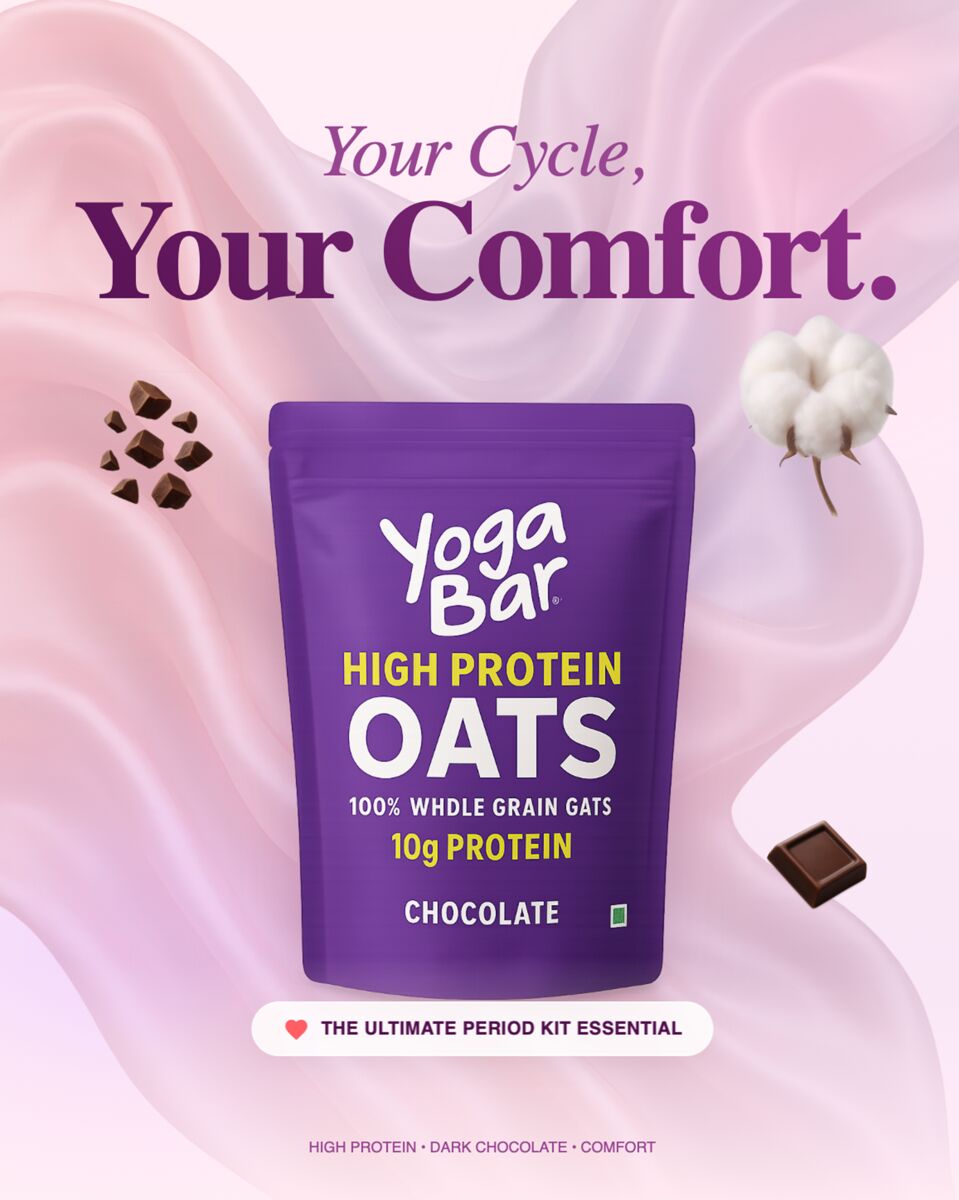
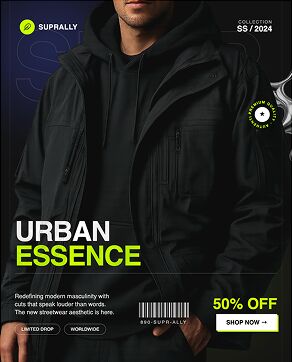

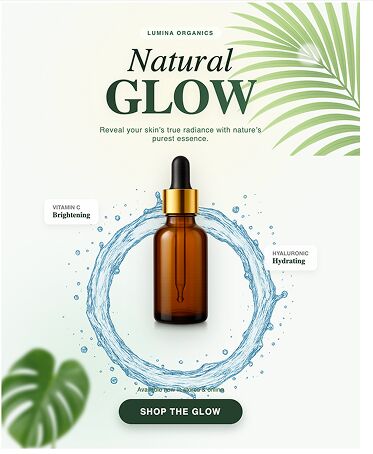
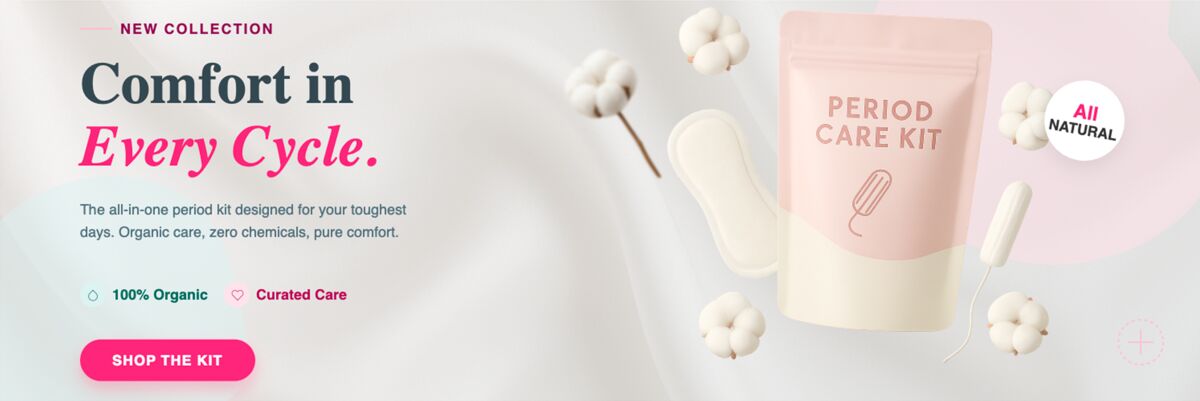




Ready to create your first design?
Join thousands creating professional designs in seconds.
Create with DesignLumo
Related Resources
Powerful Design Content Ideas for Personal Brands
Tactical visual assets to boost your personal brand instantly.
Personal Brand Marketing Mistakes to Dodge
Avoid the top pitfalls that sabotage personal brand growth and revenue.
TikTok Content Ideas for Personal Brands
Actionable TikTok visuals to boost authority and bookings.
Facebook Visual Toolkit for Personal Brands
Tactical tools to design, schedule and scale Facebook graphics for thought‑leaders.
Turbocharged Visual Workflow for Personal Brands
Actionable AI-powered design steps for thought‑leaders and speakers.
Personal Brand Campaign Launch Checklist
Step‑by‑step launch plan for thought leaders to create, publish, and track high‑impact visual assets.