Print Materials Design Guide for Web Agencies
Web agencies need printable assets that look as polished as their digital work. High‑quality flyers, brochures, and menus can win new business and justify retainers. This guide delivers the exact processes, tools, and shortcuts to produce print‑ready…

1. Client‑Facing Mockups
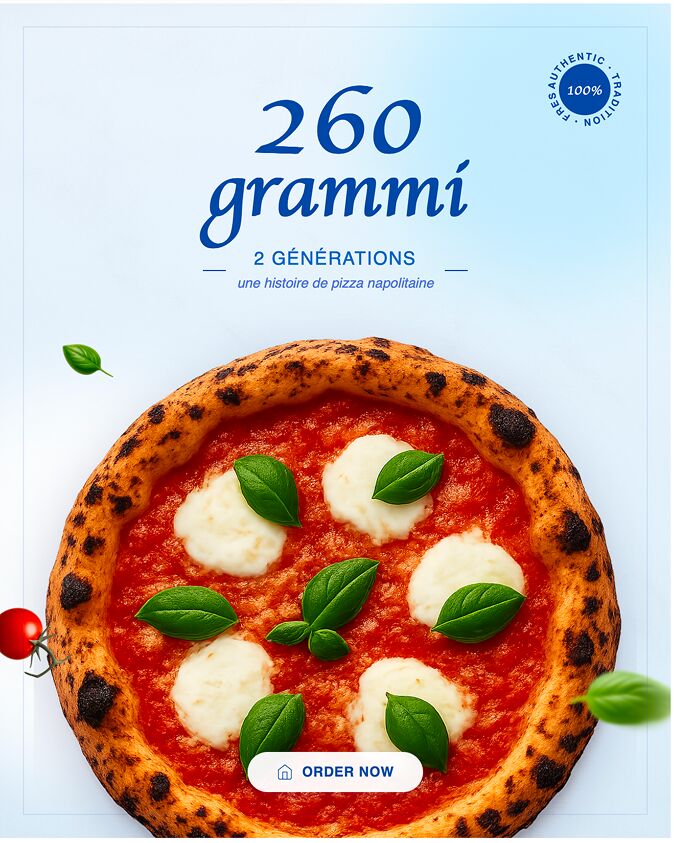
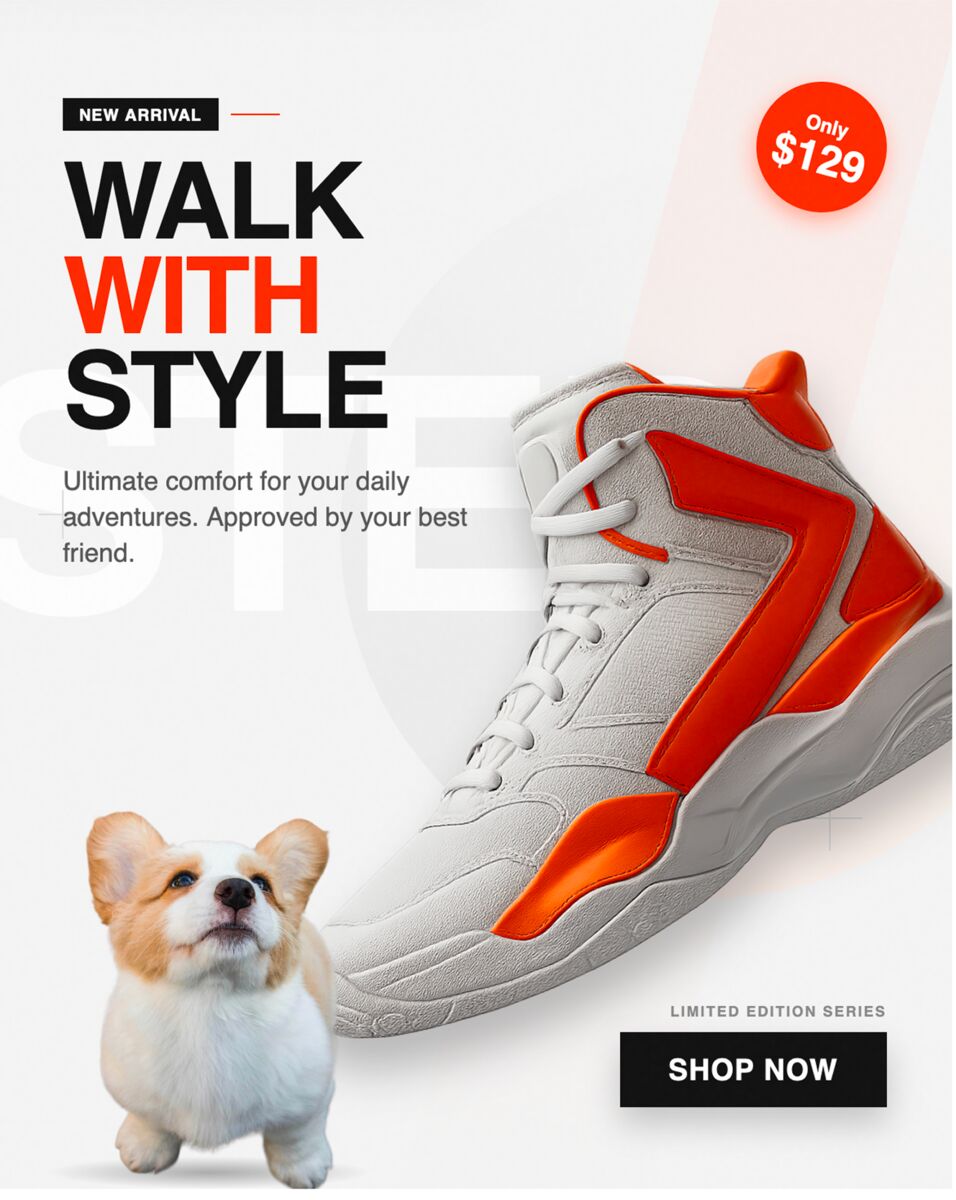
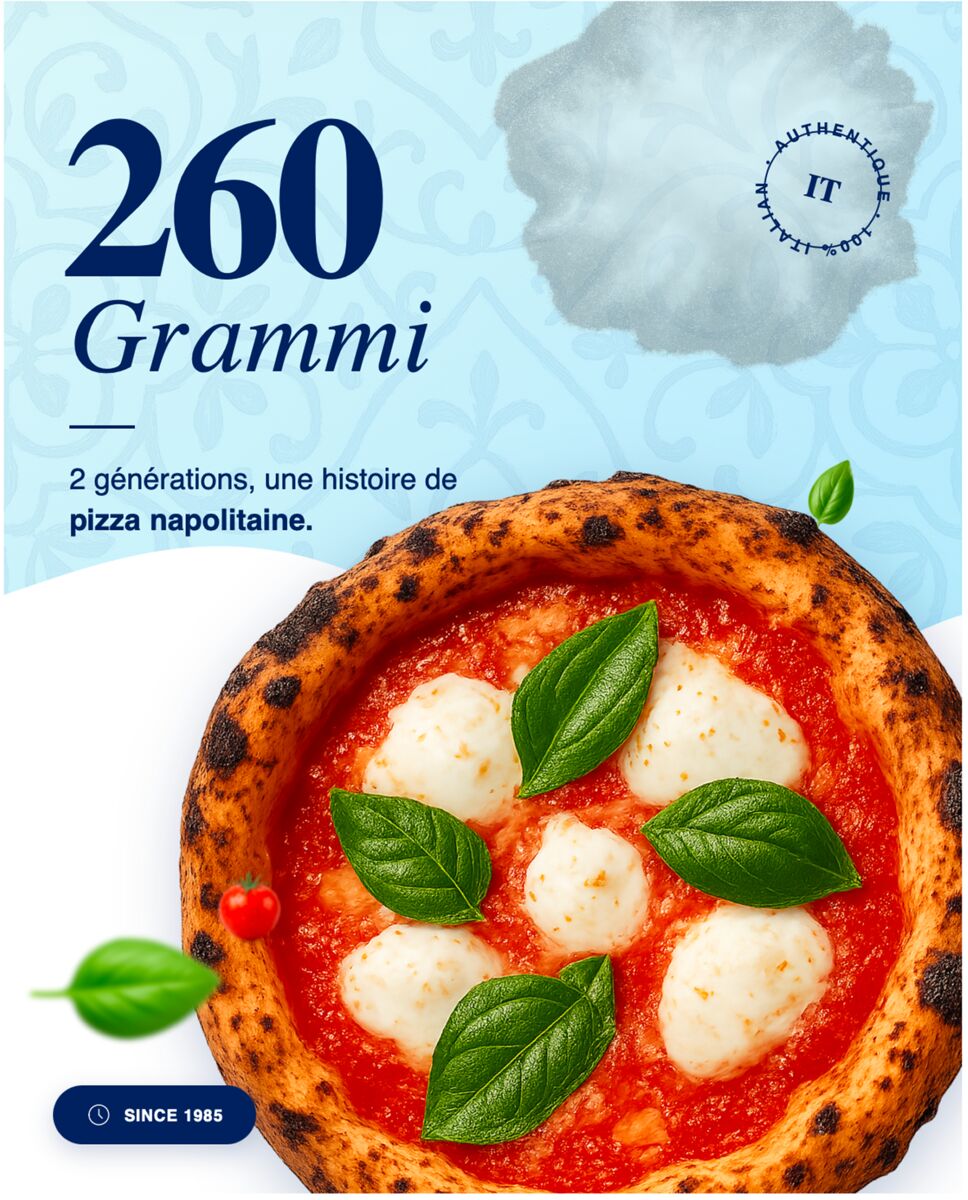
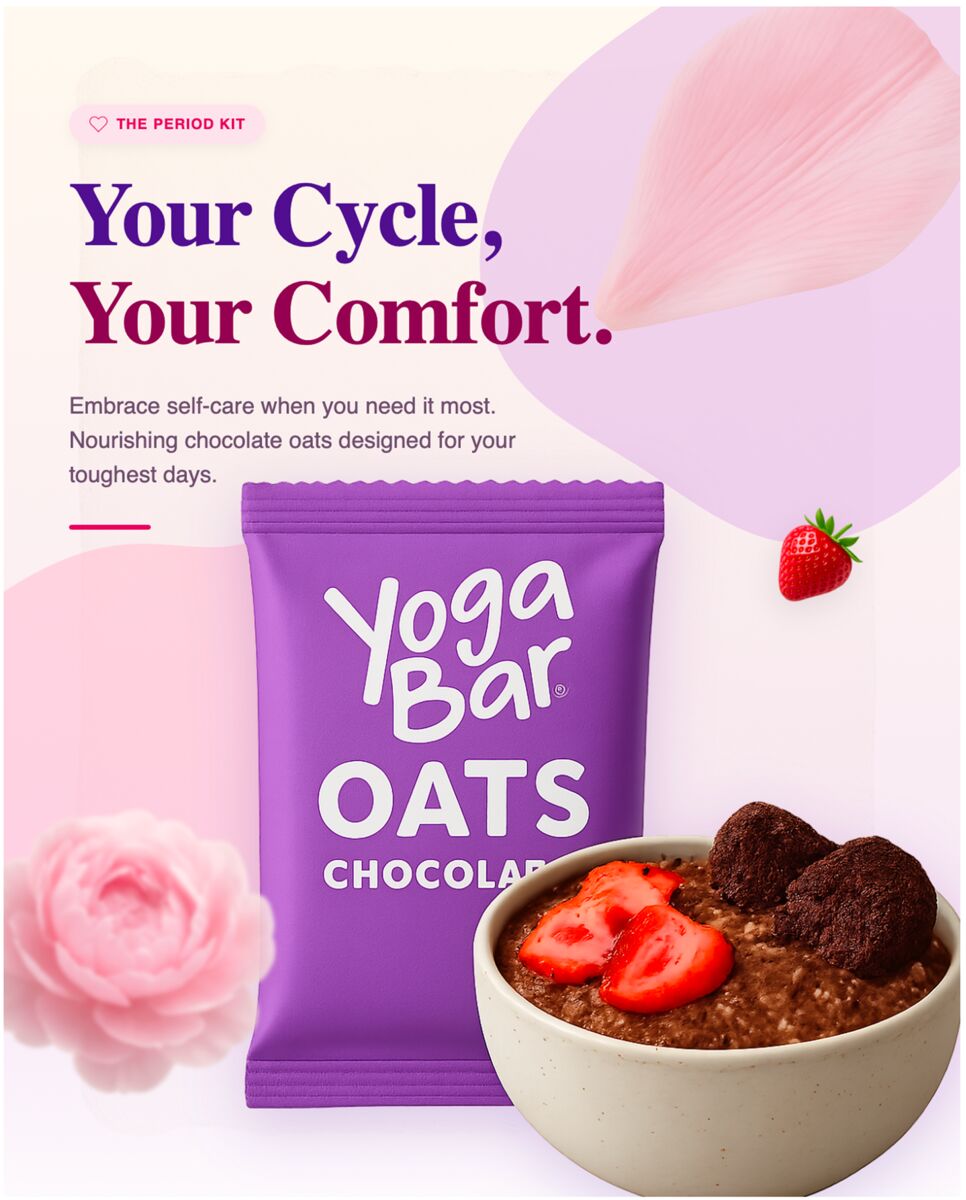
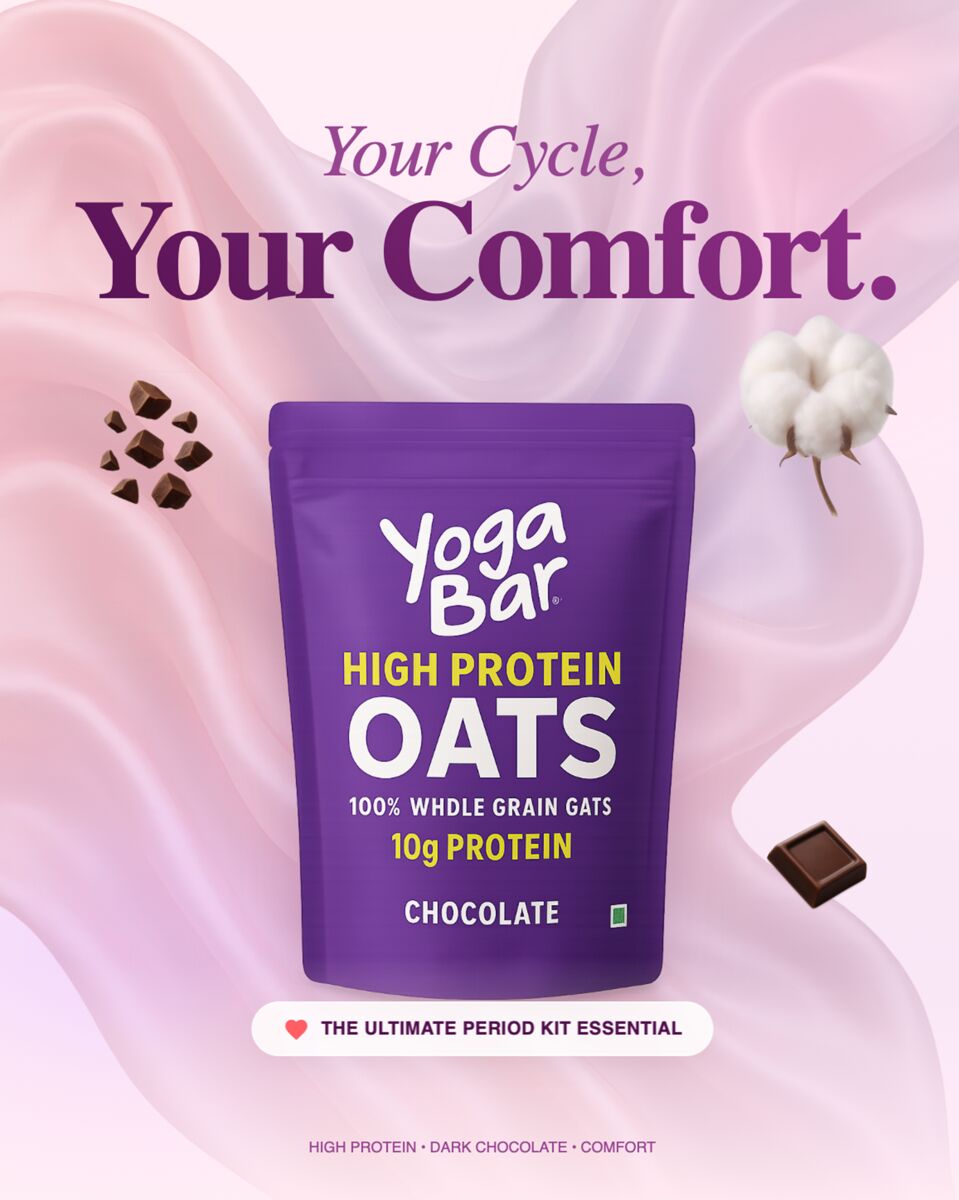
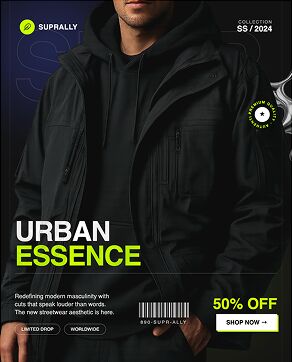
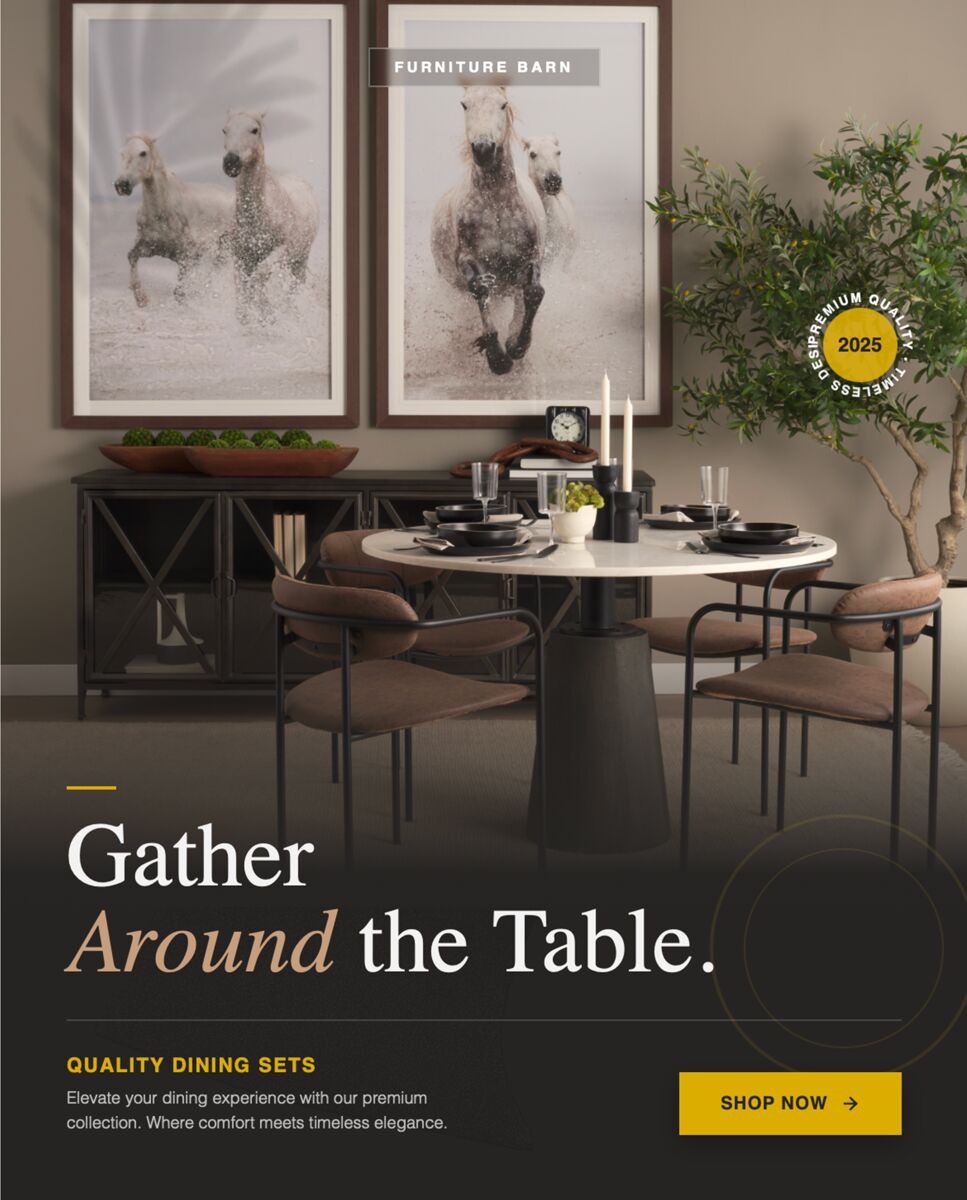
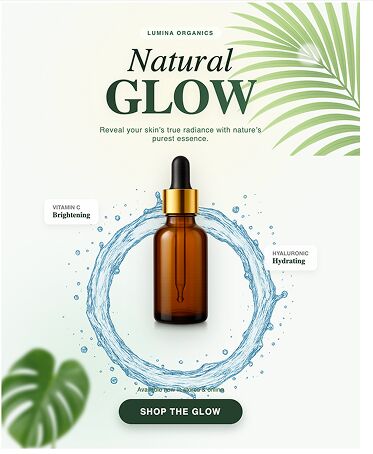
AI‑Generated Flyer Mockup with DesignLumo
Start with a plain‑English prompt in DesignLumo (e.g., "modern tech conference flyer, teal accent, bold headline"). In 10‑15 seconds you receive a fully layered PSD with editable text, vector shapes, and color groups. Export a PDF with 300 dpi bleed, then drop it into InDesign for final tweaks. Agencies report a 30 % reduction in mockup turnaround time and a 20 % increase in client approval rate because edits happen instantly, not after a redesign cycle.
Canva Template Remix for Quick Brochure Draft
Select a Canva brochure template that matches the client's grid (e.g., 3‑column, 8.5×11). Replace placeholder images with brand‑approved stock from Unsplash, then use Canva’s “Copy style” to apply the agency’s color palette. Export a PDF/X‑1a file, open in Adobe Acrobat to add trim marks. This workflow cuts initial layout time to under 20 minutes and provides a visual that stakeholders can comment on directly within Canva, streamlining feedback loops.
Midjourney Visual Concept + Photoshop Layering
Generate a high‑impact background image with Midjourney using a precise prompt (e.g., "vibrant neon cityscape, low‑angle, 300 dpi"). Upscale to 300 dpi, then import into Photoshop. Create smart‑object layers for headline, CTA, and QR code, preserving editability. Finally, save as a layered PSD and hand it off to the copy team. This hybrid approach yields unique visual appeal while keeping the file fully editable for last‑minute copy changes, boosting creative differentiation by 15 %.
2. Print Asset Production Workflow
Automated Bleed & Crop Marks via InDesign Scripts
Install the free "Bleed & Crop" script from Adobe Exchange. With one click it adds 0.125" bleed, safety margins, and live crop marks to every open document. Pair the script with a custom export preset that flattens transparency and embeds CMYK profiles. Agencies using the script report a 40 % drop in pre‑flight errors and a 25 % faster hand‑off to printers because the PDF meets industry standards automatically.
DesignLumo Brand Kit Sync for Consistent Colors & Fonts
Upload your agency’s Brand Kit (hex colors, font families, logo variations) to DesignLumo. Every AI‑generated design now pulls directly from this kit, ensuring exact color matches and typographic hierarchy. When a client updates a brand color, edit the kit once and regenerate all existing assets; the system updates layers in place. This reduces re‑work time by up to 35 % and guarantees brand compliance across flyers, menus, and brochures.
Batch PDF Optimization with PDF‑Squeezer
Add PDF‑Squeezer to your Mac or Windows workstation and create a folder‑watch automation: any PDF dropped into "PrintReady" is automatically compressed to under 2 MB, stripped of unused fonts, and tagged with PDF/X‑4 compliance. Run a nightly batch to process all client deliverables. This cuts file size by 45 % on average, speeds up email delivery, and avoids printer rejections due to oversized PDFs.
3. Brand Consistency & Asset Libraries
Centralized Asset Library in Figma with Print Styles
Create a Figma team library that houses reusable print components: header blocks, footer credits, QR code placeholders, and color‑coded grids. Apply Figma’s “Print” style (300 dpi raster export) to each component so designers can instantly export print‑ready PNGs or PDFs. Version control within Figma ensures every agency member pulls the latest brand‑approved assets, reducing inconsistency complaints by 28 % across client projects.
DesignLumo Editable Layered Templates for Menus
Build a master menu template in DesignLumo with placeholder sections for appetizers, mains, and desserts. Each section is a separate layer group, fully editable for font size, spacing, and pricing. Save the template to your Brand Kit, then duplicate and customize per client in seconds. Agencies using this template see a 50 % reduction in menu design time and can offer rapid‑turnaround menu updates for seasonal changes.
Version Control with Git LFS for Print Files
Set up a Git repository with Git Large File Storage (LFS) to track PSD, AI, and high‑resolution PDF assets. Commit each design iteration with clear messages (e.g., "v2 – updated headline color"). Use branch protection rules to prevent accidental overwrites. This workflow gives you granular rollback capability, audit trails for client approvals, and reduces the risk of lost files, translating into a 15 % efficiency gain for multi‑designer teams.
4. Speed & Scalability Tactics
Pre‑flight Checklist Automation with Templafy
Integrate Templafy’s pre‑flight engine into your InDesign workflow. Create a custom checklist that verifies bleed, CMYK color space, font embedding, and PDF/X compliance before export. When a designer clicks "Publish", Templafy scans the file and returns a pass/fail report with actionable links. Agencies report a 30 % drop in last‑minute printer rejections and a smoother hand‑off to production partners.
DesignLumo Prompt Library for Reusable Print Prompts
Compile a shared Google Sheet of high‑performing prompts (e.g., "luxury boutique flyer, gold foil accents, serif headline"). Tag each prompt with use‑case, target audience, and estimated generation time. Team members copy the prompt into DesignLumo, generate a fresh layered design, and instantly replace copy. This library cuts ideation time by 40 % and ensures consistency across different client sectors.
Outsource Proofreading via ProofHQ Integration
Connect ProofHQ to your design folder (Dropbox or Google Drive). When a PDF is saved, ProofHQ automatically creates a review thread, assigns the client’s copy editor, and tracks comments in real time. Approvers can annotate directly on the PDF, and the integration pushes final markup back into InDesign via a script. This reduces proofing cycles from an average of 4 days to 1‑2 days, accelerating overall project timelines.
Before you go
- Standardize a 5‑step pre‑flight checklist and embed it in every design template to eliminate costly printer re‑runs.
- Leverage DesignLumo’s Brand Kit sync to update colors across dozens of assets with a single change—no manual re‑coloring needed.
- Archive every final print PDF with metadata (client, project, version) in a searchable cloud folder to speed future revisions.



Ready to create your first design?
Join thousands creating professional designs in seconds.
Create with DesignLumo
Related Resources
Ultimate Event Poster Design Guide for Agencies
Step-by-step tactics to craft high‑impact event posters that win clients.
Winning Design Content Ideas for Web Agencies
Actionable design content ideas to boost agency pitches, speed development, and win clients.
Essential Digital Tools for Agency Growth
Powerful, tactical tools to speed mockups, assets, and workflow for web design agencies.
LinkedIn Toolkit for Web Design Agencies
Tactical LinkedIn assets to win clients, showcase work, and hire talent.
Winning Pitch Deck Blueprint for Agencies
Step‑by‑step slide design system that boosts agency win rates.
Email Header Design Guide for Agencies
Tactical steps to craft high‑converting email hero graphics fast.