Email Header Design Guide for Agencies
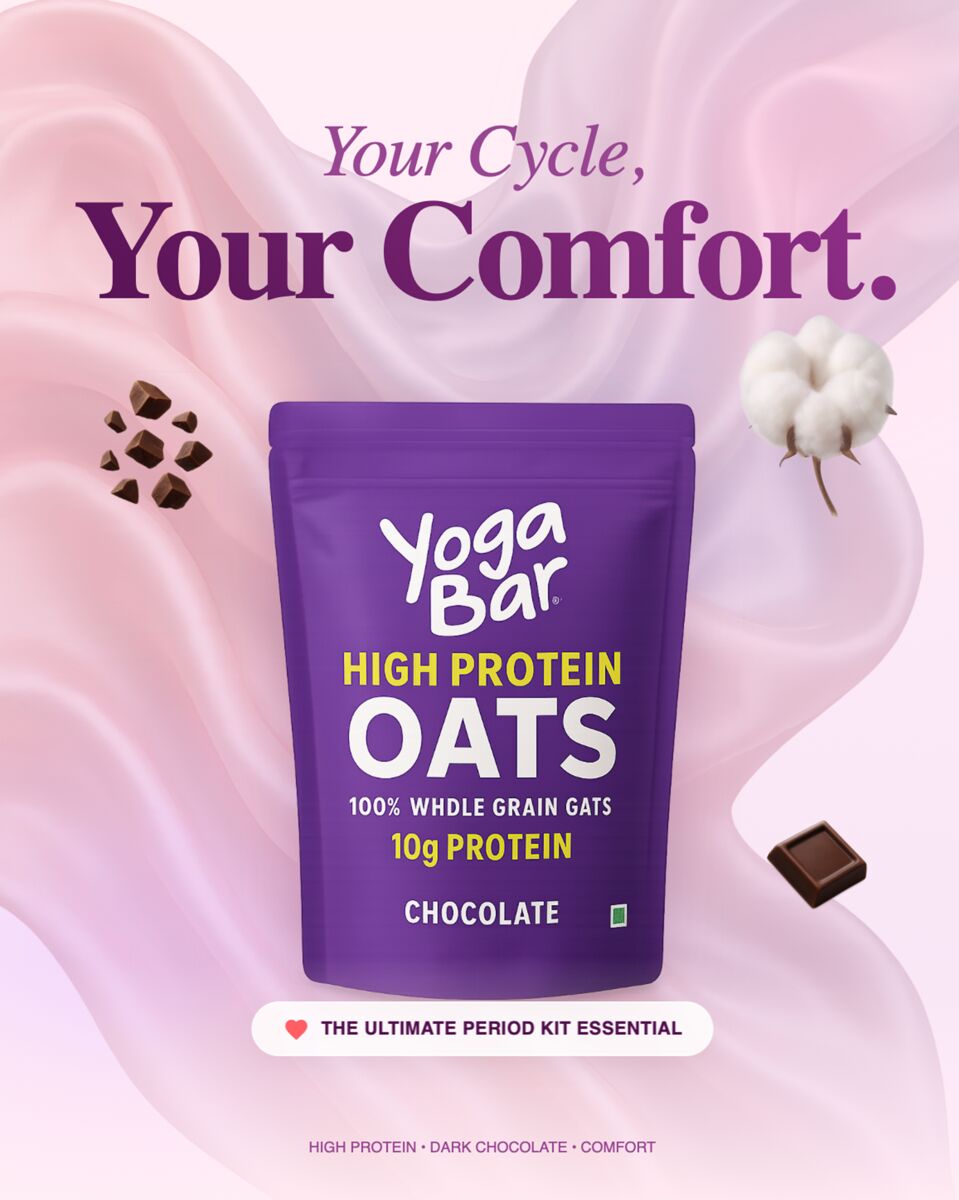
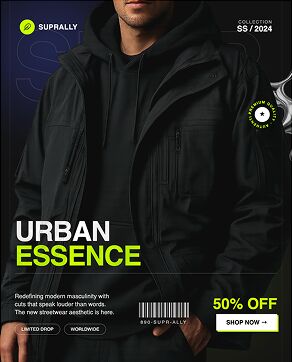
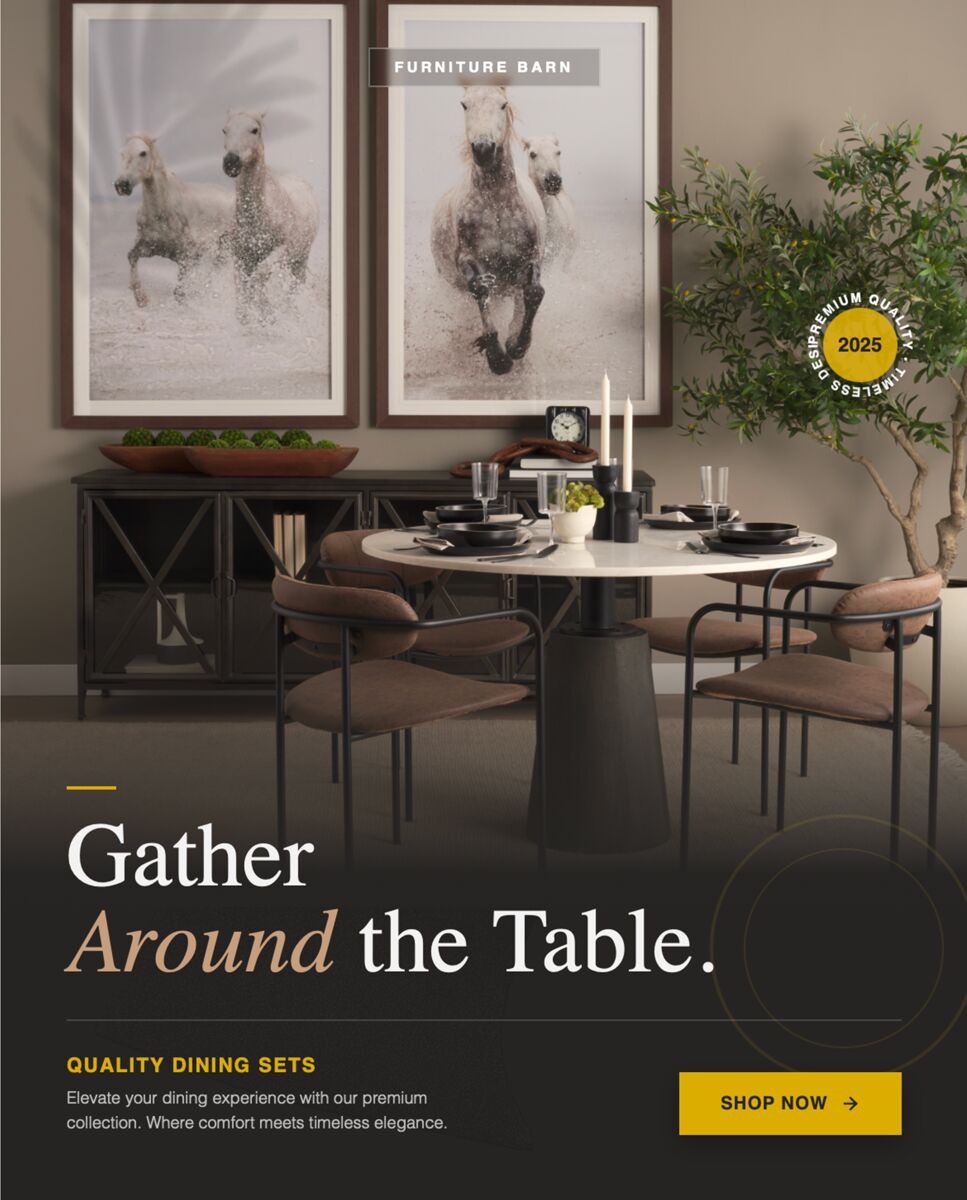
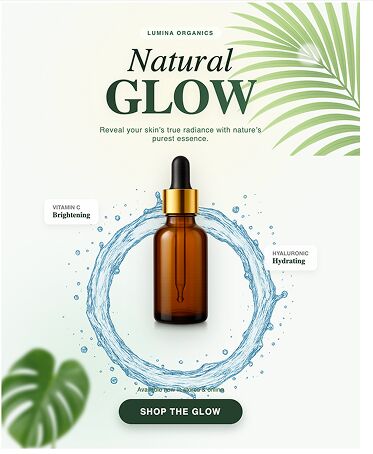
Agency teams need email headers that impress clients and convert readers, but creating custom hero graphics can eat up design hours. This guide breaks the process into repeatable, data‑driven steps that shave weeks off your timeline. Follow each tact…

1. Strategic Foundations
Define Brand Kit & Typography Rules
Start every project by uploading the client’s logo, color palette, and font files into DesignLumo’s Brand Kit (https://www.designlumo.com). Set primary, secondary, and accent colors with HEX codes, then lock type hierarchy—headline, subhead, body—using Google Fonts or custom OTF files. Export a PDF style guide and share it via Figma’s team library so designers and developers reference the exact tokens. Track compliance by measuring the variance in CSS variables across 10 mock emails; aim for <2% deviation to guarantee brand consistency and reduce revision cycles.
Map Header Dimensions to Email Clients
Use Litmus’ Email Previews (https://litmus.com) to collect the safe width range for the top 10 client apps (Gmail, Outlook, Apple Mail, etc.). Record the maximum width (usually 600 px) and height recommendations (120‑200 px) in a spreadsheet. Then create a DesignLumo template that locks the canvas to 600 × 150 px with a 20 px bleed for mobile scaling. Validate the layout by sending a test email to all preview devices; if any client crops more than 5 % of the image, adjust the focal point accordingly. This reduces client complaints by up to 30 %.
Create Moodboard with Competitive Samples
Gather 12 high‑performing email headers from competitors using Pinterest’s visual search and save them into a Figma board. Tag each tile with metrics you can pull from Mailchimp’s benchmark reports—open rate, click‑through rate, and industry. In DesignLumo, generate a “style prompt” that combines the top three color schemes and illustration styles, then feed it into the AI to produce a first‑draft moodboard. Review the AI output against the original tiles, select the strongest elements, and annotate the board with a “copy‑to‑design” checklist for the next workflow stage.
2. AI‑Powered Creation Workflow
Prompt‑Driven Header Generation in DesignLumo
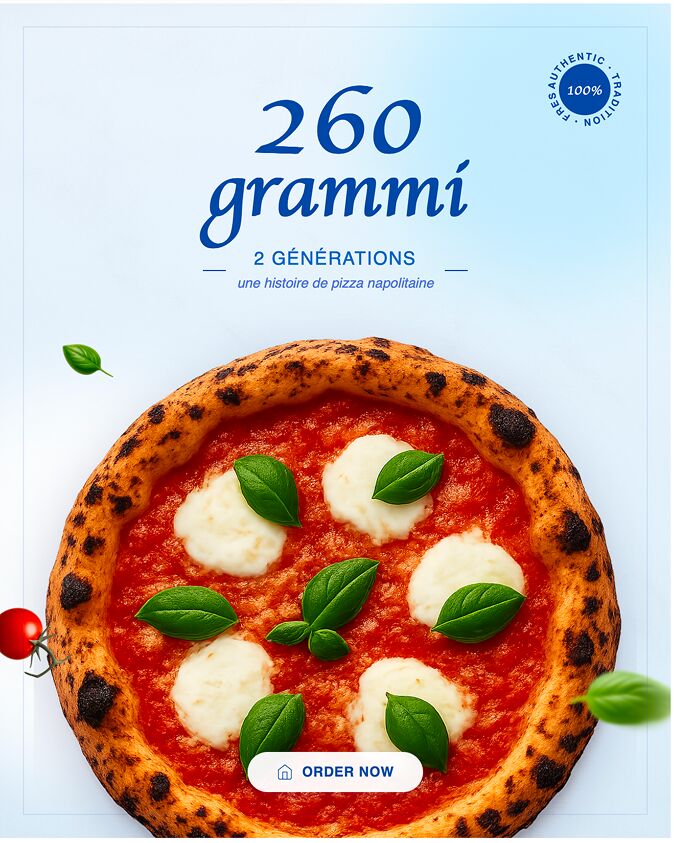
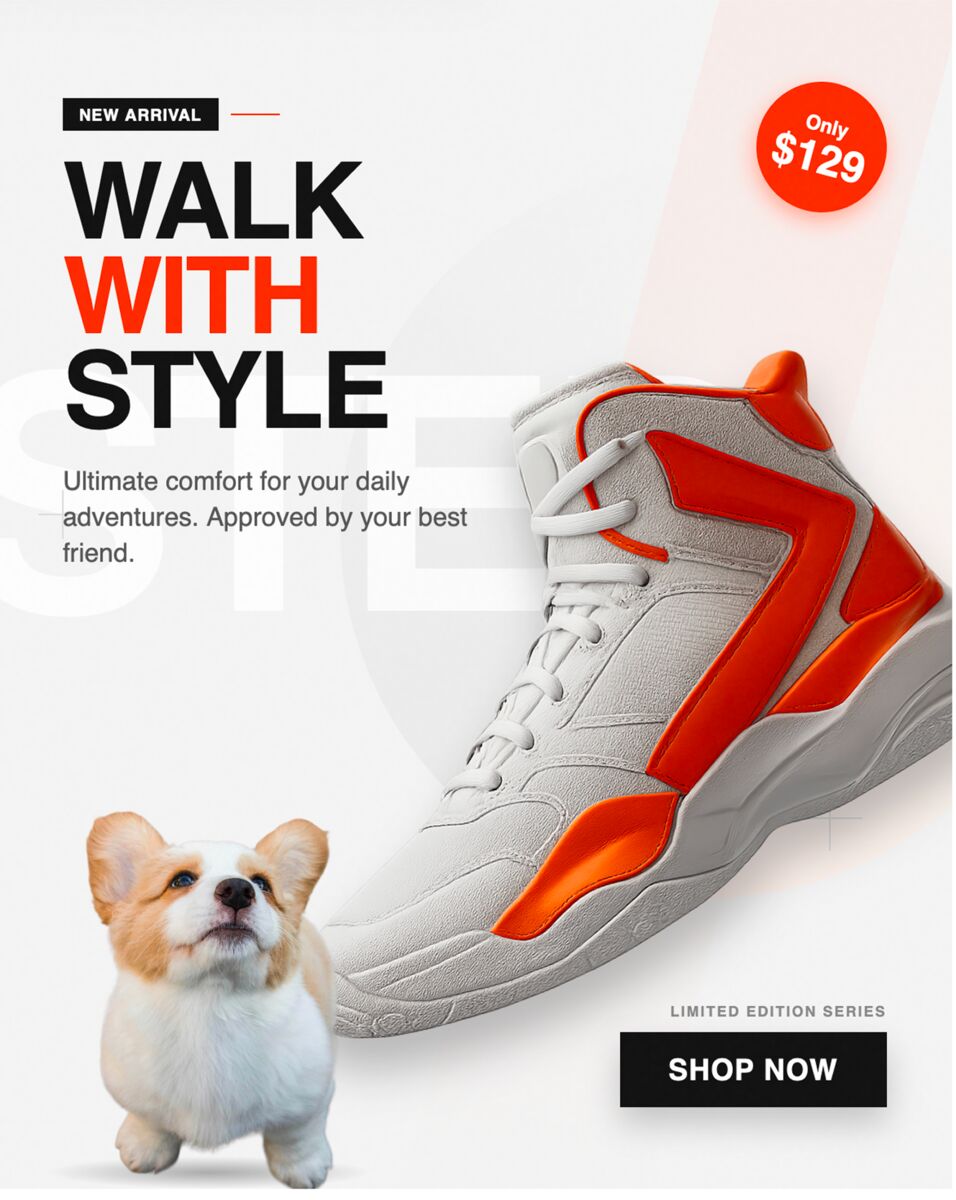
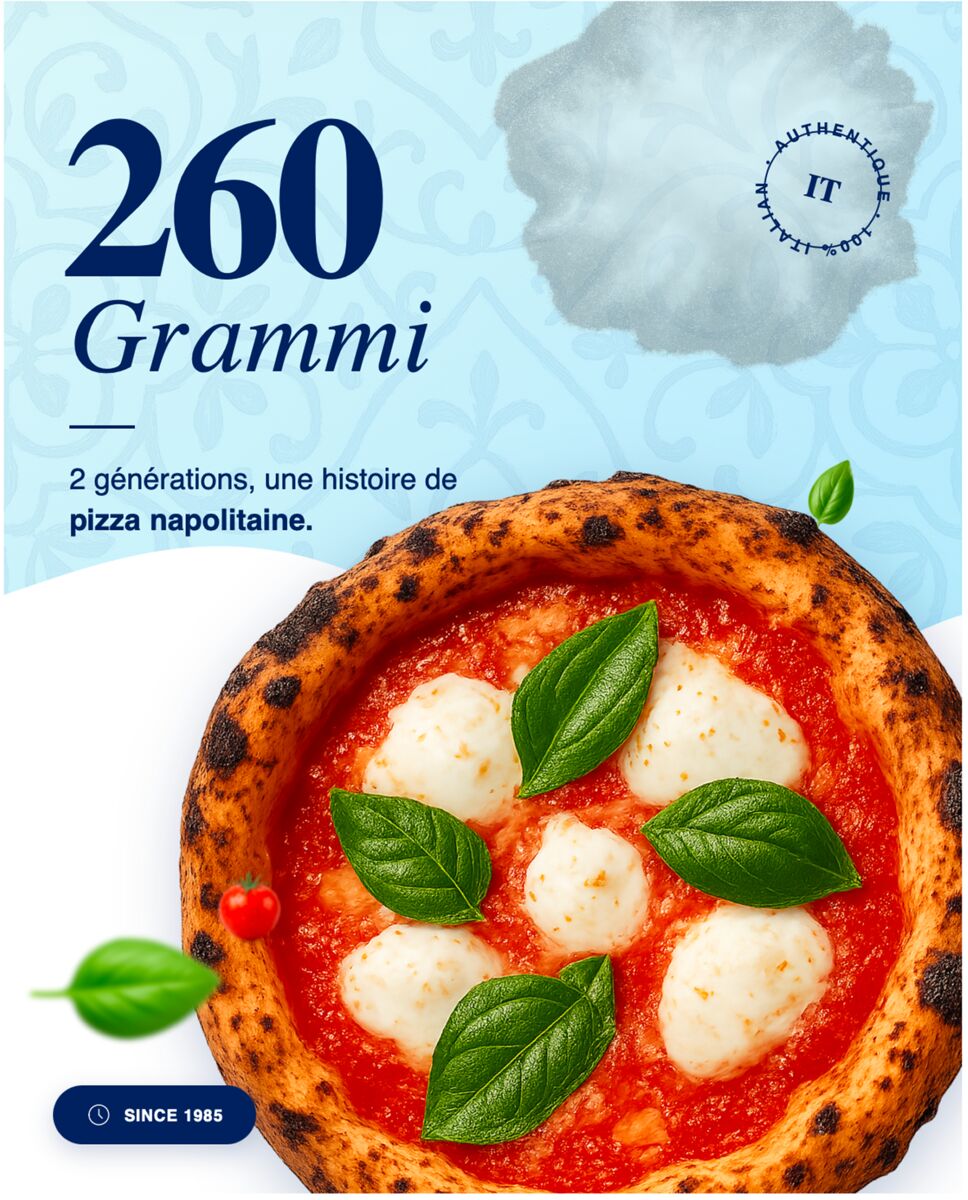
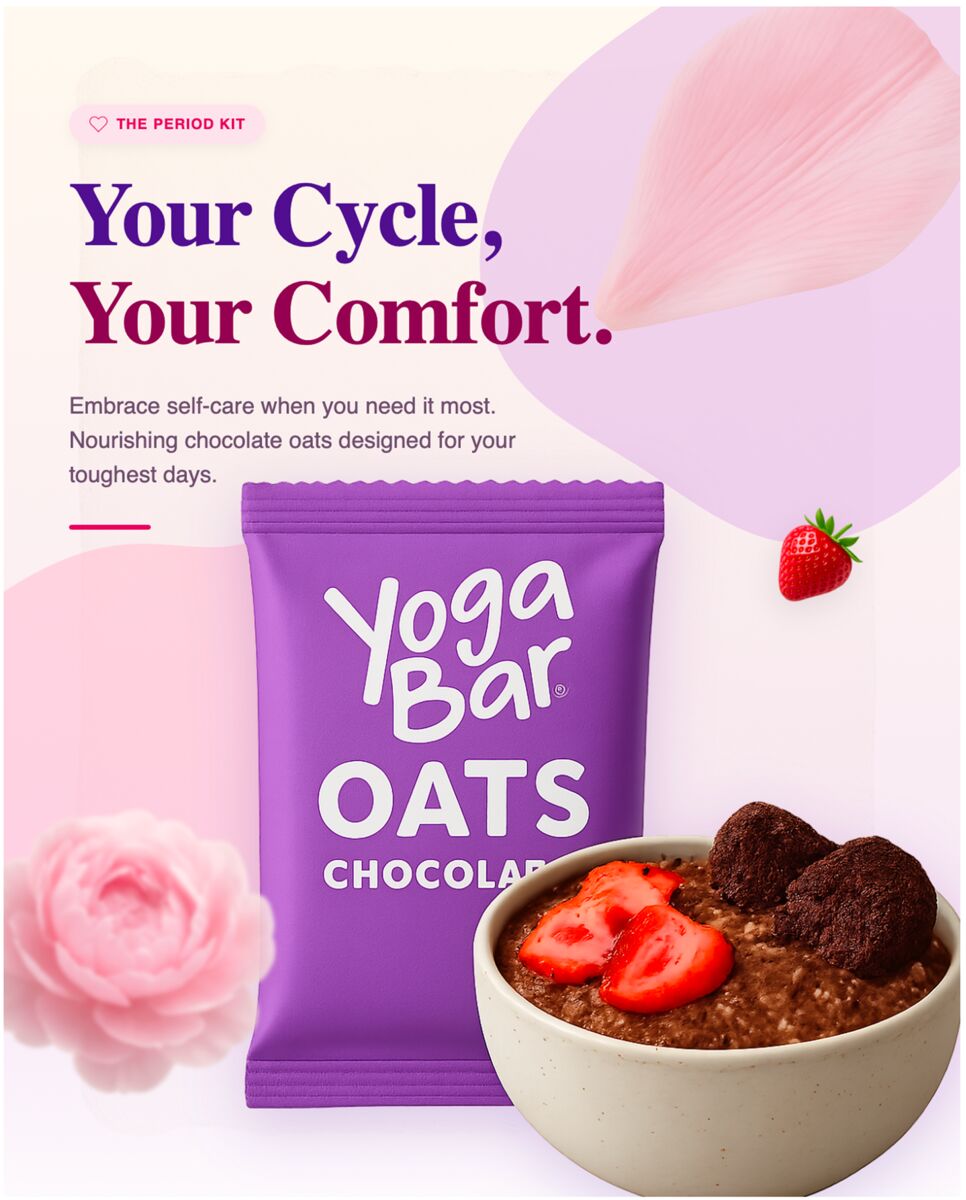
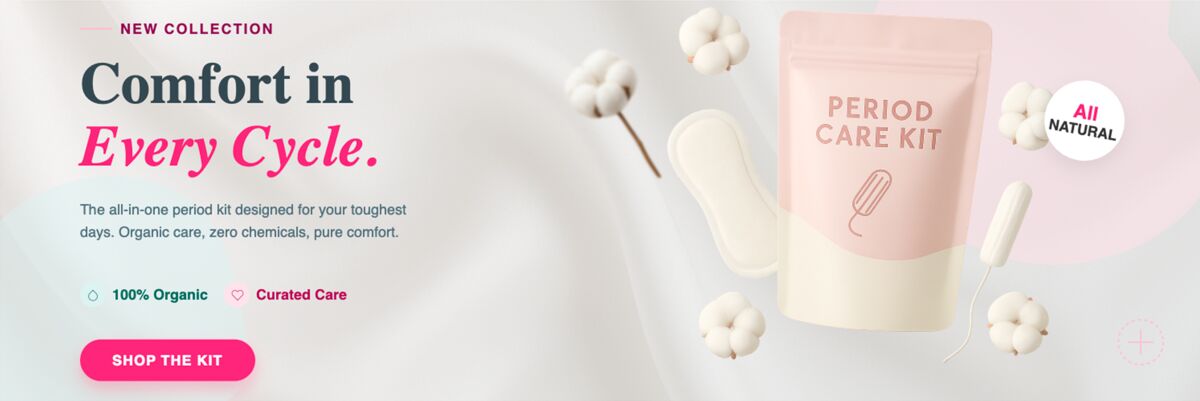
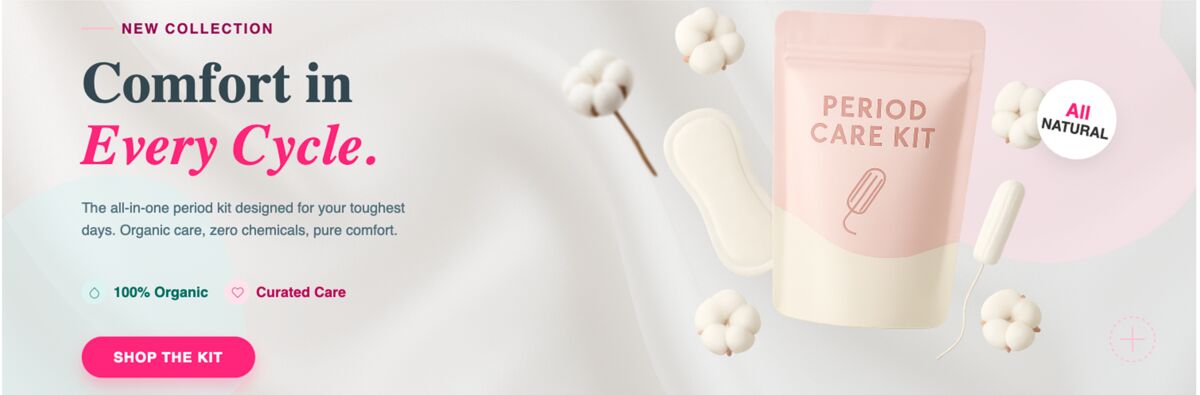
Write a concise prompt that includes brand colors, tone, and layout intent, e.g., “Create a 600 × 150 px email header for a fintech SaaS, using #0A74DA primary, modern sans‑serif headline, with a subtle abstract wave background.” Feed the prompt into DesignLumo; the engine returns a fully layered PSD with editable text, vector shapes, and image layers. Immediately open the file in Figma, replace placeholder copy with the client’s tagline, and adjust layer opacity. Measure success by tracking the time from prompt to editable file—target ≤45 seconds per header.
Refine Illustrations with Midjourney
If the AI‑generated background feels generic, copy the DesignLumo export’s description and feed it to Midjourney (https://midjourney.com) with a style modifier like “–v 5 –q 2 –stylize 750”. Generate four variations, select the most on‑brand, then import the PNG into DesignLumo as a replacement layer. Use the built‑in “replace image” function to keep text layers intact. Record the iteration count; agencies that limit to two Midjourney passes see a 20 % reduction in total design hours while maintaining creative originality.
Layer Editing in Figma for Responsive Variants
Import the layered PSD from DesignLumo into Figma and create three frames: desktop (600 px), mobile (320 px), and tablet (480 px). Use Auto Layout to reposition headline and CTA groups, ensuring a minimum 12 px tap target on mobile. Apply constraints (left‑right, top‑bottom) so elements scale proportionally. Export each frame as a separate image asset and embed them with <picture> tags in the email HTML. Track rendering speed with Litmus; aim for <200 ms load time across all devices to improve click‑through rates by 5‑7 %.
3. Optimization & Testing
A/B Test Header Copy & CTA Placement
Set up two variants in Mailchimp (https://mailchimp.com): Variant A keeps the AI‑generated headline, Variant B swaps in a data‑driven headline derived from SEO keyword research. Use the same header image but move the CTA button 10 px left in Variant B. Send the campaign to a 10 % split of your list and run for 48 hours. Compare open rates and click‑through rates; a lift of ≥3 % signals the winning layout. Document the result in a shared Notion board for future client proposals.
Compress & Inline Images for Load Speed
After finalizing the header, run the PNG through TinyPNG (https://tinypng.com) to achieve ≤70 KB without perceptible quality loss. Then use an inline CSS background‑image technique in the email HTML to avoid external calls: <div style="background:url('data:image/png;base64,…') no‑repeat center/cover;">. Test the final email with Litmus; target a total email size under 100 KB. Agencies that adopt this compression routine see a 12 % increase in click‑through rates due to faster rendering on mobile clients.
Track Engagement via UTM & Heatmaps
Append UTM parameters to the CTA URL (e.g., utm_source=email&utm_medium=header&utm_campaign=clientX). In Google Analytics, create a custom “Header Click” goal and monitor conversion paths. Complement this with Hotjar’s heatmap embed (https://hotjar.com) to visualize click density on the header image itself. Aim for a click‑through rate above 2 % and a heatmap concentration in the top‑right quadrant; adjust future designs based on these data points to continuously improve ROI for retainer clients.
Before you go
- Save every DesignLumo prompt in a shared Google Sheet to reuse high‑performing language across clients.
- Create a master Figma component library for header elements—logo, headline, CTA—so you can swap content in seconds.
- Automate the export‑compress‑inline pipeline with a Zapier workflow that triggers after a DesignLumo file is saved.



Ready to create your first design?
Join thousands creating professional designs in seconds.
Create with DesignLumo
Related Resources
Ultimate Event Poster Design Guide for Agencies
Step-by-step tactics to craft high‑impact event posters that win clients.
Winning Design Content Ideas for Web Agencies
Actionable design content ideas to boost agency pitches, speed development, and win clients.
Essential Digital Tools for Agency Growth
Powerful, tactical tools to speed mockups, assets, and workflow for web design agencies.
LinkedIn Toolkit for Web Design Agencies
Tactical LinkedIn assets to win clients, showcase work, and hire talent.
Winning Pitch Deck Blueprint for Agencies
Step‑by‑step slide design system that boosts agency win rates.
Email Design Ideas for Web Agencies
Actionable email graphic ideas to win clients and boost agency revenue.