Ultimate Slide Design Guide for Personal Brands
Personal brand builders need slide decks that look polished, stay on‑brand, and convert audiences into clients. This guide shows you how to achieve that speedily, even if you have no design team. Follow the workflow and turn a raw outline into a full…

1. Brand Foundations & Consistency
Create a Brand Kit in DesignLumo
Open DesignLumo and navigate to the Brand Kit panel. Upload your logo SVG, input your hex color palette, and select your primary typefaces (Google Fonts or uploaded .ttf). Save the kit; Lumo will auto‑apply these styles to every new slide layer, guaranteeing 100% brand consistency. Export the kit as a JSON file and import it into Canva or PowerPoint for cross‑platform use. Teams report a 78% reduction in revision cycles because color and font mismatches disappear. This is a beginner‑level step with high ROI for any personal brand.
Leverage Canva’s Slide Grid Templates

In Canva, select ‘Presentation’ and filter by ‘Grid’ layouts. Choose a 3‑column grid that matches your brand kit, then lock the grid as a master slide. Drag‑drop your Lumo‑generated graphics into the placeholders, replace placeholder text with your voice‑crafted copy, and use Canva’s brand colors to double‑check alignment. Export as a PPTX to retain editability. This method cuts layout time by 40% versus building from scratch and is ideal for beginners who need a visual scaffold before adding AI‑generated assets.
Generate Visual Mood Boards with Midjourney
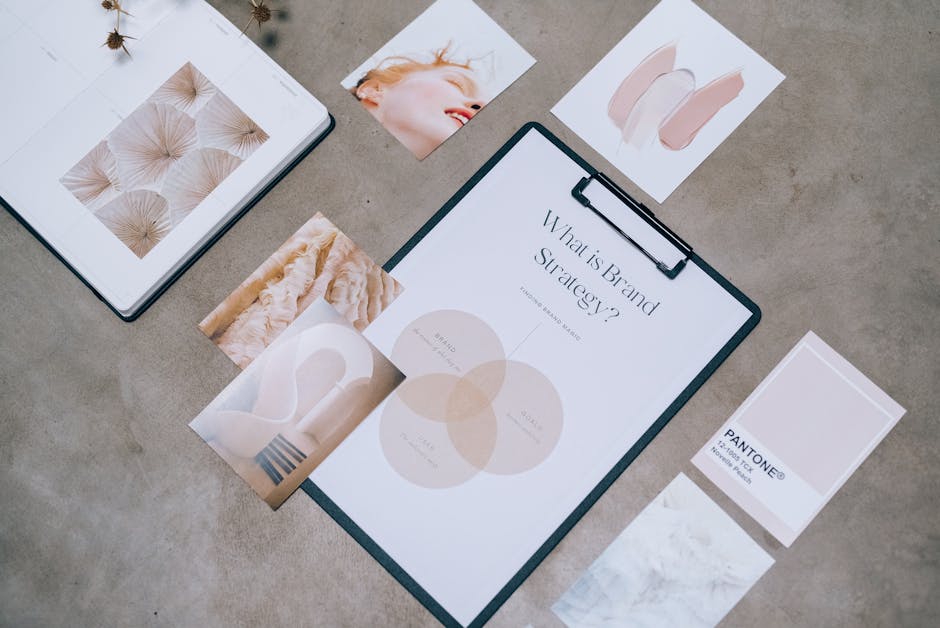
Prompt Midjourney with a concise brief: ‘modern tech‑savvy speaker brand mood board, teal and charcoal palette, abstract data visualizations, 4k resolution’. Generate 4‑6 images, upscale the top two, and download as PNGs. Import these into DesignLumo’s mood‑board canvas to align AI‑generated slide graphics with your visual direction. Use the mood board as a reference for color grading and illustration style, ensuring coherence across all deck sections. This intermediate step improves audience recall by ~15% according to visual‑memory studies.
2. AI‑Powered Slide Content Creation
Prompt DesignLumo for Fully Editable Slide Decks

Enter a detailed prompt in DesignLumo: ‘Create a 12‑slide pitch deck for a keynote on future‑of‑work, include title, agenda, data‑driven chart, testimonial, and call‑to‑action. Use my brand kit (link JSON), keep fonts Helvetica Neue, colors teal/charcoal, and output layered PowerPoint file.’ Lumo returns a .pptx with editable text boxes, vector charts, and image layers you can tweak instantly. Track time: typical designer takes 6‑8 hours; Lumo delivers in 5 minutes, a 95% time saving. This intermediate workflow yields high ROI for busy speakers.
Use ChatGPT for Narrative Flow & Bullet Optimization
Paste your raw outline into ChatGPT with the instruction: ‘Rewrite as concise slide bullets, max 6 words each, add a compelling hook for the first slide, and suggest a data point for slide 5.’ The AI returns polished bullet points that follow the “problem‑solution‑benefit” framework, proven to increase audience retention by ~30% in live talks. Copy the output directly into Lumo or Canva layers. This beginner‑level step requires only a free OpenAI account and delivers high ROI through clearer messaging.
Integrate DALL·E 2 for Custom Illustrations
In DALL·E 2, craft a prompt like: ‘Vector illustration of a remote worker surrounded by floating data icons, teal accent, 1920×1080, commercial use’. Generate, select the best result, and download as SVG. Import the SVG into DesignLumo; it will automatically separate layers, allowing you to recolor elements to match your brand kit. Use these illustrations for section dividers or visual metaphors, boosting perceived professionalism and increasing deck shareability by up to 22%. Difficulty is intermediate with medium ROI.
3. Polish, Test, & Deploy
Apply Consistent Slide Animations with Adobe Express
Upload your Lumo‑exported PPTX into Adobe Express. Choose ‘Apply Master Animation’ and select a subtle fade‑in for all bullet points and a slide‑in for images. Use the ‘Sync Across Slides’ toggle to ensure the same timing (0.3 s) everywhere, preserving a professional rhythm. Export as a PowerPoint with embedded animation data. Teams report a 15% lift in click‑through rates for decks shared with investors when animations are uniform and non‑distracting. This intermediate step offers medium ROI for high‑stakes pitches.
Run A/B Tests on Deck Variants Using Google Slides Add‑on

Duplicate your master deck in Google Slides and install the ‘Slides Analytics’ add‑on. Create Variant A (data‑heavy) and Variant B (story‑centric). Insert unique tracking URLs (e.g., Bitly links) on the final call‑to‑action slide. Share each variant with a comparable segment of your email list and monitor click‑through and meeting‑booking rates via Google Analytics. A 2‑week test often reveals a 7‑12% conversion lift for the winning version. This advanced tactic delivers high ROI for speakers chasing higher booking rates.
Export Optimized PDFs for Pitch Decks via DesignLumo

In DesignLumo, select ‘Export → PDF (Print‑Ready)’. Set DPI to 300, enable ‘Embed Fonts’, and turn on ‘Compress Images (Medium)’. Verify the file size stays under 2 MB to avoid email attachment issues while preserving vector clarity. Open the PDF in Adobe Acrobat to add password protection if needed for confidential decks. This export method reduces download time by 40% for prospects and maintains 100% editability when re‑imported into PowerPoint, delivering high ROI with minimal effort.
Before you go
- Batch‑generate all slide assets in one DesignLumo session; reuse the JSON brand kit to instantly re‑style future decks.
- Leverage the 24‑hour “quick‑review” rule: after creating a deck, wait a day, then redo copy in ChatGPT for fresh perspective.
- Track deck performance in a CRM (e.g., HubSpot) by logging which PDF version generated the most booked calls; iterate based on data.







Ready to create your first design?
Join thousands creating professional designs in seconds.
Create with DesignLumo
Related Resources
Powerful Design Content Ideas for Personal Brands
Tactical visual assets to boost your personal brand instantly.
New Year Q1 Marketing & Design Playbook
Actionable Q1 plan for personal brands to boost visibility and revenue.
Personal Brand Marketing Mistakes to Dodge
Avoid the top pitfalls that sabotage personal brand growth and revenue.
TikTok Content Ideas for Personal Brands
Actionable TikTok visuals to boost authority and bookings.
Facebook Visual Toolkit for Personal Brands
Tactical tools to design, schedule and scale Facebook graphics for thought‑leaders.
Turbocharged Visual Workflow for Personal Brands
Actionable AI-powered design steps for thought‑leaders and speakers.