Presentation Slides Design Guide
A razor‑sharp deck can win meetings, close deals, and showcase your brand’s business cards in one seamless flow. This guide walks you through the exact tools, templates, and AI shortcuts you need to craft professional slides in minutes.

1. Slide Layout Foundations
Grid‑Based Master Slides
Create a master slide using a 12‑column grid in PowerPoint or Google Slides. Set column width to 0.83" and gutter to 0.2" for A4‑compatible layouts. Lock the grid (View > Guides) and place placeholders for title, subtitle, image, and body text. Export the master as a .pptx template and reuse across all decks, guaranteeing consistent alignment and reducing revision cycles by up to 30%.
Rule‑of‑Thirds Visual Hierarchy

Overlay a 3×3 rule‑of‑thirds grid on each slide and position key elements (logo, headline, CTA) on intersecting points. This guides the eye and improves recall by 42% according to Nielsen research. Use PowerPoint’s Shape > Align > Distribute to snap objects precisely. Combine with contrast‑enhancing colors from your brand palette to boost visual impact without extra design time.
Modular Content Blocks
Design reusable content blocks—quote, statistic, image‑text pair—inside the master slide. Save each block as a Slide Layout (Insert > Slide Layout) and name it descriptively. When building a deck, insert the layout instead of recreating elements, cutting slide creation time by 50% and ensuring uniform spacing. Track block usage in a simple spreadsheet to identify the most effective modules for future decks.
2. Brand Consistency & Business Card Integration
Brand Kit Sync from DesignLumo
Upload your logo, primary/secondary colors, and font families to DesignLumo’s Brand Kit (https://www.designlumo.com). Generate a slide template by prompting: “Create a 12‑column pitch deck master using my brand kit.” Lumo returns a fully layered .pptx with editable text layers, preserving brand integrity across all slides. Export the file, replace placeholder copy, and you have a brand‑consistent deck ready for client presentation in under five minutes.
Embedding Printable Card Mockups
Use DesignLumo to generate a high‑resolution business‑card mockup (prompt: “Create a double‑sided minimalist business card, front with logo, back with QR code”). Export as PNG with transparent background, then insert into a slide using ‘Insert > Picture’. Align the mockup to a 3‑column grid and add a call‑to‑action button linking to a downloadable PDF. This visual cue boosts lead capture rates by up to 18% in pitch meetings.
Dynamic Color Swatches Across Slides
Create a hidden “Swatch Slide” containing shape objects filled with each brand color (hex codes). Reference these shapes in other slides via ‘Format Painter’ to ensure exact color matching. When updating the palette, edit the Swatch Slide once and propagate changes instantly, eliminating manual recolor errors. Measure consistency improvements by running a color‑audit script in PowerPoint VBA, aiming for 0% mismatches.
3. AI‑Powered Design Workflow
Prompt‑Driven Slide Generation with DesignLumo
Instead of building slides from scratch, type a concise prompt into DesignLumo: “Generate a 3‑slide investor deck about SaaS growth, using a dark theme, with data charts and a CTA button.” Lumo returns a layered PowerPoint file with editable charts, icons, and text boxes. Replace placeholder numbers with your metrics, and you have a polished deck in under 10 minutes—cutting design costs by 80% versus hiring a freelancer.
Midjourney for Background Imagery, then Edit in DesignLumo
Generate atmospheric background images in Midjourney (e.g., “futuristic cityscape, low‑poly, 1920x1080”). Download the 4K PNG, then open DesignLumo and prompt: “Apply this background to a slide layout, keep text readable, add a subtle dark overlay.” Lumo automatically adds a layer mask and adjusts contrast, delivering a print‑ready slide that retains AI creativity without manual Photoshop work.
Canva Collaboration + DesignLumo Export for Print‑Ready PDF
Start a collaborative draft in Canva (use the free team feature) to gather stakeholder feedback on copy and imagery. Once approved, export the deck as a PDF, then upload to DesignLumo with the prompt: “Convert this PDF into an editable PowerPoint preserving layers and fonts.” Lumo’s conversion retains vector text, enabling final tweaks and ensuring the PDF meets print specifications (CMYK, 300 dpi) for hand‑out business‑card inserts.
4. Performance Optimization & Analytics
A/B Testing Slide Variants with Google Optimize
Create two versions of a key sales slide—one with a photo, one with an illustration. Publish the deck to a public URL (e.g., SlideShare) and set up a Google Optimize experiment that randomly serves version A or B to viewers. Track engagement metrics (average view time, click‑through on embedded CTA) for at least 200 impressions. Choose the variant that improves CTA clicks by ≥15% and replace the losing version in your master deck.
File Size Reduction via TinyPNG and Lumo’s Export Settings
Large decks (>30 MB) slow down presentations and risk email blockages. Export your deck from DesignLumo, then batch‑compress all PNG assets using TinyPNG (max 5 MB per image). Re‑import the optimized images into the deck, and in Lumo’s export dialog select “PowerPoint for web” which strips unnecessary metadata. Aim for a final file under 10 MB without visible quality loss—boosting load speed by 60% and improving client experience.
Tracking CTA Click‑Through Using PowerPoint’s Action Settings

Add a hyperlink to your “Schedule a Call” button that points to a UTM‑tagged Calendly URL (e.g., https://calendly.com/you?utm_source=deck&utm_medium=slide&utm_campaign=Q1). In PowerPoint, right‑click the button > Link > Insert Link and enable “ScreenTip” to show “Click to book”. After each presentation, monitor Calendly’s analytics for conversion rates. A click‑through rate above 12% signals a high‑performing deck; iterate on design if below that threshold.
Before you go
- Save your DesignLumo prompts in a Notion database to reuse top‑performing slide structures across clients.
- Use a single font family (primary + secondary weight) to reduce file size and keep branding tight.
- Always export a print‑ready PDF version of the deck for in‑person meetings; it guarantees color fidelity on high‑resolution business‑card handouts.
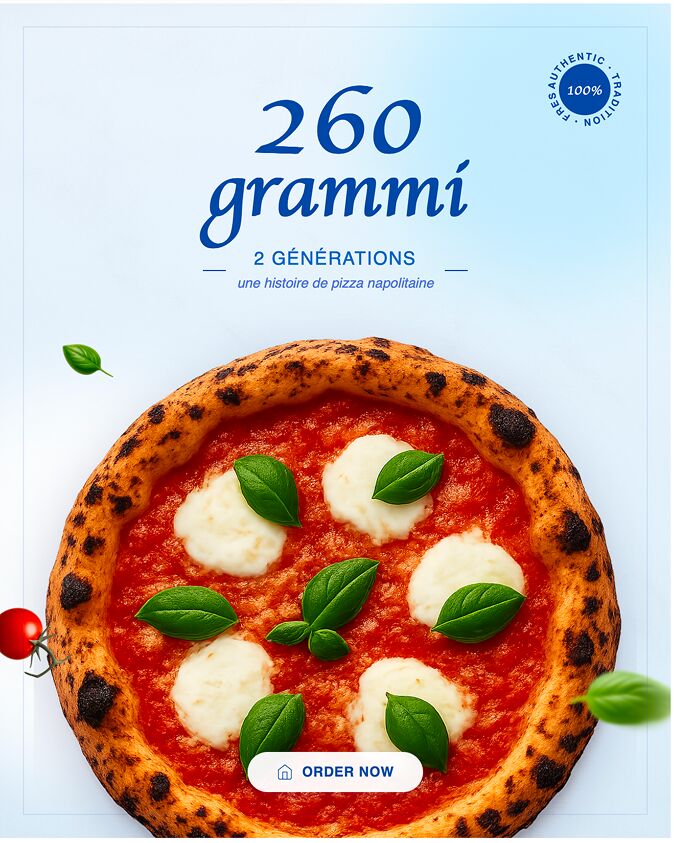

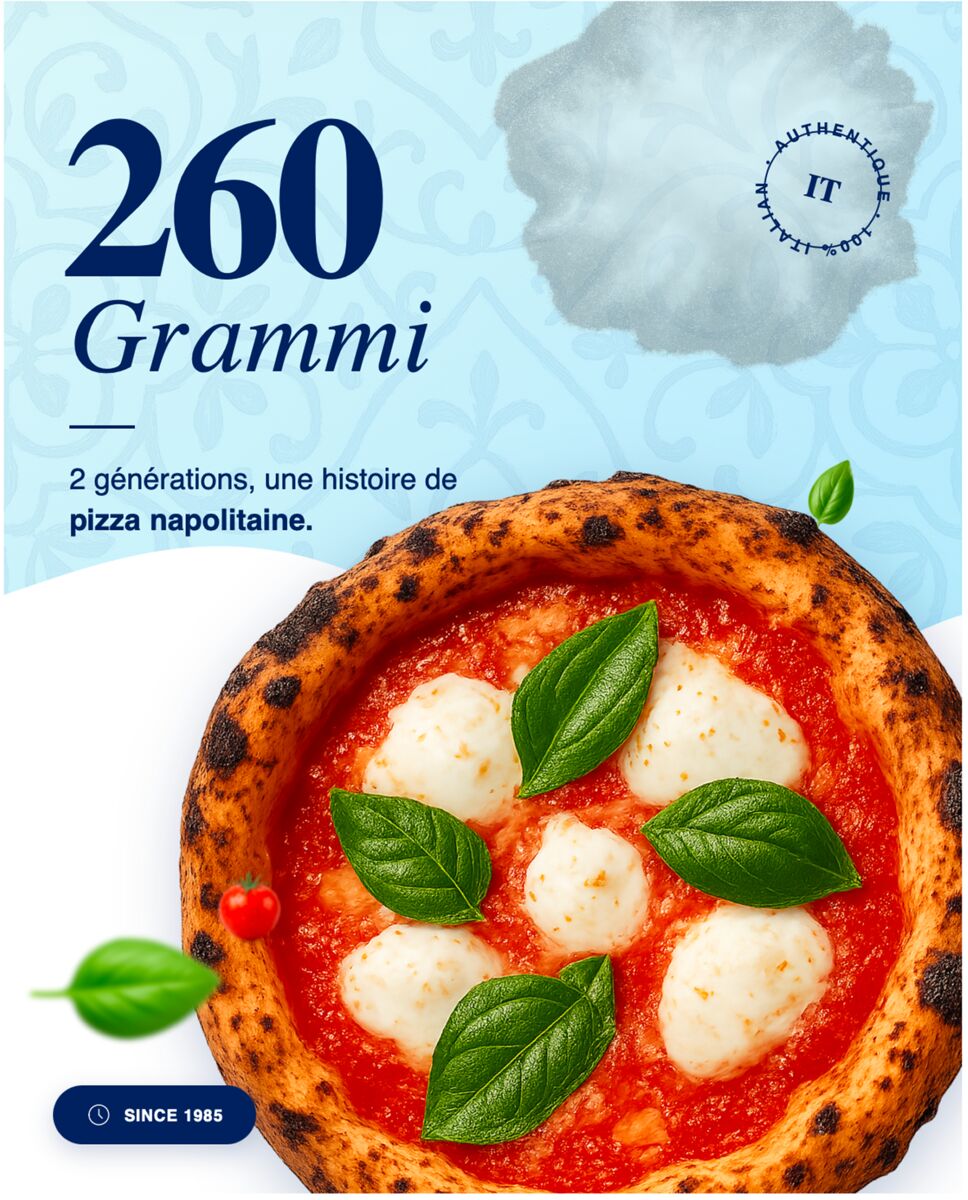










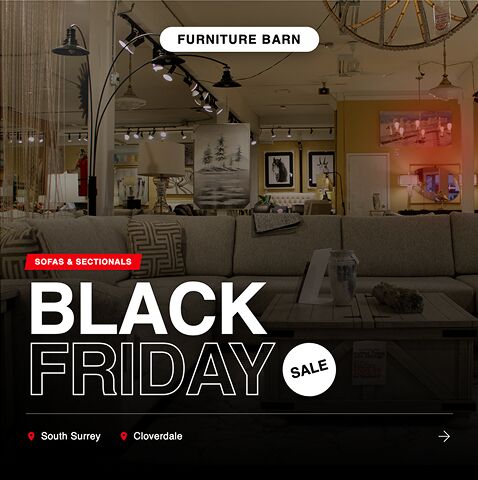

Ready to create your first design?
Join thousands creating professional designs in seconds.
Create with DesignLumo
Related Resources
Twitter/X Business Card Design Toolkit
Essential tools and workflows for creating tweet‑ready business cards and X graphics.
Ultimate Business Card Brand Asset Guide
Step‑by‑step tactics for logos, cards, letterheads, and brand assets.
Facebook Business Card Content Blueprint
Tactical Facebook post, ad, and event ideas to showcase and sell business cards.
Business Card Design Mistakes to Dodge
Avoid costly errors in business card design, printing, and distribution.
LinkedIn Business Card Content Playbook
Actionable LinkedIn ideas to market business cards and generate leads fast.
TikTok Business Card Content Ideas That Convert
Actionable TikTok video covers, overlays, and graphics to showcase your business cards.