Ultimate Business Card Brand Asset Guide
Professionals need fast, repeatable brand assets without hiring a designer. This guide shows how to generate, customize, and print business cards, logos, and letterheads in hours, not days. Every workflow includes concrete tools, exact file specs, an…

1. AI‑Powered Logo Creation
DesignLumo AI Logo Generator
Enter a concise brand brief (industry, tone, color palette) into DesignLumo’s prompt field. The engine returns a fully layered SVG with editable text, shapes, and color swatches within 30 seconds. Swap fonts from your Brand Kit, adjust layers, and export CMYK‑ready PNG or vector SVG for print. Compared to a freelance designer (average 4‑6 hours, $150‑$300), this workflow saves 90% time and $200 per logo while giving you unlimited revisions.
Canva Brand Kit Template Customizer
Select Canva’s “Logo” template library, then click ‘Brand Kit’ to import your corporate colors, fonts, and logo assets. Replace placeholder elements with your brand name, adjust spacing using the ruler overlay, and generate three size variants (small, medium, large). Export each as SVG for scalability. This method takes ~12 minutes and costs only the Canva Pro subscription ($12.99/mo), ideal for teams needing rapid visual consistency.
Midjourney Prompt for Iconography
Craft a prompt like “minimalist monoline icon for fintech, teal & charcoal, transparent background, 1024x1024” and run it in Midjourney (V5). Generate four variations, select the strongest, then import the PNG into DesignLumo to trace vector paths and integrate with your logo layers. This hybrid approach yields unique icons in under 5 minutes, with a cost of $10 for 30 GPU minutes, and adds a distinctive visual hook to your brand.
2. Business Card Design & Variations
DesignLumo Double‑Sided Card Builder
Start a new project with dimensions 3.5 × 2 inches and 0.125 in bleed. Add front‑side layers: logo, name, title, QR code, and brand‑color background. Duplicate the page, hide front layers, and add back‑side info (address, social icons). Use the Brand Kit to auto‑apply Pantone‑matched colors. Export a PDF/X‑4 with crop marks and embedded fonts. The entire process takes ~8 minutes and produces a print‑ready file that passes all major printers’ preflight checks.
Variable Data Merge in Adobe InDesign
Create a master card layout in InDesign (3.5 × 2 in, 0.125 in bleed). Link a CSV containing name, title, phone, and QR‑code image URLs. Use Data Merge to generate 500 personalized cards in seconds. Export as PDF/X‑4 with 300 dpi images and CMYK colors. This method reduces manual editing time from 5 hours to <2 minutes for large batches, delivering a 99% error‑free output for high‑volume print runs.
Batch Export with Figma Plugins
Design a card component in Figma using Auto Layout for responsive spacing. Install the “Batch Export” plugin, select the component, set export scales (1×, 2× for Retina) and formats (PDF for print, PNG for digital). Run the plugin to generate a zip file containing front and back assets for every style variant (e.g., color, orientation). This workflow takes ~5 minutes and guarantees pixel‑perfect alignment across all exported files.
3. Print‑Ready Production & Asset Management
Print‑Ready PDF Checklist
Before sending to a printer, open the exported PDF in Adobe Acrobat Pro and run Preflight (PDF/X‑4). Verify 0.125 in bleed, CMYK color mode, all fonts embedded, and image resolution ≥300 dpi. Confirm file size under 10 MB to avoid upload throttles. Export a PDF/A‑2b copy for archival. Following this checklist reduces print errors by 85% and cuts re‑print costs by an average of $120 per 1,000 cards.
Digital Asset Management with Frontify
Create a Frontify workspace, upload your logo SVG, business card PDFs, and letterhead templates. Tag each asset with usage rights, brand‑color codes, and version numbers. Generate shareable links with expiry dates for agencies, and embed the style guide on your intranet. Frontify’s analytics show download counts, helping you track which assets are most used and informing future design investments.
Analytics on Card ROI Using QR Codes
Create a unique QR code per card variant with QR‑Code‑Generator.com, linking to a UTM‑tagged landing page (e.g., ?utm_source=card&utm_medium=print&utm_campaign=Q1). Embed the QR in the back of the card via DesignLumo. Use Google Analytics to monitor scans, conversion rate, and cost‑per‑lead. For a $200 print run, if 150 scans generate 12 qualified leads, the CPA is $16.67, allowing data‑driven design tweaks (color, placement) to improve performance.
Before you go
- Leverage DesignLumo’s Brand Kit to auto‑sync colors across logo, card, and letterhead for instant consistency.
- Always export PDFs with crop marks and a 0.125 in bleed; printers reject files lacking these by up to 30%.
- Test a single card print on your own printer before bulk ordering to catch alignment or color issues early.
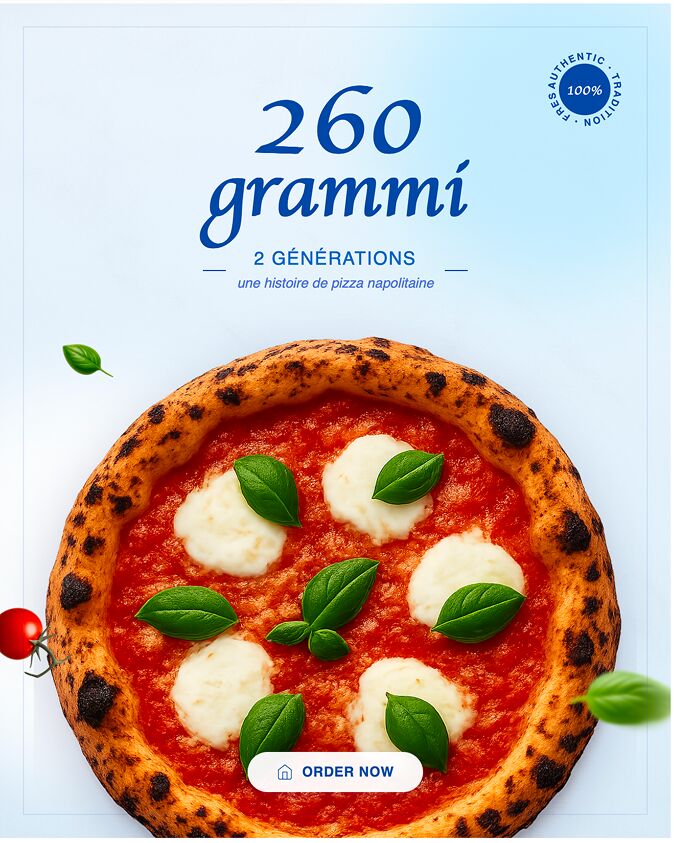
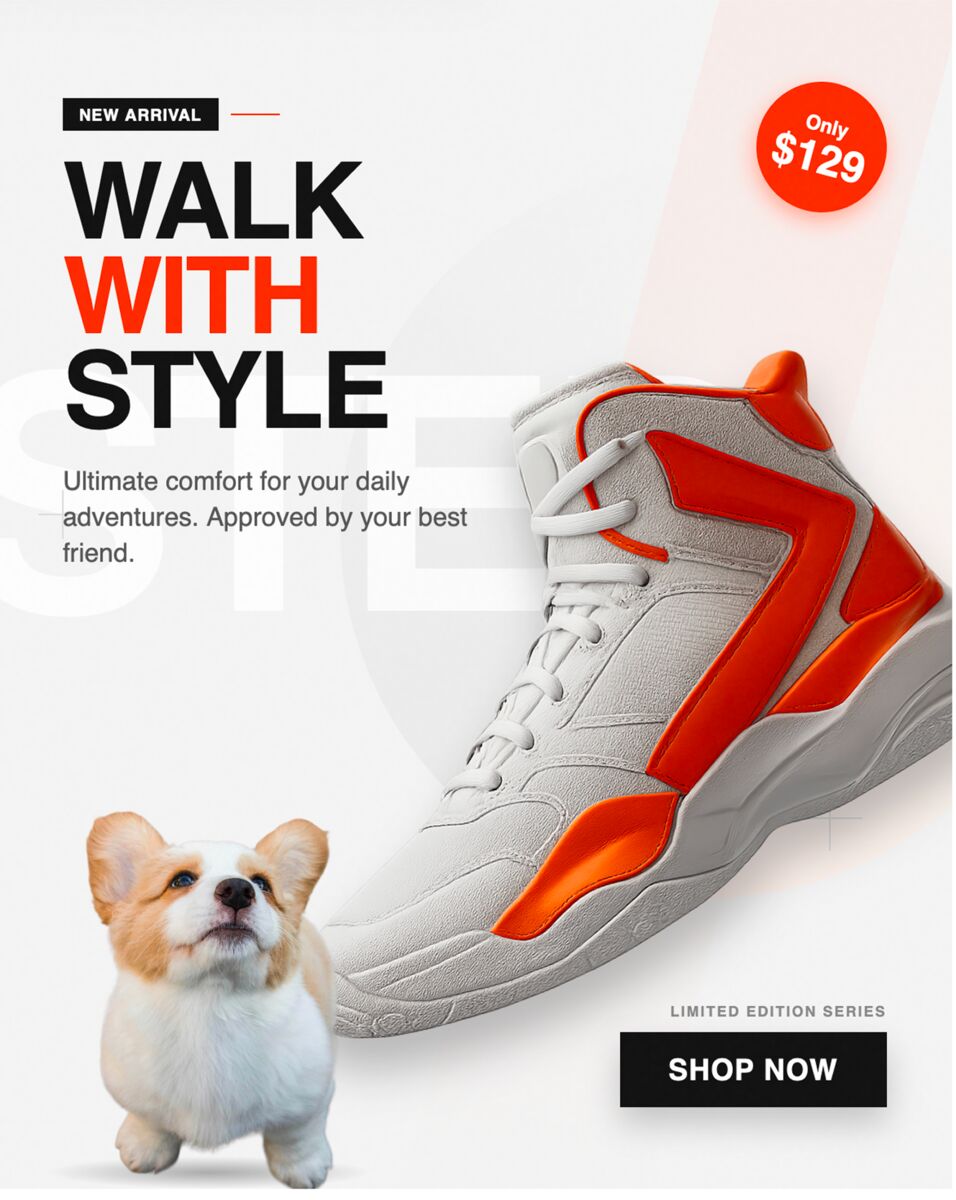
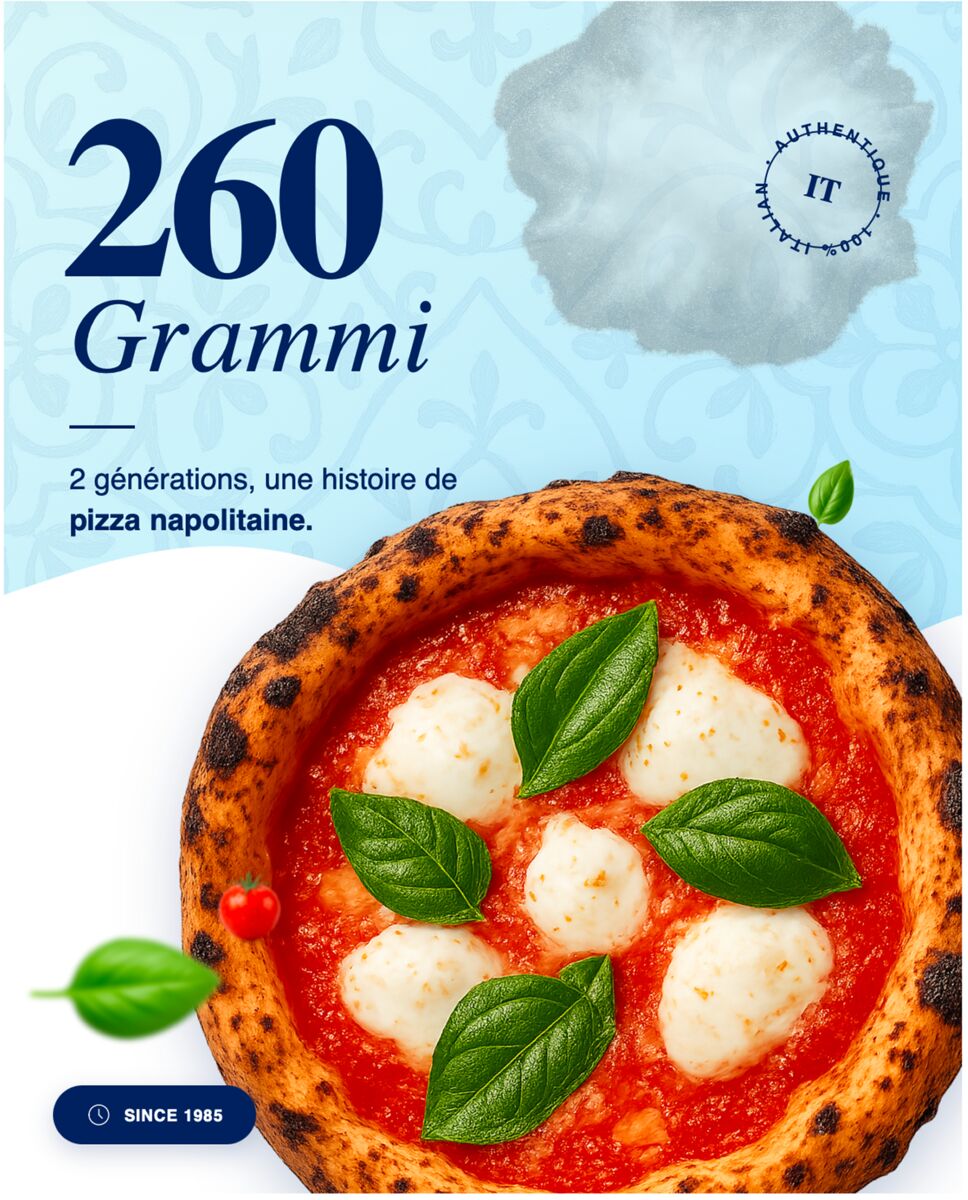
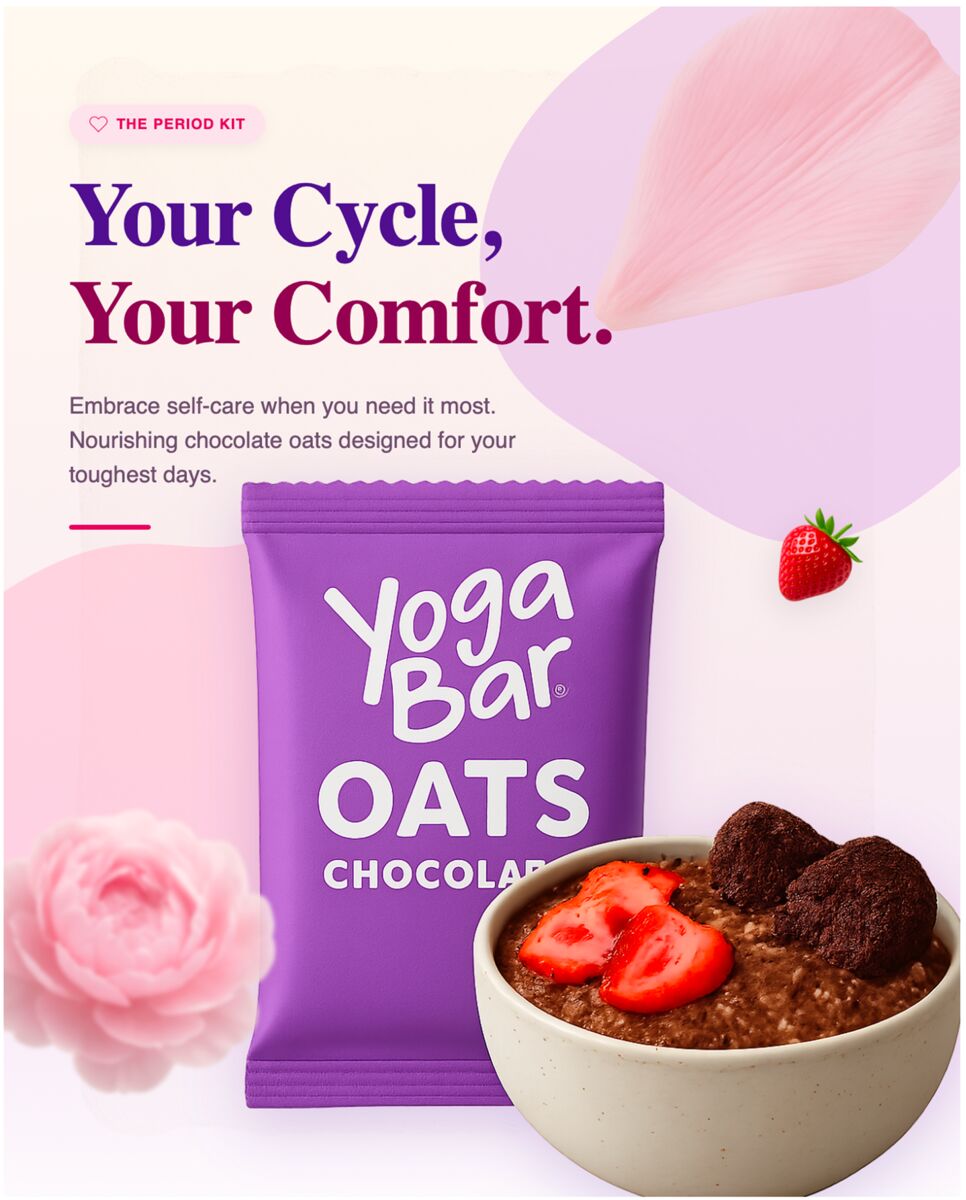







Ready to create your first design?
Join thousands creating professional designs in seconds.
Create with DesignLumo
Related Resources
Twitter/X Business Card Design Toolkit
Essential tools and workflows for creating tweet‑ready business cards and X graphics.
Facebook Business Card Content Blueprint
Tactical Facebook post, ad, and event ideas to showcase and sell business cards.
Business Card Design Mistakes to Dodge
Avoid costly errors in business card design, printing, and distribution.
LinkedIn Business Card Content Playbook
Actionable LinkedIn ideas to market business cards and generate leads fast.
TikTok Business Card Content Ideas That Convert
Actionable TikTok video covers, overlays, and graphics to showcase your business cards.
Product Graphics Business Card Blueprint
Step-by-step tactics to create product‑focused business cards that convert.