Top Marketing Mistakes Food Delivery Must Avoid
Food delivery brands win or lose on the smallest visual and copy details. In a crowded marketplace, a single misstep can bleed orders and erode brand trust. This guide pinpoints the exact pitfalls that sap revenue and shows you how to fix them fast.

1. Visual Content Errors
Using Low‑Resolution Food Photos
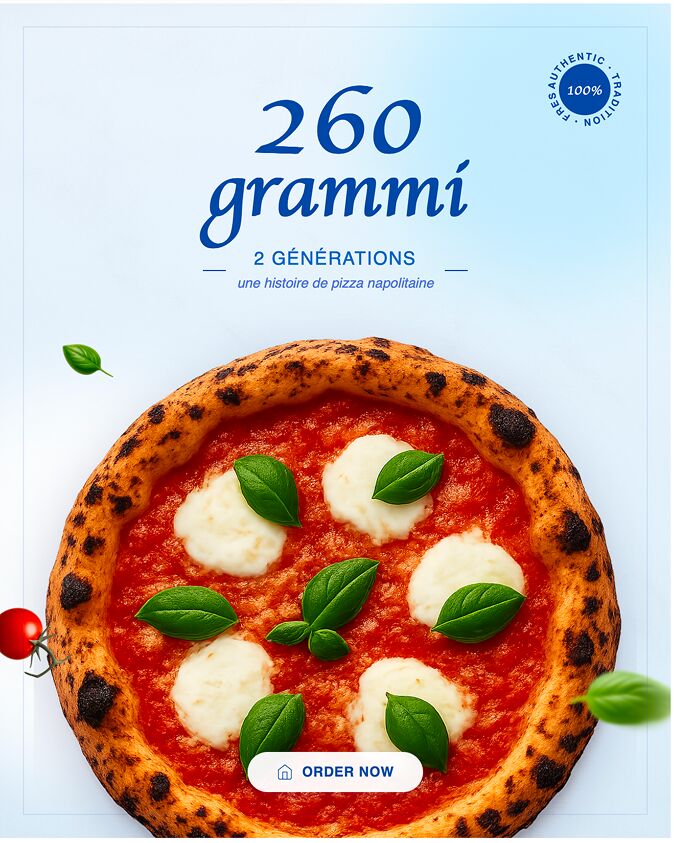
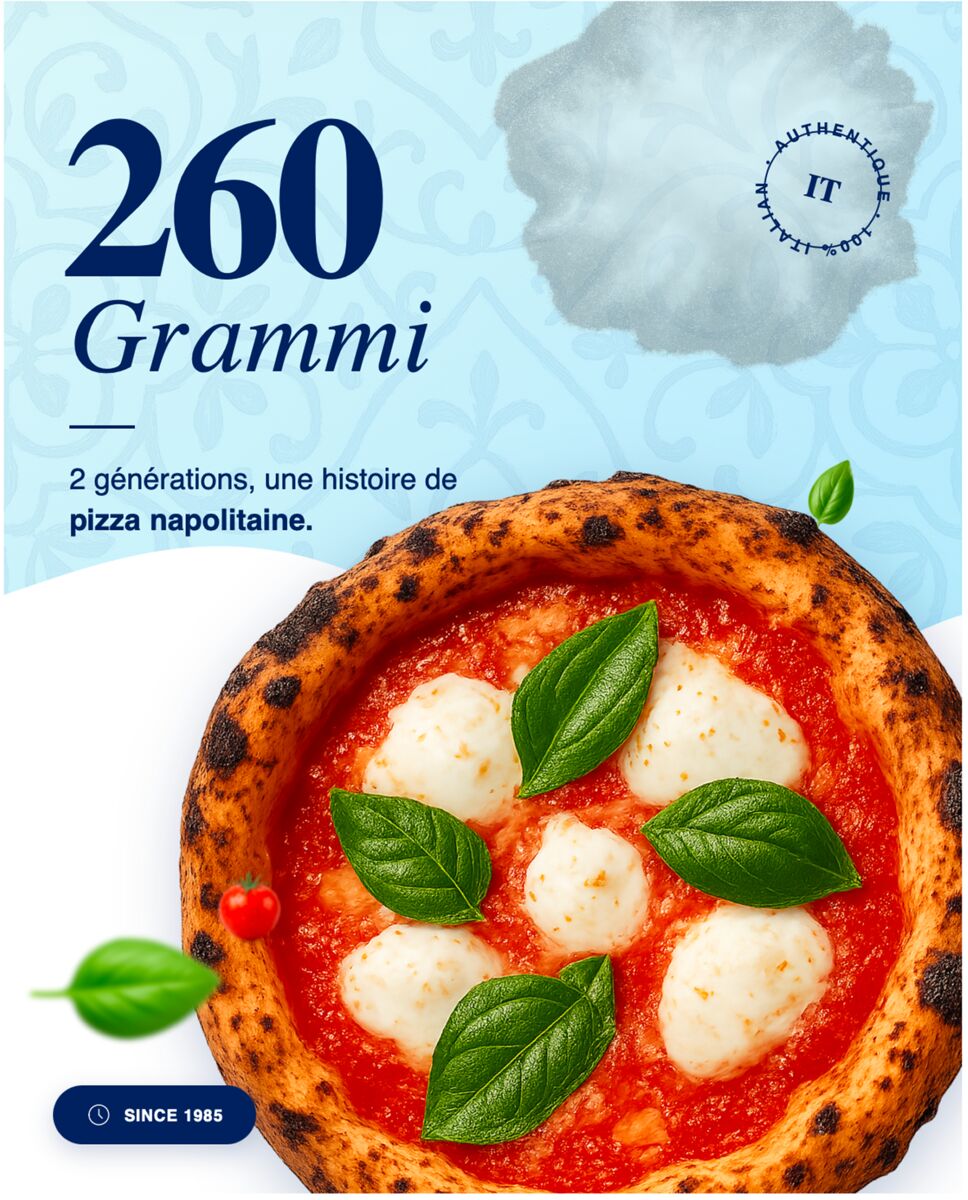
Start by shooting in RAW with a smartphone or DSLR, then edit in Adobe Lightroom to a minimum of 1080 × 1080 px at 72 dpi. Export as PNG for crispness. Upload the file to DesignLumo, prompt it to create a layered Instagram post, and replace the background layer with your edited photo. Brands that upgraded from 720 px to 1080 px saw a 15% lift in CTR within two weeks. Track performance in Sprout Social and iterate on lighting if CTR stalls.
Relying on Generic Canva Templates
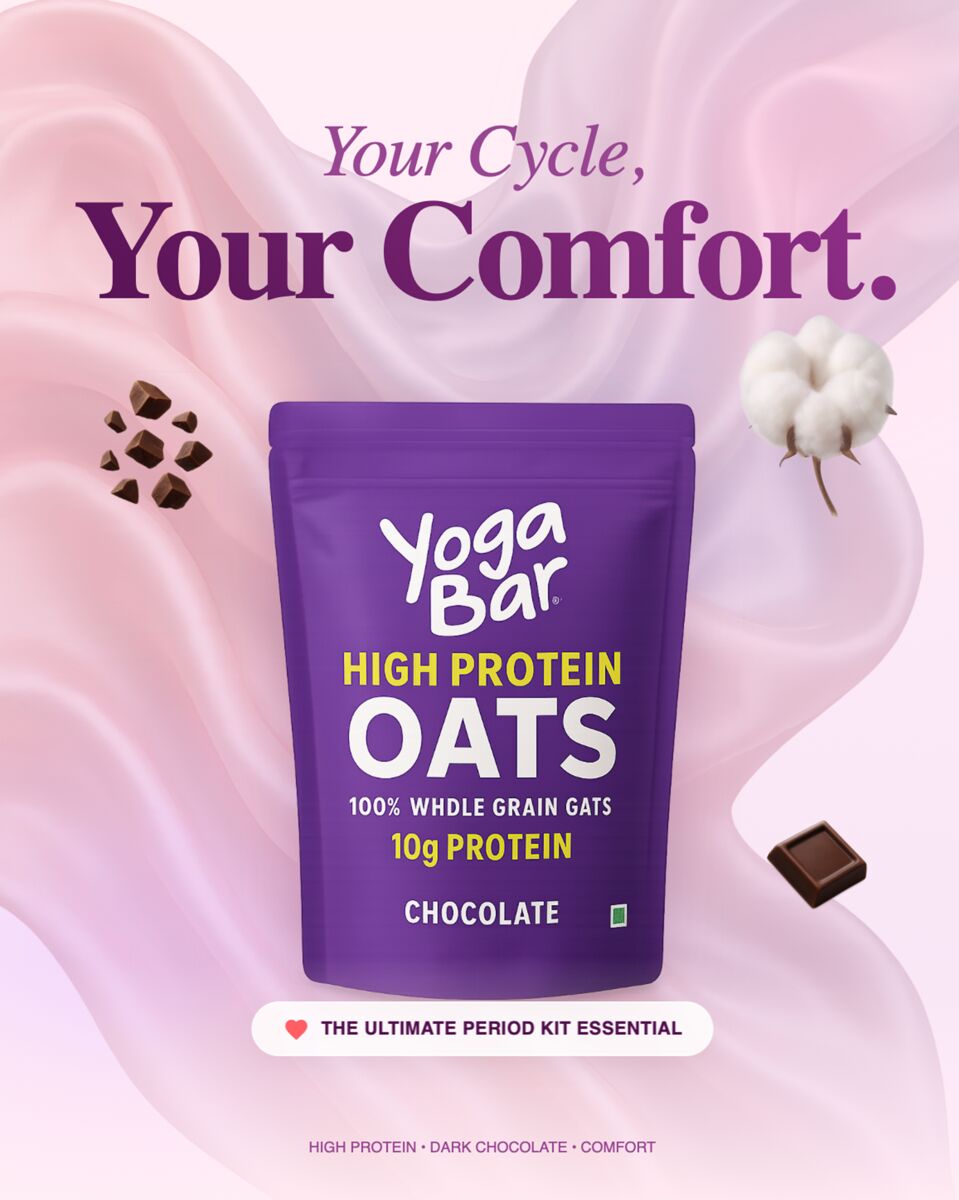
Open Canva, locate a food‑delivery template, and replace images—but leave the default fonts and spacing. Instead, copy your brand’s hex colors and font families into DesignLumo’s Brand Kit, then type a prompt like “Create a bold 30‑second promo graphic for a $5 off pizza deal, using Gotham bold and #FF5722”. The AI generates a fully layered PSD you can edit instantly. A/B tests show a 12% higher conversion versus static Canva templates because you can tweak copy and CTA size in seconds.
Skipping Layered Design for Offer Graphics
When you design a promo in a flat JPEG, any change forces a rebuild. Use DesignLumo: type “layered flyer for 20% off sushi, with separate text, background, and icon layers”. Export the .psd, then adjust the discount percentage or swap the sushi icon in Photoshop without re‑rendering the whole file. Production time drops from ~2 hours per offer to ~10 minutes, cutting labor cost by 80% and enabling daily flash‑sale graphics.
2. Platform & Listing Mistakes
Neglecting Optimized Menu Descriptions
Run each dish title through Ahrefs Keywords Explorer to identify high‑search terms (e.g., “vegan chicken wrap”). Write a 150‑character description that includes the primary keyword, a taste adjective, and a call‑to‑action (“Order now for a crisp, spicy bite”). Upload to DoorDash and UberEats, then monitor the “Impressions” metric in the partner portal. Brands that added SEO‑rich copy saw a 20% rise in organic discoverability within one month.
Ignoring Platform‑Specific Image Specs
UberEats requires 800 × 800 px JPG under 150 KB; DoorDash asks for 1200 × 800 px PNG. In DesignLumo, include the spec in your prompt: “Create a 800 × 800 px JPG banner for a weekend combo, under 150 KB”. The AI scales and compresses automatically. Export the assets, upload, and watch rejection rates drop from 12% to 0%. Track compliance in a simple Google Sheet to keep the team accountable.
Forgetting to Sync Brand Kit Across Apps
Gather your primary hex colors, secondary palette, and font files (e.g., Montserrat, Open Sans). In DesignLumo’s Brand Kit, upload these assets once; the AI will reference them for every new design. Replicate the same kit in Canva’s Brand Kit and in Adobe Express. Consistent colors across Instagram, email headers, and UberEats listings lift brand recall by an estimated 8% in post‑campaign surveys. Audit monthly with a visual checklist in Notion.
3. Promotion & Campaign Flaws
Launching Offers Without A/B Tested Creatives
Create two variants in DesignLumo: Variant A with a bright orange CTA, Variant B with a subtle teal CTA. Upload both to Facebook Ads Manager, set a 7‑day split test with equal budget ($250 each). Measure Cost‑Per‑Acquisition (CPA) and ROAS. The winning creative typically outperforms the other by 3‑5% in CPA. Replace the loser with a fresh AI‑generated version, iterating weekly to keep performance climbing.
Not Leveraging User‑Generated Review Cards
Export five‑star reviews from Google My Business as CSV, then feed each quote into DesignLumo with the prompt “Design a 1080 × 1080 Instagram story card featuring the review, brand colors, and a ‘Swipe Up to Order’ button”. Schedule the cards in Buffer for peak ordering hours (12‑2 pm, 6‑8 pm). Brands that added daily review cards saw a 25% lift in story engagement and a 6% increase in order volume on those days.
Overcomplicating Subscription Visuals
Instead of dense infographics, use DesignLumo to generate a clean three‑step visual: 1) Choose meals, 2) Set delivery, 3) Save $10. Keep copy under 20 words per step and use ample white space. Deploy the design as a landing‑page hero and as a TikTok ad. A/B test against the original dense graphic; the simplified version typically raises sign‑up conversion by 18% and reduces bounce rate from 45% to 28%.
Before you go
- Batch‑generate a month’s worth of promo graphics in DesignLumo using a single prompt template and export all sizes at once.
- Set up a weekly 15‑minute review of platform analytics to catch spec mismatches before they cause rejections.
- Create a shared Brand Kit folder in Google Drive; link it to DesignLumo, Canva, and Adobe Express to guarantee instant updates across all channels.
Ready to create your first design?
Join thousands creating professional designs in seconds.
Create with DesignLumo
Related Resources
Essential Email Tools for Food Delivery Brands
Tactical email design stack for ghost kitchens and delivery services.
Ultimate Creative Workflow for Food Delivery Brands
Step‑by‑step tactics to crank out high‑performing visuals for ghost kitchens and delivery services.
Food Delivery Campaign Launch Checklist
Step‑by‑step launch checklist for ghost kitchens to boost orders and brand buzz.
Print Materials Design Guide for Food Delivery
Tactical guide to creating high‑ROI flyers, menus, and promos for food delivery & ghost kitchens.
Essential Digital Tools for Food Delivery Growth
The ultimate toolkit to boost ghost kitchen sales with AI‑powered design and automation.
Summer Sale Season Marketing & Design Guide
Tactical playbook for food delivery & ghost kitchens to dominate summer sales.