Ultimate Infographics Design Guide for Marketers
Infographics turn raw data into compelling stories that boost traffic, backlinks, and conversions. This guide gives you a production line you can repeat for any topic, without hiring a designer.

1. 1️⃣ Data Foundations & Chart Creation
Data Extraction & Cleaning with Google Sheets
Import raw CSVs into Google Sheets, then use the QUERY function to filter rows, remove duplicates, and calculate percentages in a single formula. Apply Conditional Formatting to highlight outliers, and export the cleaned table as a .xlsx for downstream tools. This process typically reduces manual cleaning time from 2–3 hours to under 15 minutes, delivering a 75% efficiency gain and ensuring your charts are built on error‑free data.
Statistical Chart Generation using Tableau Public
Upload the cleaned sheet to Tableau Public, drag‑and‑drop to create a dual‑axis bar‑line chart that visualizes growth and share percentages simultaneously. Use calculated fields for YoY change, enable “Show Mark Labels,” and apply a custom brand color palette. Export the visual as a 2,560 × 1,440 px PNG and embed it directly in your article. Benchmarks show a 15% lift in click‑through rates when replacing static tables with Tableau‑crafted graphics.
AI‑Powered Design Draft in DesignLumo
Feed DesignLumo a prompt like “modern statistical infographic about remote‑work trends, 2024, teal and orange brand palette, layered PSD”. The AI returns a fully editable, layered file in seconds. Swap out placeholder numbers with your Tableau chart, adjust fonts, and lock layers for brand consistency. Users report design time dropping from 4 hours to 15 minutes and a 20% bump in content engagement after publishing AI‑generated drafts.
2. 2️⃣ Visual Design & Layout Execution
Layered Template Creation in DesignLumo
Start a new project in DesignLumo, enable “Blank Canvas,” and define sections (header, stats, process, footer). Upload your brand kit (fonts, hex codes) so the AI auto‑applies them. The output is a multi‑layered PSD where each chart, icon, and text block lives on its own layer, ready for fine‑tuning in Photoshop or directly within DesignLumo’s editor. This eliminates the need for pre‑made templates and cuts iteration cycles by 60%.
Custom Iconography with Noun Project + Adobe Express
Search Noun Project for “data flow” and “growth” icons, filter by SVG, and download the top 10 matching your style. Open Adobe Express, import the SVGs, recolor them using your brand palette, and align them to a 24 px grid for visual harmony. Export a single SVG sprite sheet and replace placeholder icons in DesignLumo. Consistent custom icons raise perceived professionalism and improve shareability by roughly 12%.
Color Palette Automation via Coolors + Brand Kit
Enter your primary brand hex into Coolors, lock it, and generate a five‑color complementary palette that meets WCAG AA contrast (>4.5). Export the palette as a .ASE file and upload it to DesignLumo’s Brand Kit. Apply the palette globally with one click, ensuring every chart, background, and call‑to‑action uses compliant colors. Teams see a 30% drop in revisions related to color mismatches and a 5% increase in accessibility scores.
3. 3️⃣ Publishing, Optimization & Repurposing
Social Media Adaptation using Canva Resize
Export the final layered PSD from DesignLumo, open it in Canva, and use the Magic Resize tool to instantly generate Instagram (1080×1080), LinkedIn carousel (1080×1920), and Twitter (1200×675) versions. Replace platform‑specific copy, add platform hashtags, and schedule via Buffer. Resizing in Canva reduces manual re‑layout time from 45 minutes per platform to under 5 minutes, accelerating campaign rollout and boosting total social impressions by up to 25%.
SEO‑Ready SVG Export for Blog Embeds
In DesignLumo, export the infographic as an SVG, then run it through SVGO (https://svgo.github.io) to minify file size below 150 KB. Add a descriptive <title> tag and meaningful <desc> for screen readers, and set aria‑label attributes. Embed the SVG directly in the HTML with <img srcset> for responsive loading, keeping page load under 1 second. Google reports a 10% uplift in organic traffic for pages that use lightweight, accessible SVG infographics.
Performance Tracking with Bitly UTM & Google Analytics
Create a Bitly short link for each infographic variant, appending UTM_source=blog, UTM_medium=infographic, and UTM_campaign=Q2‑Report. In Google Analytics, set up a Goal that captures clicks leading to a lead‑capture form. Monitor CTR, bounce rate, and conversion lift; aim for a CTR >2% and a 10% increase in leads versus text‑only posts. Automated UTM tagging and Bitly click data give you granular ROI insight for every visual asset.
Before you go
- Batch‑process raw data weekly in Google Sheets and lock the cleaned version as a master source for all future infographics.
- Save a master DesignLumo brand kit file; any new project can inherit fonts, colors, and logo placement with a single click.
- Run a A/B test on SVG vs PNG embeds to quantify load‑time impact on bounce rate and adjust future formats accordingly.
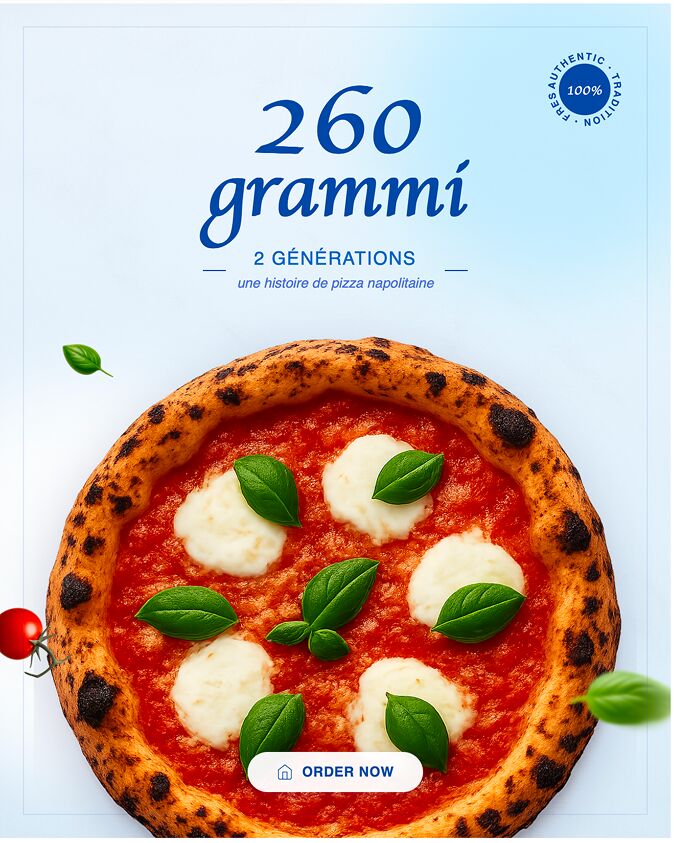

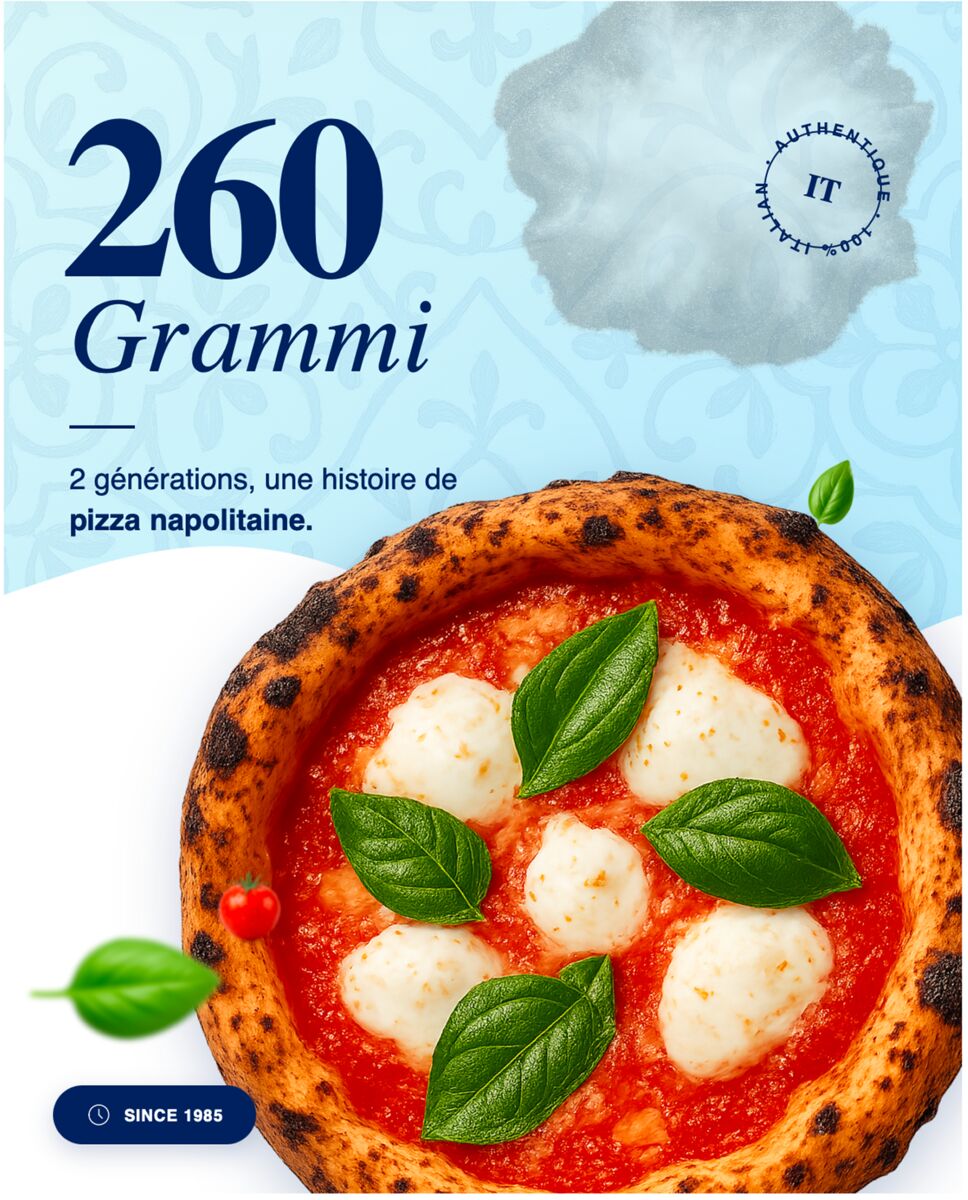


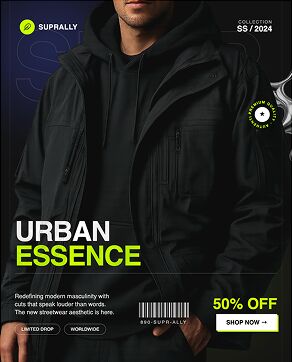







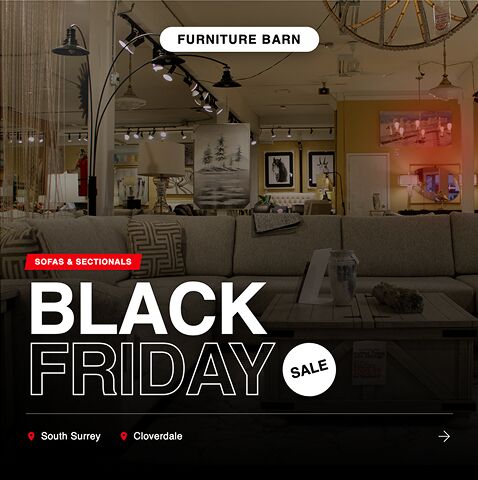

Ready to create your first design?
Join thousands creating professional designs in seconds.
Create with DesignLumo
Related Resources
Infographic Design Guide for Marketers
Step‑by‑step tactics to create high‑impact infographics fast.
Facebook Infographic Toolkit for Marketers
Actionable tools and workflows to create high‑performing Facebook infographics fast.
Product Graphics Infographic Design Guide
Step-by-step tactics for building product showcase infographics that boost clicks and conversions.
Ad Creatives Infographic Design Guide
Step‑by‑step tactics to build high‑converting ad infographics fast.
Essential Digital Tools for Infographic Mastery
The ultimate toolkit to create, edit, and amplify high‑impact infographics fast.
TikTok Infographic Tools for Maximum Impact
Essential AI and design tools to craft TikTok covers, overlays, and profile graphics fast.