How to Create a LinkedIn Carousel Post That Captures Attention
LinkedIn carousel posts are a powerful way to tell a visual story while keeping your audience engaged slide by slide. Whether you’re showcasing a case study, sharing industry insights, or promoting a product, a well‑crafted carousel can boost clicks…


1. Planning Your Carousel Content
How to Create a LinkedIn Carousel Post: Define Your Story Arc

Start by mapping a clear narrative across 5‑10 slides. Identify the hook, the problem, the solution, supporting data, and a strong call‑to‑action. Sketch a quick storyboard on paper or a digital whiteboard, noting the key visual or statistic for each frame. This structure ensures the viewer moves logically from one slide to the next, keeping attention high and reinforcing your core message.
How to Create a LinkedIn Carousel Post: Choose the Right Visual Style

Select a visual language that mirrors your brand identity—consistent colors, typography, and iconography help reinforce recognition. Use high‑contrast backgrounds for readability and incorporate subtle animations or motion graphics to add dynamism. When you align the style with your target audience’s expectations, the carousel feels cohesive and professional, increasing the likelihood of shares and saves.
How to Create a LinkedIn Carousel Post: Draft Engaging Copy for Each Slide
Write concise, punchy copy that complements the visuals. Aim for a headline of no more than 8 words per slide and a supporting sentence that adds context. Use active verbs, ask rhetorical questions, and embed a single call‑to‑action at the end. Keeping the text brief ensures it’s readable on mobile devices, where most LinkedIn traffic originates.
2. Designing the Carousel with AI Tools
How to Create a LinkedIn Carousel Post Using DesignLumo’s AI Generator

Enter a clear prompt into DesignLumo, specifying slide count, brand colors, and the main message. The AI produces layered PSD files that you can edit instantly, saving hours of manual layout work. Each layer—background, text, icons—is separate, so you can fine‑tune spacing or swap images without starting from scratch, delivering a polished carousel in minutes.
How to Create a LinkedIn Carousel Post: Customize Editable Layers
After the AI generates the design, open the file in Photoshop or Figma to adjust any element. Replace placeholder images with your own screenshots, tweak font sizes for better hierarchy, or alter color accents to match a new campaign. Because the layers remain independent, you maintain design consistency while personalizing content for different audiences.
How to Create a LinkedIn Carousel Post: Optimize File Size and Format
Export each slide as a high‑quality PNG or JPEG, keeping file sizes under 5 MB to ensure quick loading on LinkedIn’s platform. Use “Save for Web” settings to balance clarity and compression. If you need a printable version, export a PDF with bleed marks. Properly optimized files prevent pixelation and improve the viewer’s experience, especially on mobile.
3. Publishing and Amplifying Your Carousel
How to Create a LinkedIn Carousel Post: Upload and Schedule for Maximum Reach
Navigate to the LinkedIn post composer, select the ‘Document’ option, and upload your slides in the order they should appear. Add a compelling caption that includes relevant hashtags and a clear call‑to‑action. Use a scheduling tool like Buffer or Hootsuite to post during peak engagement windows—typically weekdays between 8 am‑10 am local time—for higher visibility.
How to Create a LinkedIn Carousel Post: Track Engagement and Iterate
Monitor slide‑by‑slide performance through LinkedIn’s analytics dashboard. Look for metrics such as scroll depth, likes, comments, and click‑through rates on the final slide. Identify which visuals or messages resonated most, then apply those insights to future carousels. Continuous iteration based on real data maximizes ROI and keeps your content fresh.
How to Create a LinkedIn Carousel Post: Repurpose Content Across Platforms

Convert each carousel slide into an Instagram carousel, a SlideShare deck, or a series of email newsletter images. Adjust dimensions as needed and add platform‑specific captions. Repurposing amplifies the value of a single design effort, extending reach without additional creative costs and reinforcing your message across multiple channels.
Before you go
- Write the headline for the first slide as a question—it sparks curiosity and encourages users to swipe.
- Add a subtle visual cue, like an arrow or numbered badge, to signal that more slides follow.
- Test two different cover images via A/B testing to see which drives higher click‑through rates.
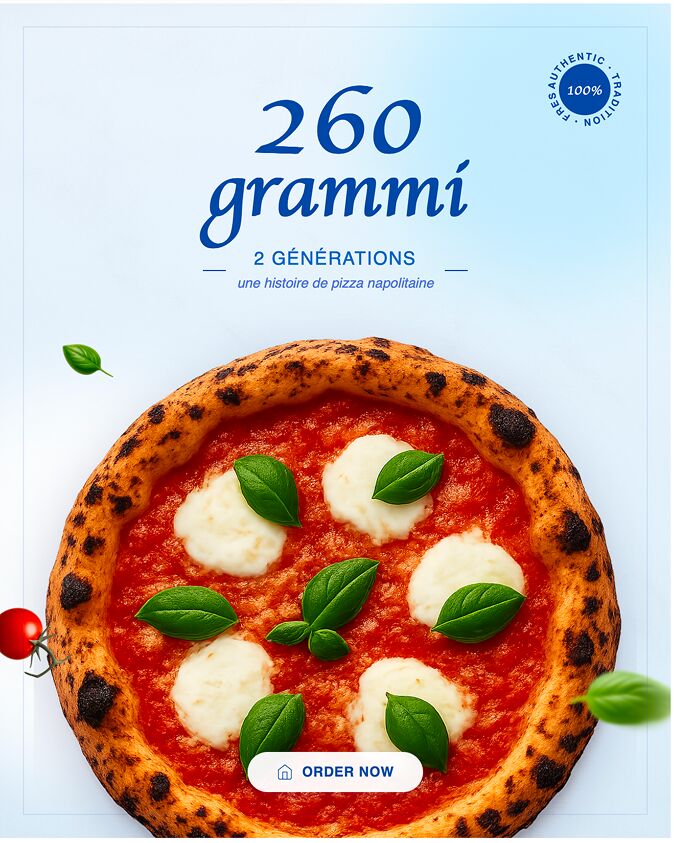

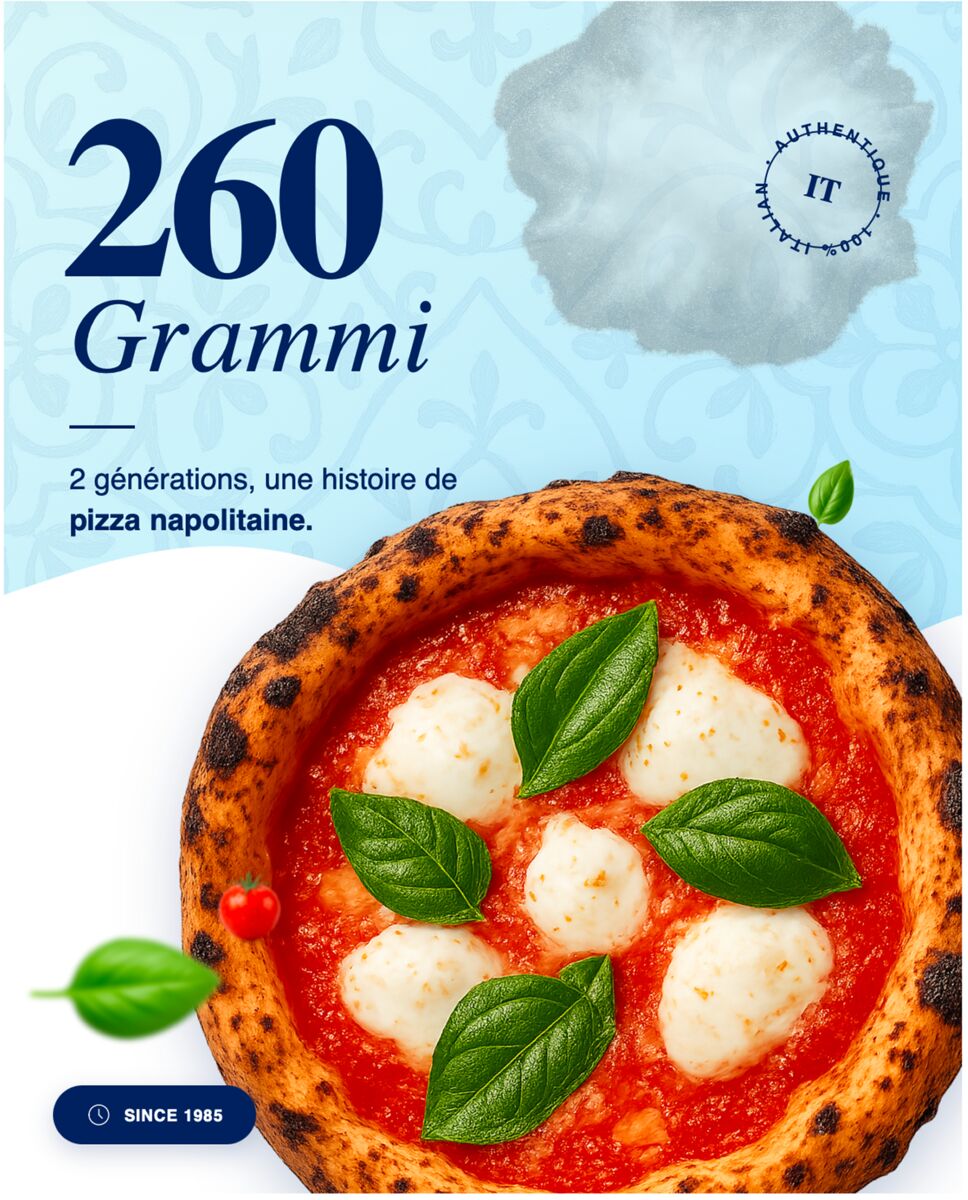
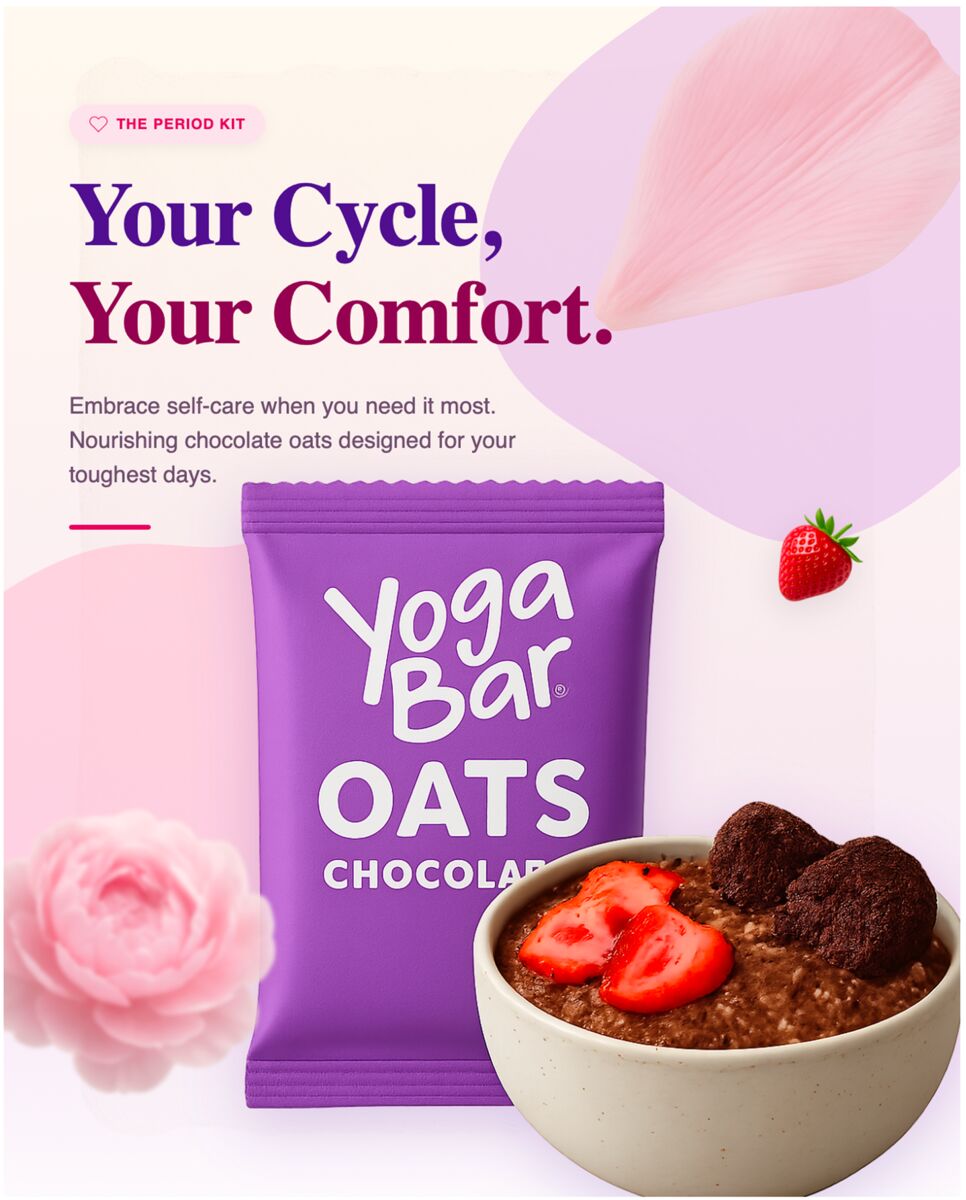











Ready to create your first design?
Join thousands creating professional designs in seconds.
Create with DesignLumo
Related Resources
The Ultimate LinkedIn Post Size Guide for 2024: Boost Your Reach
Learn the exact pixel dimensions for every LinkedIn post type, from single images to carousel ads, and how to design them fast with DesignLumo.
LinkedIn Carousel Examples That Boost Engagement and Conversions
Explore proven LinkedIn carousel examples, from storytelling to data‑driven layouts, and learn how to create high‑impact slides that drive clicks and brand awareness.
Can You Add a Photo to an Instagram Carousel After Posting? (2026 Reality)
Instagram's March 2026 update lets you reorder and delete carousel slides — but you still cannot add new photos after posting. Here's what you can do instead.
How to Make an Instagram Carousel: A Complete Step‑by‑Step Guide
Learn how to make an Instagram carousel that captures attention, drives engagement, and boosts brand visibility with practical planning, design, and publishing tips.