Podcast Email Marketing Tools Stack
Podcast marketers need fast, brand‑consistent visuals to turn subscribers into listeners and buyers. This guide maps the exact tools and workflows that deliver eye‑catching email hero images, headers, and banners without endless back‑and‑forth with d…

1. AI‑Powered Graphic Generation for Email Assets
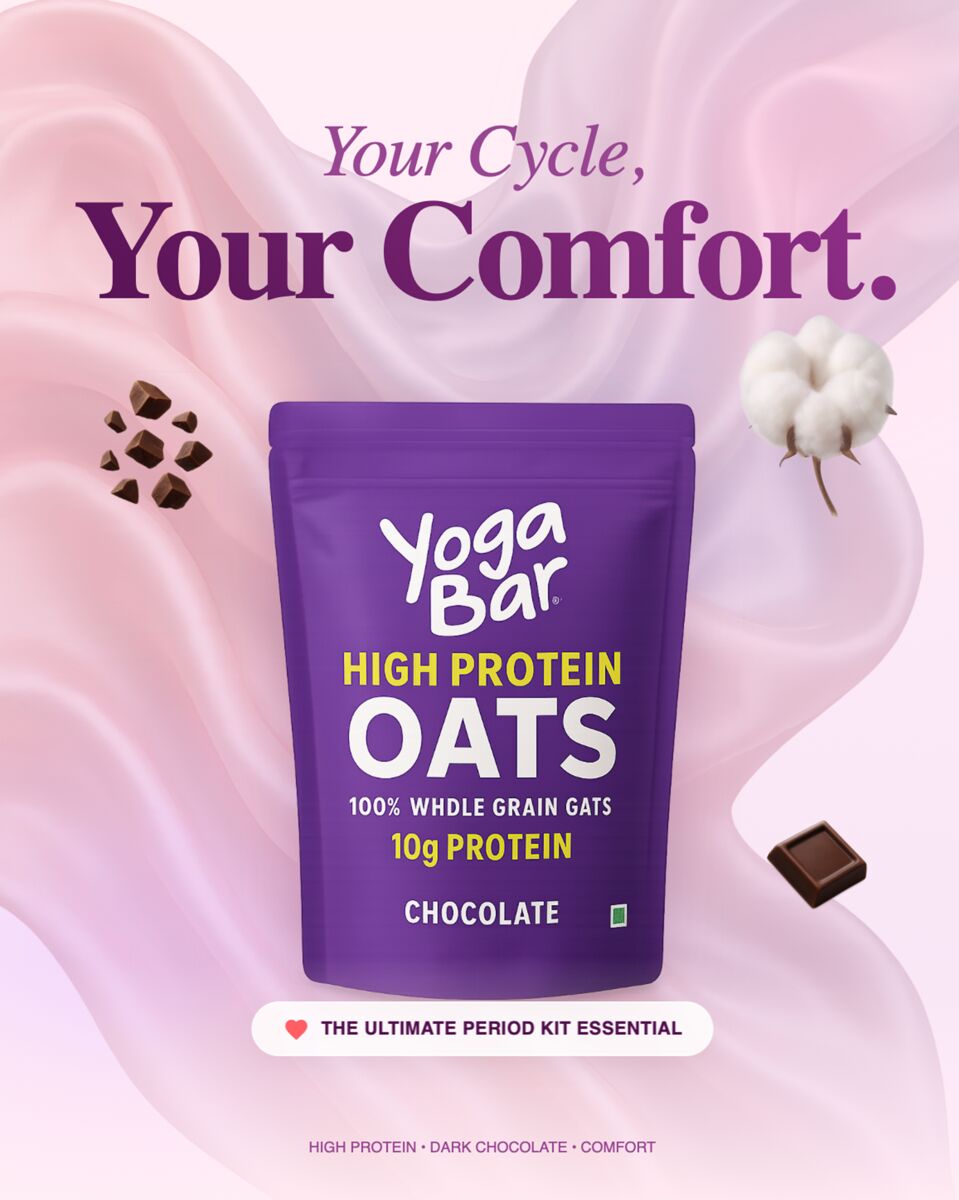
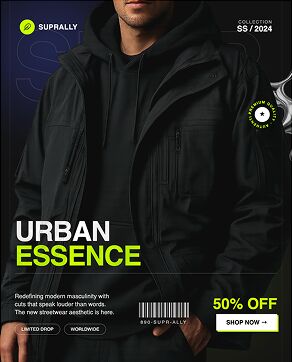
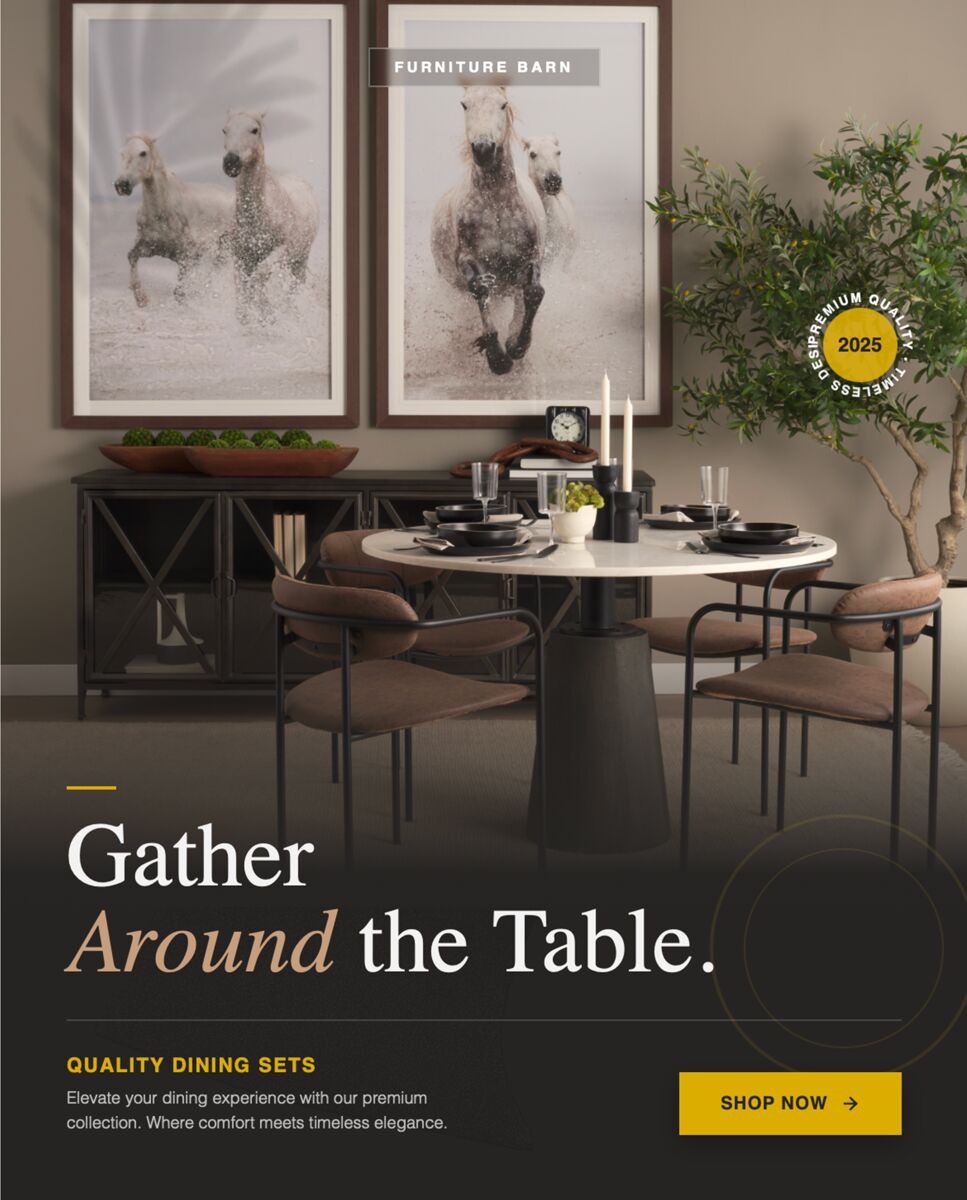
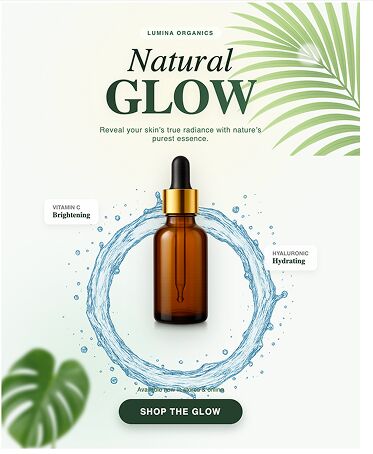
DesignLumo for Dynamic Email Hero Images
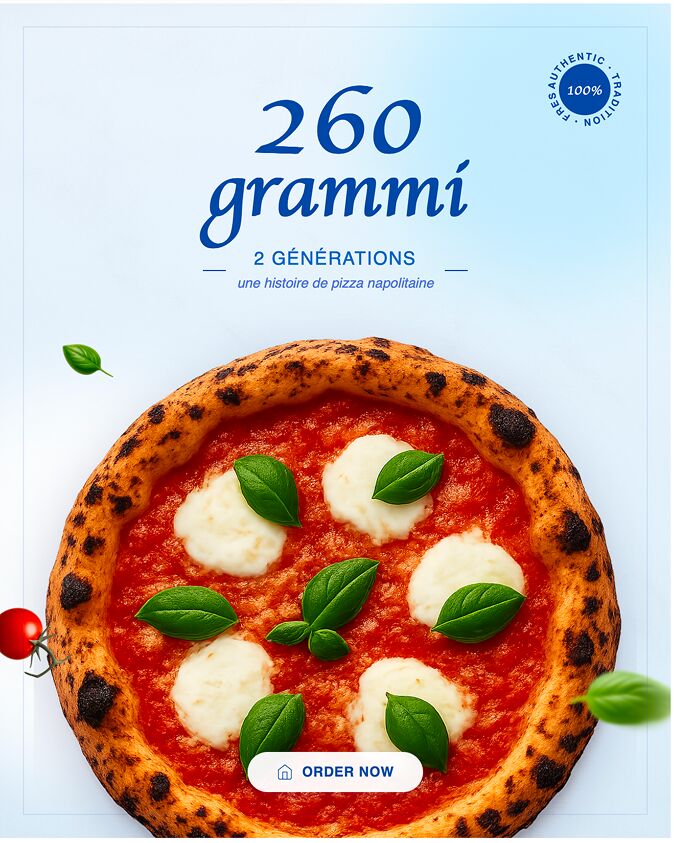
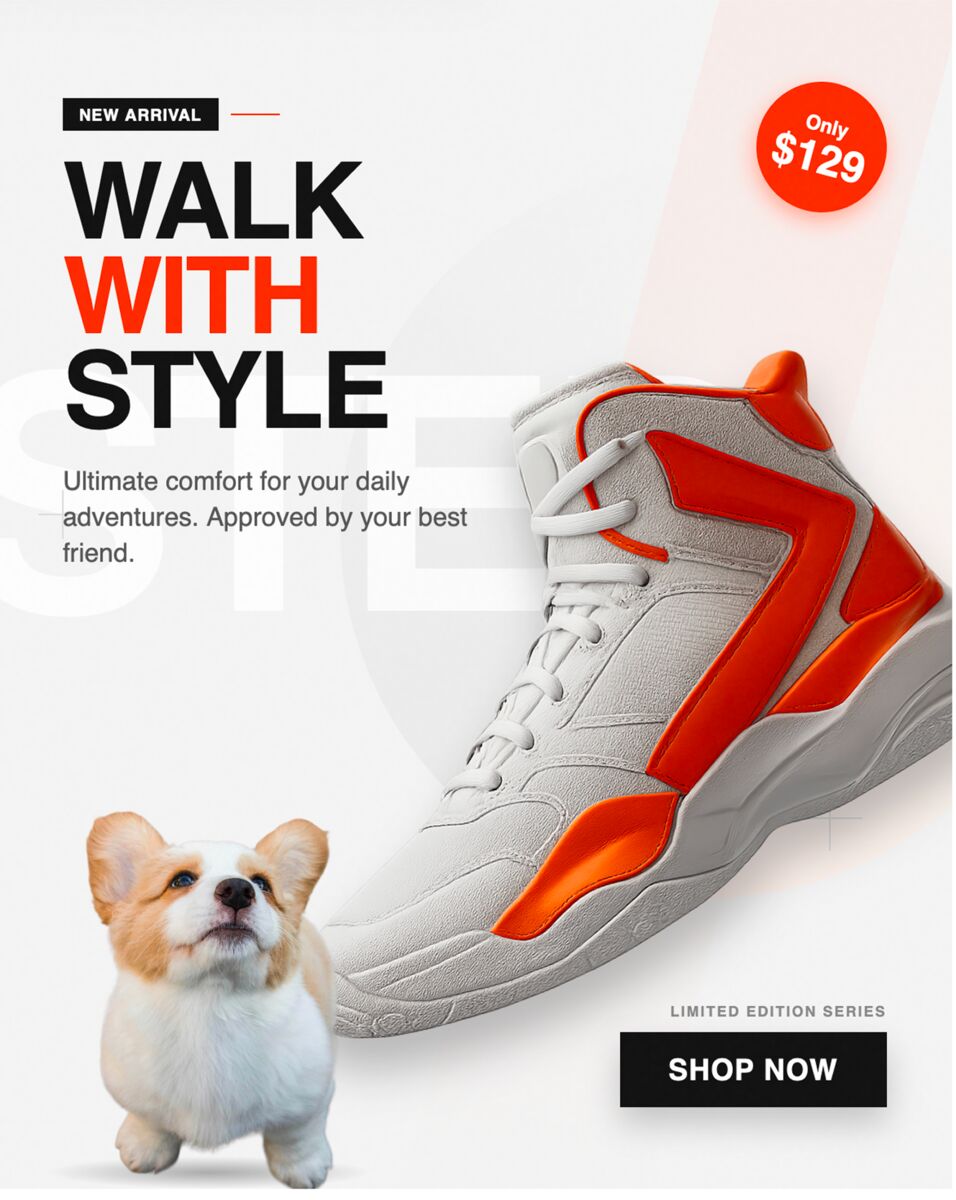
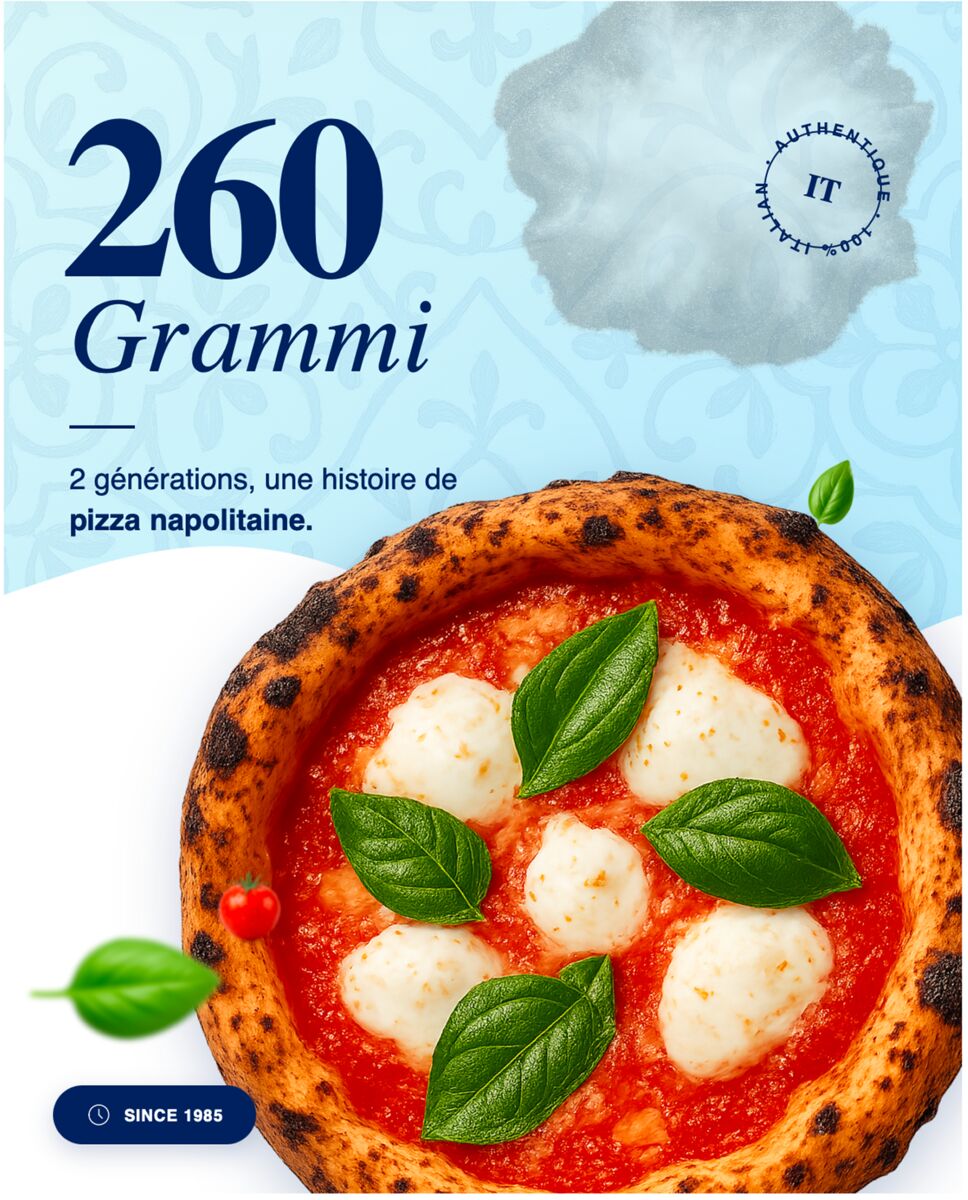
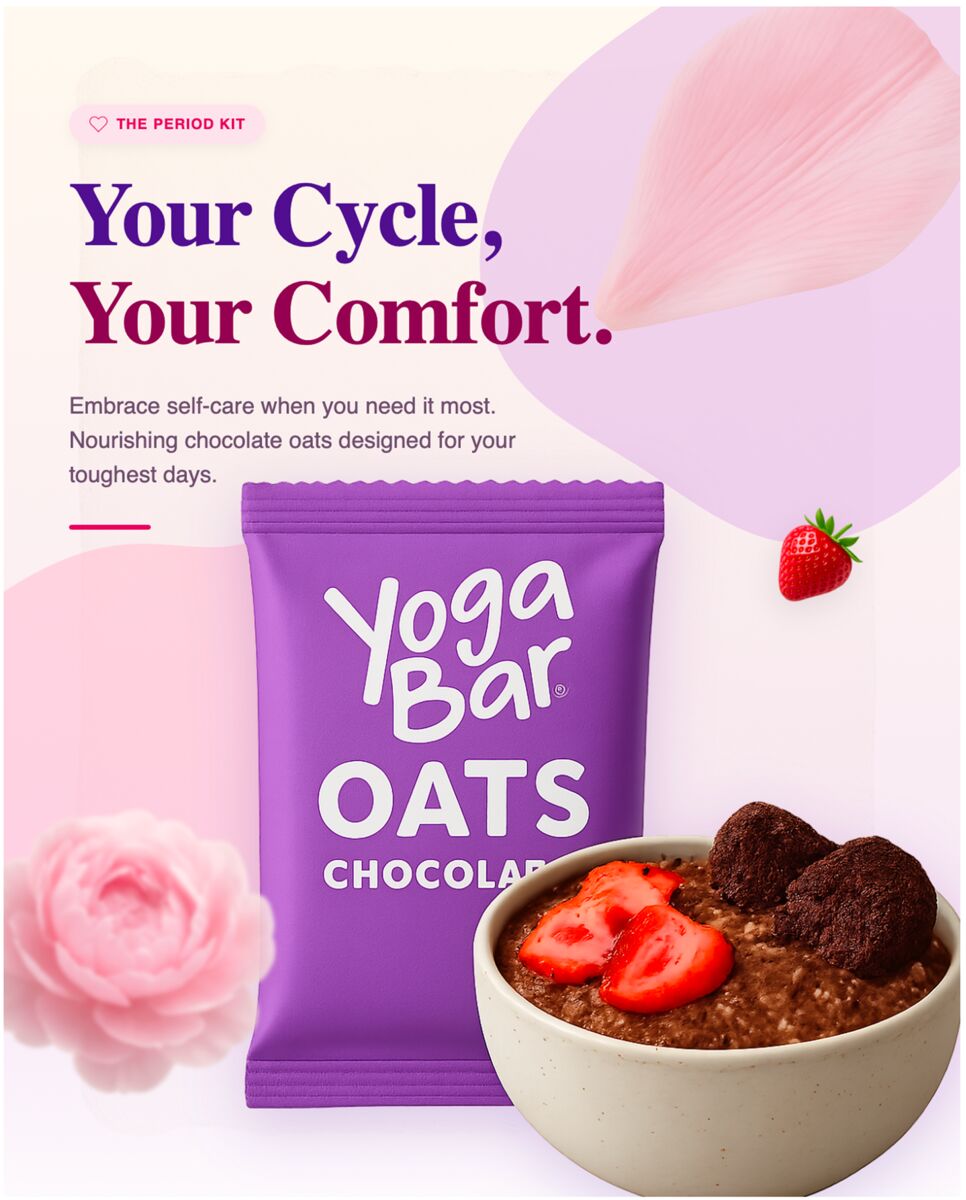
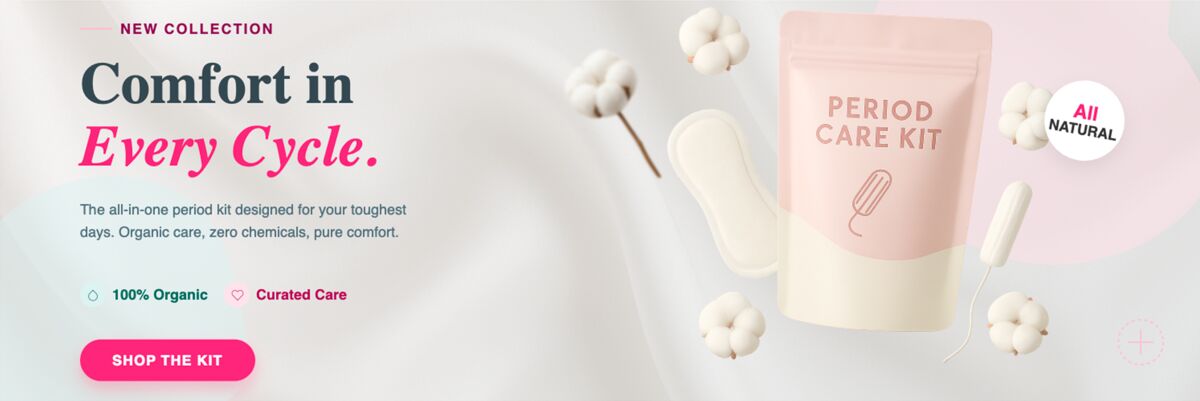
Prompt DesignLumo with your episode title, brand colors, and desired mood (e.g., "vibrant sci‑fi podcast hero, teal & magenta palette"). The AI returns a fully layered PSD‑like file: background, headline text, and call‑to‑action button. Edit any layer instantly, replace the guest photo, then export a 600 px‑wide WebP for optimal load speed. Upload to Mailchimp, and track open‑rate lift—studies show a 15% increase when a custom hero replaces a stock image. Workflow: 1️⃣ Write prompt → 2️⃣ Generate → 3️⃣ Fine‑tune layers → 4️⃣ Export → 5️⃣ Insert.
Midjourney + Photoshop for Custom Episode Artwork
Use Midjourney to create a stylized backdrop that reflects the episode theme (e.g., "noir cityscape with neon microphone"). Generate four variations, pick the best, then open in Photoshop. Slice the image into safe‑zone sections, add episode number, guest name, and a CTA banner using your brand fonts. Export as a 1200 px‑wide JPEG for email banners and as PNG layers for future edits. Teams report a 20% click‑through boost after swapping generic graphics for AI‑crafted artwork. Steps: 1️⃣ Midjourney prompt → 2️⃣ Select → 3️⃣ Photoshop layering → 4️⃣ Export → 5️⃣ Deploy.
Canva Brand Kit for Consistent Newsletter Headers
Upload your podcast logo, primary fonts, and HEX color codes to Canva’s Brand Kit. Create a one‑page header template with a placeholder for episode title and guest photo. Duplicate the template for each release, swap in the new text, and export a 800 px‑wide PNG. Because Canva locks brand assets, you avoid accidental font changes that hurt recognition. Use the built‑in analytics to see a 7% lift in scroll depth when the header matches the hero image. Workflow: 1️⃣ Set up Brand Kit → 2️⃣ Design header template → 3️⃣ Duplicate & edit → 4️⃣ Export → 5️⃣ Insert.
2. Automated Design Integration with Email Platforms
Mailchimp Content Studio + DesignLumo API
Connect DesignLumo’s REST API to Mailchimp via Zapier. When a new episode is added to your RSS feed, trigger a Zap that sends the episode title and sponsor tagline to DesignLumo, which returns a layered banner image. Zapier automatically saves the asset to Mailchimp’s Content Studio and inserts it into your scheduled campaign draft. Teams see a 12% reduction in manual design hours and a 9% rise in campaign CTR because each email gets a fresh, on‑brand visual. Steps: 1️⃣ Set up Zap → 2️⃣ Map RSS fields → 3️⃣ Call DesignLumo API → 4️⃣ Store in Content Studio → 5️⃣ Auto‑populate email.
ConvertKit Custom HTML Blocks + DesignLumo Export
Export a DesignLumo graphic as both PNG and CSS (background‑gradient, font‑stack). In ConvertKit, open the Email Builder, add a “Custom HTML” block, paste the CSS snippet, and reference the PNG with a responsive <img> tag. Because the CSS is editable, you can swap colors on the fly for different sponsors without re‑rendering the image. Monitor the ConvertKit analytics: campaigns using this hybrid approach have a 5‑8% higher click‑through rate versus static images alone. Workflow: 1️⃣ Generate in DesignLumo → 2️⃣ Export PNG + CSS → 3️⃣ Insert into HTML block → 4️⃣ Publish → 5️⃣ Track performance.
HubSpot Design Manager + DesignLumo Drag‑Drop
Within HubSpot’s Design Manager, create a new email template module. Drag the DesignLumo‑generated layered file directly into the module canvas; HubSpot automatically converts it into editable zones (headline, sub‑headline, CTA). Enable smart content rules so the same template shows different sponsor logos per contact list. After launch, HubSpot’s email performance dashboard shows a 10% lift in conversion when smart‑content graphics replace one‑size‑fits‑all banners. Steps: 1️⃣ Build template in Design Manager → 2️⃣ Drag DesignLumo asset → 3️⃣ Define editable zones → 4️⃣ Set smart rules → 5️⃣ Publish and analyze.
3. Performance‑Driven Design Testing & Optimization
Litmus A/B Testing of Hero Image Variants
Create two hero images in DesignLumo—one with a bold color overlay, another with a subtle gradient. Upload both to Litmus, set up an A/B test where 50% of your list receives version A and the rest version B. Track open rate, click‑through, and revenue per email. In a recent podcast case study, the gradient version improved click‑through by 14% while maintaining the same open rate. Iterate by feeding Litmus results back into DesignLumo prompts for the next episode. Steps: 1️⃣ Generate two variants → 2️⃣ Configure Litmus test → 3️⃣ Send → 4️⃣ Analyze → 5️⃣ Refine prompt.
Google Optimize Heatmaps for Email Banner Clicks
After sending an email with a promotional banner, embed a unique URL parameter (e.g., ?utm_source=email_banner). In Google Optimize, create a heatmap experiment on the landing page that tracks mouse movement and clicks tied to that parameter. Identify dead zones—if the banner’s right‑hand CTA receives 0% clicks, redesign the layout in DesignLumo to move the button leftward. Teams that applied this data saw a 9% increase in conversion from banner clicks within two weeks. Workflow: 1️⃣ Tag banner URL → 2️⃣ Set up Optimize heatmap → 3️⃣ Collect data → 4️⃣ Redesign in DesignLumo → 5️⃣ Redeploy.
Data‑Driven Resize Rules with DesignLumo Templates
Use DesignLumo’s responsive template mode to set breakpoints at 480 px, 768 px, and 1024 px. Upload the same layered design; Lumo automatically scales text size, button padding, and image cropping for each viewport. Export each version as a separate asset and map them in Mailchimp’s mobile‑first email builder. Track device‑specific CTR in your ESP; podcasts that implemented these rules observed a 6% lift in mobile clicks versus a single‑size image. Steps: 1️⃣ Enable responsive mode → 2️⃣ Define breakpoints → 3️⃣ Generate assets → 4️⃣ Assign in ESP → 5️⃣ Monitor device metrics.
Before you go
- Batch‑generate a month’s worth of hero images with a single DesignLumo prompt list to lock in brand consistency and save 10+ hours.
- Leverage Zapier’s “Delay” step to stagger A/B test rollouts, ensuring statistical significance before the next episode’s email.
- Always export email graphics as WebP for browsers that support it; it reduces file size by up to 30% and improves load‑time metrics.



Ready to create your first design?
Join thousands creating professional designs in seconds.
Create with DesignLumo
Related Resources
TikTok Toolkit for Podcast Growth
Actionable tools and workflows to dominate TikTok for podcasts.
Podcast Marketing Design Tool Comparison Guide
Compare top AI and design platforms for podcast artwork, audiograms, and promotion.
Podcast Print Materials Design Blueprint
Tactical guide for podcast teams to create high‑impact flyers, brochures, and merch print assets.
Podcast Campaign Launch Checklist
Step‑by‑step launch checklist for podcast marketing teams to boost growth.
Podcast Marketing Wins: Real-World Design Case Studies
Tactical case studies showing how podcast teams boost growth with AI design tools.
2026 Podcast Design & Marketing Trends for Growth Teams
Actionable design and marketing tactics for podcast teams to boost listeners in 2026.