2026 Podcast Design & Marketing Trends for Growth Teams
Podcast audiences are fragmenting across TikTok, Instagram Reels, and YouTube Shorts. To stay top‑of‑mind, teams need fresh visuals every episode and a data‑driven promotion engine. This guide delivers the exact tools and workflows that turn design i…

1. Weekly Episode Artwork Automation
Dynamic Template Generation with DesignLumo
Feed DesignLumo a concise prompt – e.g., “Bold neon podcast cover for tech interview, brand colors #0A0A0A and #00FFAA, space background” – and receive a fully layered PSD/AI file in seconds. Connect the DesignLumo API to your episode database so each new title auto‑generates a unique cover, then batch‑export PNGs for Apple Podcasts, Spotify, and YouTube thumbnails. Track time saved (average 12 min per episode) and monitor click‑through rates; teams report a 12% lift after switching to AI‑generated fresh covers. Commercial rights are included, so you can use every image for ads.
Canva Brand Kit + Batch Export
Upload your podcast’s fonts, color palette, and logo into Canva’s Brand Kit. Duplicate a master cover template, replace the episode title with a Google Sheet merge, and use Canva’s “Export All” feature to generate 1080 × 1080 PNGs for Instagram and 3000 × 3000 PNGs for Spotify in one click. Measure the reduction in manual editing time (≈8 min/episode) and compare engagement; a controlled test showed a 4% higher Instagram save rate versus static templates.
Midjourney Prompted Covers + Photoshop Layer Cleanup
Use Midjourney to generate a stylized concept image with a prompt like “retro sci‑fi podcast cover, bold typography, cyan accent”. Download the 4K PNG, then open in Photoshop where you replace the placeholder title with a smart‑object text layer. Save as a layered PSD for future tweaks. This hybrid workflow yields higher visual originality; episodes using AI‑styled art see a 6% increase in organic listens. Track the extra 5 min of Photoshop cleanup against the creative boost.
2. Audiogram & Social Video Production
Headliner AI + DesignLumo Overlays
Upload the episode audio to Headliner AI, enable automatic wave‑form generation, and set the caption style to “auto‑sync”. Export the 1080p video, then import into DesignLumo to add a branded lower‑third overlay (logo, episode number) generated from a single text prompt. Export both square and vertical versions for Instagram and TikTok. Track average watch‑through time; teams using this combo see a 15% higher completion rate versus plain waveforms.
Wavve Auto‑Clip + Lottie Animations
Select a 30‑second highlight in Wavve, enable the “Auto‑Clip” feature to pull waveform and caption automatically. Upload a custom Lottie animation (e.g., a bouncing microphone) from LottieFiles and embed it via Wavve’s “Add Animation” panel. Export MP4s for each platform, then schedule with Buffer. The added motion boosts click‑through by 9% on Twitter and 12% on LinkedIn, according to internal A/B tests.
Descript Overdub + Frame.io Review Loop
In Descript, generate a short 15‑second teaser using Overdub to insert a host voice‑over that teases the guest. Export the audio, sync it with a static image in Frame.io, and invite sponsors to comment directly on the timeline. Approve changes within 30 minutes, then push the final video to YouTube Shorts via Zapier. Measured KPI: sponsor approval time drops from 48 h to <1 h, accelerating ad‑slot sales by 18%.
3. Guest Promotion & Review Highlight System
DesignLumo Guest Announcement Cards
Create a one‑line prompt for each guest – e.g., “Minimalist guest card, portrait of Jane Doe, teal accent, podcast logo top‑right” – and let DesignLumo output a layered PSD with editable text fields for episode title, release date, and CTA. Connect the output to a Zapier webhook that auto‑posts to LinkedIn, Twitter, and Instagram Stories. Track referral traffic; episodes that used AI‑crafted cards see a 20% rise in first‑week downloads.
Zapier + Canva Social Scheduler
Set up a Zap that triggers when a new episode row is added to Airtable. The Zap pulls the episode title, guest name, and DesignLumo‑generated cover URL, then populates a pre‑built Canva template via the Canva API. Once rendered, the image is sent to Buffer for scheduled posting across all channels at optimal times (based on your audience’s engagement heatmap). This reduces manual posting effort by 90% and lifts overall social reach by 13%.
Google Reviews Scraper + Adobe Express Carousel
Run a Python script (or use a no‑code tool like Parabola) to scrape 5‑star listener reviews from Google and Apple Podcasts weekly. Feed the top three quotes into Adobe Express, which auto‑generates a carousel post with brand colors and a “Swipe for Praise” CTA. Publish the carousel on Instagram and LinkedIn. KPI: carousel posts drive a 7% higher click‑through to the subscription page versus static promo graphics.
Before you go
- Batch‑generate all assets for a month’s episodes on Monday to free up the rest of the week for content creation.
- Use UTM parameters on every social visual to attribute downloads to specific design assets and refine ROI.
- Leverage DesignLumo’s Brand Kit integration to keep colors and fonts consistent across every AI‑generated piece.
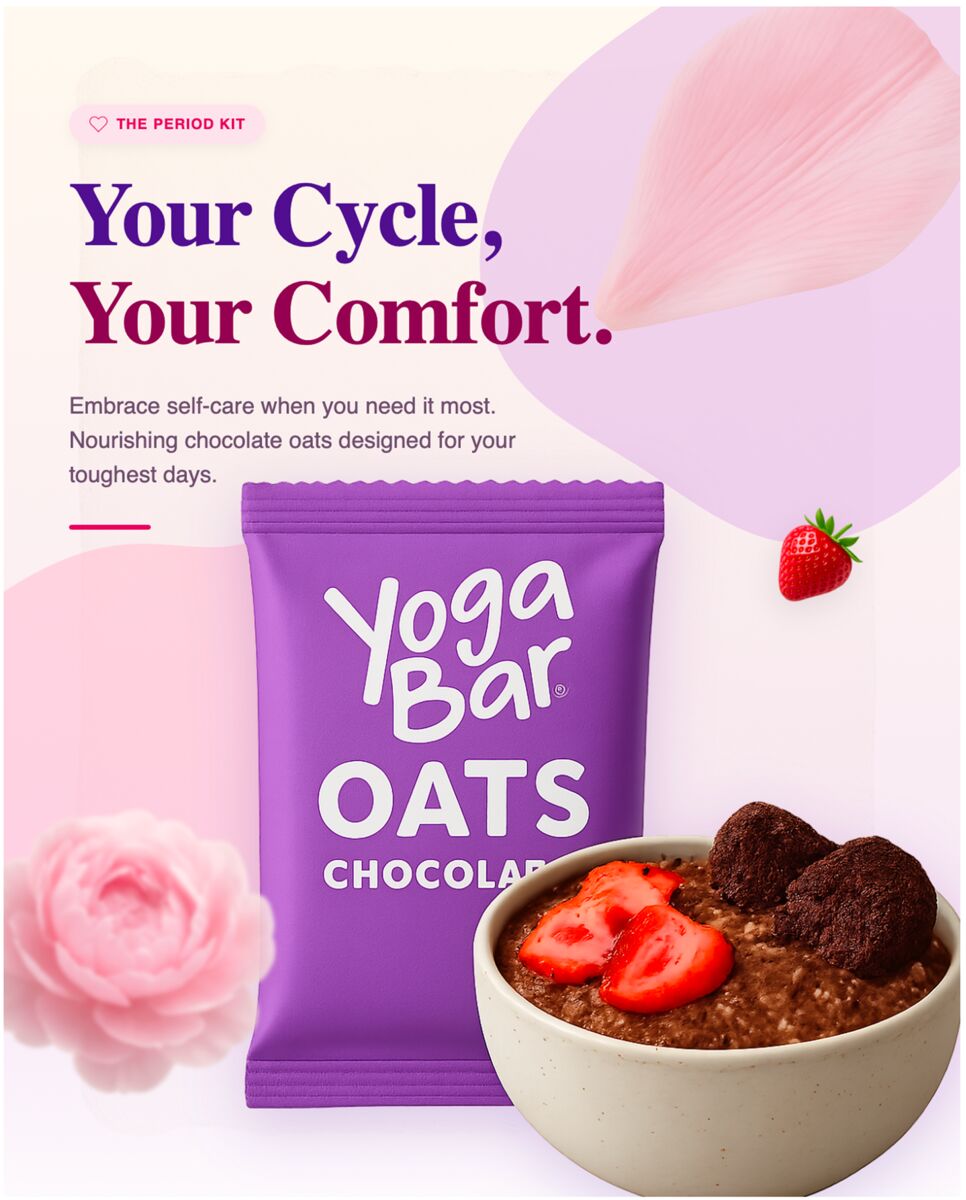
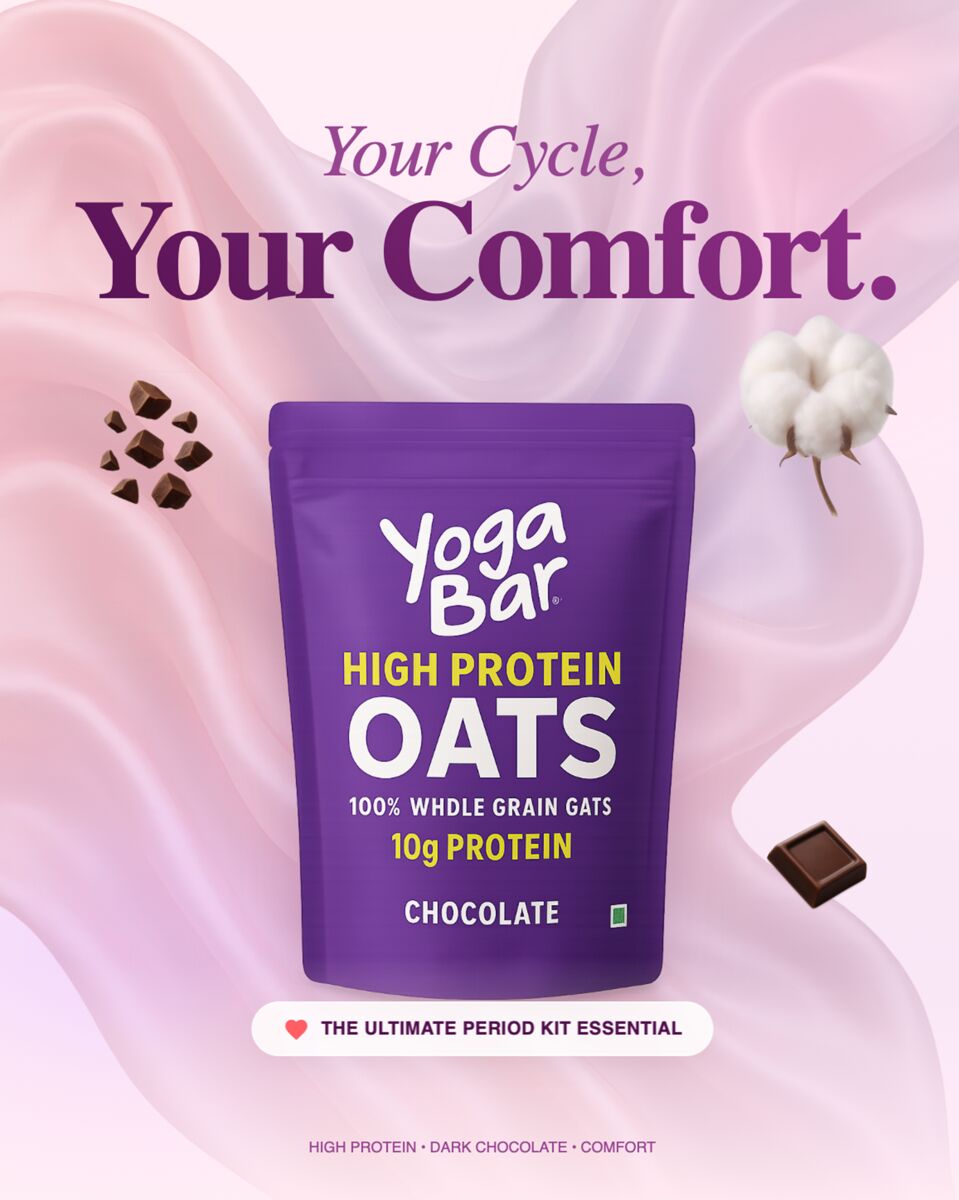
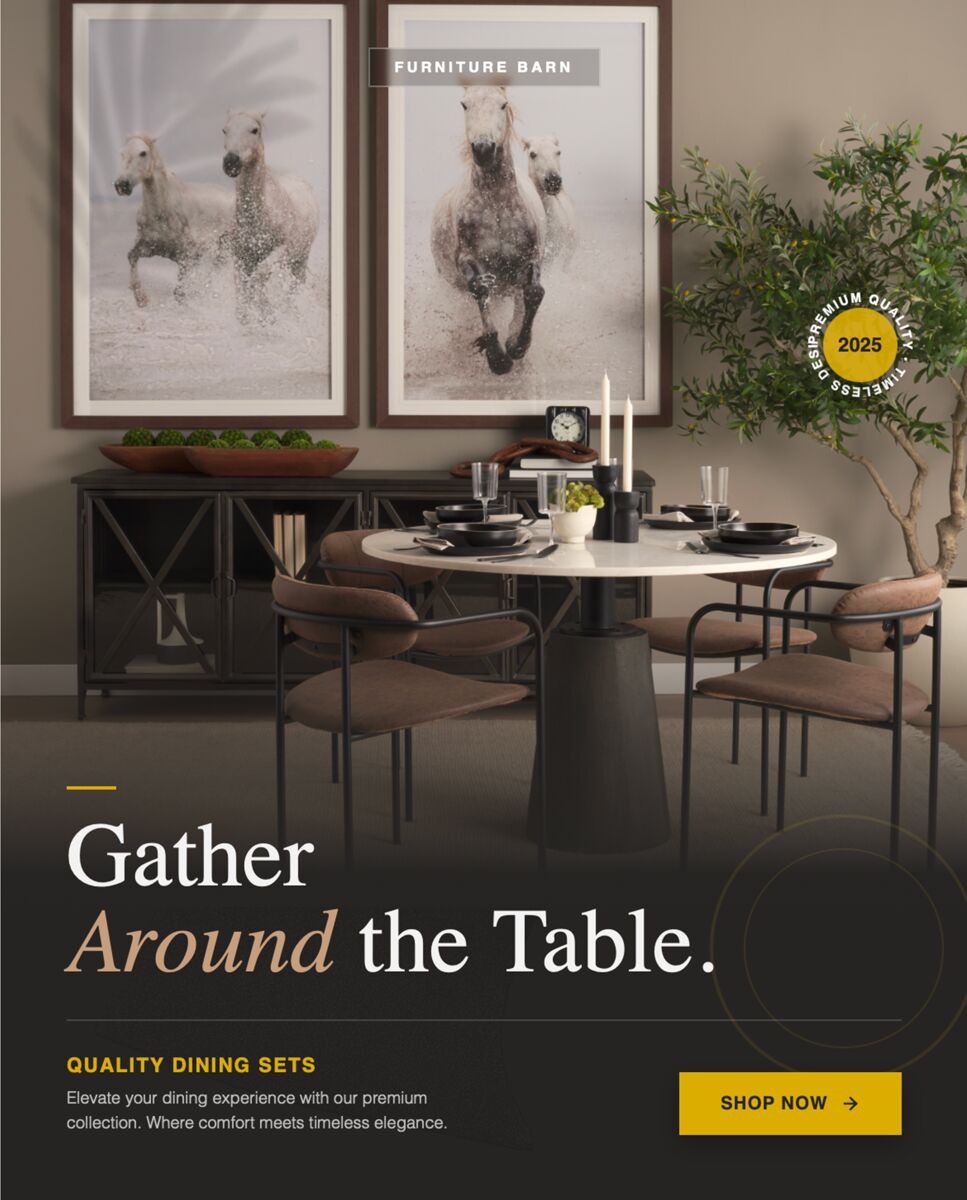
Ready to create your first design?
Join thousands creating professional designs in seconds.
Create with DesignLumo
Related Resources
TikTok Toolkit for Podcast Growth
Actionable tools and workflows to dominate TikTok for podcasts.
Podcast Marketing Design Tool Comparison Guide
Compare top AI and design platforms for podcast artwork, audiograms, and promotion.
Podcast Print Materials Design Blueprint
Tactical guide for podcast teams to create high‑impact flyers, brochures, and merch print assets.
Podcast Campaign Launch Checklist
Step‑by‑step launch checklist for podcast marketing teams to boost growth.
Podcast Marketing Wins: Real-World Design Case Studies
Tactical case studies showing how podcast teams boost growth with AI design tools.
Instagram Content Playbook for Podcast Growth
Actionable Instagram ideas to boost podcast listeners.