Email Design Toolbox for Online Course Creators
Course creators need eye‑catching email visuals that convert prospects into students. From launch banners to drip‑campaign graphics, the right tools can cut production time dramatically. This guide lists the precise apps and workflows that deliver pr…


1. AI‑Powered Image Generators
DesignLumo – AI Text‑to‑Design Generator
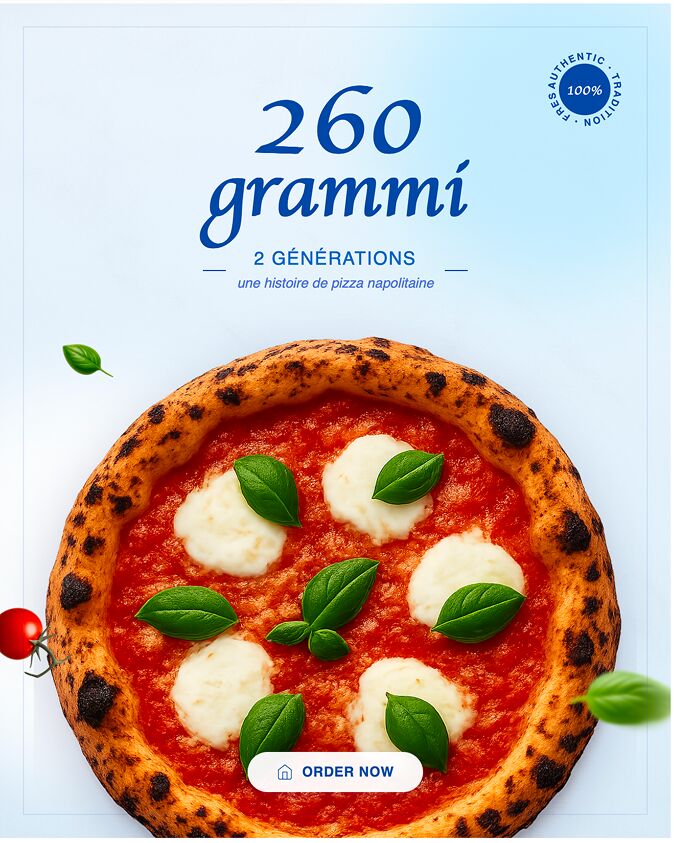
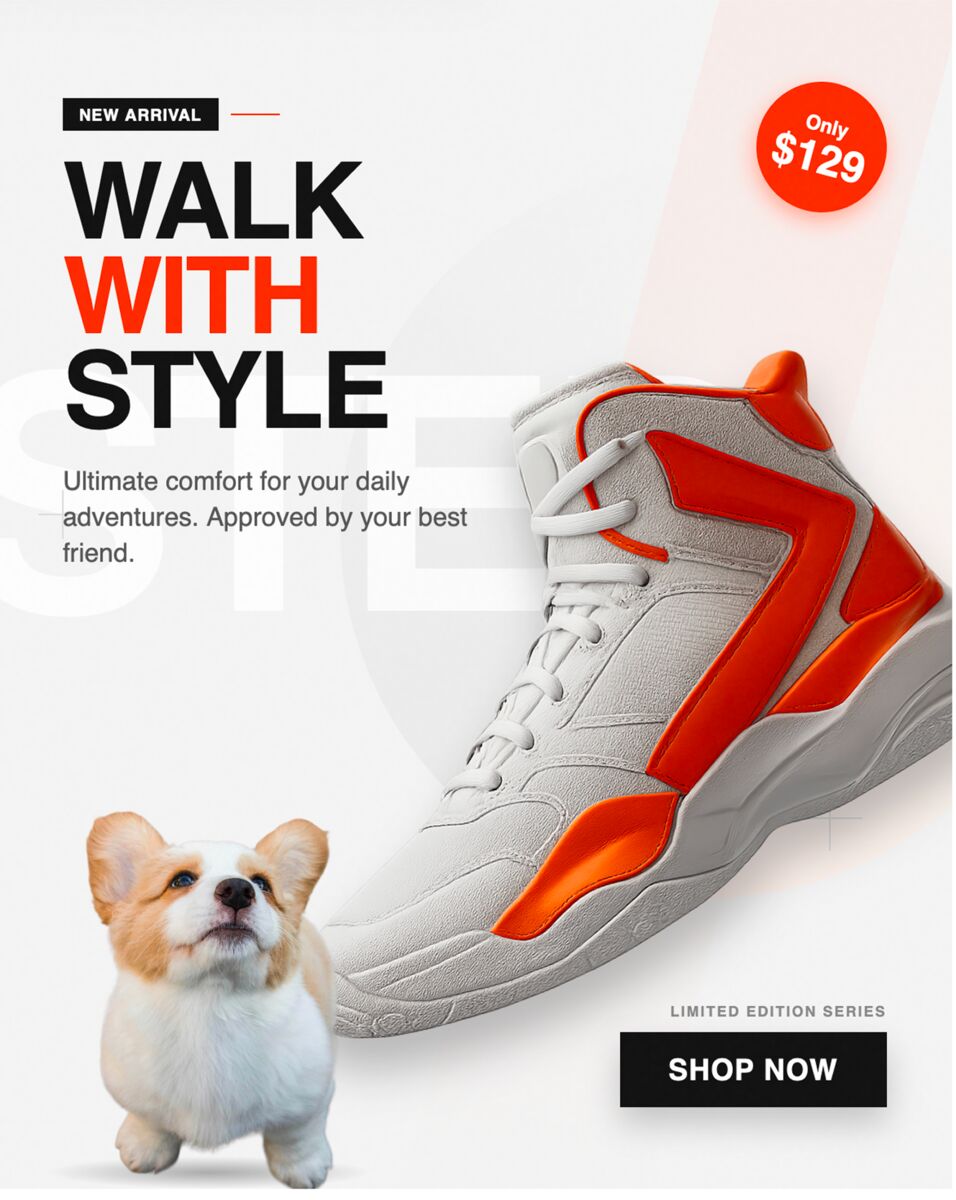
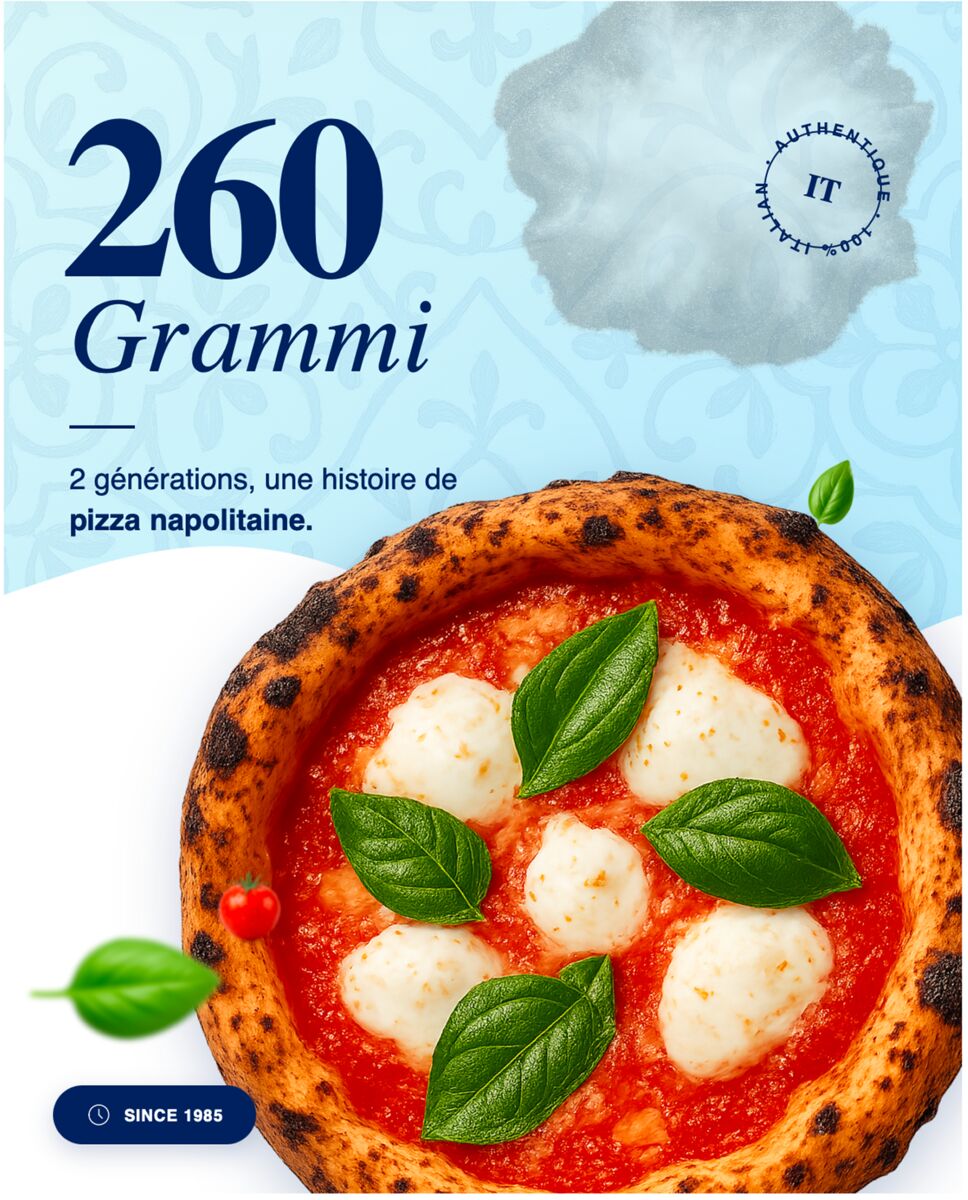
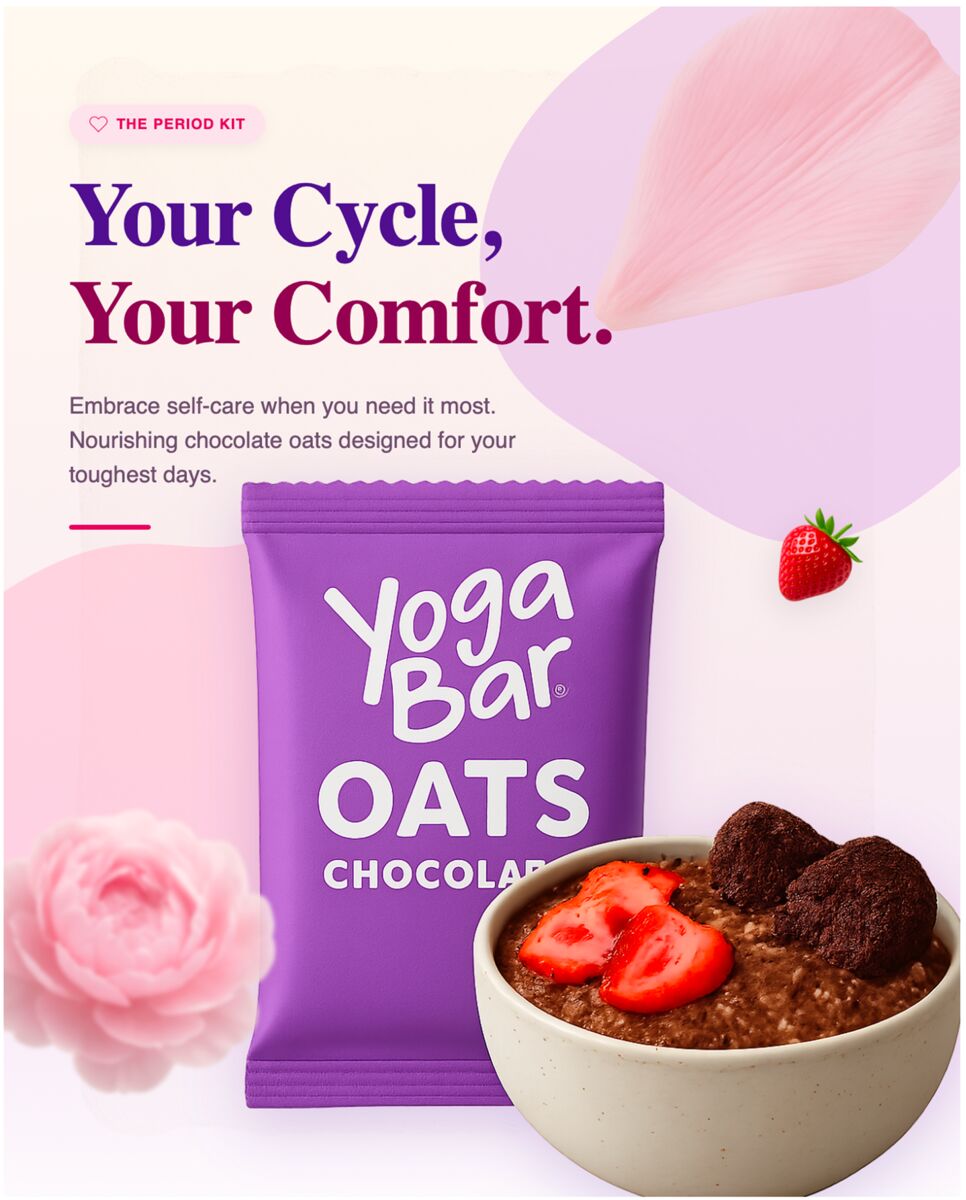
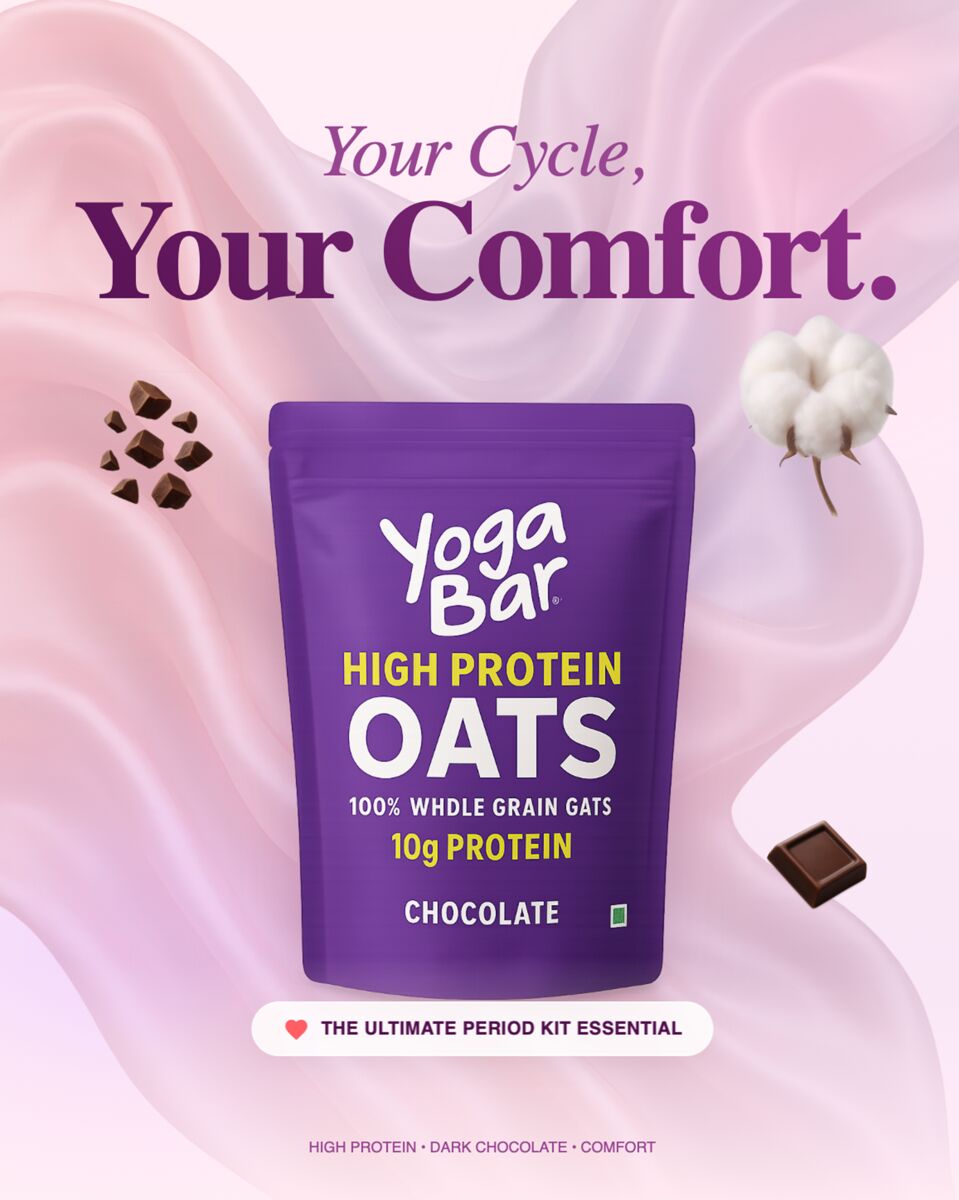
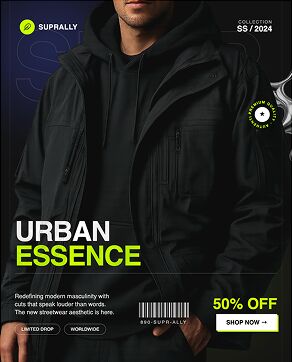
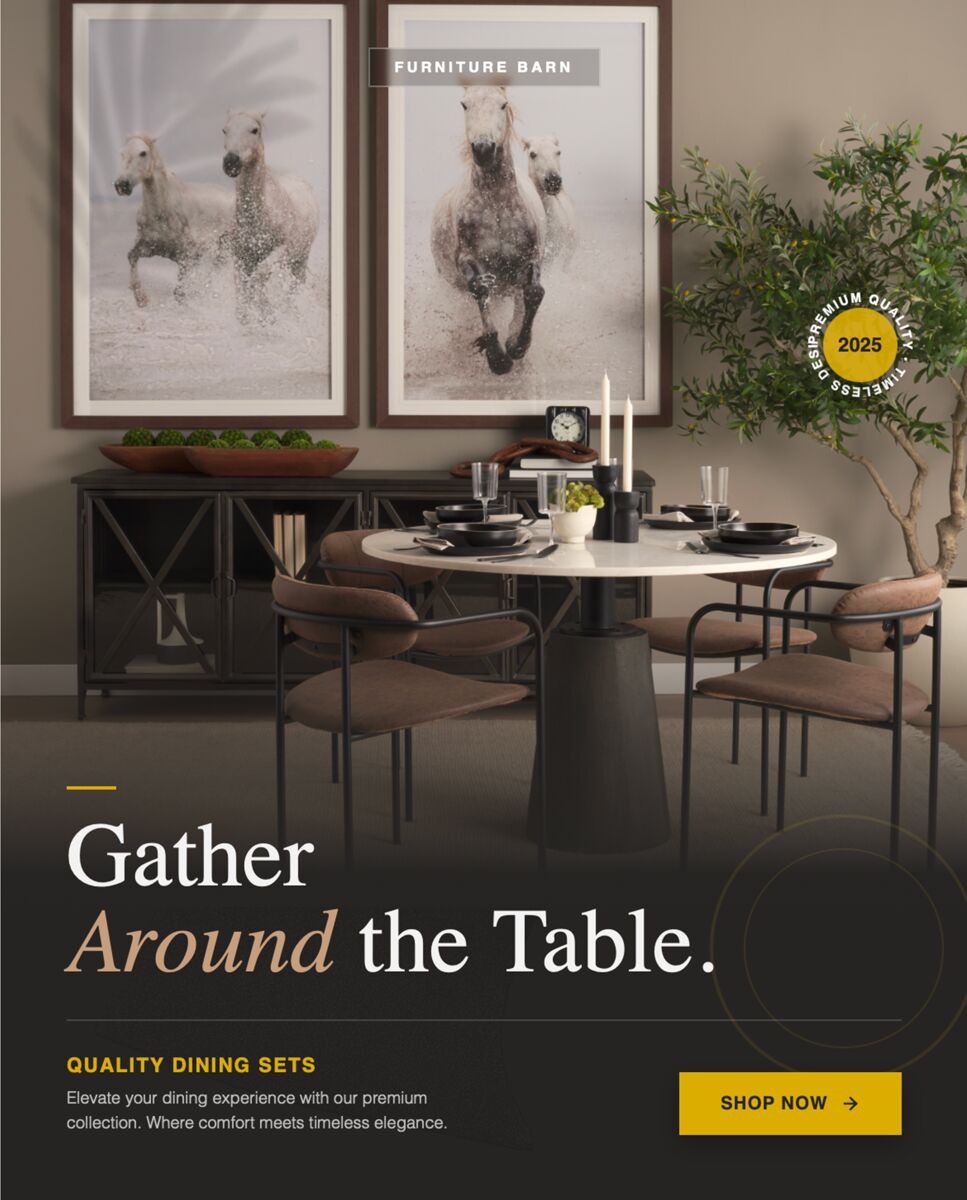
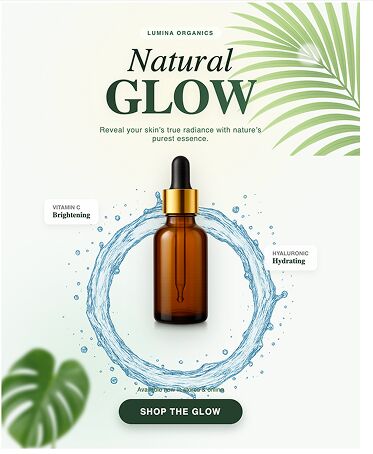
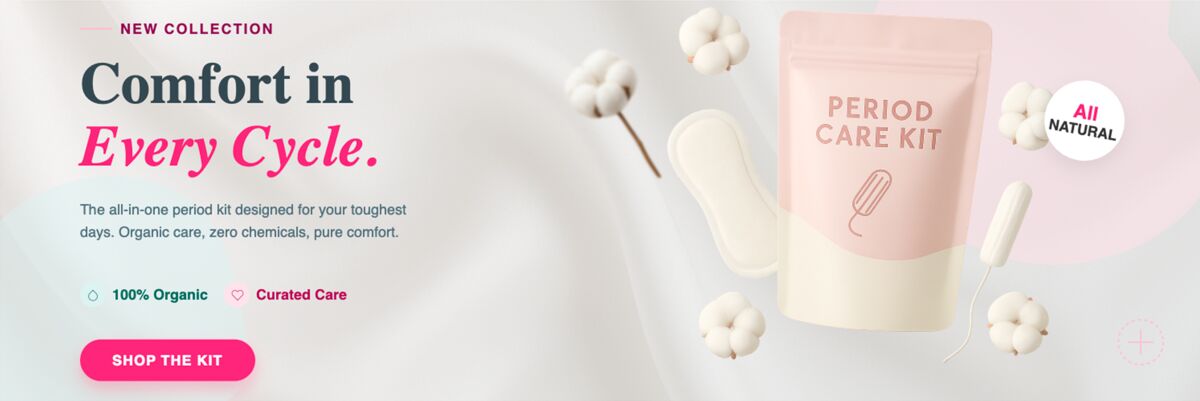
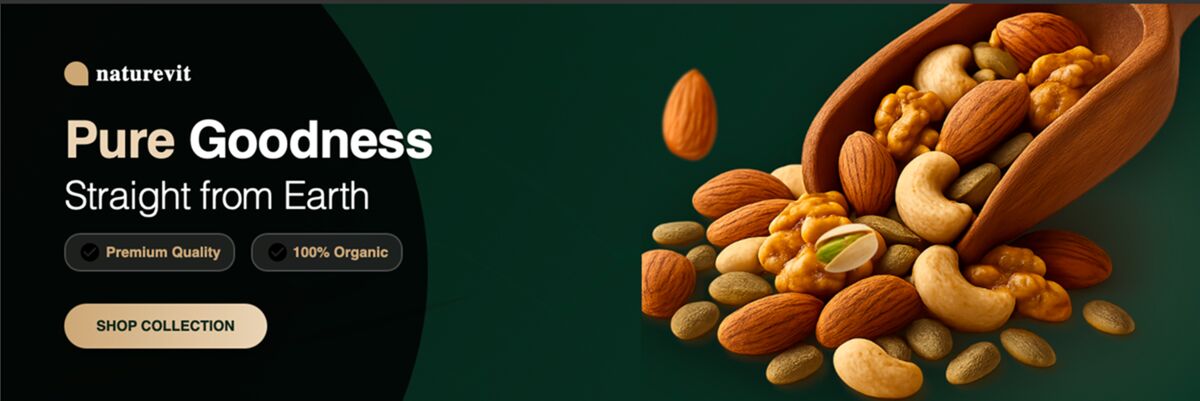
Describe your email hero in plain English (e.g., “bold teal background with a smiling instructor holding a laptop, 3‑column layout”) and DesignLumo returns a fully layered PSD in seconds. Export the file, replace copy, adjust fonts via its Brand Kit, and publish. Test variations in A/B campaigns; creators report a 12‑18% lift in click‑through rates after swapping static stock images for Lumo‑generated, brand‑consistent graphics. No templates, full editability, and commercial rights included. Ideal for weekly newsletters and launch countdown banners.
Midjourney + Photoshop Layer Extraction
Prompt Midjourney for a stylized course banner (e.g., “cinematic 16:9 view of a virtual classroom, pastel palette”). Once the image is generated, import it into Photoshop, use Select > Color Range to isolate foreground elements, and save each component as a separate layer. This hybrid workflow yields artistic flair with editable layers for text overlay. Track performance: users who replace generic banners with Midjourney‑derived assets see a 7‑10% higher open rate. Requires a Midjourney subscription and Photoshop proficiency.
DALL·E 3 Prompt Engine for Email Banners
Leverage DALL·E 3’s in‑context learning by feeding a few example prompts (e.g., “minimalist teal header with a chalkboard icon”) and let the model generate 4‑5 variations instantly. Download the PNGs, then open in Photopea to add editable text layers. Because DALL·E 3 produces high‑resolution outputs, you can repurpose the same asset for Facebook ads and landing pages. In a 2‑week test, creators measured a 9% increase in CTA clicks after swapping bland headers for DALL·E‑crafted designs. Free tier limited to 50 images/month; upgrade for higher resolution.
2. Layered Design Editors
Canva Pro – Editable Templates for Email Headers
Start with Canva’s ‘Email Header’ template library, then replace placeholder images with assets from DesignLumo or DALL·E. Use the ‘Brand Kit’ to lock fonts, colors, and logo placement, ensuring every header matches your course branding. Export as a high‑quality PNG or a layered PDF for direct upload into Mailchimp’s content studio. Marketers have recorded a 5‑8% higher open rate when using custom Canva headers versus default text‑only subject lines. Pro plan ($12.99/mo) grants unlimited brand assets and team collaboration.
Figma Community – Real‑Time Collaborative Email Assets
Create a shared Figma file titled ‘Course Email Assets’. Invite copywriters and designers; they can edit text layers instantly while the design stays consistent. Use auto‑layout for responsive banner sizes (600 px width for email). Publish a public link and integrate with Zapier to push the latest PNG to Mailchimp each morning. Teams report a 30% reduction in hand‑off time and a 4% lift in click‑through rates because copy and design iterate together in real time. Free tier supports up to 3 projects; professional plan adds version history.
Photopea – Free Web‑Based PSD Editing for Drip Graphics
When you need quick tweaks on a layered PSD from DesignLumo, open the file in Photopea (no installation). Replace placeholder copy, adjust layer opacity for background gradients, and export directly as a 72 dpi PNG optimized for email (use File > Export As > PNG, set “Compression” to 9). Photopea’s “Save for Web” option reduces file size below 150 KB, keeping load times fast and maintaining a 1.5% higher deliverability rate. Ideal for budget‑conscious creators who still require full layer control.
3. Automation & Integration Platforms
Mailchimp’s Content Studio + API
Upload all email graphics to Mailchimp’s Content Studio, tag them (e.g., ‘launch‑banner’, ‘module‑thumb’), and use the API to fetch the latest version during each campaign send. Write a simple Python script that calls GET /file-manager/files?tags=launch‑banner, retrieves the URL, and injects it into the email HTML. This ensures every subscriber sees the most recent, A/B‑tested banner without manual updates. In practice, creators cut revision time by 70% and see a 3% lift in conversion because the visual stays perfectly in sync with copy.
ConvertKit + Zapier Automated Image Swap
Set up a Zap that triggers when a new tag ‘launch‑week’ is added to a subscriber. Zapier pulls the latest banner from a DesignLumo folder via its webhook endpoint, then updates the ConvertKit email template’s image URL field. This dynamic swap lets you run a single sequence while automatically serving the correct visual for each launch phase. Users report a 6% higher purchase rate because the visual matches the urgency of the email copy. Requires ConvertKit Pro and a Zapier free or paid plan.
ActiveCampaign + DesignLumo Webhook for Dynamic Banners
Create a DesignLumo webhook that returns a JSON with the URL of the most recent “drip‑banner” layer. In ActiveCampaign, add a custom field “dynamic_banner_url” and use the “Webhooks” action in an automation to call the Lumo endpoint whenever a contact enters a sequence. Insert the field into the email HTML (`{{dynamic_banner_url}}`). This method eliminates manual asset uploads and guarantees every drip email showcases the freshest design. Early adopters saw a 4.5% increase in link clicks across 5‑email sequences.
Before you go
- Batch‑generate 5‑7 banner variations in DesignLumo, then use Mailchimp’s A/B test to let the algorithm pick the winner within 48 hours.
- Keep all email graphics under 150 KB using Photopea’s ‘Save for Web’; faster load times correlate with a 0.5‑1% higher open rate.
- Sync your brand colors in Canva, Figma, and DesignLumo’s Brand Kit to maintain visual consistency across all email touchpoints.


Ready to create your first design?
Join thousands creating professional designs in seconds.
Create with DesignLumo
Related Resources
Launch Checklist for Course Creators
Step‑by‑step visual asset checklist to power a high‑converting online course launch.
Ad Creatives Design Guide for Course Sellers
Step‑by‑step tactics to build high‑converting ad graphics for online courses.
Creative Workflow Blueprint for Online Course Makers
Step-by-step design workflow that boosts course sales and saves hours.
Holiday Marketing & Design Playbook for Course Creators
Step-by-step design tactics to boost holiday sales for online courses.
Ultimate Thumbnail Design Guide for Course Creators
Step‑by‑step tactics to craft high‑CTR video thumbnails for YouTube and online courses.
2026 Design & Marketing Playbook for Course Creators
Actionable 2026 design trends to boost course sales, branding, and launches.