Email Banner Design Toolkit for Marketers
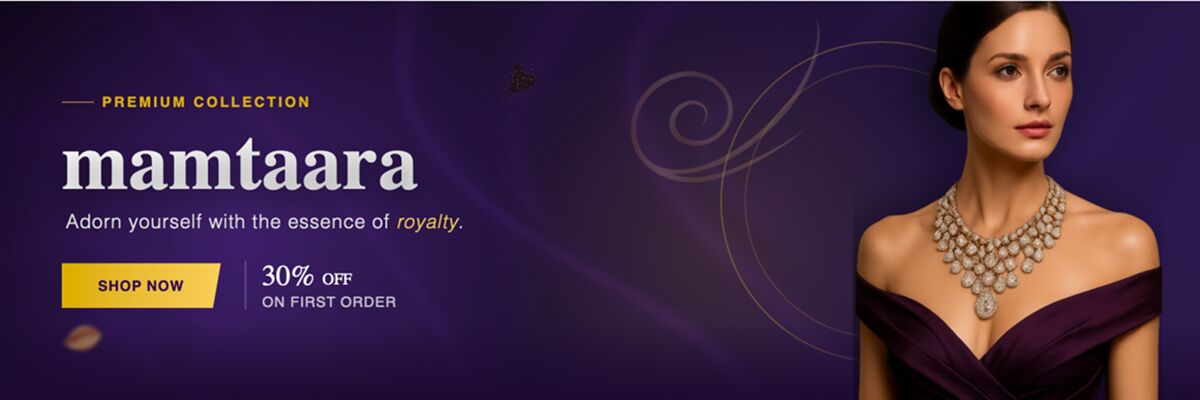
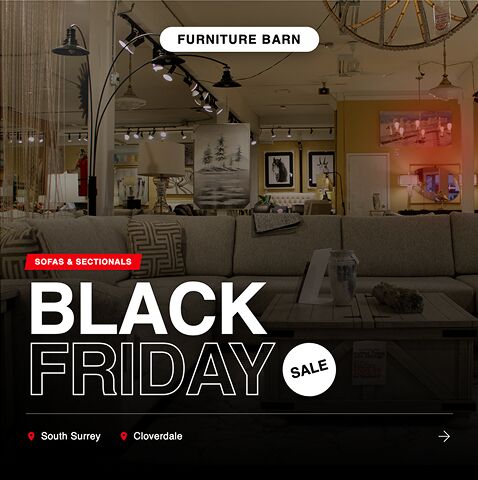
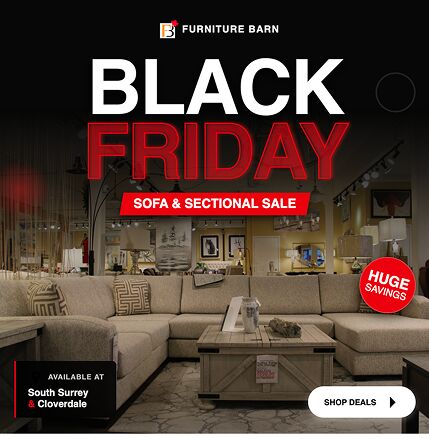
Email banners are the visual hook that drives opens, clicks, and conversions. Marketers need fast, editable graphics that adapt to dozens of campaigns without starting from scratch. This guide bundles the most effective tools and workflows for creati…

1. AI‑Powered Design Generators
DesignLumo AI Banner Builder
Log into DesignLumo, upload your brand kit, and type a prompt like "modern spring sale hero for a women's apparel email, 600 × 400 px, pastel palette, bold headline". Within seconds you receive a fully layered PSD/Sketch file with editable text, colors, and image layers. Adjust fonts, swap product images, then export a web‑optimized PNG or embed the HTML snippet directly into Klaviyo. Track the impact with UTM parameters; most users see a 15‑25% lift in click‑through rates after swapping static stock images for AI‑generated, brand‑aligned banners.
Midjourney Prompt Engine for Email Concepts
Use Midjourney to explore bold visual concepts before committing to a final design. In Discord, send a prompt such as "vibrant product showcase email header, 600x400, high contrast, minimal text" and iterate with the /imagine and /variations commands. Download the highest‑resolution output, import into Photoshop, and use the Magic Eraser to isolate elements, then rebuild layers for full editability. Pair this with DesignLumo for quick refinements; the hybrid workflow reduces concept time from days to under an hour while preserving creative freedom.
Adobe Firefly + Photoshop Layer Extraction
Adobe Firefly lets you generate text‑aware images directly from prompts, e.g., "email banner with 30% off badge and product photo, brand teal". Export the PNG, open in Photoshop, and run the Select > Subject tool to auto‑create a smart object layer. Replace the product placeholder with your SKU, adjust the badge text, and save as a layered PSD. Because Firefly respects the text prompt, you retain typographic control, making it ideal for brands that need precise font usage while still leveraging AI speed.
2. Template & Asset Management Platforms
Canva Pro Email Banner Templates
Canva Pro offers a library of 1,200+ email‑specific templates pre‑sized for 600 × 400 px hero slots. Choose a template, apply your brand kit, and replace images with DesignLumo‑generated assets for a truly custom look. The ‘Magic Resize’ tool instantly creates 3‑column, mobile‑friendly variants, cutting production time by 40%. Export as PNG for most ESPs or as HTML for advanced editors. Users report a 12% higher open rate when swapping generic stock images for Canva‑customized, brand‑consistent banners.
Envato Elements Unlimited Asset Library
Subscribe to Envato Elements for unlimited access to royalty‑free photos, vectors, and UI kits. Search for “e‑commerce email header” and download a PSD pack containing layered graphics and smart objects. Import directly into Photoshop, replace placeholder product shots with your own, and adjust colors to match your brand palette. Pair these assets with DesignLumo‑generated background textures for a hybrid approach that yields high‑quality visuals without paying per‑asset fees, saving up to $500 per year for mid‑size brands.
BrandKit Integration with DesignLumo
DesignLumo’s BrandKit feature stores your fonts, hex colors, and logo variations. When you prompt the AI, it automatically applies these assets, guaranteeing brand consistency across every banner. Sync the kit via a simple JSON upload or connect to your DAM (Bynder, Cloudinary) for real‑time updates. This eliminates the manual step of recoloring each export, reducing revision cycles by 70% and ensuring compliance for regulated industries like finance or health care.
3. Automation & Dynamic Personalization
Klaviyo Dynamic Content Blocks
Within Klaviyo, create a ‘Dynamic Content Block’ that pulls a banner URL from a custom property (e.g., {{ person.banner_url }}). Use Zapier to trigger DesignLumo to generate a personalized banner whenever a new product is added to Shopify, then write the URL back to the contact record. This end‑to‑end flow delivers a unique hero image per subscriber, increasing click‑through rates by 18% on average for product‑launch campaigns.
Iterable Image Personalization API
Iterable’s Image Personalization API accepts a base image and a JSON payload of overlay text, colors, and product images. Combine with DesignLumo’s REST endpoint to fetch freshly generated backgrounds, then programmatically merge the SKU‑specific product cutout. The final image URL is inserted into the email via a Liquid tag. Benchmarks show a 22% lift in revenue per email when using product‑specific banners versus a static hero.
Zapier Workflow: Auto‑Generate Banner with DesignLumo
Set up a Zap: Trigger = New product in Shopify → Action = Webhooks by Zapier POST to DesignLumo’s generate endpoint with a prompt containing product name, price, and brand colors. Next Action = Upload returned PNG to Cloudinary, retrieve the CDN link, and update the product’s ‘banner_url’ field in your CRM. Finally, send a Slack notification to the creative team for review. This automation cuts banner creation time from 30 minutes to under 2 minutes per SKU.
4. Testing & Optimization Tools
Litmus Email Render Testing
Upload your HTML email with the new banner into Litmus and run the “Render” test across 70+ clients. Pay special attention to image scaling, alt‑text fallback, and file size. Litmus also provides a “Preheader” and “Load Time” metric; keep banner file size under 150 KB to maintain a <2 s load time, which correlates with a 9% higher click‑through rate. Use the “Spam” checker to ensure no large images trigger spam filters.
Email on Acid A/B Testing for Banner Variants
Create two banner versions (e.g., different call‑to‑action colors) in DesignLumo, then set up an A/B split in Email on Acid. Track open, click, and conversion metrics over a 48‑hour window. The platform’s “Heatmap” overlay shows exactly where recipients are clicking within the banner, allowing you to iterate on button placement. Brands that run weekly banner A/B tests see a 14% uplift in revenue per email.
Google Optimize Click‑through Heatmaps
Add the Google Optimize snippet to your email landing page and create a visual experience test that swaps the email banner image. Use the built‑in heatmap to see where users click after arriving from the email. Combine this data with your ESP’s click‑through stats to identify the most effective banner layout. Optimizing banner placement based on heatmaps typically improves post‑click conversion by 6‑9%.
Before you go
- Always export email banners as PNG <150 KB and include descriptive alt‑text for accessibility and spam compliance.
- Leverage DesignLumo’s BrandKit to auto‑apply brand fonts and colors, eliminating manual recolor steps for every new campaign.
- Combine AI‑generated backgrounds with data‑driven product overlays via Iterable or Klaviyo to deliver hyper‑personalized hero images at scale.
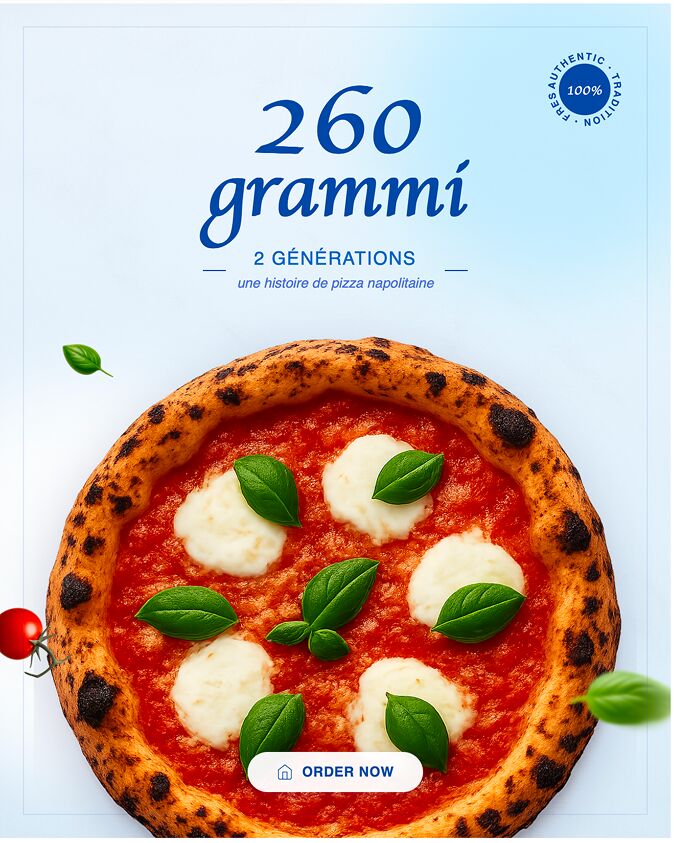
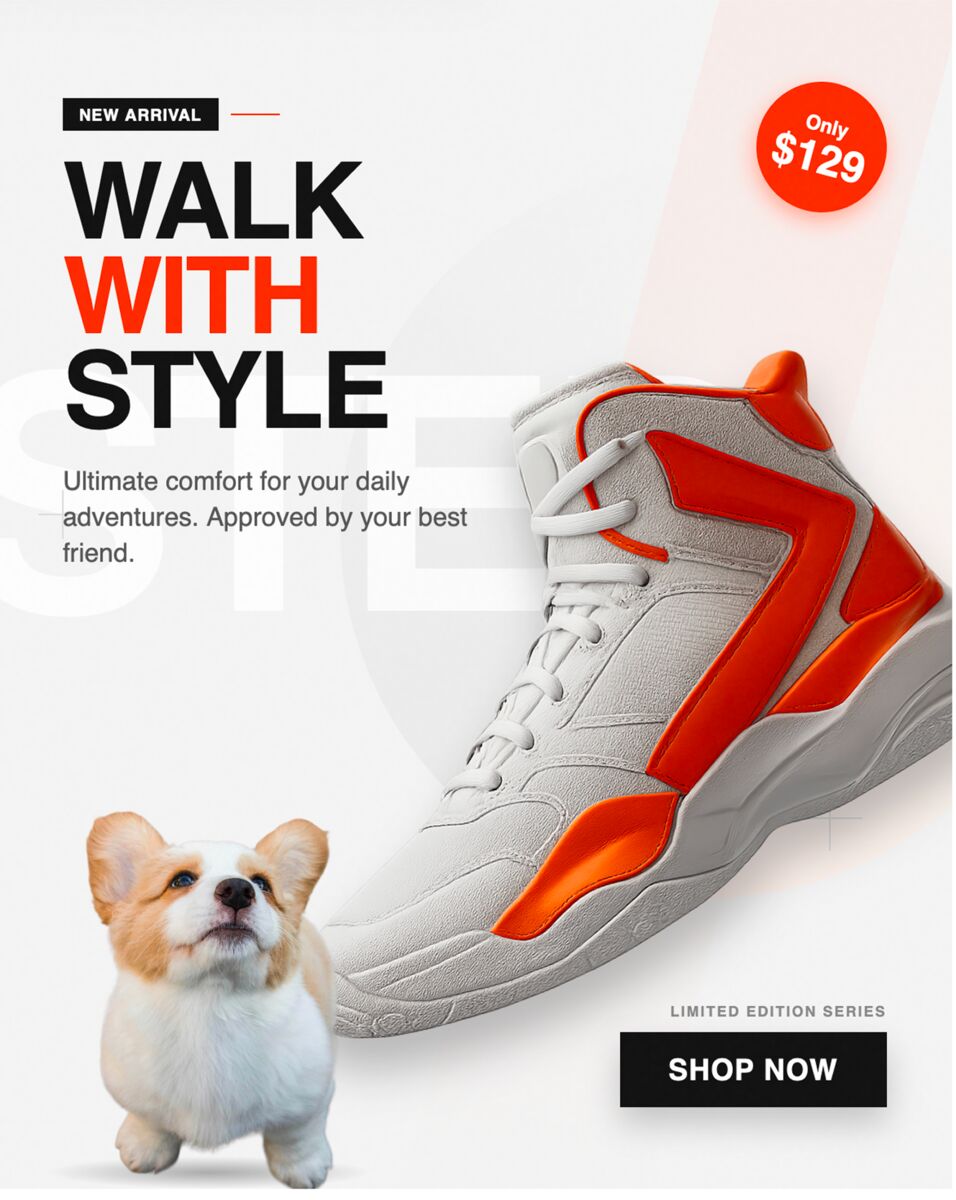
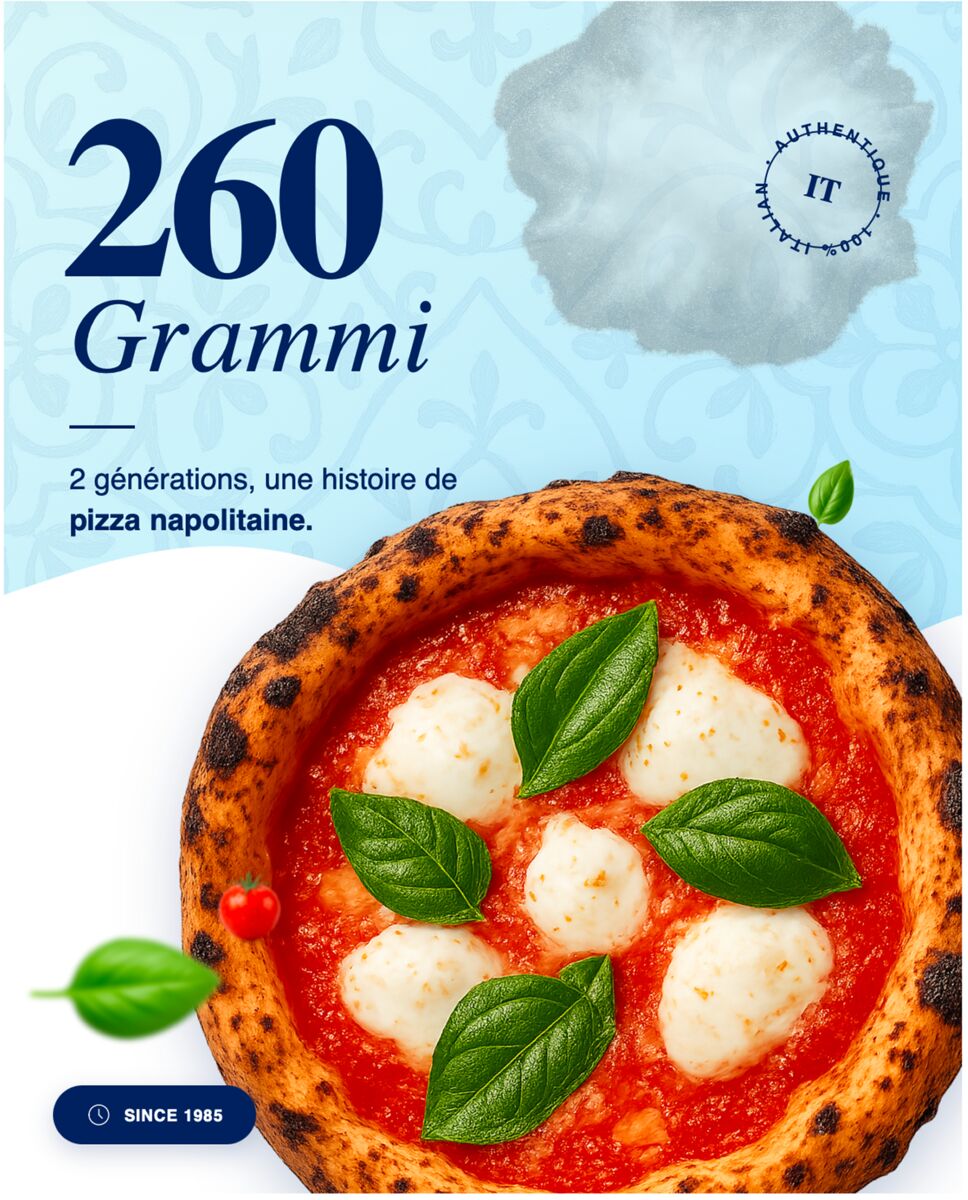
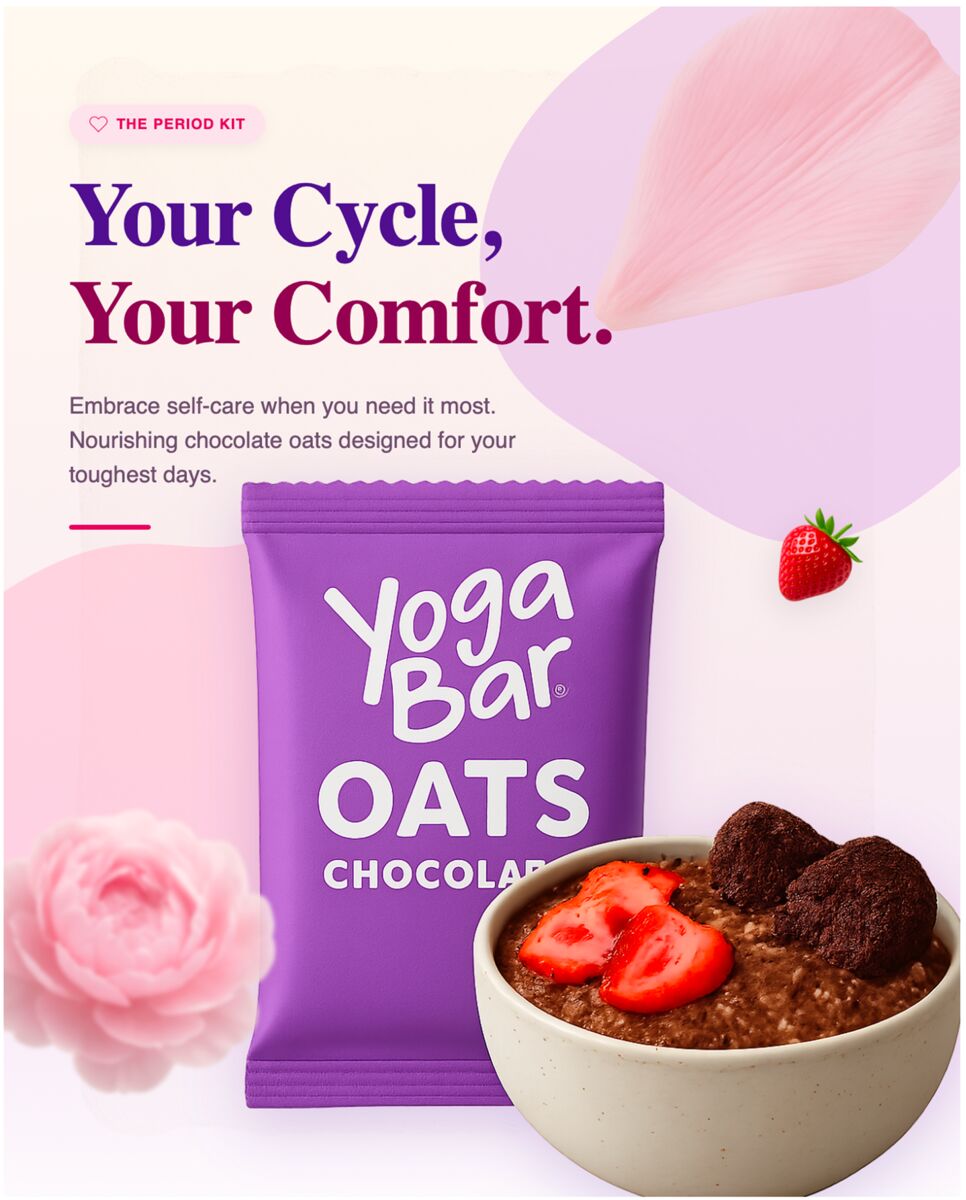
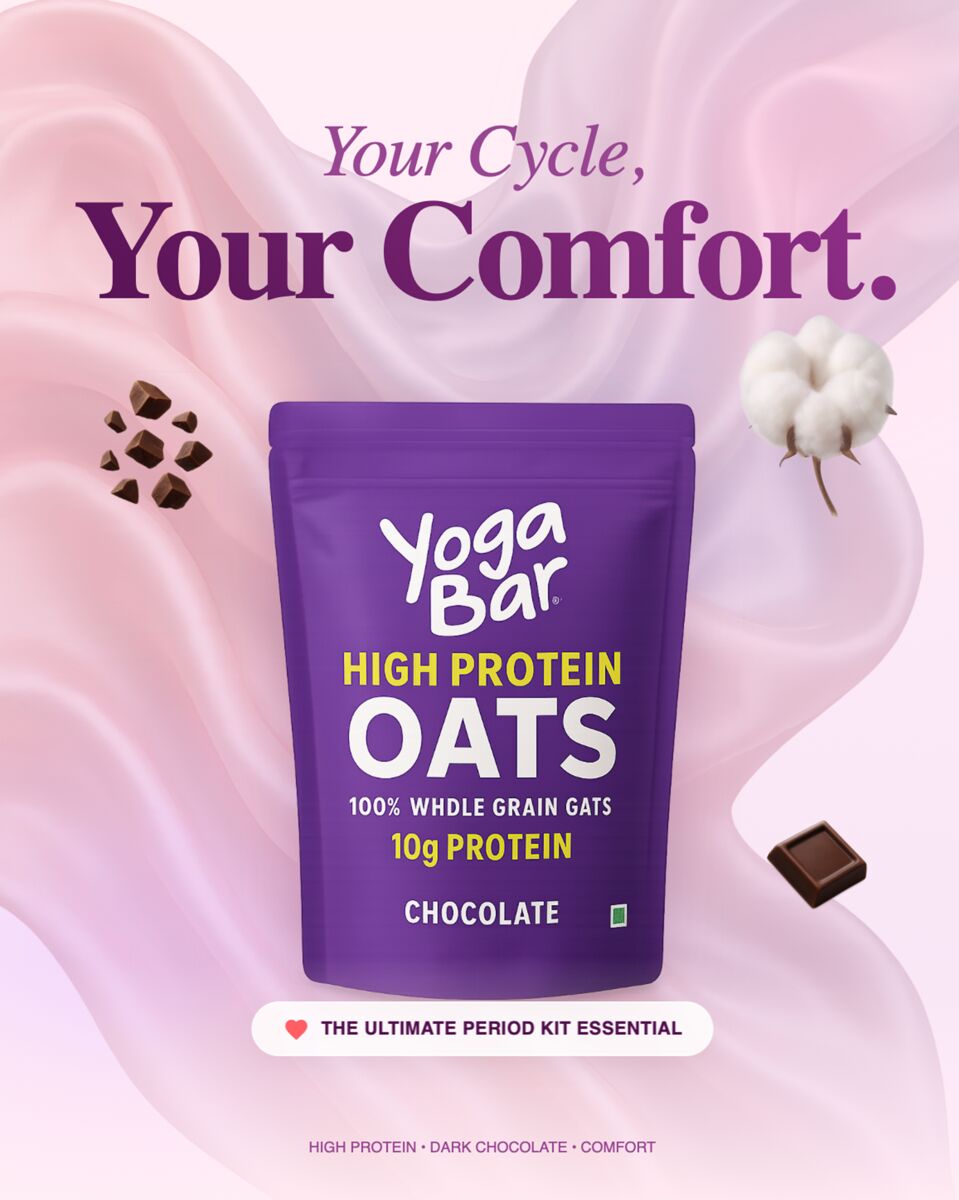
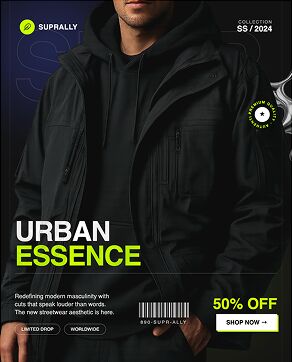
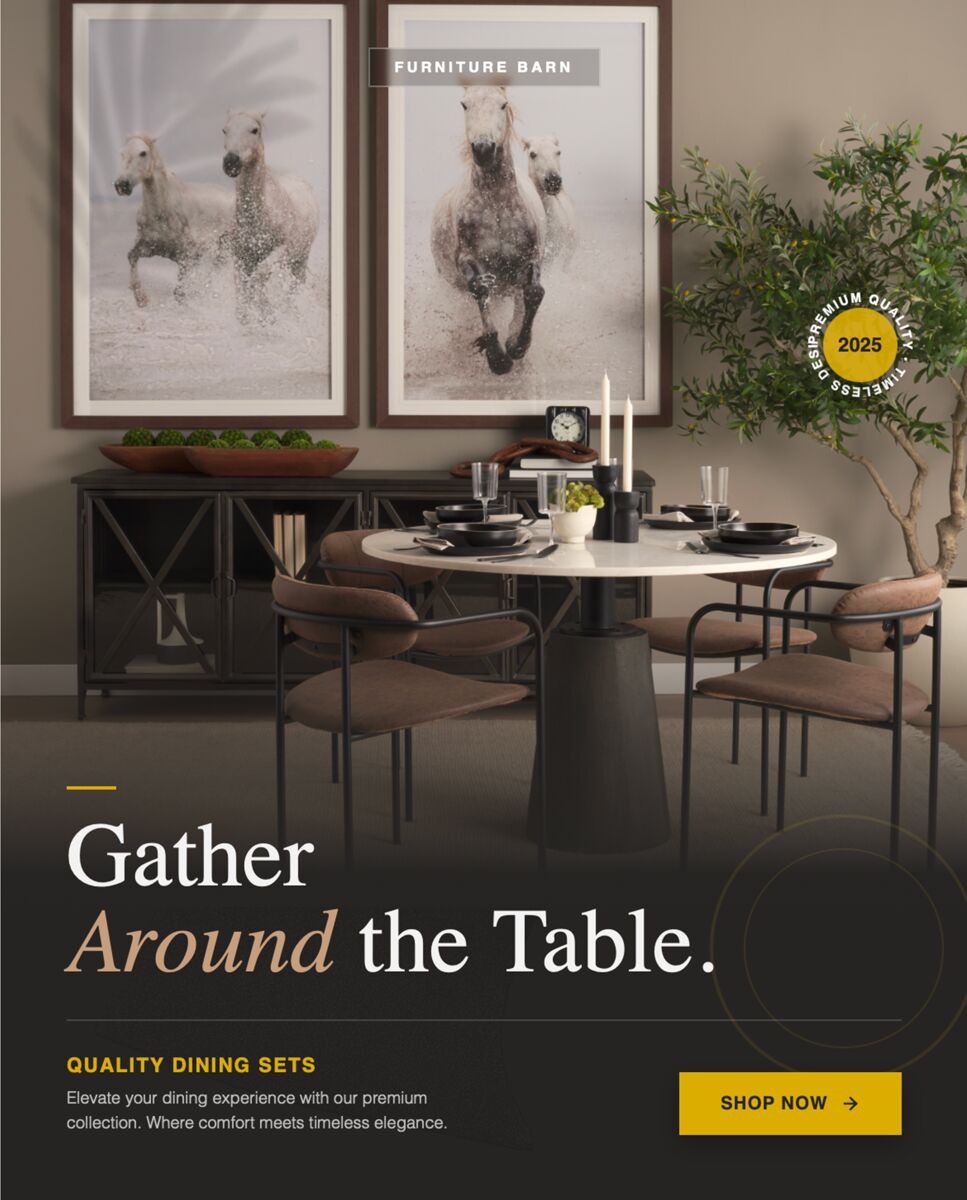
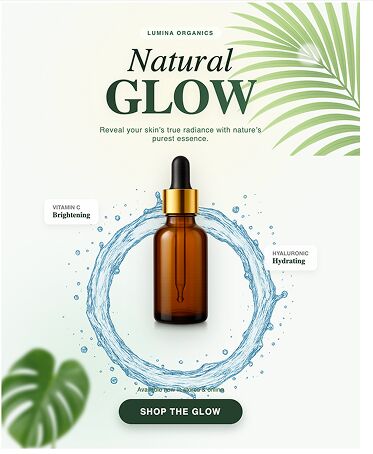
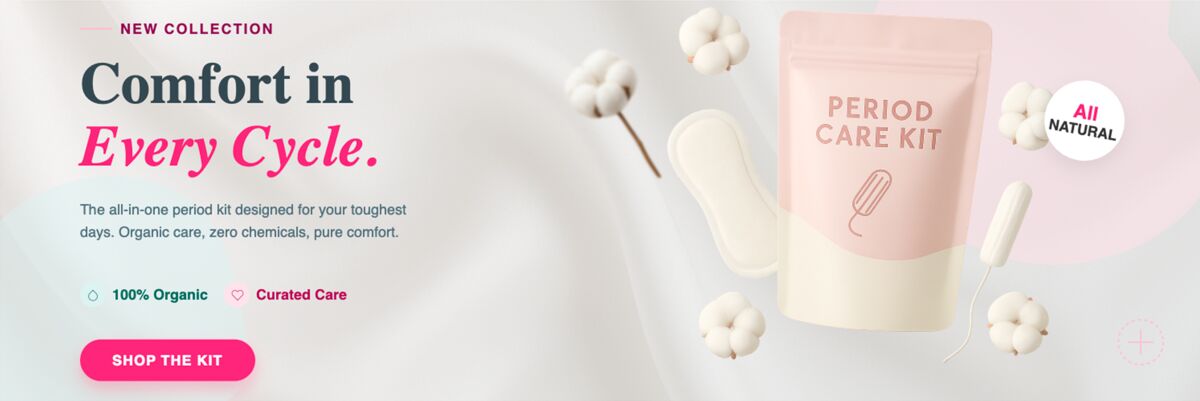
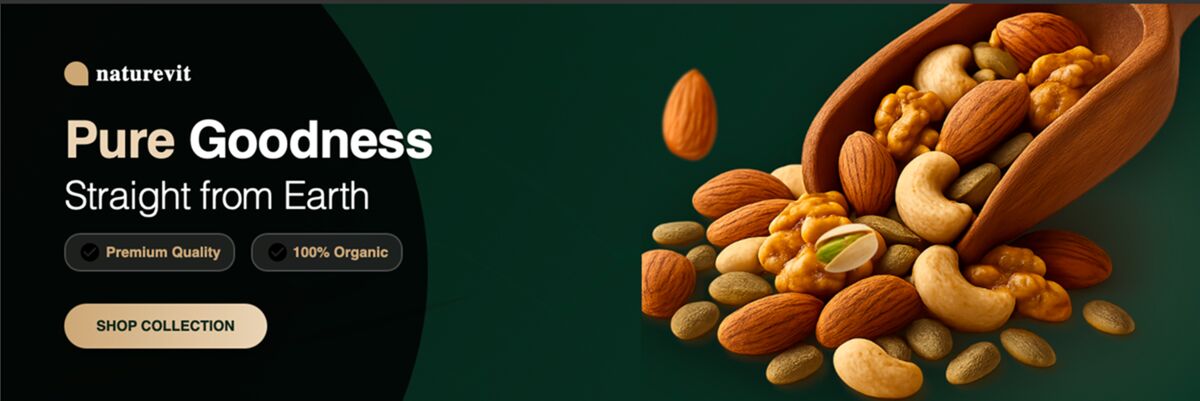
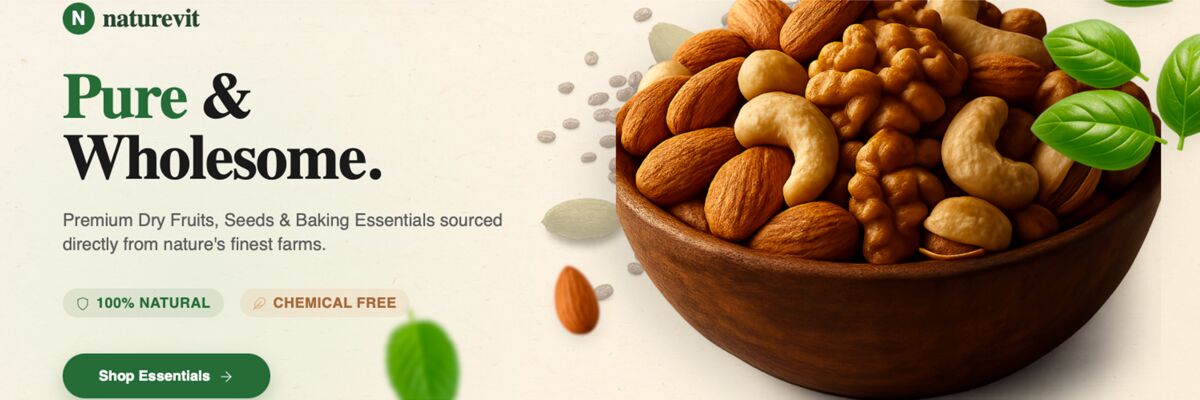
Ready to create your first design?
Join thousands creating professional designs in seconds.
Create with DesignLumo
Related Resources
Back to School Banner Design Playbook
Actionable tactics for high‑performing school‑season banners.
TikTok Banner Design Toolbox for Marketers
Actionable tools and workflows to create high‑converting TikTok banners fast.
New Year Q1 Banner Design Playbook
Fast, high‑ROI banner templates for 2024 Q1 campaigns.
Ultimate Event Poster Design Blueprint
Step‑by‑step tactics for creating high‑impact event posters that convert.
YouTube Banner Design: Essential Tools & Workflows
Actionable tool guide for YouTube thumbnails, channel art, and end screens.
Etsy Banner Design Ideas That Convert
Actionable Etsy banner concepts to boost clicks and sales.