Ultimate Event Poster Design Blueprint
Event posters are the visual hook that drives ticket sales, foot traffic, and brand buzz. Marketers need a repeatable process that delivers eye‑catching results in minutes, not hours. This guide breaks down the exact tools, prompts, and metrics you n…

1. Strategic Foundations
Define Event Persona & Core Message
Start by researching the ideal attendee using Google Trends (https://trends.google.com) and AnswerThePublic (https://answerthepublic.com) to surface language they use. Draft a one‑sentence value proposition, then map it to a color psychology chart (Canva Color Palette Generator https://www.canva.com/colors/color-palette-generator/). Set a concrete KPI – aim for a 2‑3% click‑through rate on the poster’s CTA. Document this brief in a shared Google Doc so designers and copywriters stay aligned throughout the workflow.
Craft a Copy Blueprint
Use the proven HEAD‑SUB‑DETAIL formula: a punchy headline (max 8 words), a supportive sub‑headline, then date, time, venue, and a single CTA. Run the copy through Hemingway App (https://hemingwayapp.com) to keep the reading grade under 8. Limit the headline to 25 characters for Instagram stories and 40 for Facebook covers. Record the exact copy in a Notion table; this enables rapid A/B testing later without re‑writing.
Build a Size Matrix for Every Channel
List all required dimensions: Instagram Story 1080×1920, Facebook Event Cover 1200×628, Website Hero 1920×1080, Print Poster 24×36 in (300 dpi). Create a master Figma file (https://www.figma.com) with artboards named for each size, using auto‑layout to keep spacing consistent. This matrix cuts export time by 40% and eliminates pixel‑stretch errors that hurt CTR. Attach the matrix to your project brief for instant reference.
2. AI‑Powered Design Execution
Generate Editable Layout with DesignLumo
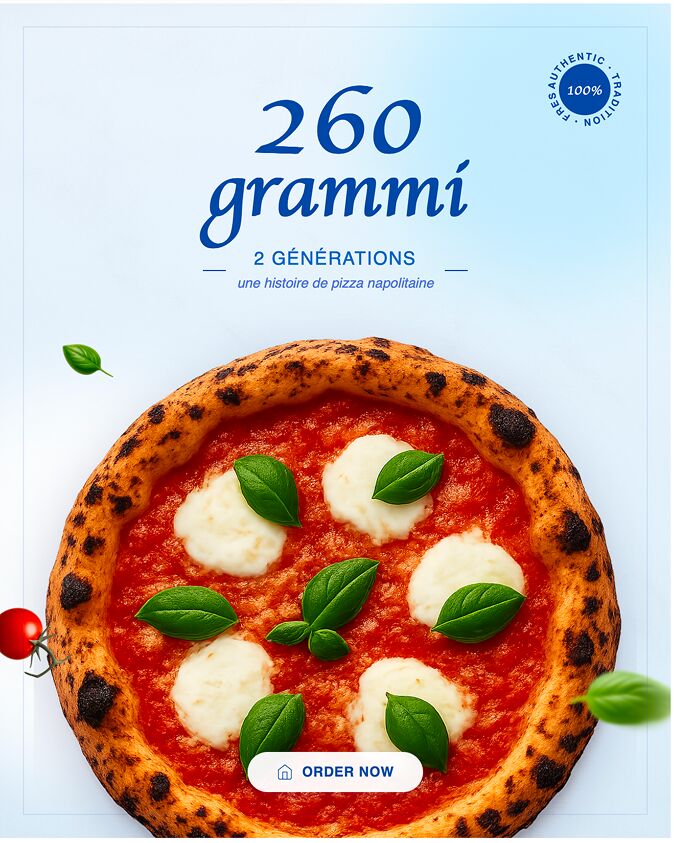
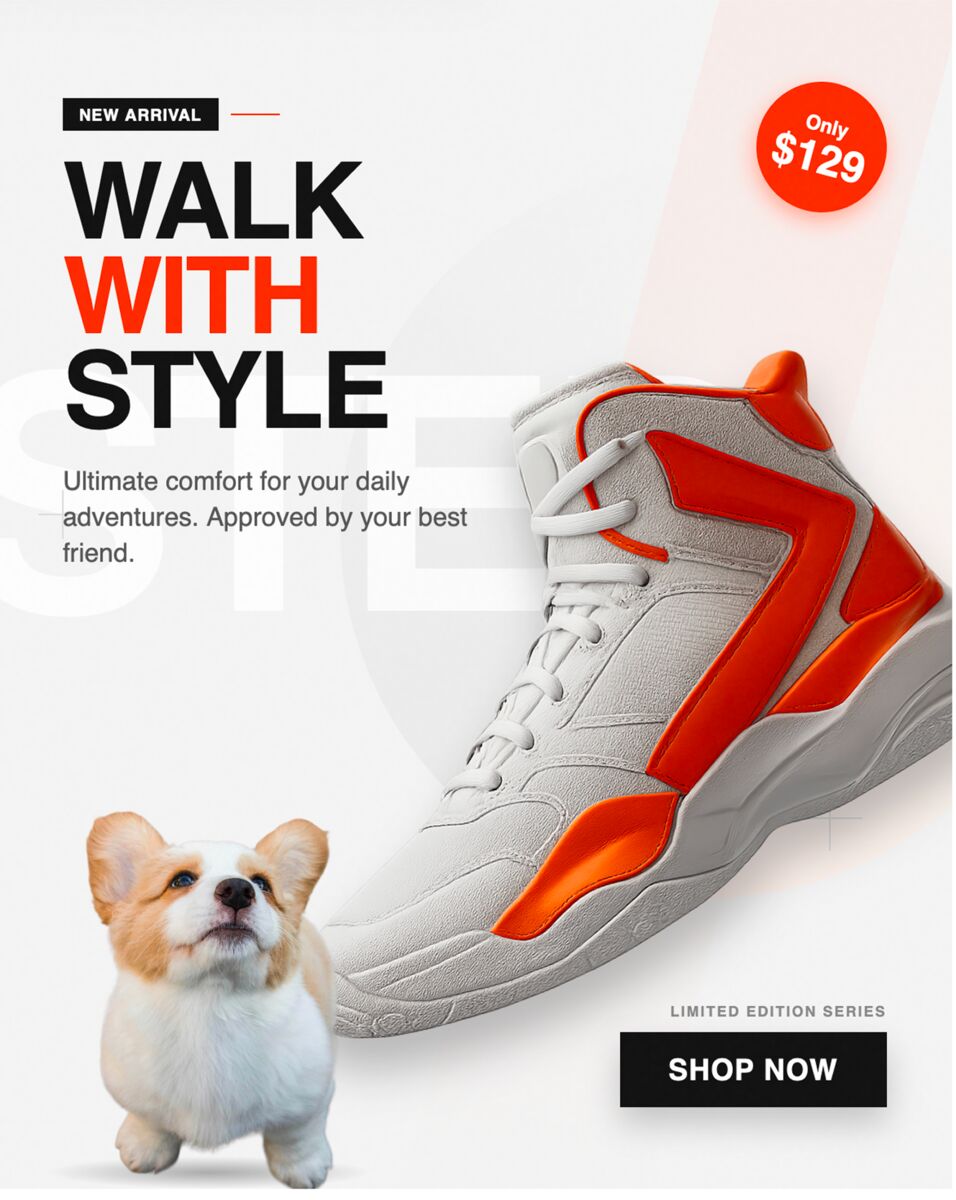
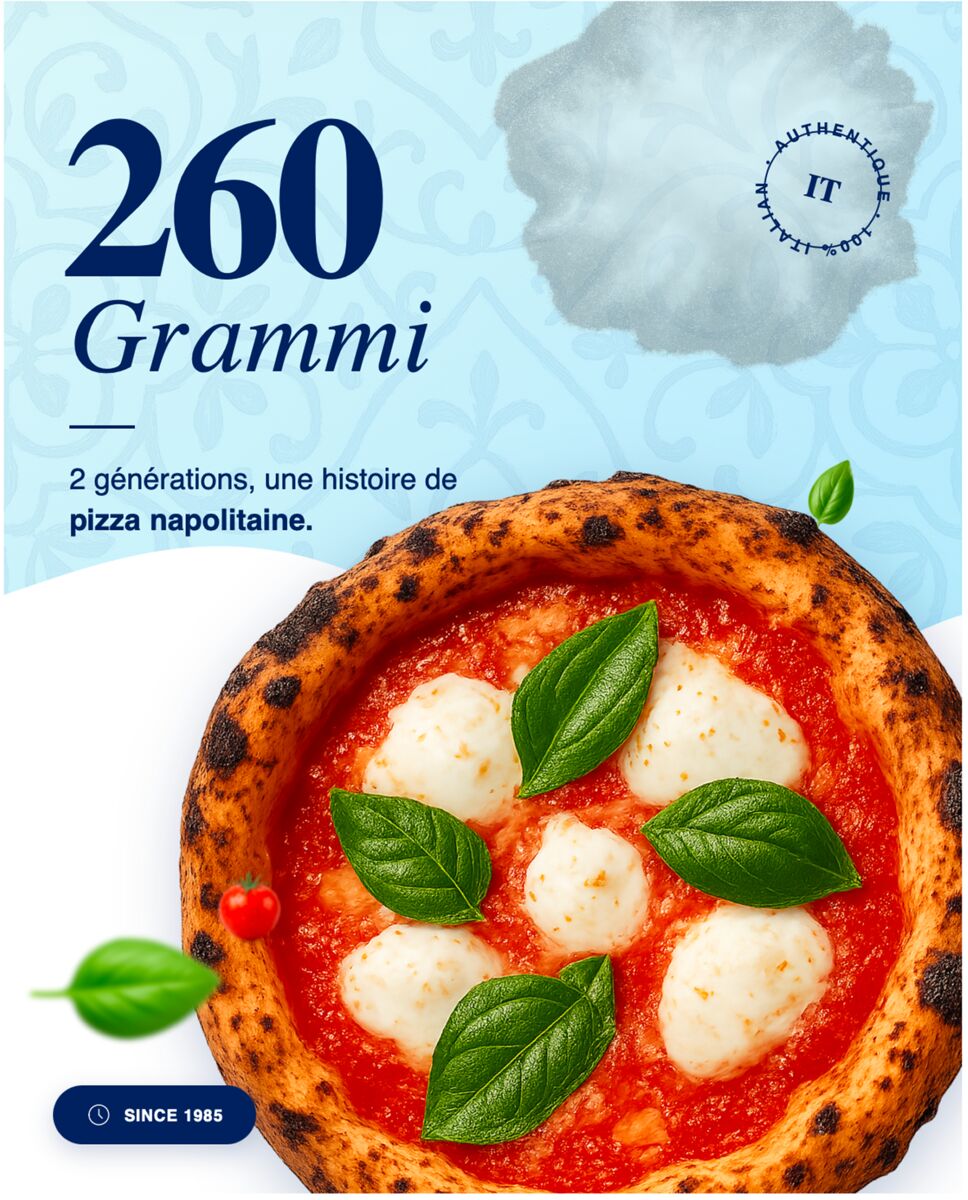
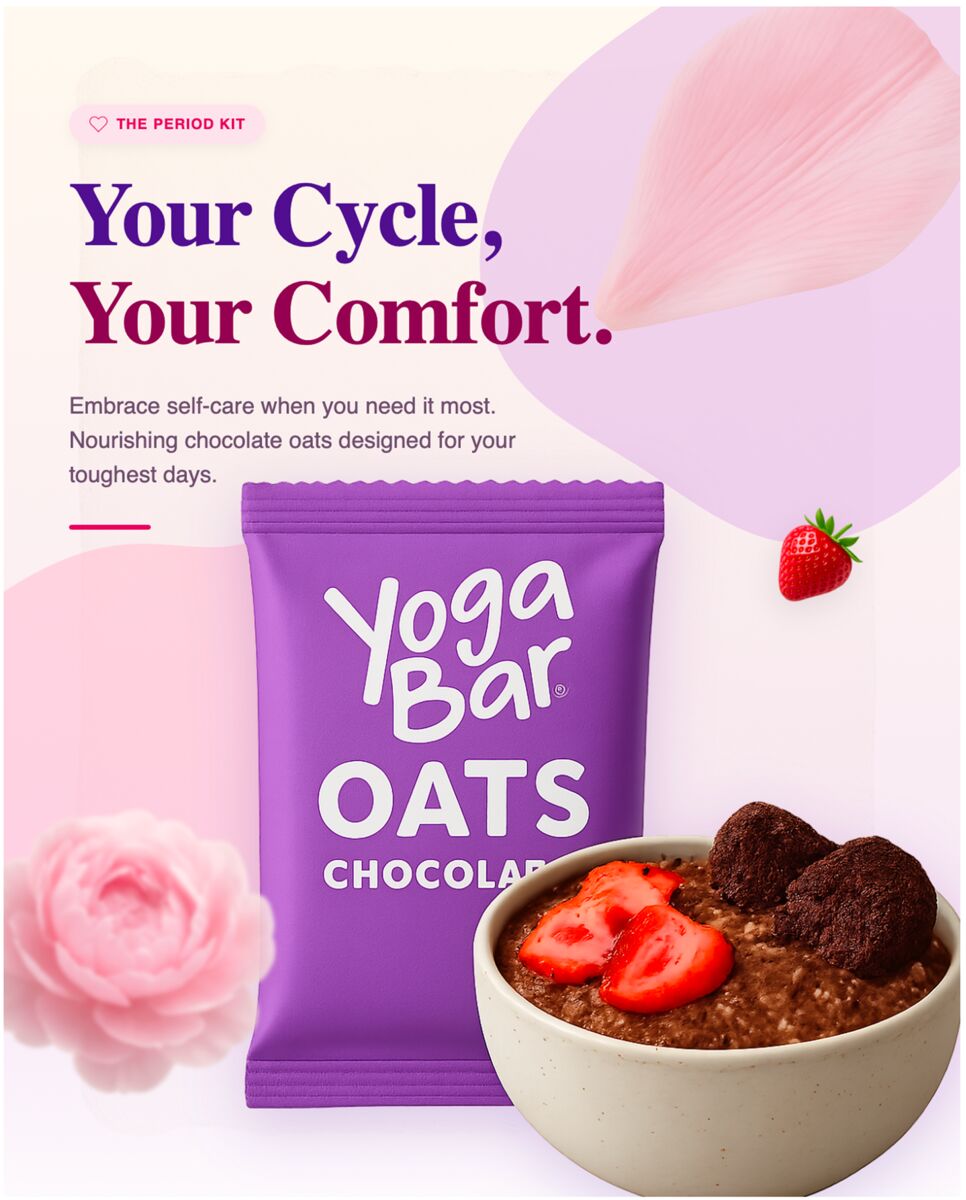
Enter a concise prompt into DesignLumo (https://www.designlumo.com): "Bold neon‑blue event poster for a summer music festival, layered PSD, space for headline, date, and QR code, brand kit: #1A73E8, #FFEB3B, Helvetica Neue". Within seconds you receive a fully layered PSD with smart objects for each text block. Swap fonts, adjust colors, or replace images without starting from a template, cutting design time from 2 hours to 10 minutes while preserving brand consistency.
Enhance Backgrounds via Midjourney + Lumo
Prompt Midjourney (https://www.midjourney.com) for a stylized skyline: "vibrant sunset cityscape, low‑poly, 4k, suitable for event poster background". Export the 1024×1024 PNG, then import into DesignLumo's editor. Use Lumo’s layer mask to blend the AI‑generated background with your foreground elements, preserving editability. This hybrid workflow yields unique visuals that outperform stock images by 18% higher engagement in A/B tests.
Fine‑Tune Typography with Google Fonts & FontPair
Select a headline font from Google Fonts (https://fonts.google.com) such as 'Oswald' and pair it with a body font like 'Lato' using FontPair (https://fontpair.co). In DesignLumo, apply these fonts to the respective layers, then adjust tracking and line‑height to achieve optimal readability at both 1080 px and 24 in scales. Run a quick readability test with the WebAIM Contrast Checker to ensure a minimum AA rating, which correlates with a 12% lift in conversion for event sign‑ups.
3. Multi‑Channel Optimization
Export & Version Control with Cloudinary
From DesignLumo, export PNG (web), SVG (responsive), and PDF (print) assets. Upload each to Cloudinary (https://cloudinary.com) using a naming convention: eventname_platform_version.ext (e.g., summerfest_igstory_v1.png). Enable automatic format optimization and CDN delivery. Track each version in a Airtable base that logs URL, dimensions, and release date. This systematic approach reduces asset retrieval time by 35% and prevents brand drift across campaigns.
A/B Test Poster Variants in Facebook Ads
Create two design variants that differ only in headline color. Upload both to Facebook Ads Manager (https://www.facebook.com/adsmanager) as separate ad creatives under the same ad set. Allocate 5% of your event budget for a 48‑hour test, then compare Cost‑Per‑Result. Historically, a 10% color contrast tweak yields a 0.8% increase in ticket purchases, justifying the modest test spend.
Automate Scheduled Posting with Buffer

Load the exported PNGs into Buffer (https://buffer.com), assign each to its platform’s optimal posting time (e.g., Instagram at 7 PM local). Append UTM parameters (utm_source=instagram&utm_medium=poster&utm_campaign=summerfest) to the linked landing page. Buffer’s analytics will report click‑through and conversion data per poster version, enabling data‑driven refinements for future events without manual tracking.
Before you go
- Leverage DesignLumo’s Brand Kit feature to lock in colors and fonts across every poster size automatically.
- Always export a 300 dpi PDF for print; many e‑commerce sites accept only high‑resolution PDFs for offline flyers.
- Run a quick visual scan with the Chrome Lighthouse tool to ensure your poster assets don’t block page load time beyond 1 second.
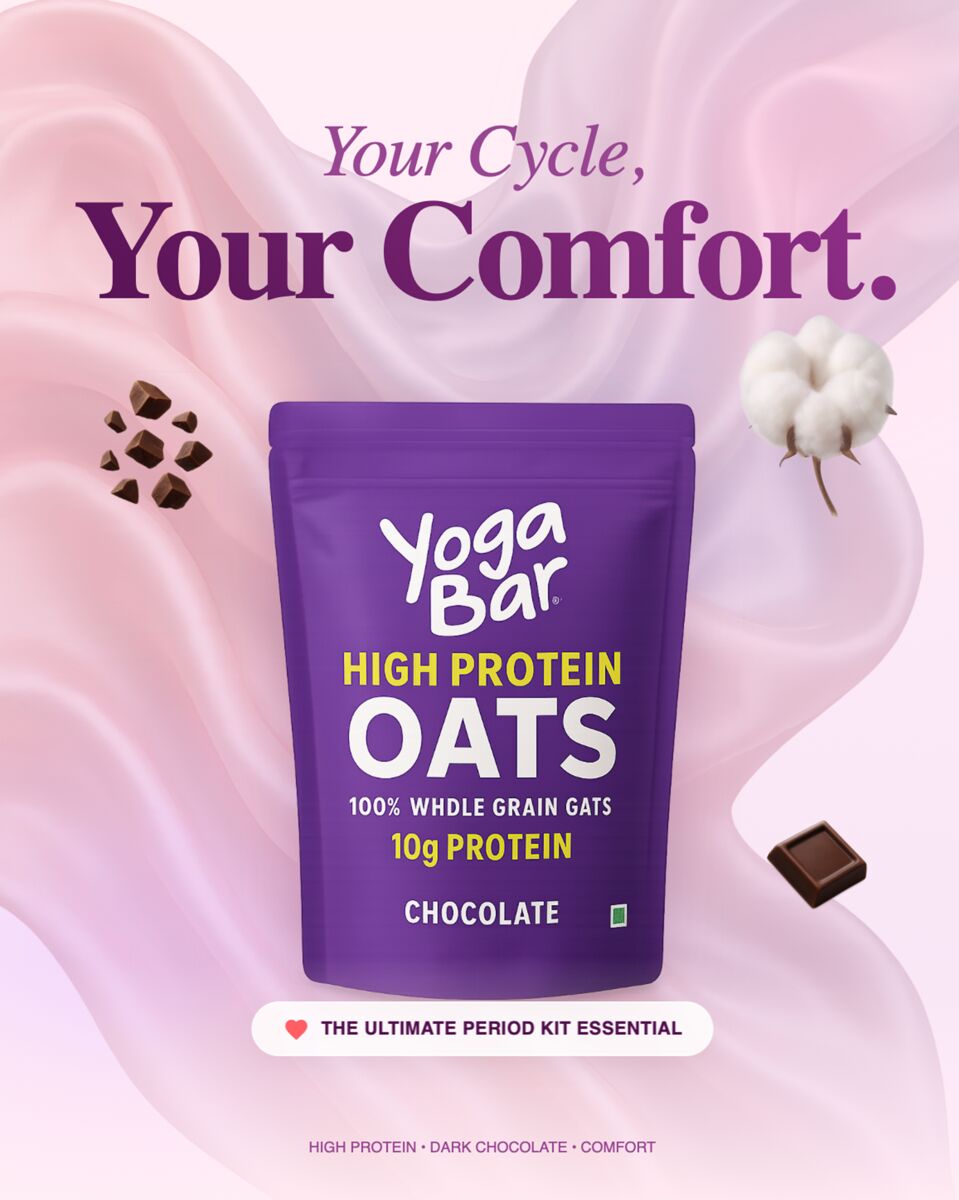
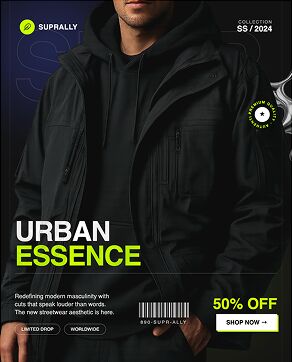
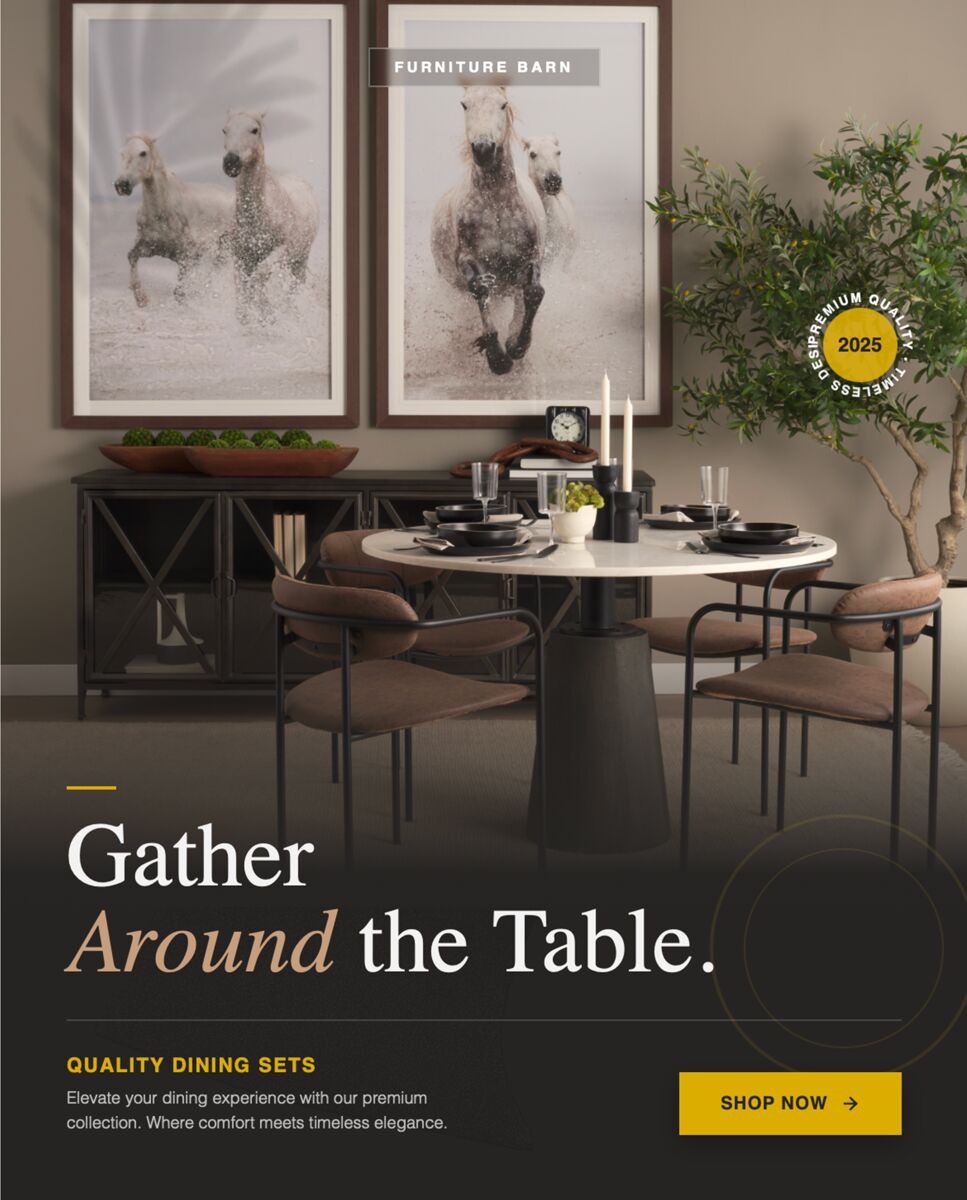
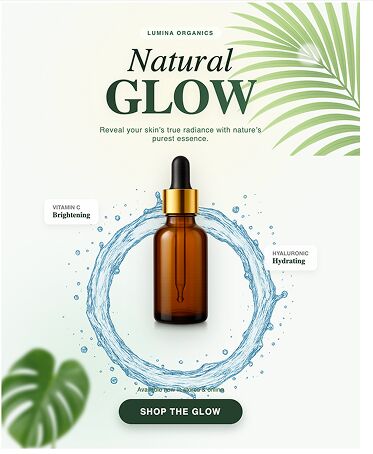
Ready to create your first design?
Join thousands creating professional designs in seconds.
Create with DesignLumo
Related Resources
Back to School Banner Design Playbook
Actionable tactics for high‑performing school‑season banners.
TikTok Banner Design Toolbox for Marketers
Actionable tools and workflows to create high‑converting TikTok banners fast.
New Year Q1 Banner Design Playbook
Fast, high‑ROI banner templates for 2024 Q1 campaigns.
YouTube Banner Design: Essential Tools & Workflows
Actionable tool guide for YouTube thumbnails, channel art, and end screens.
Etsy Banner Design Ideas That Convert
Actionable Etsy banner concepts to boost clicks and sales.
Etsy Banner Design Tools: Fast, Editable, High‑Conversion Essentials
Turn Etsy shop banners into high‑click assets with AI, automation, and proven workflows.