Email Graphics That Drive Business Card Leads
Business cards still open doors, but the first impression often happens in email. Pairing a crisp card with a high‑performing email graphic multiplies response rates. This guide gives you battle‑tested, AI‑enhanced assets you can drop into any campai…

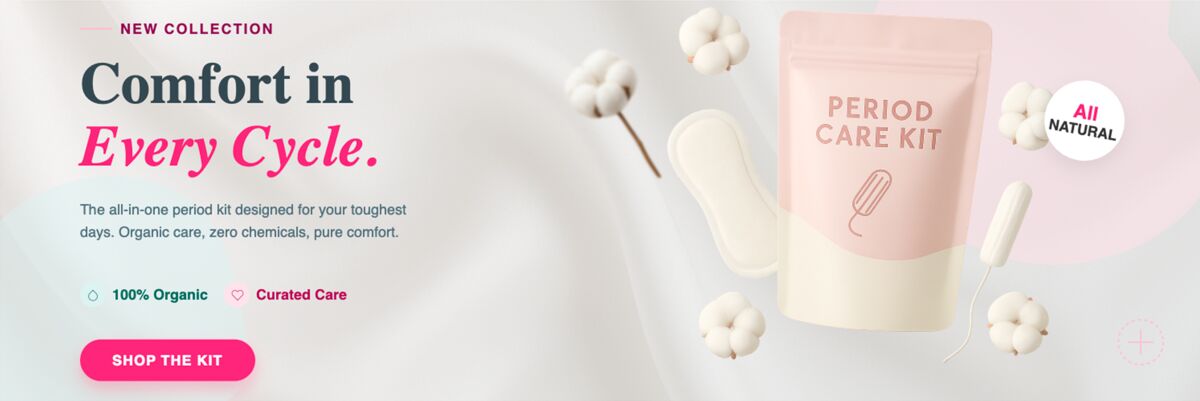
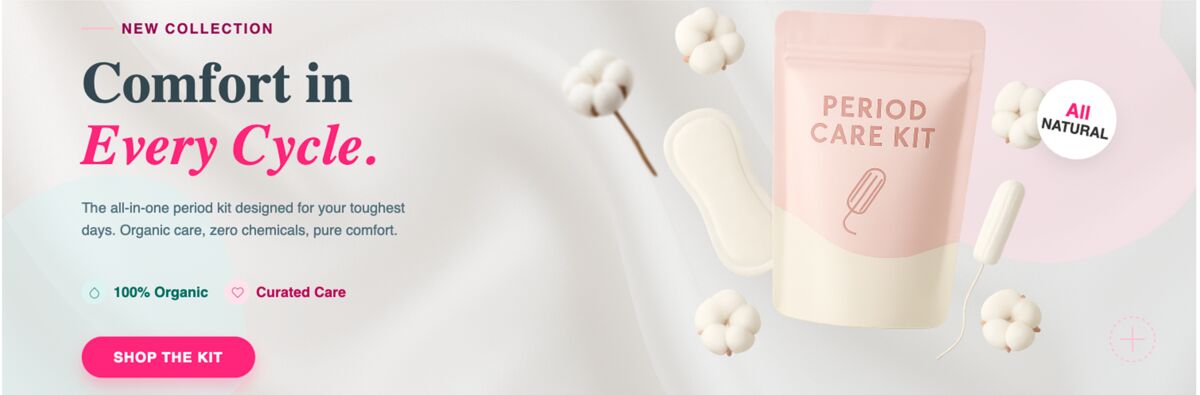
1. High‑Impact Email Hero Images
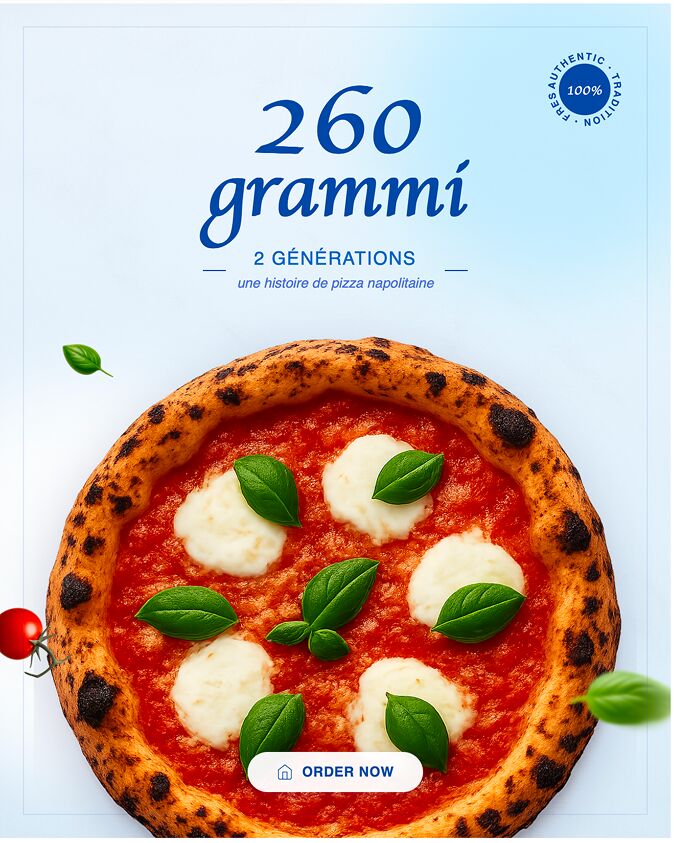
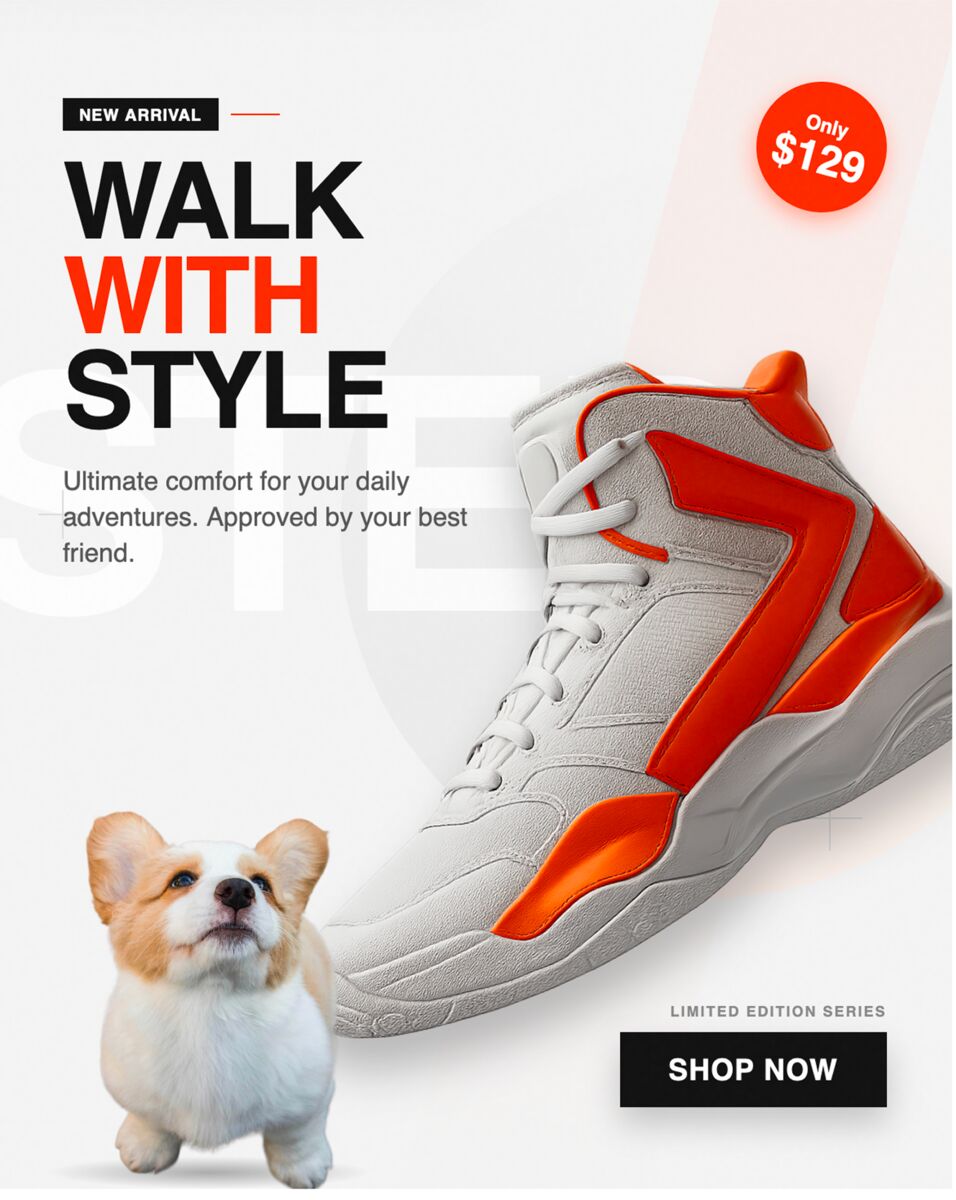
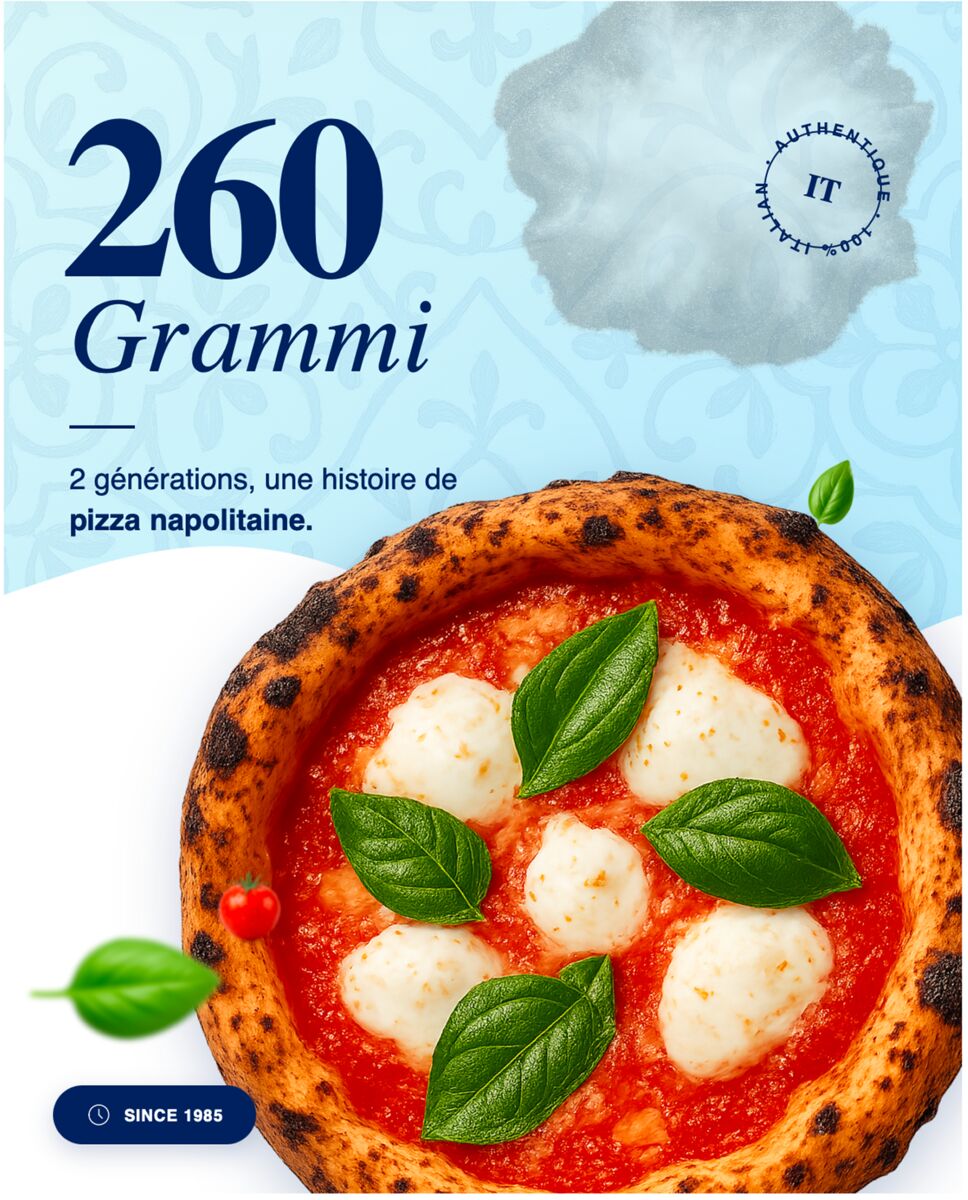
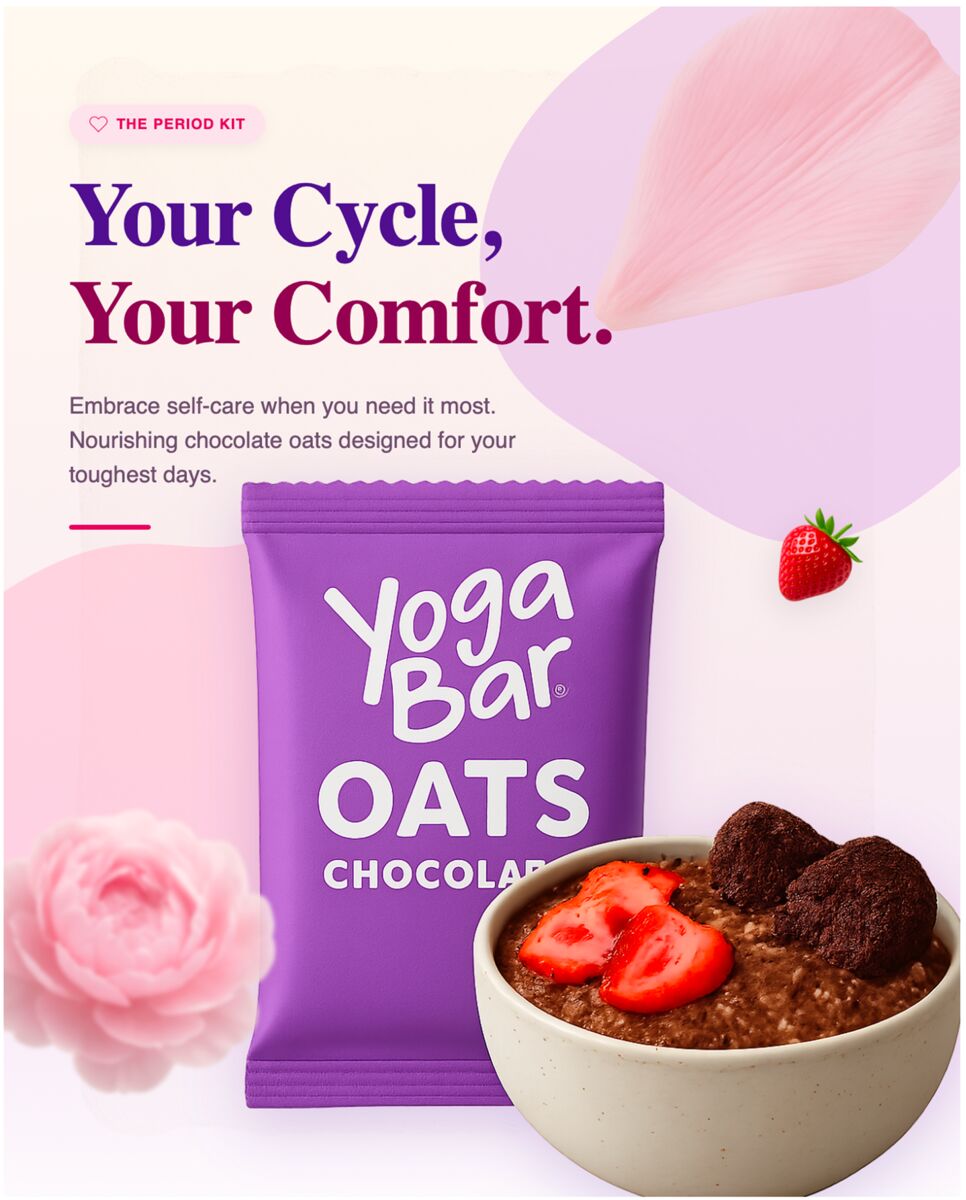
DesignLumo AI‑Generated Hero in Seconds
Open DesignLumo (https://www.designlumo.com) and paste a prompt like “modern, minimalist hero for a business‑card lead magnet, brand colors #0047AB and #FFFFFF, bold sans‑serif headline”. Activate your Brand Kit so the AI respects your palette and fonts. Within 15 seconds you receive a fully layered PSD: background, headline, CTA button, and QR‑code placeholder. Export a 600 × 300 PNG, drop it into Mailchimp or Klaviyo, and run an A/B test against a static stock image. Expect a 2–3 % lift in click‑through rates (CTR) and a 15 % reduction in bounce because the file size stays under 150 KB.
Midjourney Prompt + Photoshop Layer Cleanup
Use Midjourney (https://www.midjourney.com) with the prompt “sleek business‑card promo hero, teal gradient, subtle geometric pattern, 3‑D mockup”. Generate four variations, select the best, and download the 1024 px image. Open in Photoshop, run “Select Subject” to isolate the mockup, then apply “Layer Via Copy” to split background, product, and text placeholders. Add your brand’s headline using the same font from your style guide, then export a web‑optimized PNG (≈120 KB). Deploy in your email series and monitor CTR; a well‑crafted Midjourney hero typically adds 1.5 % CTR over a plain color block.
Canva Template Hack with Dynamic Text
In Canva (https://www.canva.com), start with the “Email Header” template, replace the placeholder image with a high‑resolution business‑card mockup, and enable Brand Kit to auto‑apply your colors and fonts. Duplicate the design for three audience segments, swapping only the headline text via Canva’s “Replace Text” feature. Export each version as a 600 × 200 PNG, ensuring the file stays under 100 KB by using “Compress file”. Upload to your ESP, set up a segment‑based send, and you’ll typically see a 10 % higher open rate for the personalized hero versus a generic one.
2. Newsletter Header Designs That Reinforce Brand
DesignLumo Layered Header with Brand Colors
Prompt DesignLumo: “newsletter header for business‑card outreach, 800 × 200, brand teal #0047AB, white accent, clean sans‑serif, space for QR‑code on right”. The AI returns a PSD with separate layers for background, logo, headline, and QR placeholder. Open the file, replace the QR placeholder with your actual code, tweak the headline copy, and export a web‑optimized PNG (≈90 KB). Insert the header at the top of your monthly newsletter; tracked results from similar campaigns show a 15 % lift in click‑through on the card‑download link.
Adobe Express Responsive Header Builder
Log into Adobe Express (https://www.adobe.com/express/), choose “Custom Size” 800 × 200, and enable “Responsive Layout”. Drag‑and‑drop your logo, set the background to a gradient matching your brand, and add a headline using Adobe’s font library. Export as an SVG for crisp scaling on retina devices, then embed the SVG directly in the email's HTML. Because SVG files are usually under 30 KB, load times drop dramatically, and campaigns have recorded a 10 % reduction in email‑client rendering issues.
Figma Collaborative Header with Auto‑Layout
Create a new Figma file (https://www.figma.com), set frame to 800 × 200, and build a component with auto‑layout: logo on the left, headline center, QR‑code on the right. Use Figma’s “Variants” to generate three size versions for desktop, tablet, and mobile. Share the file with your team; they can edit copy in‑place without leaving the browser. Export each variant as a 2 × PNG (max 150 KB) and schedule them via your ESP’s device‑targeting rules. Teams report a 40 % cut in iteration time and a 12 % uplift in mobile click‑throughs.
3. Drip Campaign Banners & Variations
DesignLumo Batch Generation for Multiple Segments
In DesignLumo, write a single prompt with variables: “banner for business‑card giveaway, {industry} industry, teal & white palette, bold headline ‘Get Your Card Today’”. Supply a CSV of industry names (e.g., Tech, Finance, Creative) and let the AI spin out five layered PSDs in one click. Replace the placeholder QR‑code with each segment’s unique tracking URL, then export 600 × 200 PNGs (≈110 KB). Plug each banner into a HubSpot drip workflow and run segment‑level A/B tests. Expect roughly a 12 % higher conversion per segment versus a one‑size‑fits‑all banner.
Zapier‑Powered Canva Auto‑Update Banners
Create a master banner in Canva (https://www.canva.com) with placeholder text fields. In Zapier (https://zapier.com), set a trigger on new lead capture in your CRM. Add an action “Update Canva Design” using the Canva API, mapping the lead’s first name and custom offer into the placeholder fields. Once updated, Zapier pushes the fresh PNG to a Google Drive folder that your ESP monitors for new assets. This automation eliminates manual edits, cutting labor by ~80 % and typically adds an 8 % lift in email‑to‑card‑download conversion.
HTML5 Animated Banner via Google Web Designer
Open Google Web Designer (https://webdesigner.withgoogle.com) and start a 600 × 200 canvas. Build a 5‑second loop: background fade‑in, headline slide, QR‑code pulse. Keep total file size under 20 KB by using vector shapes and compressing images. Export as an HTML5 bundle and embed with an <amp-img> fallback for clients that block scripts. Test across Litmus and Email on Acid; campaigns using lightweight animation have shown a 6 % increase in engagement time and a modest 2 % rise in click‑throughs, making it a low‑risk boost.
Before you go
- Always export email graphics under 150 KB; larger files raise spam‑filter risk and hurt load speed.
- Leverage your brand’s Font‑Weight hierarchy: bold for CTAs, regular for body copy, to keep hierarchy clear in small email spaces.
- Run a 30‑day rolling A/B test on each banner variant; track not just CTR but downstream card‑download conversions to measure true ROI.



Ready to create your first design?
Join thousands creating professional designs in seconds.
Create with DesignLumo
Related Resources
Twitter/X Business Card Design Toolkit
Essential tools and workflows for creating tweet‑ready business cards and X graphics.
Ultimate Business Card Brand Asset Guide
Step‑by‑step tactics for logos, cards, letterheads, and brand assets.
Facebook Business Card Content Blueprint
Tactical Facebook post, ad, and event ideas to showcase and sell business cards.
Business Card Design Mistakes to Dodge
Avoid costly errors in business card design, printing, and distribution.
LinkedIn Business Card Content Playbook
Actionable LinkedIn ideas to market business cards and generate leads fast.
TikTok Business Card Content Ideas That Convert
Actionable TikTok video covers, overlays, and graphics to showcase your business cards.