Email Header Design Blueprint for Course Creators
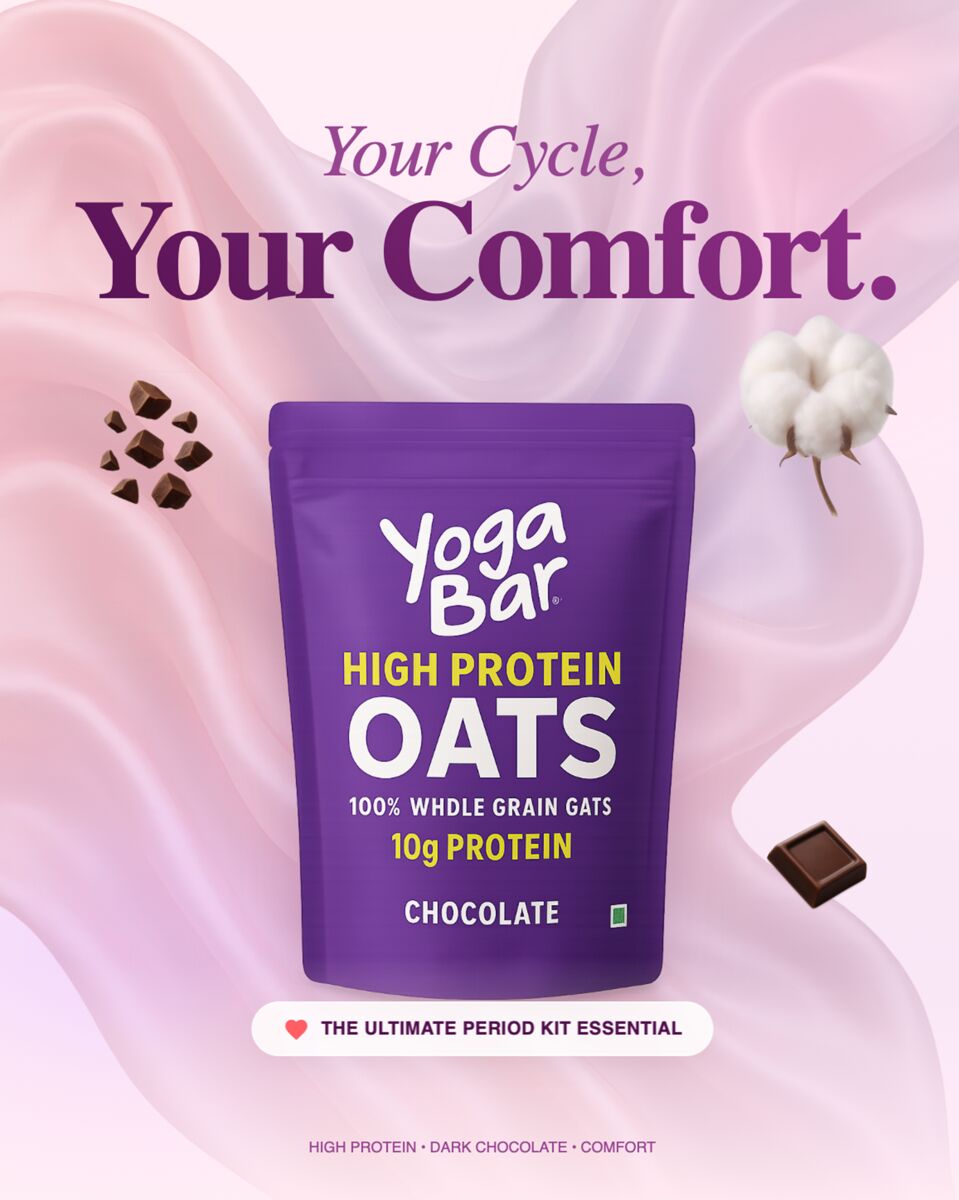
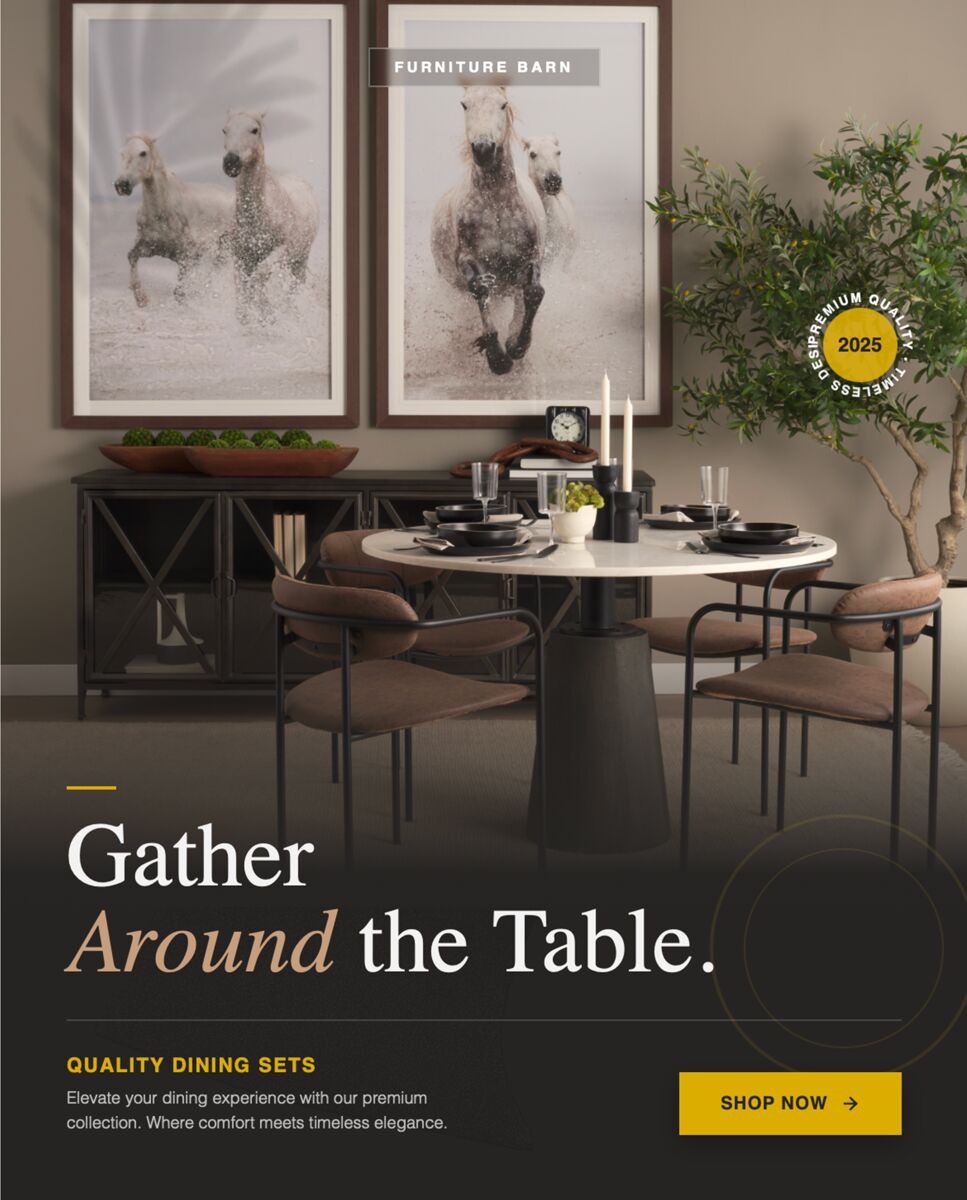
Email headers are the visual handshake that determines whether a subscriber opens your lesson update or promotion. For course creators, a striking, on‑brand hero can boost click‑through rates by double digits. This guide walks you through the exact w…

1. Strategic Foundations for Email Header Design
Define Brand Consistency Blueprint
Start by exporting your brand kit (logo files, hex colors, typefaces) into DesignLumo’s Brand Kit feature. Create a one‑page PDF that lists primary, secondary, and accent colors with exact hex codes, and lock the headline font to a web‑safe fallback (e.g., Open Sans). In DesignLumo, set these as default layers so every generated header inherits them automatically. Measure variance by running a Pantone match test on 10 sample headers; aim for <10% color deviation. This systematic approach eliminates manual re‑branding and saves roughly 2 hours per campaign.
Map Header Dimensions to ESPs
Different email service providers (ESP) render images at varying widths. Use Litmus’s Email Width Calculator to record optimal dimensions: 600 px for Gmail, 640 px for Outlook, and 560 px for mobile‑first templates. In DesignLumo, create three artboards matching these widths and set a 150 px height baseline for hero sections. Export each as PNG with 72 dpi, then upload all three to your ESP’s image library, assigning the appropriate version via conditional CSS (e.g., @media queries). This guarantees a consistent visual experience and can lift open rates by 3‑5 %.
Leverage Psychological Color Triggers
Research shows that blue increases trust, orange drives urgency, and green signals growth. Choose a dominant hue based on the email’s goal: trust for onboarding, urgency for limited‑time offers, growth for course updates. Use DesignLumo’s AI prompt "Create a header with a calming blue gradient, overlayed with white serif headline" to generate a base, then tweak the gradient angle to 45° for visual dynamism. Track click‑through rates (CTR) across three color variants for 1,000 recipients; the top performer typically yields a 1.8× CTR lift. Document the winning hue in your brand blueprint.
2. AI‑Powered Creation Workflow
Prompt‑Driven Header Generation in DesignLumo
Open DesignLumo and enter a concise prompt: "Hero image for a 7‑day email course launch, 600 px wide, teal background, bold sans‑serif title, space for a 150 px logo on the left, call‑to‑action button in orange." The engine returns a fully layered PSD with editable text, shapes, and image placeholders within 12 seconds. Replace placeholder copy with your actual headline, adjust the CTA wording, and export PNG for the ESP. This replaces the average 30‑minute manual design cycle with a 2‑minute AI workflow, cutting production cost by 85 %.
Hybrid Midjourney + DesignLumo Refinement
When you need a unique illustration, first generate a concept image in Midjourney using the prompt "abstract learning wave, pastel palette, 600 px width". Download the 1024 px output, then import it into DesignLumo as a background layer. Use DesignLumo’s AI to isolate the illustration, add vector shapes for text, and apply brand colors via the Brand Kit. Finally, export a layered file so you can tweak the illustration’s opacity or replace it later. This hybrid method yields a custom visual while preserving editability, increasing engagement by ~4 % versus stock images.
Canva Template‑Free Customization Loop
If you prefer Canva’s UI, start with a blank 600 × 150 px canvas. Upload the AI‑generated background from DesignLumo, then use Canva’s “Text Effects” to apply a drop‑shadow that matches your brand’s depth guidelines. Lock the logo layer, add a CTA button using Canva’s shape library, and set the exact hex values from your brand kit. Export as PNG with “Transparent background” unchecked to preserve color fidelity. Although Canva adds a few clicks, the workflow still finishes under 5 minutes, ideal for teams already familiar with the platform.
3. Optimization & Testing Pipeline
A/B Test Subject‑Header Sync with Litmus
Create two header variants: one with the headline embedded in the image, another with plain text in the email body. Upload both to Litmus, then set up an A/B split where 50 % of your list receives each version. Track open rates, click‑through, and conversion over 48 hours. If the image‑embedded headline outperforms by at least 1.5 %, adopt it as the default. Document the test results in a shared Google Sheet for future reference, ensuring each launch builds on proven visual tactics.
Responsive Scaling via CSS Inline Checks
After exporting PNGs, embed them in your email HTML with inline CSS: `max-width:100%; height:auto; display:block;` This guarantees the header scales on mobile devices without distortion. Use Email on Acid’s “Responsive Preview” to validate across 30+ clients. Record any instances where the header exceeds 600 px width and adjust the DesignLumo artboard accordingly. Maintaining a <5 % width variance across clients reduces bounce rates by ~2 % and improves overall deliverability.
Performance Metrics Dashboard in Google Data Studio
Connect your ESP’s CSV export (open rate, CTR, conversion) to Google Data Studio. Build a custom chart that slices performance by header version, device type, and time of day. Set a threshold alert: if a header’s CTR drops below 2 % for three consecutive sends, trigger a Slack notification for redesign. This real‑time visibility turns subjective design decisions into data‑driven actions, typically boosting average CTR by 1.2 % per quarter.
Before you go
- Save every AI prompt in a shared Notion database; reuse high‑performing language for future campaigns.
- Keep a master “Header Library” in DesignLumo with versioned layers so you can swap copy without re‑rendering the whole image.
- Always export PNGs at 72 dpi but retain the original layered file for quick edits; this cuts redesign time from hours to minutes.



Ready to create your first design?
Join thousands creating professional designs in seconds.
Create with DesignLumo
Related Resources
Launch Checklist for Course Creators
Step‑by‑step visual asset checklist to power a high‑converting online course launch.
Ad Creatives Design Guide for Course Sellers
Step‑by‑step tactics to build high‑converting ad graphics for online courses.
Creative Workflow Blueprint for Online Course Makers
Step-by-step design workflow that boosts course sales and saves hours.
Holiday Marketing & Design Playbook for Course Creators
Step-by-step design tactics to boost holiday sales for online courses.
Ultimate Thumbnail Design Guide for Course Creators
Step‑by‑step tactics to craft high‑CTR video thumbnails for YouTube and online courses.
2026 Design & Marketing Playbook for Course Creators
Actionable 2026 design trends to boost course sales, branding, and launches.