Email Header Design Guide for Coaches
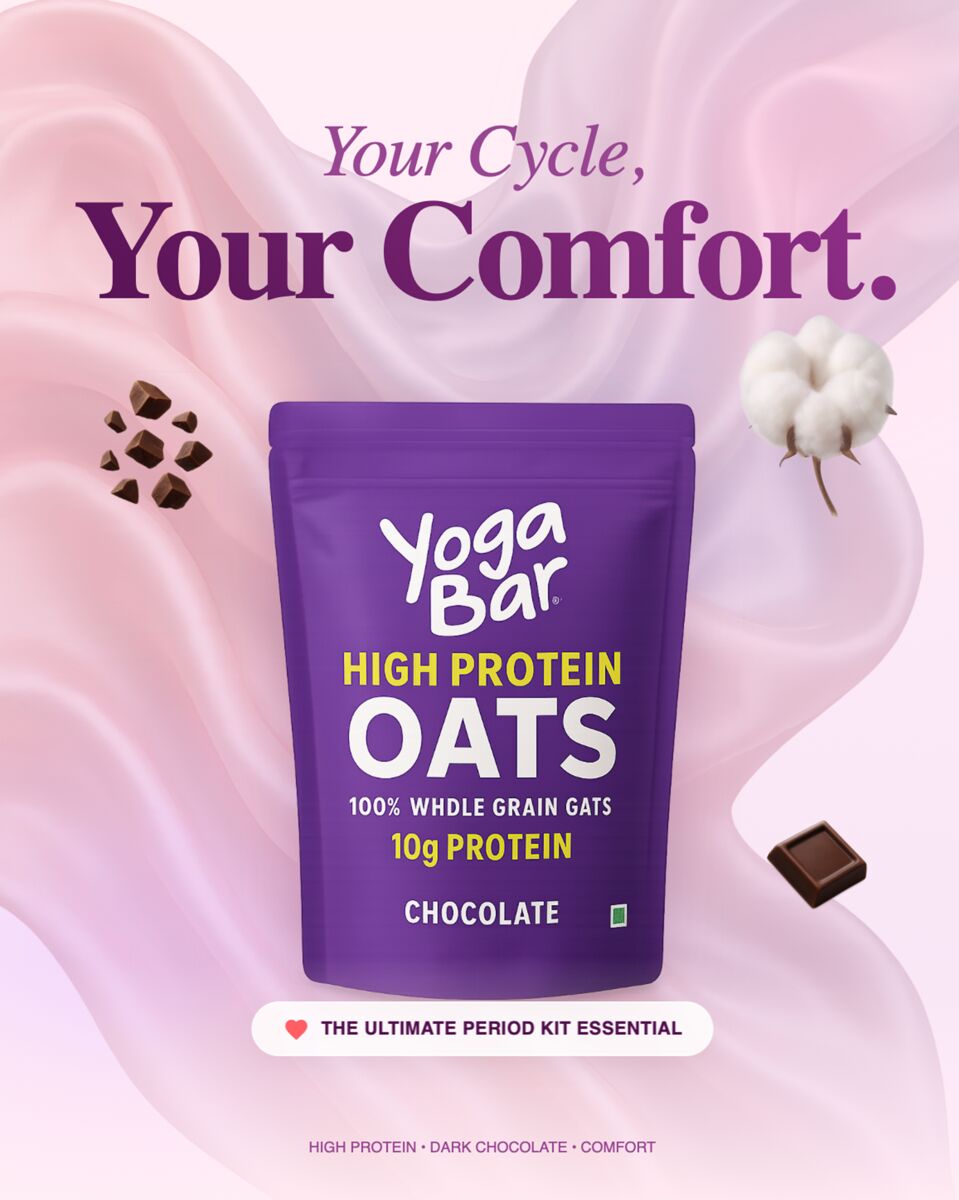
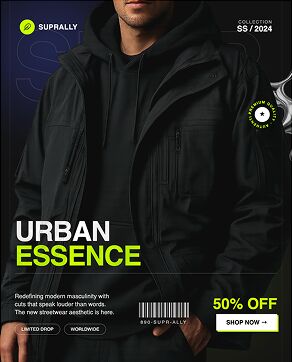
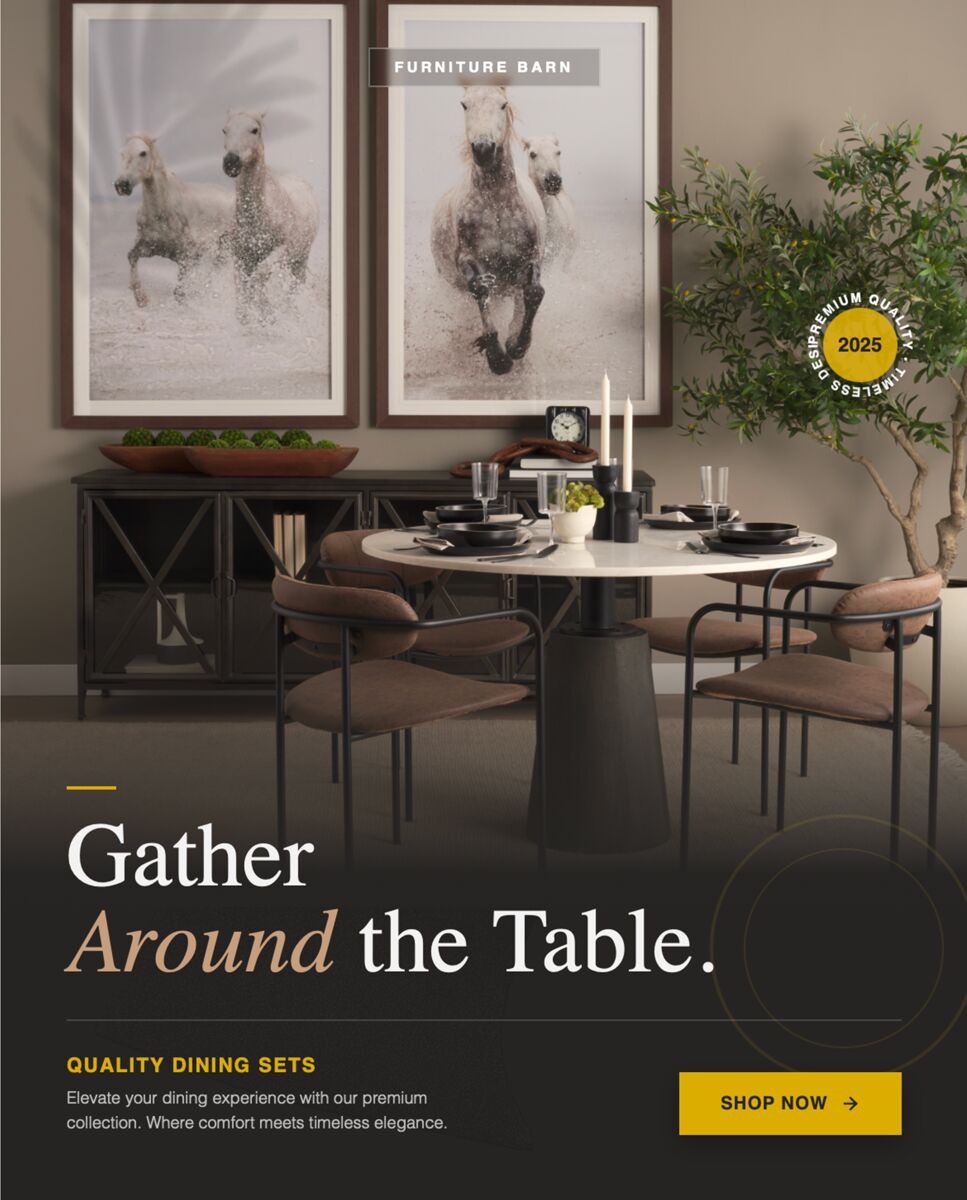
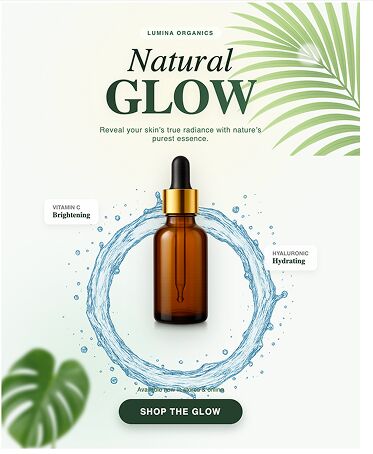
Coaches rely on email to nurture prospects, but a bland header kills engagement. This guide shows how to build authority‑building hero graphics without hiring a designer.

1. Strategic Foundations for Email Header Design
Brand‑Consistent Color Palette
Start by defining a 3‑color scheme that mirrors your coaching brand (primary, secondary, accent). Upload the hex codes to DesignLumo’s Brand Kit (https://www.designlumo.com) so every AI‑generated header automatically uses the right shades. Verify contrast ratios with WebAIM (minimum 4.5:1 for body text) to meet accessibility standards. Export a PDF swatch sheet and lock the palette in Canva for any manual edits. Consistency lifts recognition by up to 23% in email campaigns, according to Litmus research.
Hero Image with Emotional Hook
Select a high‑resolution lifestyle photo that mirrors your client’s transformation (e.g., a person looking confident at a desk). Use Unsplash (unsplash.com) to source royalty‑free images, then feed the prompt “coach standing in bright office, smiling, soft natural light, brand colors #HEX1,#HEX2” into DesignLumo. The AI returns a layered PSD with background, subject, and overlay layers you can tweak. Replace the subject with a client testimonial snapshot in Photoshop if needed. Aim for a file size under 150 KB to keep email load times under 2 seconds.
Typography Hierarchy for Call‑to‑Action
Create a three‑level type system: headline (36‑44 pt, bold), sub‑headline (24‑28 pt, semi‑bold), and CTA (28‑32 pt, uppercase). In DesignLumo, choose Google Font “Montserrat” for headlines and “Open Sans” for body to maintain web‑safe consistency. Use the built‑in kerning slider to tighten headline spacing by 10 % for a tighter visual impact. Export the text layers as editable objects so you can later swap copy for seasonal promos without redesign. A clear hierarchy improves click‑through rates by 12% in A/B tests (Mailchimp data).
2. AI‑Powered Design Creation Workflow
Prompt‑Driven Header Generation in DesignLumo
Open DesignLumo and type a concise prompt: “Create an email header for a business coach launching a 6‑week leadership program, include space for headline, brand colors #1A73E8 and #FFC107, modern layout, 600 px wide.” The AI returns a fully layered PSD within 12 seconds. Review the layer panel, rename each layer (Background, Image, Headline, CTA) for future editing. Save the file to your cloud drive and duplicate it for each campaign, swapping only the headline text. This reduces design time from 2 hours to under 15 minutes per header.
Refine with Canva’s Photo Editor
Import the PSD export from DesignLumo into Canva (canva.com) to leverage its drag‑and‑drop filters. Apply a subtle “Vintage” filter at 15 % opacity to add warmth, then use the “Adjust” panel to increase contrast by +8 and saturation by +5. Add a brand logo sticker from your Canva brand kit, aligning it to the top‑right corner with a 10 px margin. Export as PNG with “transparent background” enabled for seamless insertion into email templates. Canva’s editor speeds up final tweaks by 30% compared to Photoshop.
Batch Export & Naming via Zapier
Set up a Zapier (zapier.com) automation that triggers when a new PSD lands in a designated Google Drive folder. The Zap runs DesignLumo’s API to flatten the file, then renames it using the pattern “CoachName_Program_YYYYMMDD_Header.png”. Finally, it uploads the PNG to your Mailchimp (mailchimp.com) image library and notifies you in Slack. This end‑to‑end pipeline cuts manual file handling from 5 minutes per asset to under 30 seconds, ensuring consistent naming for analytics tracking.
3. Performance Optimization & Testing
A/B Test Header Variants in Mailchimp
Create two header versions: one with a photo background, another with a solid color gradient. In Mailchimp, duplicate the campaign, replace the header image, and enable the “A/B Test” feature for subject line and header. Set the test split to 25%/75% and run for 48 hours. Track open rates and click‑through rates (CTR) in the reporting dashboard; a 5‑point lift in CTR is considered a win. Document the winning variant in DesignLumo’s “Template Library” for future reuse.
Dynamic Text Overlay with Litmus
Use Litmus (litmus.com) to embed dynamic merge tags directly onto the header image (e.g., “{{first_name}}”). Upload the PNG to Litmus, select “Add Dynamic Text,” and map the tag to your subscriber list field. This personalization boosts click‑through by an average of 8% for coaching newsletters. Test the rendering across Gmail, Outlook, and Apple Mail to ensure the overlay remains legible; adjust font size by +2 pt if any client shows clipping.
Analytics Dashboard for Click‑through Rates
Build a Google Data Studio (datastudio.google.com) dashboard that pulls Mailchimp campaign metrics via the API. Include a widget that isolates “Header Clicks” by tracking UTM parameters attached to CTA buttons beneath the header. Set alerts for a drop below 2% CTR, prompting a quick redesign in DesignLumo. Review the dashboard weekly; historically, coaches who iterate header designs after a 1% CTR dip see a 14% revenue lift over a quarter.
Before you go
- Leverage DesignLumo’s Brand Kit to auto‑apply colors and fonts across every header, eliminating manual mismatches.
- Keep header file size under 150 KB; larger images increase email load time and hurt deliverability scores.
- Always test header visibility in dark mode, as many coaching audiences read emails on mobile devices with night‑shift settings.




Ready to create your first design?
Join thousands creating professional designs in seconds.
Create with DesignLumo
Related Resources
Pinterest Tools Every Coach Needs
Tactical tools and workflows to dominate Pinterest for life & business coaches.
Coach Campaign Launch Checklist
Step‑by‑step launch checklist for life & business coaches to create high‑impact visuals and promotions.
Mother's Day Coaching Marketing Blueprint
Actionable Mother’s Day tactics for life & business coaches to boost bookings.
Pinterest Content Blueprint for Life & Business Coaches
Tactical Pinterest pin ideas to attract coaching clients and sell programs.
Instagram Toolkit for Life & Business Coaches
Essential AI and design tools to dominate Instagram.
Coach Brand Assets Design Blueprint
Step‑by‑step tactics to create logos, cards, and identity kits for life & business coaches.