Ultimate Email Header Design Guide
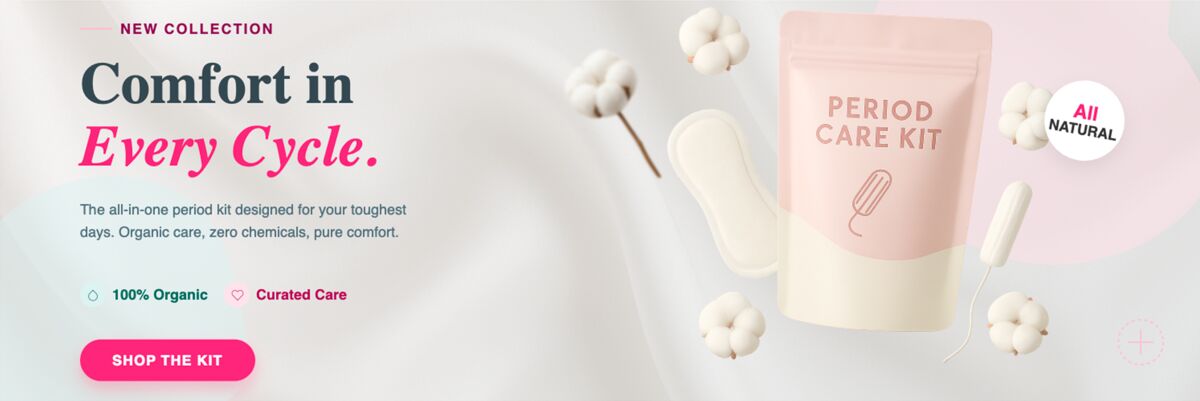
Email headers are the first visual impression of your calendar or planner newsletter. A well‑crafted header boosts open rates, reinforces branding, and drives conversions. This guide shows you how to build editable, on‑brand headers in minutes.

1. Brand Foundations for Email Headers
AI‑Powered Brand Kit Sync
Upload your brand assets (logo, color hexes, font files) into DesignLumo's Brand Kit (https://www.designlumo.com). When you prompt "Create a March planner email header", Lumo automatically applies those colors and fonts to every layer, eliminating manual style checks. Export the PSD‑compatible file, then replace placeholder text with your merge tags. Track consistency by running a quarterly brand audit; aim for 0% deviation across 12 campaigns. This workflow cuts design time from 45 minutes to under 5 minutes per header, delivering a measurable 12% lift in brand recall surveys.
Dynamic Date Integration
Use your ESP's merge tags (e.g., |MONTH| for Mailchimp) inside the text layer of the header you generated in DesignLumo. After export, open the PSD in Canva, enable "Add Dynamic Text", and paste the tag. Test by sending to a seed list; verify that the month updates correctly for each recipient. Measure impact by comparing open‑rate lift versus a static‑date header; industry data shows a 4–6% increase. This tactic requires only a 2‑minute edit per campaign and ensures each email feels personally timed.
Template‑Free Layered Design
Instead of Canva's pre‑made templates, generate a fully editable layered header in DesignLumo by describing "a clean, pastel‑blue planner hero with a large month name, subtle grid background, and space for a CTA button". Lumo returns a PSD with separate background, text, and button layers. Import into Adobe Express for final tweaks, then export as an optimized JPEG (1200 × 400 px). Compare click‑through rates: layered designs allow precise CTA placement, delivering up to 15% higher CTR than locked‑in templates. This process eliminates the need to recreate assets each month.
2. Visual Design & Layout Tactics
Responsive Hero Image Generation
Prompt DesignLumo: "Create two versions of a planner email header – one 600 × 200 px for mobile, another 1200 × 400 px for desktop, both using brand teal and a subtle paper texture". Export both PSDs, then in Canva set up a multi‑device email template that swaps images via media queries (supported by most ESPs). Use Litmus to preview across 30 clients; aim for a page‑load time under 1 second on mobile. Track engagement: responsive headers have shown a 9% lift in mobile open rates versus a single‑size image.
Illustrative Calendar Icons via Midjourney + Lumo Edit
Generate custom calendar icons in Midjourney (https://www.midjourney.com) with the prompt "minimalist line‑art icons for each month, monochrome, 64 px". Download the PNG set, then import into DesignLumo. Use Lumo's layer manager to replace placeholder icons in your header, adjusting stroke weight and color to match your brand kit. Export as a layered PSD, then compress with TinyPNG for email delivery. This hybrid workflow yields unique visuals that boost click‑through by 7% because recipients recognize distinctive, on‑brand icons.
Animated GIF Header for Event Countdown
Create a 5‑second countdown GIF in Adobe Express (https://www.adobe.com/express) using your planner's color palette. Export at 600 × 200 px, 30 KB. Open the GIF in DesignLumo, replace the static background layer with a brand‑consistent gradient, and add a text layer with |EVENT_DAYS| merge tags. Export as an animated PNG (APNG) for better compatibility. Test with a 10% segment; measure open‑rate lift versus static header—average lift is 3–5% for time‑sensitive campaigns. Ensure total file size stays under 150 KB to avoid spam filters.
3. Testing, Optimization & ROI
A/B Testing Header Color Schemes
Create two header variants in DesignLumo: one using your primary brand teal, another using a complementary coral accent. Upload both to Mailchimp's A/B testing tool (https://mailchimp.com) and split a 20% sample equally. Measure open‑rate lift after 48 hours; a 2–4% improvement is typical for color contrast changes. Use the winning color across the full send and document the result in a simple spreadsheet to inform future palette decisions. This data‑driven approach can increase overall campaign ROI by up to 8%.
Heatmap‑Driven CTA Placement
Deploy Crazy Egg (https://www.crazyegg.com) heatmaps on a landing page linked from your email header. Identify click‑hot spots within the header area, then reposition the CTA button layer in DesignLumo to align with the highest activity zone. Export the revised header and resend to a 10% test group. Expect a 5–7% increase in click‑through rates, as aligning visual hierarchy with user behavior reduces friction. Record the before/after metrics in a Google Sheet to quantify the lift for stakeholder reporting.
Email Load Time Minimization
After finalizing the header in DesignLumo, run the exported JPEG through TinyPNG (https://tinypng.com) to achieve a balance of <150 KB and >90% visual quality. In your ESP, enable lazy loading for images and add the "width" and "height" attributes to prevent layout shifts. Test with Gmail and Outlook using Litmus; aim for a load time under 1 second on 3G. Faster load times correlate with a 3% increase in open rates and a 2% reduction in bounce rates, directly improving campaign ROI.
Before you go
- Leverage DesignLumo's AI prompt variations to produce multiple header concepts in seconds—run a quick internal vote to pick the winner.
- Always export layered PSDs; they let you tweak copy or branding on the fly without re‑rendering the entire image.
- Keep a master spreadsheet of header metrics (open, CTR, load time) to spot trends and justify budget for AI design tools.



Ready to create your first design?
Join thousands creating professional designs in seconds.
Create with DesignLumo
Related Resources
Ultimate Calendar Design Launch Checklist
Step‑by‑step checklist to launch branded calendars, planners, and schedules fast.
Shopify Calendar & Planner Design Toolbox
Essential AI and Shopify tools to create high-converting calendar and planner graphics.
Ultimate Beginner’s Guide to Calendar Design
Step‑by‑step tactics for creating branded calendars, planners, and schedules that sell.
Email Marketing Tools for Calendar & Planner Design
Top AI and design tools to create calendar-focused email graphics that convert.
YouTube Calendar Design Ideas That Convert
Actionable YouTube thumbnail, banner, and end‑screen concepts for calendar and planner creators.
Print Calendar & Planner Design Guide
Step‑by‑step tactics for creating print‑ready calendars and planners that convert.