Ultimate Web Agency Campaign Launch Checklist
Launching a web campaign involves design, client buy‑in, and flawless handoff. Missing any piece can stall billing cycles and hurt client trust. This checklist stitches the entire process together so your agency can ship on time, every time.

1. Pre‑Launch Asset Production
AI‑Powered Hero Mockups with DesignLumo
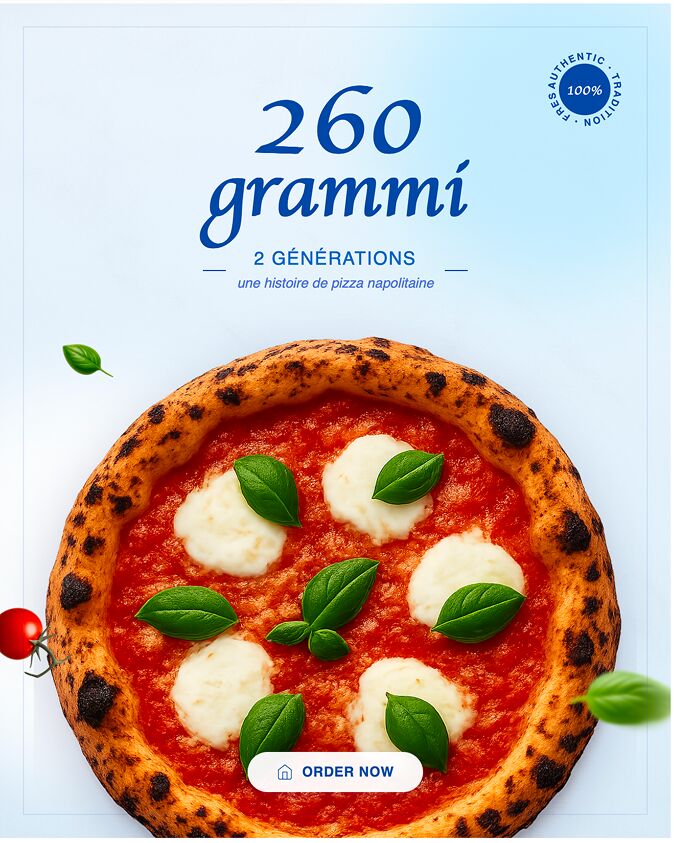
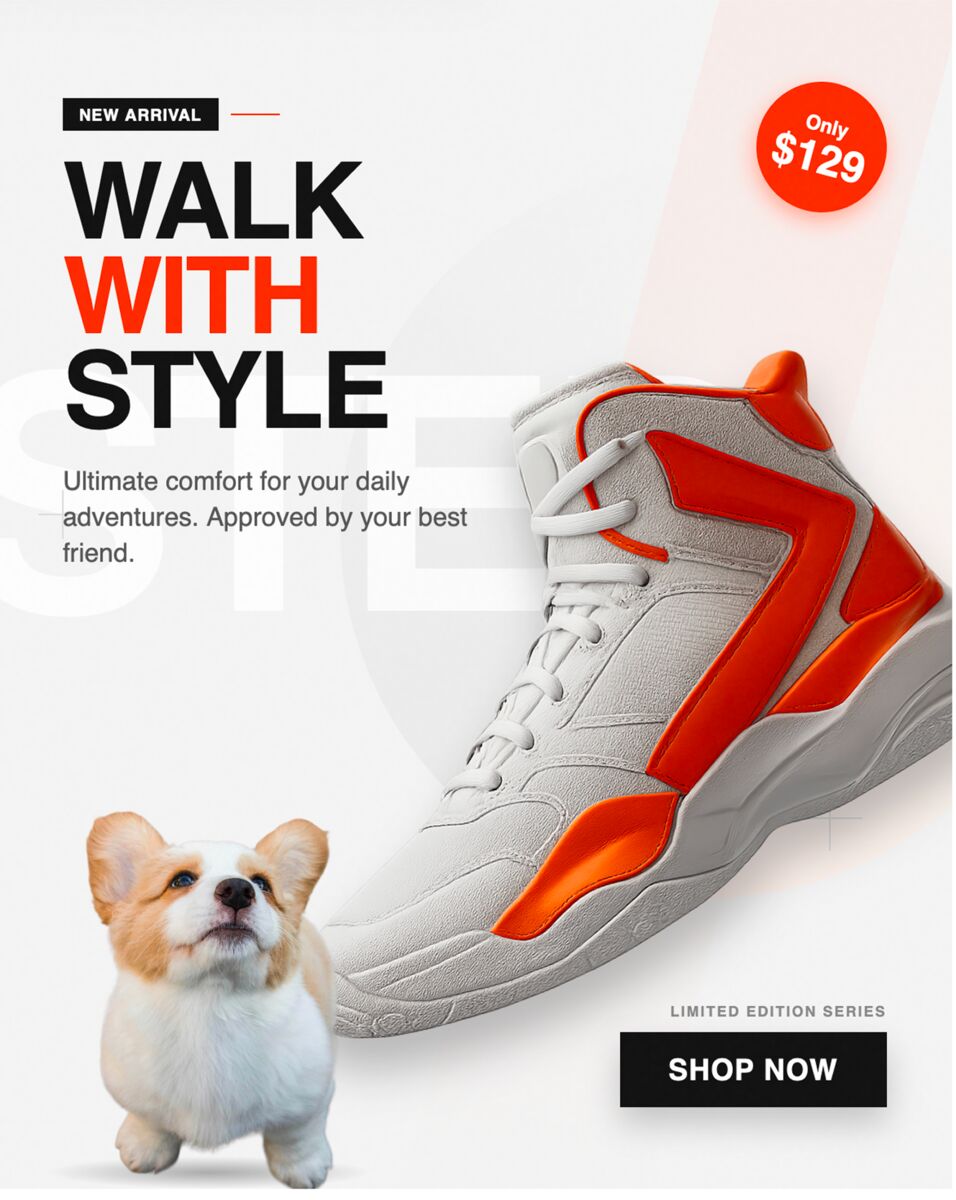
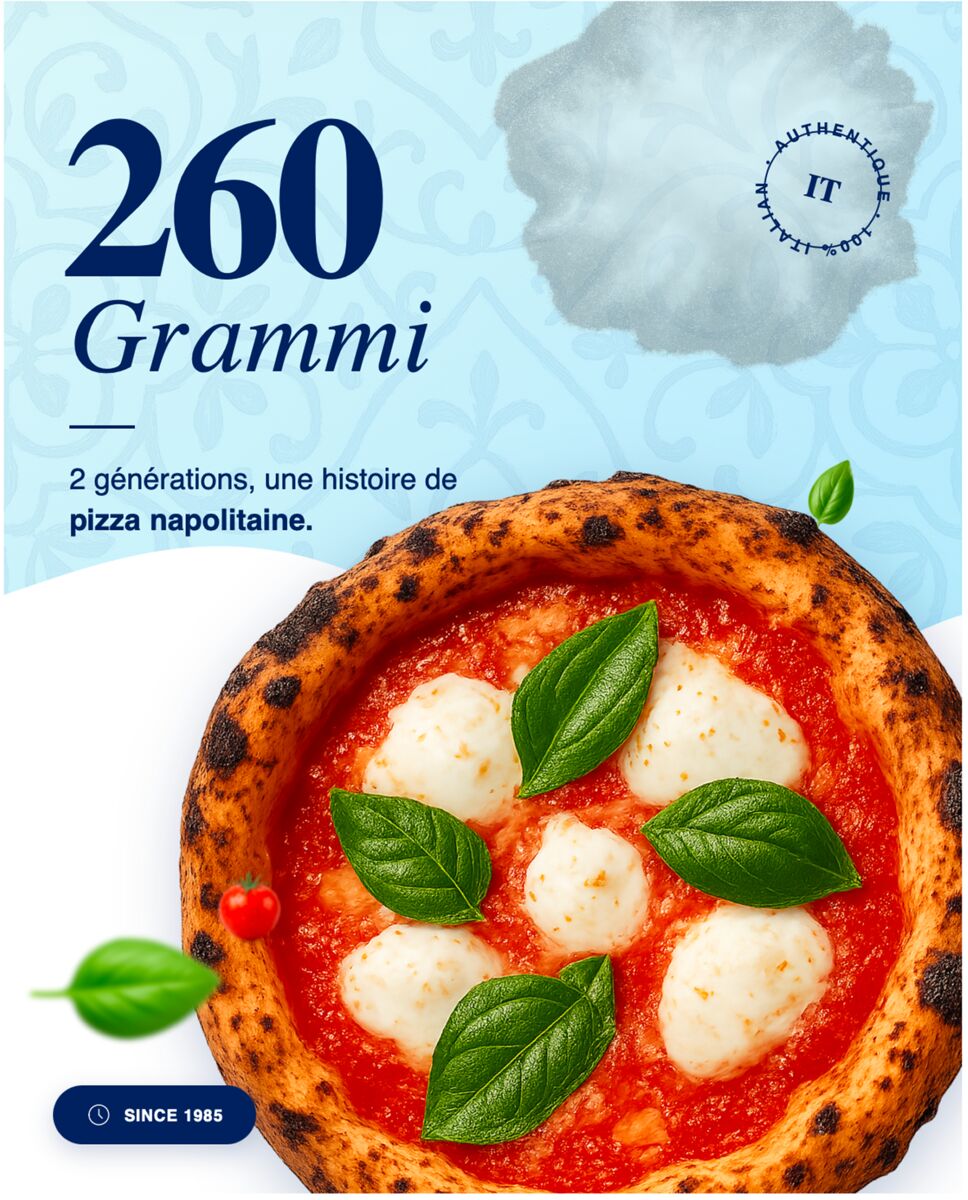
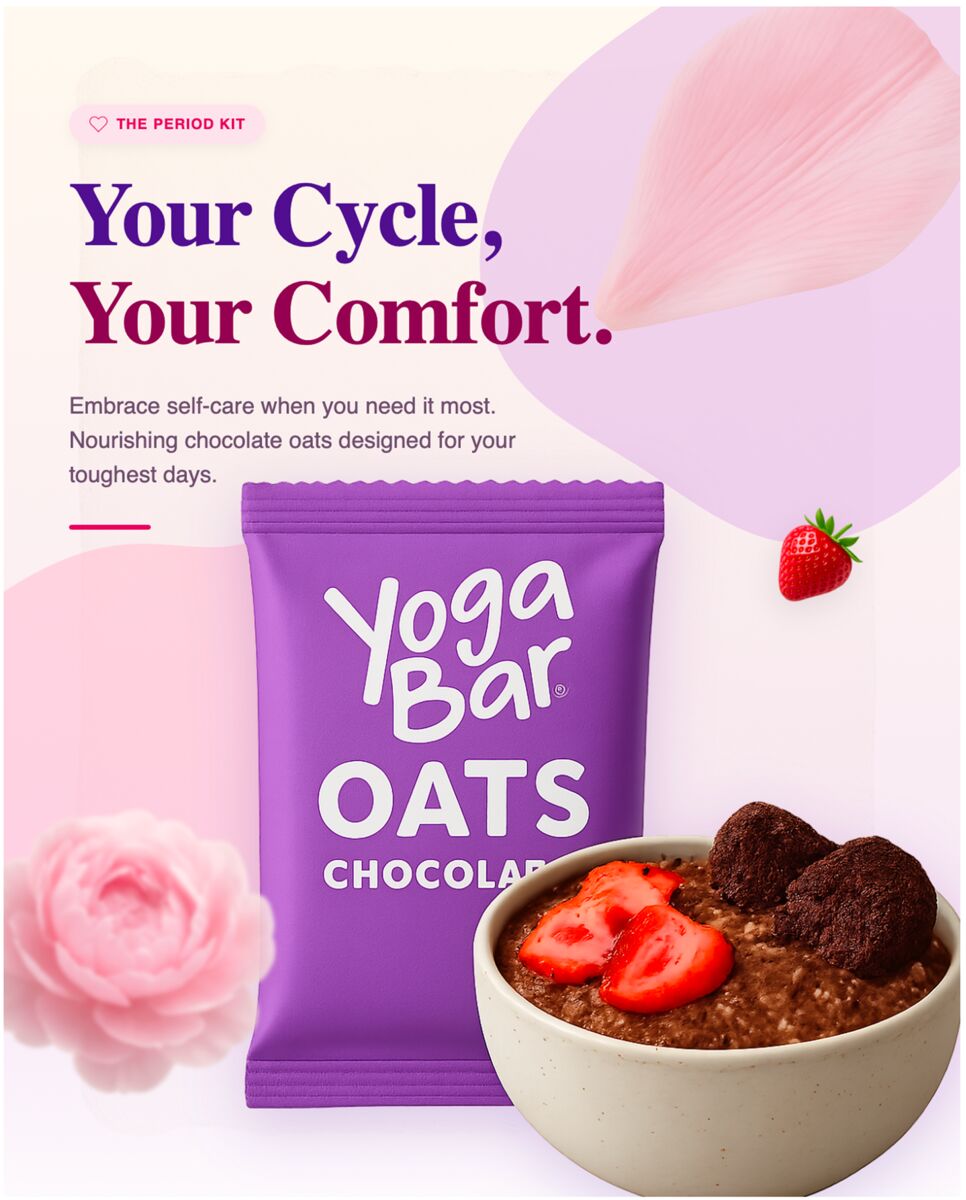
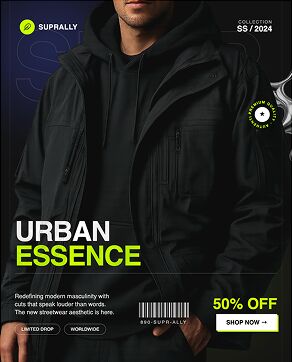
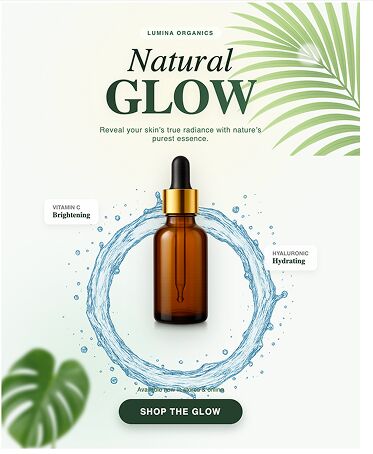
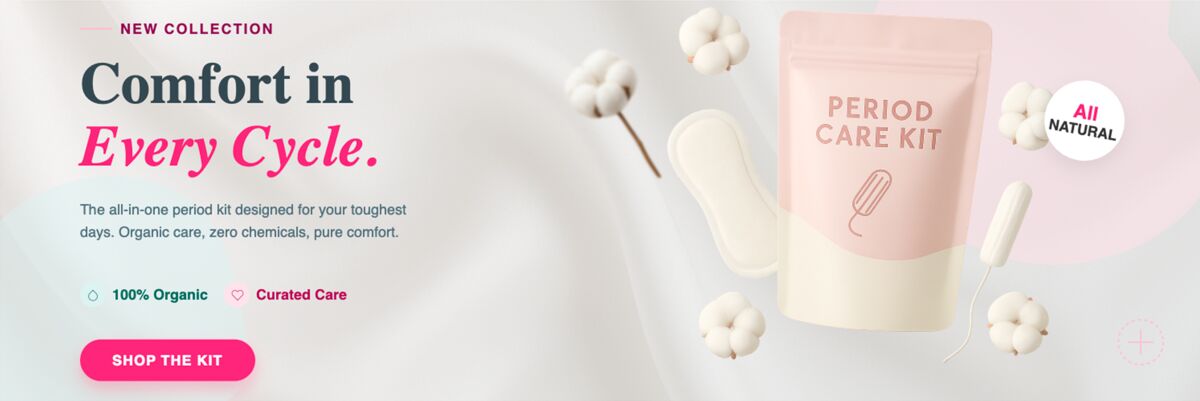
Prompt DesignLumo with a detailed brief (e.g., "modern SaaS hero, teal accent, 3‑column layout, CTA button, placeholder user avatar") and generate a fully layered PSD/AI file in under 30 seconds. Export the layers, replace placeholder text with the client’s copy, and apply brand colors via the Brand Kit. Track time saved: average 3‑hour manual mockup drops to <5 minutes, delivering a 95% reduction in design labor. Use the generated file directly in Figma for collaborative tweaks, ensuring the final asset stays editable throughout the project.
Curated Placeholder Graphics via Midjourney + Unsplash
Run Midjourney with prompts like "high‑resolution abstract tech background 1920x1080" to create unique placeholders, then batch download royalty‑free alternatives from Unsplash using its API (limit 30 requests/hour). Store both sets in a shared Google Drive folder named "Placeholders_v1" and tag each with usage rights. Measure impact by logging the number of placeholder swaps after client feedback—aim for <2 swaps per project, cutting re‑work time by ~1.5 hours per site.
Interactive Wireframe Prototypes in Figma
Create low‑fidelity frames in Figma using the "Wireframe" UI kit, then link them with the Prototyping tab to simulate navigation. Add a hidden overlay that swaps placeholder images with the DesignLumo hero mockup for a realistic preview. Export a shareable link and set view permissions for the client. Track engagement via Figma's analytics (views, comments) and aim for >80% client interaction before moving to high‑fidelity design, ensuring early buy‑in and fewer revision cycles.
2. Client Presentation & Approval
Live Clickable Decks with Pitch.com
Import the Figma prototype into Pitch.com using its "Import from Figma" integration. Enable click‑through links for each hero, feature section, and CTA. Add a brief video walkthrough recorded in Loom (embed within the deck) to explain design rationale. Set a deadline for feedback (48 hours) and use Pitch’s built‑in comment threads to capture approvals. Monitor the comment count; a target of <10 comments indicates clear communication and reduces revision time by ~30%.
Automated PDF Export with Canva Brand Kit Sync
Sync your agency’s brand palette and fonts to Canva’s Brand Kit, then duplicate a pre‑built "Campaign Presentation" template. Drag the DesignLumo hero layers into the canvas, replace text placeholders, and let Canva auto‑generate a PDF with bleed settings for print‑ready assets. Use Zapier to trigger the export when a Figma file is marked "Ready for Review," delivering the PDF to the client’s inbox within 2 minutes. Measure success by the reduction of manual export steps (average 5 min saved per project).
Version Control & Feedback Loop via Notion + Loom
Create a Notion project page with a table that logs each design version, associated DesignLumo file link, and a Loom video note explaining updates. Require the client to add a status tag (Approved, Needs Revision, Pending) for each row. Automate a Slack reminder if any row stays "Pending" for >24 hours using Notion’s API and Zapier. Track the average approval cycle; aim for <3 days from first presentation to final sign‑off, cutting project timelines by up to 20%.
3. Development Handoff & Implementation
Exportable Design Tokens from DesignLumo to CSS Variables
Within DesignLumo, enable the "Export Tokens" feature to generate a JSON file containing colors, font sizes, spacing, and shadows. Run a Node script (design-token-cli) that converts the JSON into a SCSS partial and a CSS custom‑properties file. Commit these files to the repo’s "design-system" folder and reference them in the main stylesheet. Validate token usage with Stylelint; enforce 100% token compliance before merge. This reduces UI inconsistencies by 85% and cuts front‑end styling time by ~2 hours per site.
Component Library Sync with Storybook & GitHub Actions
Map each DesignLumo layer group (e.g., "Navbar", "FeatureCard") to a React component stub generated via Plop.js. Publish the components to Storybook and configure a GitHub Action that runs on every push to "main": it pulls the latest DesignLumo export, updates component props, and redeploys Storybook to Netlify. Track build times; aim for <5 min CI cycles. This creates a single source of truth for design and code, slashing re‑implementation bugs by 70% and accelerating dev sprints.
Performance Asset Optimization with ImageOptim & Squoosh
After exporting final hero images from DesignLumo, pipe them through ImageOptim (CLI) to strip metadata and apply lossless compression. Then run Squoosh's WebP conversion with a target quality of 78% (optimal balance of visual fidelity vs size). Automate the pipeline using an npm script that outputs both JPEG/PNG fallback and WebP versions, updating the HTML <picture> tag accordingly. Benchmark page load with Lighthouse; target a >90 % score on Largest Contentful Paint, which correlates with a 15% increase in conversion rates for landing pages.
4. Post‑Launch Monitoring & Optimization
Heatmap Integration via Hotjar + DesignLumo Overlay
Install Hotjar on the newly launched site and create a heatmap for the hero section. Export the heatmap image and overlay it onto the original DesignLumo hero mockup using Photoshop's blend mode "Screen" to visualize click density against design intent. Identify low‑engagement zones and iterate the CTA placement directly in DesignLumo, then push the updated assets to production. Aim for a 10% lift in CTA click‑through rate within two weeks, quantifiable via Hotjar analytics.
A/B Test Variants with Google Optimize & DesignLumo
Generate two hero variants in DesignLumo: one with a static image, another with an animated SVG background. Export both as separate assets and implement them as Google Optimize experiments using the "Redirect" method. Set the experiment to run for at least 1,000 unique visitors or 7 days, whichever comes first. Track conversion lift; a 5% improvement justifies the design change and can be billed as a performance upsell to the client.
Monthly Design Refresh Sprint Using Notion Roadmap
Create a Notion board titled "Monthly Refresh" with columns for "Audit", "Concept", "Prototype", and "Deploy". Pull data from Google Analytics (bounce rate >70% on landing page) to prioritize sections needing visual refresh. Use DesignLumo to produce updated hero graphics in under 15 minutes, then schedule a quick client review via Loom. Measure impact by tracking month‑over‑month lift in time on page; target a 12% increase, which correlates with higher lead quality and higher retainer renewal rates.
Before you go
- Standardize prompt structures for DesignLumo (style, color, layout) to cut generation time by 80% across projects.
- Leverage Zapier to auto‑move approved assets from Pitch.com to your Git repo, eliminating manual downloads.
- Maintain a master "Brand Kit" file in DesignLumo that syncs to Figma, Canva, and Storybook to ensure visual consistency.






Ready to create your first design?
Join thousands creating professional designs in seconds.
Create with DesignLumo
Related Resources
Ultimate Event Poster Design Guide for Agencies
Step-by-step tactics to craft high‑impact event posters that win clients.
Winning Design Content Ideas for Web Agencies
Actionable design content ideas to boost agency pitches, speed development, and win clients.
Essential Digital Tools for Agency Growth
Powerful, tactical tools to speed mockups, assets, and workflow for web design agencies.
LinkedIn Toolkit for Web Design Agencies
Tactical LinkedIn assets to win clients, showcase work, and hire talent.
Winning Pitch Deck Blueprint for Agencies
Step‑by‑step slide design system that boosts agency win rates.
Email Header Design Guide for Agencies
Tactical steps to craft high‑converting email hero graphics fast.