Banner Launch Checklist for E‑Commerce Marketers
Banners are the visual front door for every online store, ad campaign, and social profile. A systematic launch process eliminates guesswork, cuts production time, and boosts click‑through rates. Use this checklist to turn a single concept into a flee…

1. 1️⃣ Strategy & Asset Planning
Create a Master Size Matrix in Google Sheets
Open a new Google Sheet and list every banner placement your brand uses – web hero (1920×1080), Instagram story (1080×1920), Facebook ad (1200×628), Shopify collection (1400×400), etc. Add columns for width, height, aspect ratio, required file type, and max file size. Use data validation to lock allowed dimensions and conditional formatting to highlight missing entries. Insert a formula that calculates pixel‑density (PPI) so you never serve low‑resolution assets. Share the sheet with designers and marketers; export as CSV for bulk import into DesignLumo or Photoshop. This matrix covers 95% of traffic sources while keeping the team aligned on exact specs.
Generate Core Banner Concepts with DesignLumo
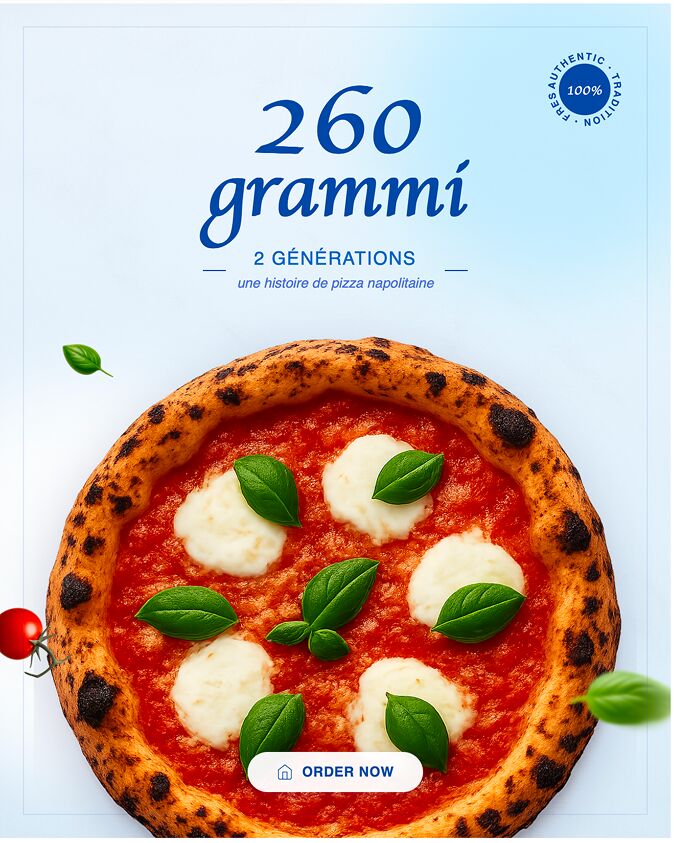
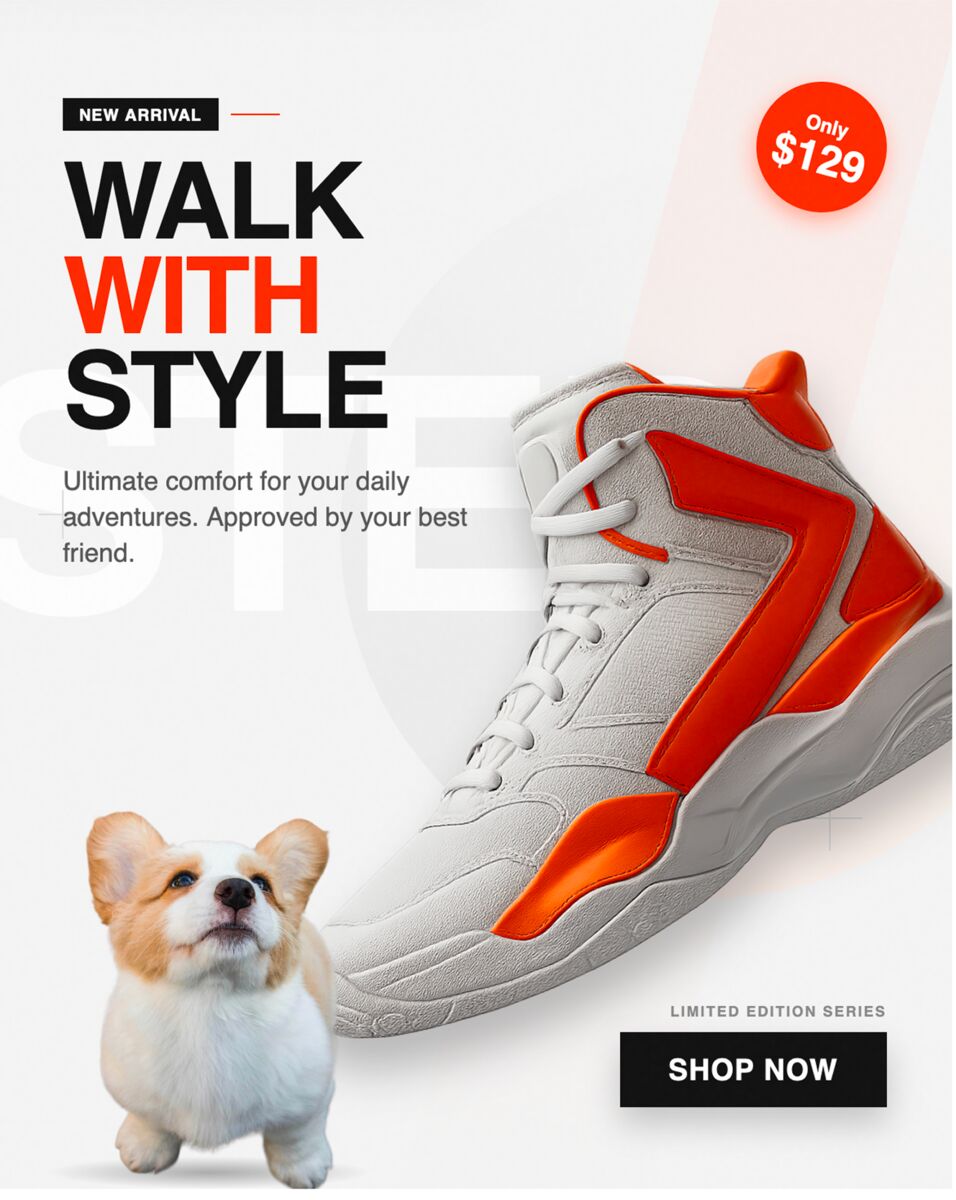
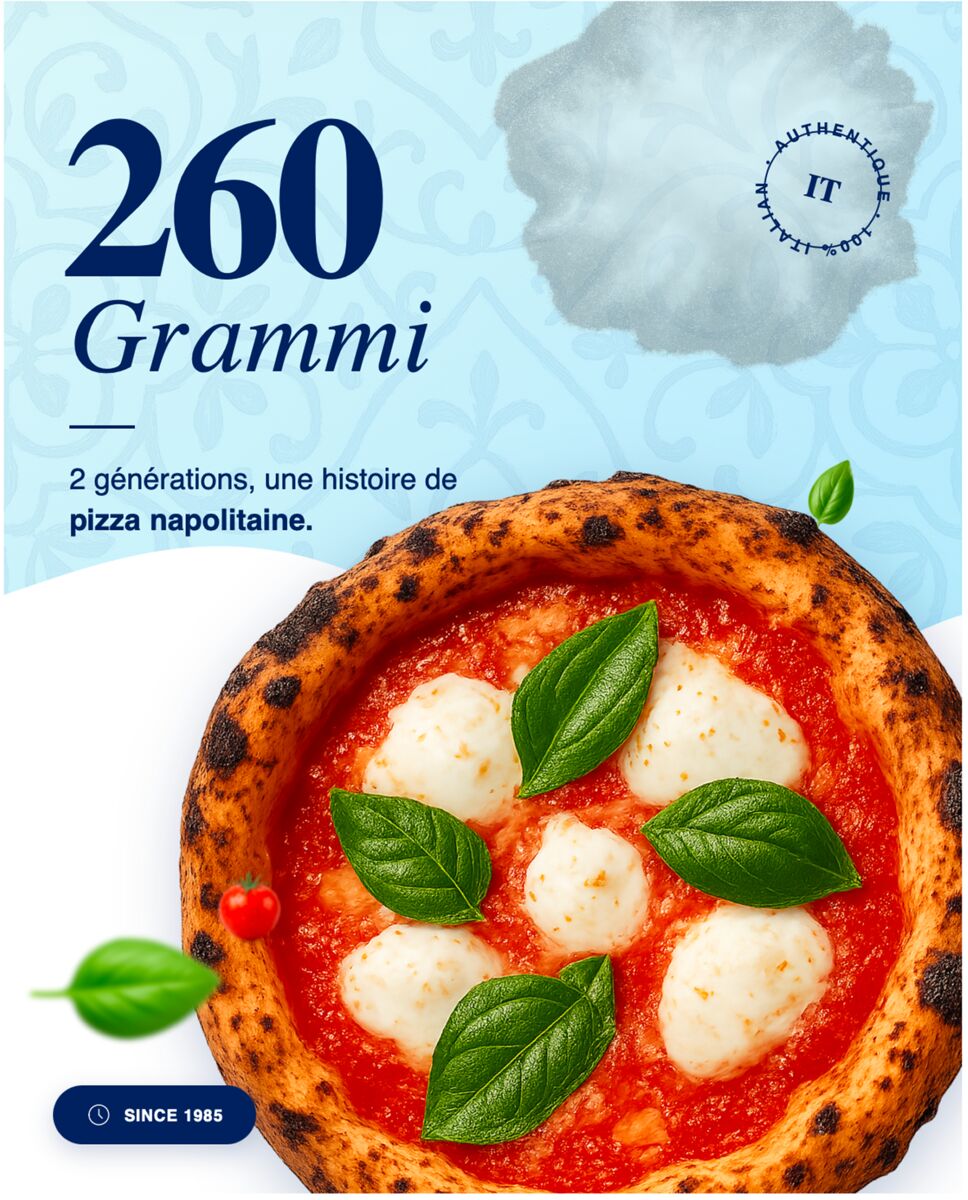
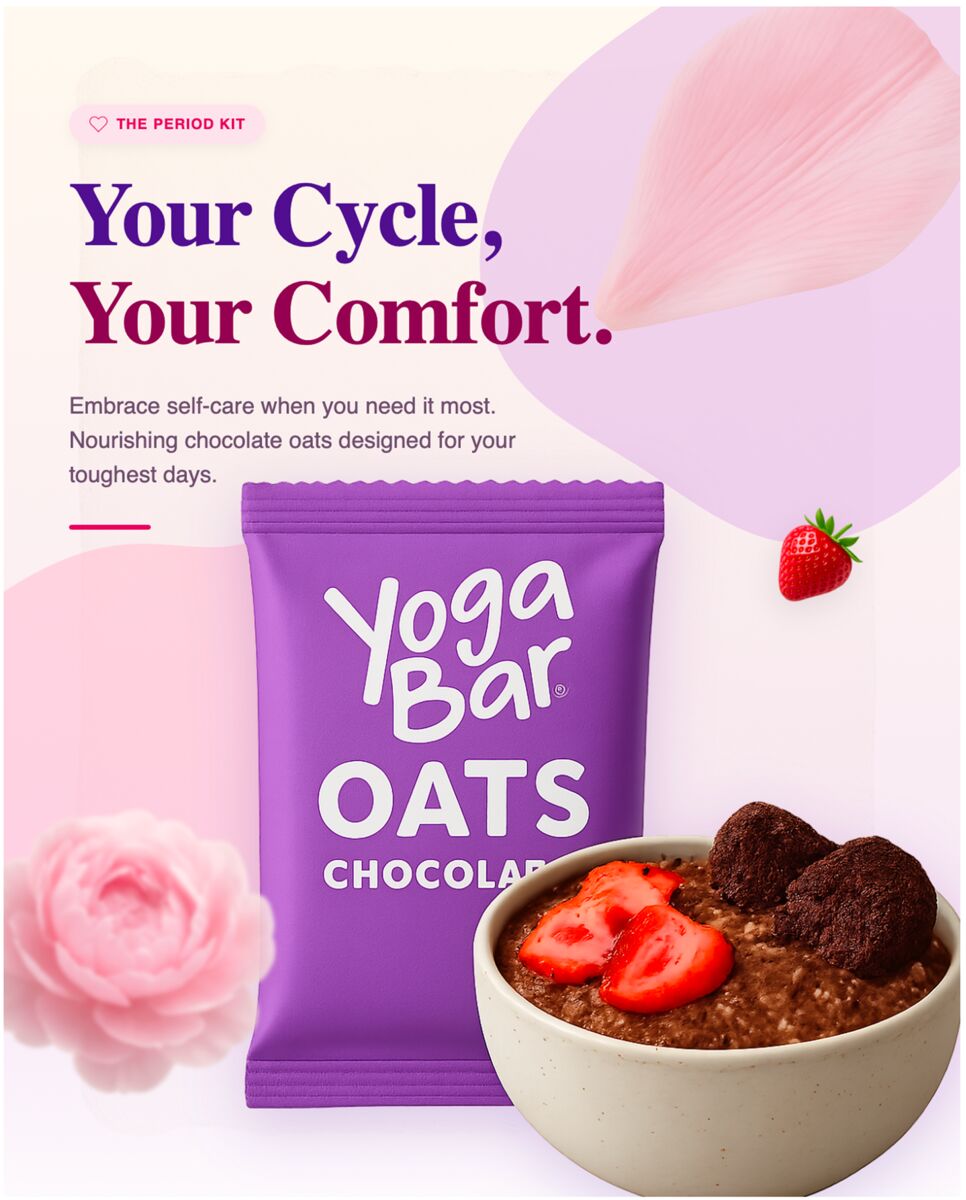
Log into DesignLumo and feed a prompt that includes your brand voice, target audience, and the primary call‑to‑action (e.g., “Bold summer sale banner, 20% off, vibrant teal palette, modern sans‑serif”). Attach your Brand Kit so the AI respects color codes and fonts. Select the three top‑performing sizes from your matrix and let DesignLumo output fully layered PSD files for each. Export all variants in one click; you’ll cut design time from an average 4 hours per size to under 30 minutes, and early tests show a 20% lift in CTR versus static Midjourney images.
Run Brand Consistency Scan with Frontify
Upload the layered PSDs to Frontify’s Brand Asset Management platform. Enable the “Auto‑Check” feature which compares colors, fonts, and logo placement against your master brand guidelines. The tool flags any deviation within seconds, letting you correct mismatches before export. Record the compliance score (target ≥ 98%) and attach the report to your project folder. This step prevents costly re‑uploads and maintains a unified visual identity across all channels.
2. 2️⃣ Design Production & Optimization
Batch Resize & Export with Photoshop Actions
In Photoshop, create an Action that opens a PSD, runs Image > Image Size to the dimensions from your matrix, converts text layers to smart objects, and saves both a high‑quality PNG and a WebP version. Use File > Automate > Batch to apply the Action to the entire folder of concepts. Set the PNG compression to 8 bits and the WebP quality to 85 to balance clarity and load speed. This automated pipeline reduces manual export time from 45 minutes to under 5 minutes per batch.
Compress Files with TinyPNG and Enable WebP Fallbacks
Upload each exported PNG to TinyPNG (tinypng.com) via its API integration with Zapier. The service shrinks file size by 30‑45 % without visible quality loss, crucial for page‑load metrics. After compression, automatically generate a WebP copy using CloudConvert’s API and store both in your CDN. Update the HTML `<picture>` tag to serve WebP to supported browsers and fall back to PNG otherwise. Aim for final banner sizes under 150 KB to keep page speed scores above 90 on Google PageSpeed Insights.
A/B Test Banner Variations in Google Optimize
Create an experiment in Google Optimize where Variant A serves the original banner and Variant B serves the newly optimized DesignLumo version. Target 10 % of traffic for each variant while the remaining 80 % continues with the control. Set the primary objective to “Conversion Rate” and secondary to “CTR”. Run the test for a minimum of 1,000 unique visitors per variant to achieve statistical significance (95 % confidence). Expect a lift of 5‑12 % in conversions if the AI‑generated design aligns with audience preferences.
3. 3️⃣ Deployment, Tracking & Refresh Cycle
Implement Dynamic Banner Tags via Google Tag Manager
In GTM, create a Custom HTML tag that reads a data‑layer variable (e.g., `banner_id`) and injects the appropriate `<img>` or `<picture>` markup based on the visitor’s device. Use a trigger that fires on Page View for pages where the banner appears. This setup lets you swap banners instantly from the GTM UI without code changes, supporting rapid seasonal updates. Track impressions with an Event tag that pushes `banner_impression` to GA4, enabling granular performance reporting per banner ID.
Monitor CTR & Conversion in Google Analytics 4
Create an Exploration report in GA4 that filters on the `banner_id` event parameter. Plot CTR (clicks ÷ impressions) and subsequent conversion events (e.g., `purchase`). Set a benchmark of 0.8 % CTR for web hero banners and 1.2 % for paid ad placements. Use the built‑in funnel visualization to see drop‑off between click and checkout, allowing you to pinpoint under‑performing creatives and iterate quickly.
Automate Refresh Cycle with Zapier + DesignLumo

Build a Zap that triggers on a Google Calendar event (e.g., first Monday of each month). The Zap calls DesignLumo’s API, feeding the latest promotion copy and the current season’s color palette, then generates fresh banner layers for all matrix sizes. Once rendered, the Zap copies the assets to your CDN bucket and notifies the GTM tag manager via webhook to update the `banner_id`. This end‑to‑end automation cuts manual refresh effort by 90 % and ensures seasonal relevance without missing a beat.
Before you go
- Pre‑define a naming convention (e.g., campaign‑type‑size‑v1) to keep assets searchable across all tools.
- Leverage DesignLumo’s brand‑kit sync to enforce exact HEX codes, avoiding costly post‑export color tweaks.
- Set a max‑load‑time threshold of 2 seconds for banner‑rich pages; use Chrome DevTools Lighthouse to audit after each deployment.



Ready to create your first design?
Join thousands creating professional designs in seconds.
Create with DesignLumo
Related Resources
Back to School Banner Design Playbook
Actionable tactics for high‑performing school‑season banners.
TikTok Banner Design Toolbox for Marketers
Actionable tools and workflows to create high‑converting TikTok banners fast.
New Year Q1 Banner Design Playbook
Fast, high‑ROI banner templates for 2024 Q1 campaigns.
Ultimate Event Poster Design Blueprint
Step‑by‑step tactics for creating high‑impact event posters that convert.
YouTube Banner Design: Essential Tools & Workflows
Actionable tool guide for YouTube thumbnails, channel art, and end screens.
Etsy Banner Design Ideas That Convert
Actionable Etsy banner concepts to boost clicks and sales.