Built for Performance Marketing

AI Design Trends 2026 for Marketing Workflows

Apply 2026 AI design trends to real campaign workflows with repeatable prompt systems and faster multi-channel production.

  • Editable generation instead of static image outputs
  • Prompt templates by campaign type and funnel stage
  • Variant production for each paid and organic channel
  • Faster review loops across creative and performance teams
AI design trends 2026 marketing examples

Workflow Highlights

A simple 3-step flow to plan, generate, and ship campaign-ready designs.

  1. 01Step 1

    Document top campaign goals and audience segments

  2. 02Step 2

    Create prompt templates for each recurring campaign type

  3. 03Step 3

    Generate and review variants in small fast batches
Trusted by marketers and creators at

Create, refine, and publish faster

A repeatable AI design workflow for niche campaigns

Simply chat your idea

Describe what you want in plain language.

  • Natural prompt input
  • Fast first output
  • Built for quick starts
AI prompt input box showing a marketing design request

Get editable designs

Receive editable outputs, refine quickly, and export.

  • 100% layered design
  • Ask AI for changes
  • Export when ready
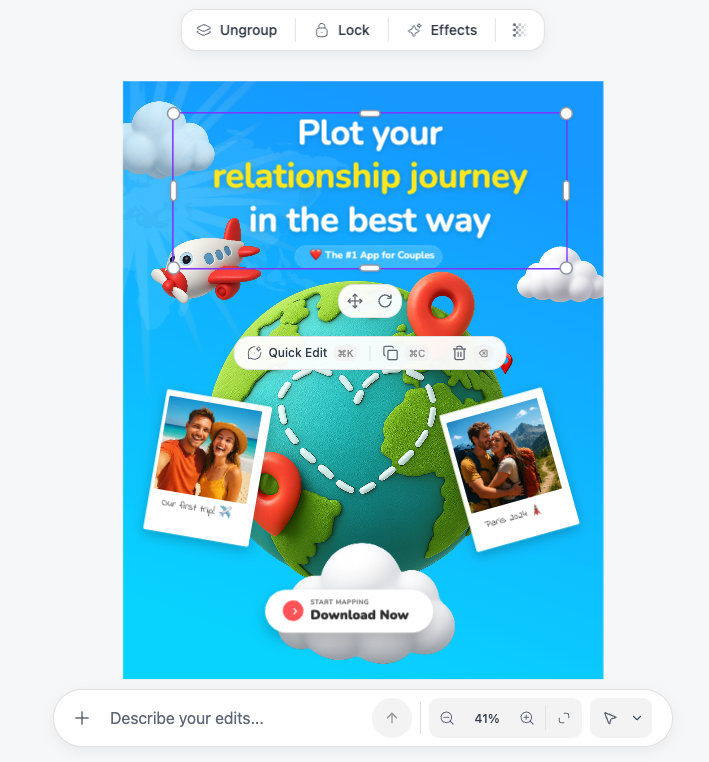
AI-generated editable poster results with multiple layout options
That's it. Just simple as that.
YouaskDesignlumocreateseditabledesigns.
Thentweakandexport

Conversion-focused creative pipeline

Ship more campaign assets with less manual design overhead

Paste Any URL

Stripe logoBrand Kit Extracted
+

Your Next Ideas

Describe your poster idea
Suggestions based on your usage
Happy New Year 2026 Celebration Banner
Minimalist 'Hello 2026' Red Bull Poster
New Year Fitness Gym Promotion Poster

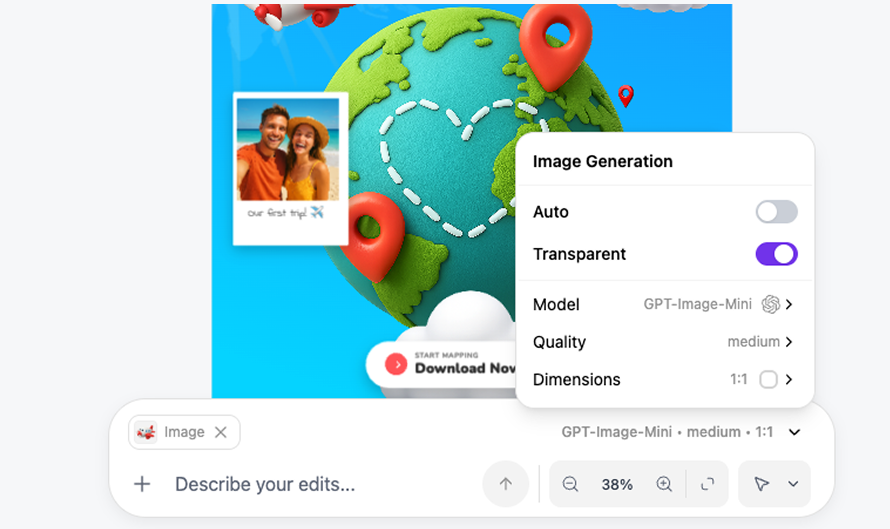
AI Image Editing

Edit images with AI controls

Upload Images

Product photo upload
+

Ask Changes

Ask for changes feature preview

Fully Editable

Any Size

SVG Exports

Brand Kit

Use-case guide

AI design trends in 2026 are less about novelty and more about operational consistency. Marketing teams that systematize prompting, reviews, and variant production are outperforming teams that treat AI as a one-off drafting tool.

AI design trends 2026: what actually impacts output

  • Editable generation instead of static image outputs
  • Prompt templates by campaign type and funnel stage
  • Variant production for each paid and organic channel
  • Faster review loops across creative and performance teams
  • Reusable design systems for recurring launches

Generated design examples

How growth teams should execute

  1. Document top campaign goals and audience segments
  2. Create prompt templates for each recurring campaign type
  3. Generate and review variants in small fast batches

  4. Publish by channel with clear naming and tracking
  5. Refresh prompts weekly with performance learnings

Internal rollout path

Teams usually start in /create/ai-marketing-design, then use /create/ad-creative-maker and /create/pinterest-pin-maker to scale channel-specific outputs quickly.

How to operationalize trends in one quarter

In the first month, standardize prompts for your highest-value campaign types. In the second month, define approval and QA rules for each channel. In the third month, run continuous optimization based on conversion and retention data. This phased model keeps teams focused on measurable workflow improvement instead of chasing isolated design experiments.

Execution risks and mitigations

  • Risk: inconsistent prompts across teammates. Mitigation: shared prompt library.
  • Risk: overproduction without performance tracking. Mitigation: weekly KPI review.
  • Risk: style drift across channels. Mitigation: fixed brand guardrails in prompts.
  • Risk: slow approvals. Mitigation: predefined review checklists and owners.
  • Risk: duplicate creative concepts. Mitigation: campaign naming and variant mapping.

When this operating model is documented and owned by both creative and growth stakeholders, teams can increase testing cadence while maintaining visual consistency. The result is higher learning velocity with fewer quality regressions between campaigns.

Generated design examples

Sample outputs created from focused prompts and quick in-editor edits.

Multi-channel campaign concept generated with AI
Core concept expanded into channel-specific layouts with shared brand direction.
AI-generated ad variation set
Rapid ad variant set designed for split-testing hooks and offers.
Lifecycle campaign banner examples
Lifecycle-ready banner variations for seasonal and retention campaigns.

Scale with predictable pricing

Start free and increase output as your niche pages grow

Save upto 30%

Starter

For occasional, light-weight usage.

$7/month

$84 billed annually (excl. tax)

Starter includes:

  • 125 AI Images with 35 final designs
  • Commercial Use
  • Editable designs
  • AI image generation
  • Background removal
  • High quality exports
  • Unlimited exports

Pro

Best for most users with daily, weekly usage.

$14.99/month

$179.88 billed annually (excl. tax)

Everything in Starter, plus:

  • 250 AI Images with 70 final designs
  • Learn from you
  • Import brand from website
  • Share URLs in chat
  • Brand Kits
  • SVG Exports
  • Access to all models
  • Higher AI generation limits
  • 30% credit rollover
  • Advanced export options

Growth

For teams scaling output and volume.

$29.99/month

$359.88 billed annually (excl. tax)

Everything in Pro, plus:

  • 500 AI Images with 150 final designs
  • Multiple brand kits
  • Access to latest features
Secure checkout
Cancel anytime
No hidden fees

FAQ

What trend matters most for campaign teams in 2026?

Editable generation with structured prompt systems is the key shift, because it improves both speed and consistency.

Are one-off prompts still effective?

They are useful for exploration, but teams get better results with prompt templates tied to campaign objectives and channels.

How can teams operationalize these trends?

Set reusable prompts, standard review checks, and a weekly iteration loop based on performance data.

Can these trends reduce creative fatigue?

Yes. Structured generation makes it easier to test new variants without rewriting every asset manually.

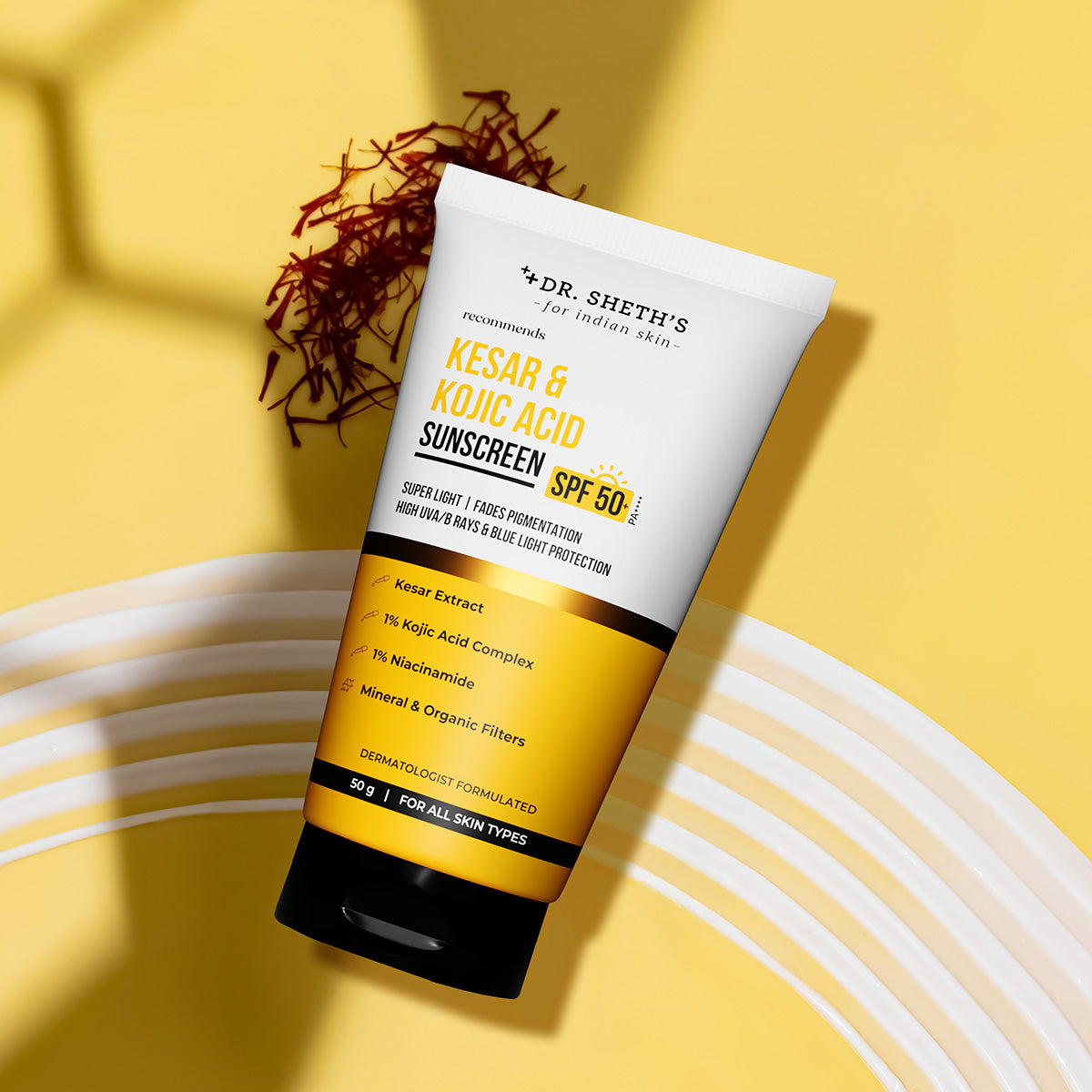
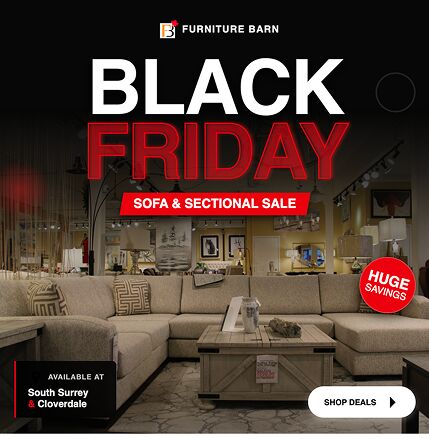
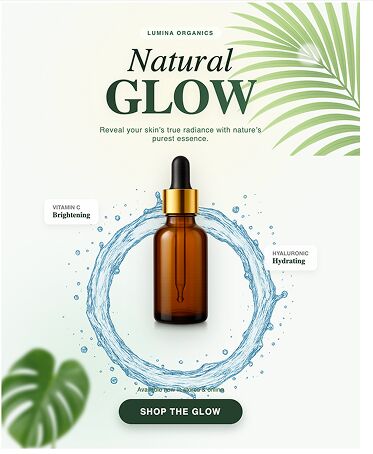
AI-generated poster and ad design example 1
AI-generated poster and ad design example 2
AI-generated poster and ad design example 3
AI-generated poster and ad design example 4
AI-generated poster and ad design example 5
AI-generated poster and ad design example 1
AI-generated poster and ad design example 2
AI-generated poster and ad design example 3
AI-generated poster and ad design example 4
AI-generated poster and ad design example 5
AI-generated poster and ad design example 1
AI-generated poster and ad design example 2
AI-generated poster and ad design example 3
AI-generated poster and ad design example 4
AI-generated poster and ad design example 5
AI-generated poster and ad design example 1
AI-generated poster and ad design example 2
AI-generated poster and ad design example 3
AI-generated poster and ad design example 4
AI-generated poster and ad design example 5
AI-generated poster and ad design example 6
AI-generated poster and ad design example 7
AI-generated poster and ad design example 8
AI-generated poster and ad design example 9
AI-generated poster and ad design example 10
AI-generated poster and ad design example 6
AI-generated poster and ad design example 7
AI-generated poster and ad design example 8
AI-generated poster and ad design example 9
AI-generated poster and ad design example 10
AI-generated poster and ad design example 6
AI-generated poster and ad design example 7
AI-generated poster and ad design example 8
AI-generated poster and ad design example 9
AI-generated poster and ad design example 10
AI-generated poster and ad design example 6
AI-generated poster and ad design example 7
AI-generated poster and ad design example 8
AI-generated poster and ad design example 9
AI-generated poster and ad design example 10
AI-generated poster and ad design example 11
AI-generated poster and ad design example 12
AI-generated poster and ad design example 13
AI-generated poster and ad design example 14
AI-generated poster and ad design example 15
AI-generated poster and ad design example 11
AI-generated poster and ad design example 12
AI-generated poster and ad design example 13
AI-generated poster and ad design example 14
AI-generated poster and ad design example 15
AI-generated poster and ad design example 11
AI-generated poster and ad design example 12
AI-generated poster and ad design example 13
AI-generated poster and ad design example 14
AI-generated poster and ad design example 15
AI-generated poster and ad design example 11
AI-generated poster and ad design example 12
AI-generated poster and ad design example 13
AI-generated poster and ad design example 14
AI-generated poster and ad design example 15

Apply AI design trends to your next campaign

Use DesignLumo to generate on-brand visuals from a simple prompt.

Try DesignLumo Free
No credit card required7-days refund guarantee