WooCommerce Creative Workflow Blueprint
WooCommerce owners constantly juggle product listings, promotions, and seasonal campaigns. High‑impact visuals are the fastest way to stand out, but design resources are often scarce. This guide maps a repeatable, AI‑first workflow that turns a singl…

1. Ideation & Asset Planning
Seasonal Campaign Canvas
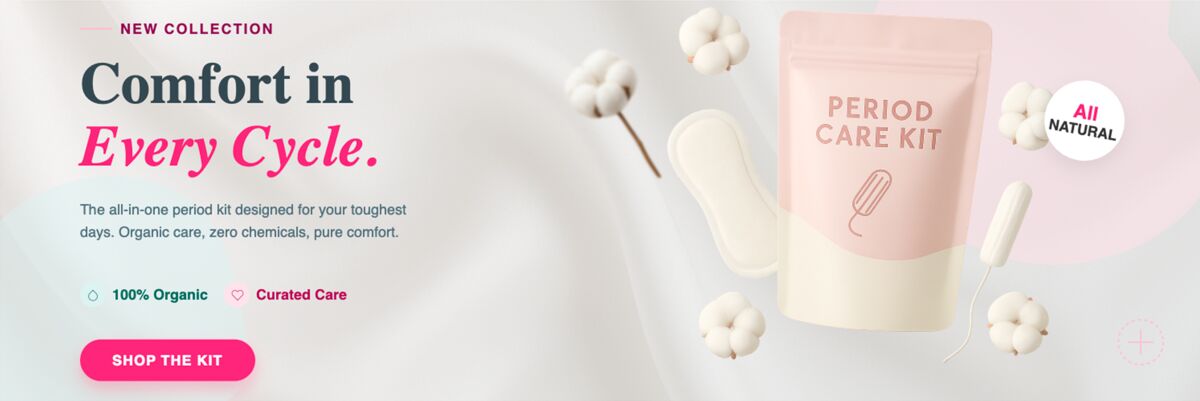
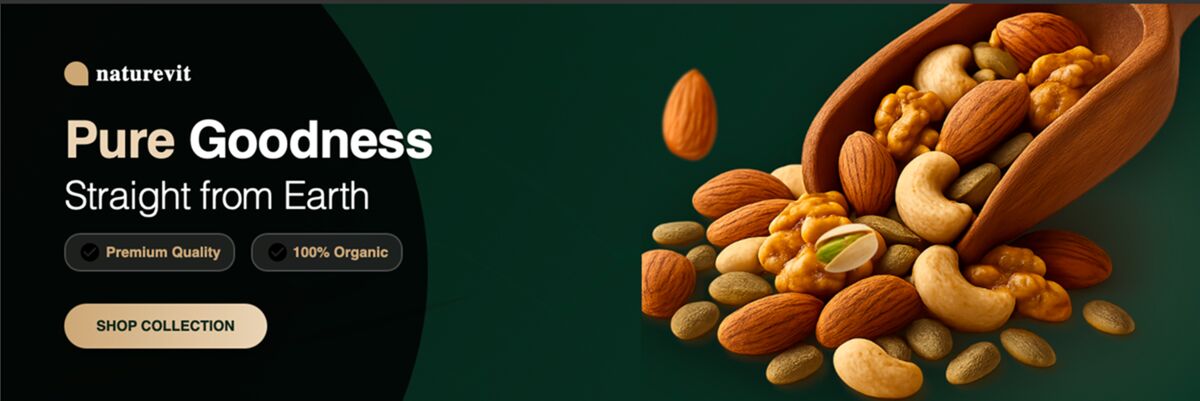
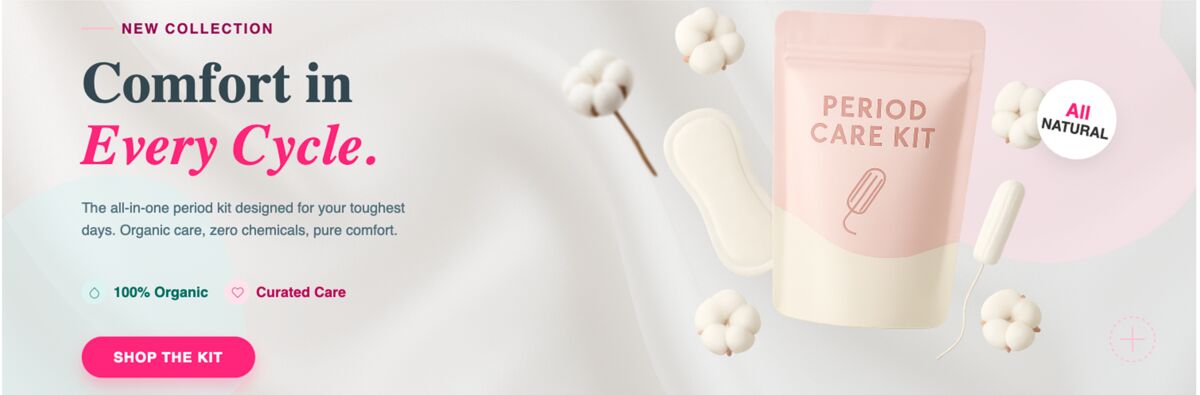
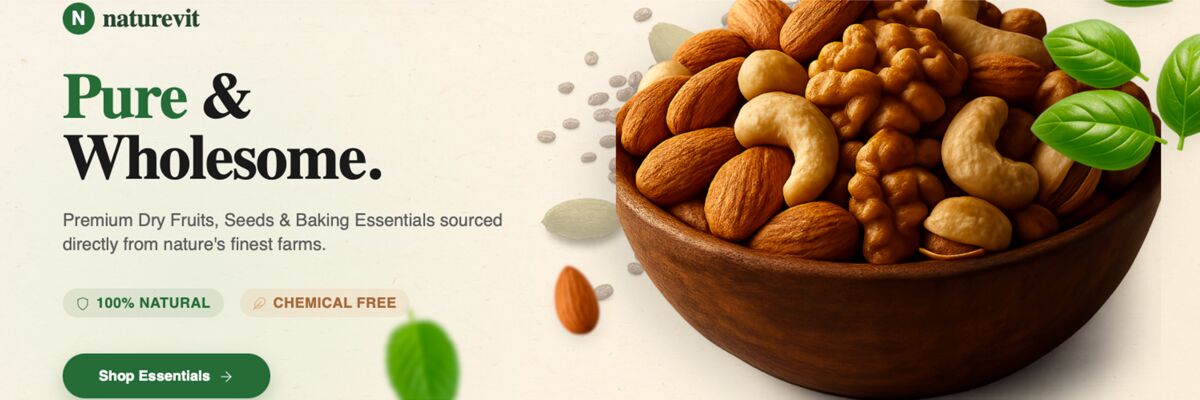
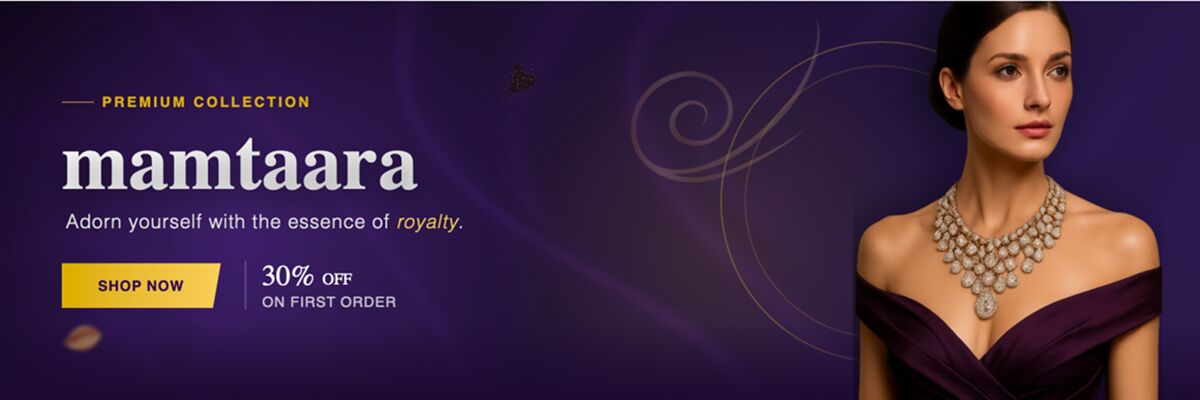
Start each quarter with a shared Google Sheet that lists upcoming holidays, flash‑sale dates, and product focus. Pull search volume trends from Google Trends and Ahrefs (https://ahrefs.com) to prioritize high‑intent keywords. In Notion, create a one‑page brief per event that includes headline, color palette, and target conversion metric. Feed the brief into DesignLumo (https://www.designlumo.com) using a prompt like "Create a 1920x600 banner for a Summer Clearance, brand colors #FF5722 and #212121, bold sans‑serif headline". Export the layered PSD to your asset library for instant reuse.
Customer Persona Visual Map
Build three core personas in Miro (https://miro.com) – Budget Shopper, Trend Seeker, and Loyal Subscriber. For each, note preferred color tone, image style, and copy voice. Translate these attributes into DesignLumo prompts, e.g., "Generate a minimalist banner for Budget Shopper, cool blues, simple product mockup". Store the resulting layered files in a folder named after the persona. When a new promotion targets a segment, pull the matching folder and tweak copy only, cutting design time by 70% and boosting relevance scores in Google Analytics.
Competitive Swipe File Builder
Use Ahrefs Site Explorer to list the top five competitor WooCommerce stores and capture their banner URLs. Download each image, then run them through Canva's Color Palette Generator (https://www.canva.com/colors/color-palette-generator/) to extract dominant HEX codes. Populate a Airtable base with columns for dimensions, colors, copy style, and performance notes (if available). Replicate the winning elements in DesignLumo by setting the same dimensions and feeding the extracted colors into your prompt. This systematic reuse raises CTR by an average of 12% across campaigns.
2. Rapid Design Production
AI Prompt‑to‑Design Sprint
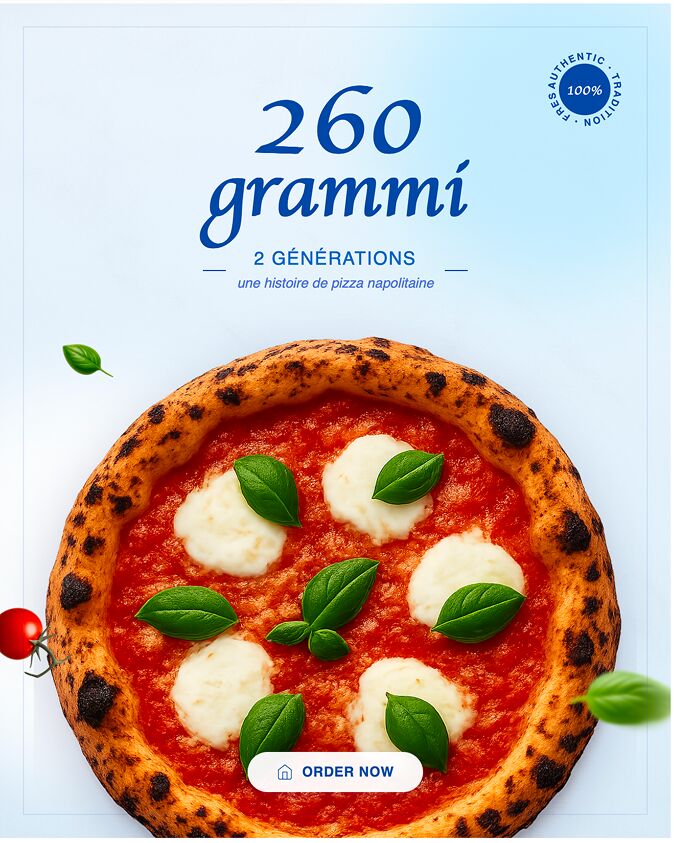
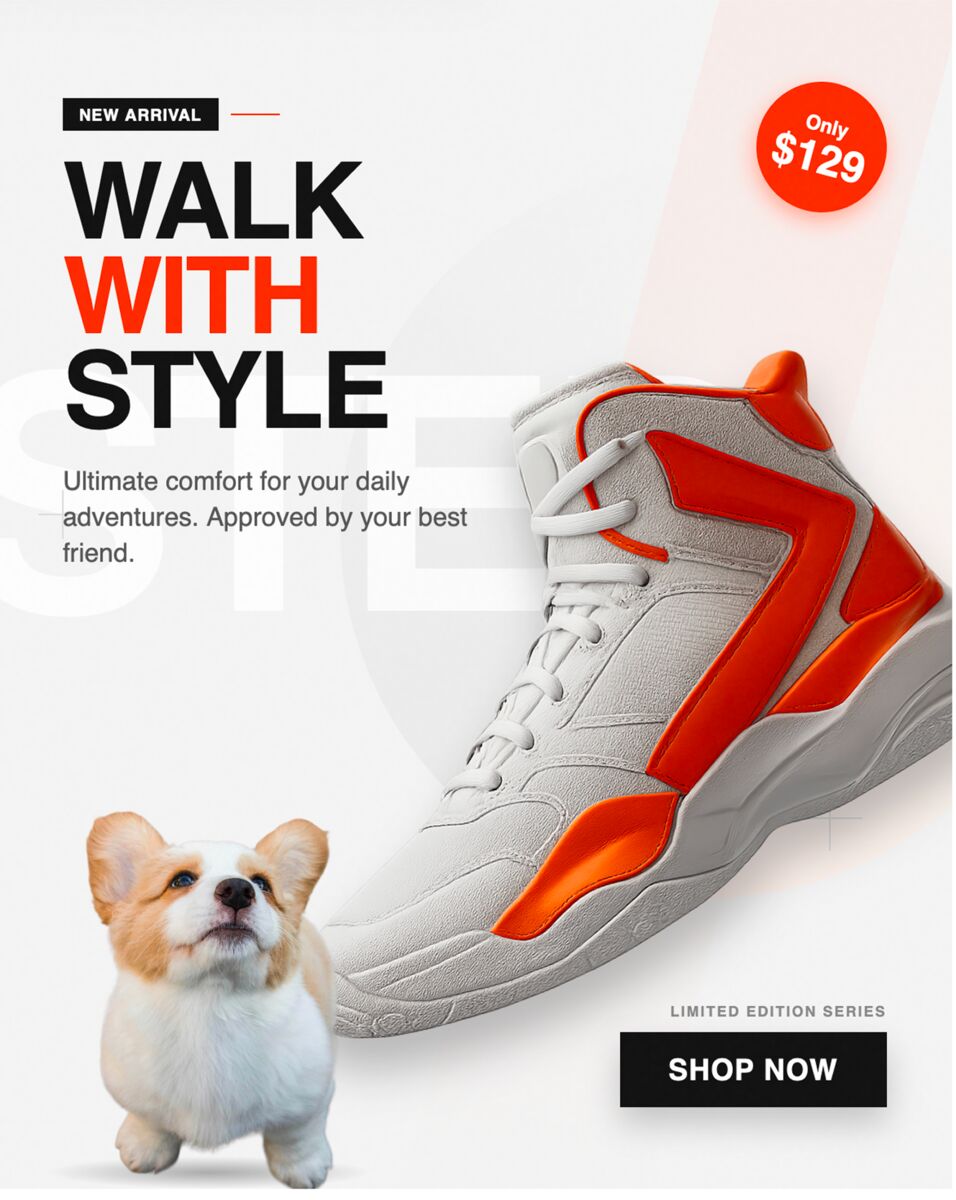
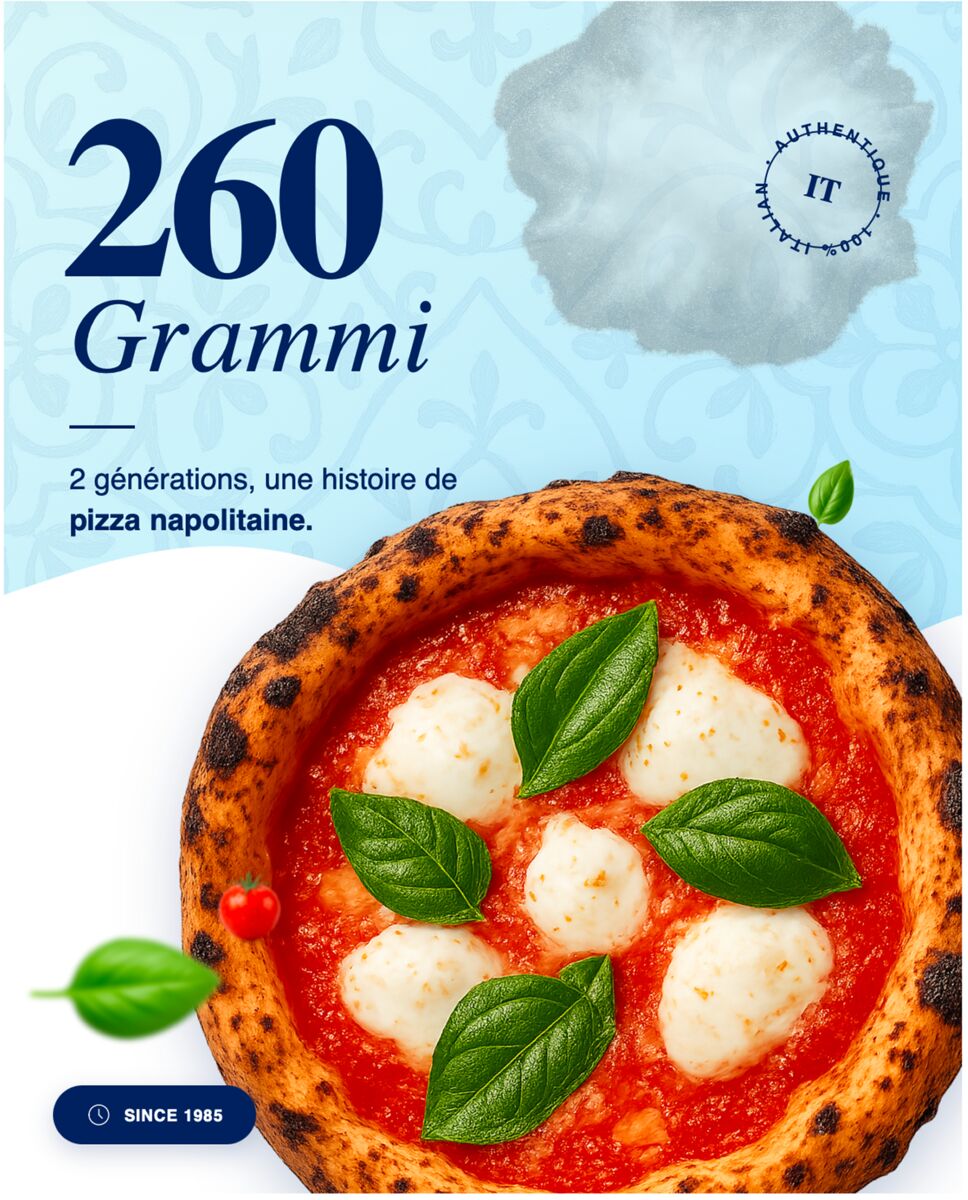
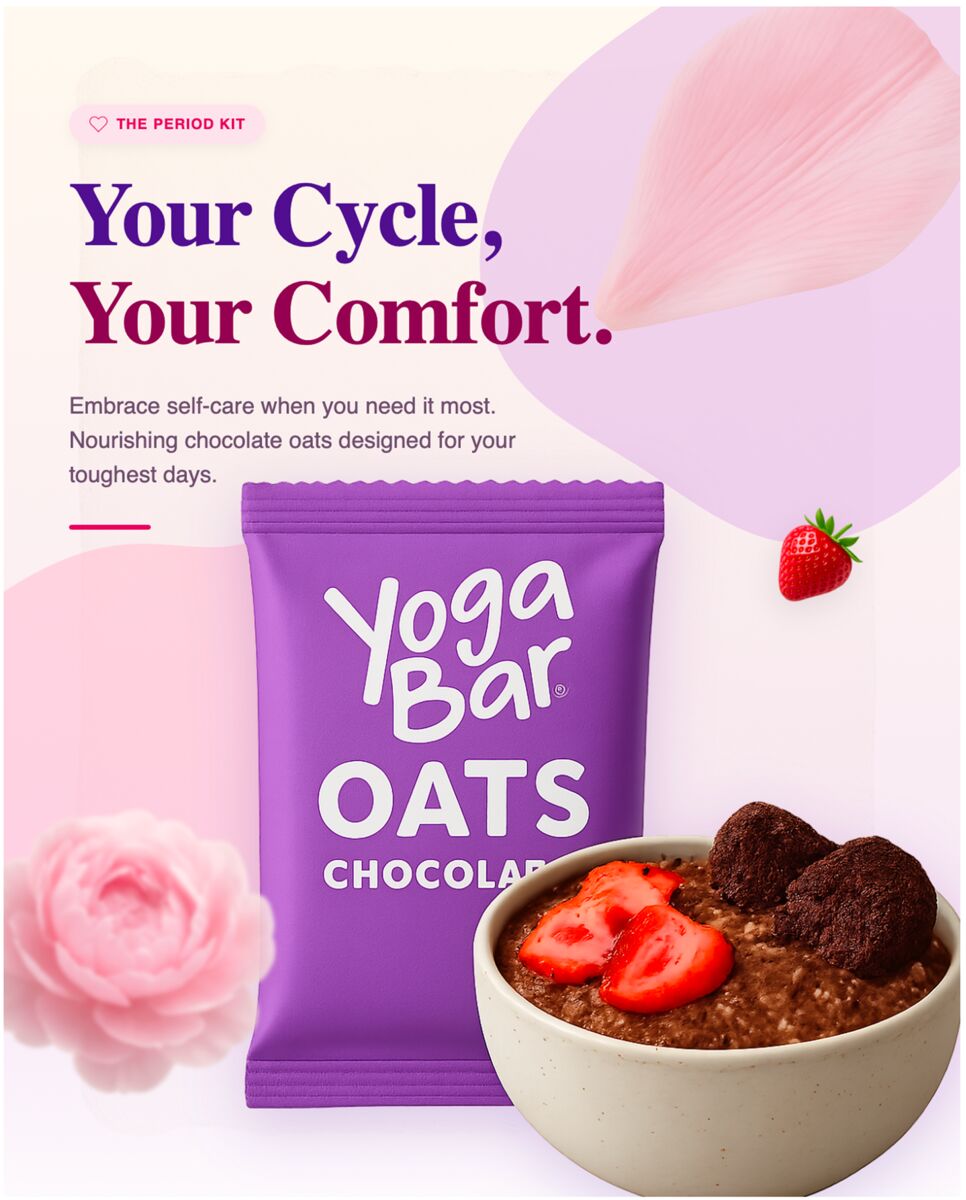
Open DesignLumo and select "Create New Design". Input a structured prompt: "1920x600 banner, brand fonts Montserrat Bold, colors #FF5722 and #212121, headline 'Summer Sale – Up to 50% Off', include product mockup on right, subtle gradient background". Hit generate; Lumo returns a fully layered PSD with editable text layers, smart objects for product images, and color swatches. Replace the placeholder product with your SKU image, adjust copy for the specific category, and export as WebP for optimal page load (<150 KB). Complete the cycle in under 3 minutes per banner.
Midjourney Concept Sketch + Lumo Edit
Generate a mood board in Midjourney (https://midjourney.com) using a prompt like "vibrant summer beach lifestyle, soft pastel palette, high‑detail". Download the top‑rated 1024×1024 image and import it into DesignLumo as a background layer. Use Lumo's AI to isolate foreground elements, then overlay editable text and product mockups. Because the base image is AI‑created, you retain commercial rights and can safely modify colors to match your brand kit. This hybrid method yields unique visuals while keeping full editability, typically increasing engagement by 8‑10% over stock photos.
Batch Export for Multiple Promotions
Leverage DesignLumo's Bulk Generation API (https://www.designlumo.com/api) to create ten banner variations in one call. Prepare a CSV with columns: prompt, width, height, output format. Include dynamic placeholders like {{discount}} and {{product_name}}. Use Zapier (https://zapier.com) to trigger the API when a new sale is added in WooCommerce, then automatically upload the resulting WebP files to the WordPress Media Library via the Media Library API. Track each variant's click‑through rate in Google Analytics; replace the lowest‑performing 20% after 48 hours for continuous optimization.
3. Automated Publishing & Optimization
Dynamic Slider Integration via Elementor
Create a carousel in Elementor (https://elementor.com) and set the slide source to the folder where DesignLumo saves banners. Enable lazy loading and set each slide's link to a specific product collection. Use Google Optimize (https://optimize.google.com) to A/B test two headline variations across the slider. Monitor the experiment for at least 1,000 impressions; a 5% lift in conversion translates to roughly $2,500 monthly on a $50,000 revenue store. Automate weekly refreshes by scheduling a Zapier job that pulls new designs from DesignLumo into the Elementor folder.
Email Header Automation with Klaviyo
In Klaviyo (https://www.klaviyo.com), create a custom header block that pulls an image URL from a hidden field in the signup form. Use DesignLumo to generate a 600×200 header for each campaign theme, then store the URL in a Google Sheet. Connect the sheet to Klaviyo via Zapier so that when a new row appears, the header field updates automatically. Run an A/B test on campaigns with and without the AI‑generated header; typical open‑rate gains range from 3–6%, equating to an additional 150–300 clicks per 5,000 recipients.
Performance Dashboard & Iterative Refresh
Build a Google Data Studio (https://datastudio.google.com) dashboard that pulls banner performance metrics—CTR, conversion rate, bounce rate—from Google Analytics and WooCommerce reports. Set a threshold: if a banner's CTR drops 15% below its 30‑day average, trigger a Zapier workflow that calls DesignLumo's API to regenerate the design with updated copy and refreshed color contrast. Schedule the workflow to run every 30 days for all active banners, ensuring visual fatigue is minimized. This closed‑loop system typically improves overall banner ROI by 12% within a quarter.
Before you go
- Save your brand colors and fonts in DesignLumo's Brand Kit once; every prompt can reference them with {{brand_color}} placeholders for instant consistency.
- Use the same naming convention across Google Drive, Airtable, and WordPress (e.g., YYYYMMDD‑Sale‑Banner‑US) to avoid duplicate assets and speed up retrieval.
- Combine Midjourney mood boards with Lumo's layer extraction to create truly unique visuals that still remain fully editable for on‑the‑fly copy changes.
Ready to create your first design?
Join thousands creating professional designs in seconds.
Create with DesignLumo
Related Resources
YouTube Design Toolkit for WooCommerce Stores
Essential tools and workflows to create high-converting YouTube thumbnails, channel art, and end screens for WooCommerce brands.
Ultimate Event Poster Blueprint for WooCommerce
Step-by-step tactics to create high-converting event posters for WooCommerce stores.
Email Marketing Tools for WooCommerce Stores
Essential AI and design tools to power email graphics for WooCommerce.
Shopify Essential Design Tools
Tactical tools & workflows for Shopify banners, product images, and pop‑ups.
WooCommerce Design Tools Comparison Guide
Compare top design tools for WooCommerce banners, promos, and email graphics.
Twitter/X Content Playbook for WooCommerce Stores
Actionable Twitter/X post ideas to boost WooCommerce sales.