Nonprofit Creative Workflow Blueprint for Maximum Impact
Nonprofits need professional visuals without blowing their budget. This guide walks you through a repeatable workflow that turns plain ideas into donation‑driving designs in minutes.

1. Ideation & Asset Generation
AI Prompt Library for Fundraising Themes
Create a living document of 30+ prompt snippets tailored to common nonprofit campaigns (e.g., emergency relief, annual gala, donor thank‑you). Use DesignLumo’s text‑to‑design engine to feed each prompt and instantly receive fully layered files with editable text, colors, and icons. Log conversion metrics in a shared spreadsheet; teams that generate five designs per hour see a 12% lift in click‑through rates. Refresh the library quarterly with seasonal language and embed the list in Notion for cross‑team access.
Free Stock Photo Curation via Unsplash API
Set up a Zapier automation that pulls the top 10 most‑liked photos for keywords like "community" or "volunteer" from Unsplash each morning. The Zap saves the images to a Google Drive folder named by month, adds Alt‑text metadata, and posts a Slack notification. When you launch a new campaign, pull the latest assets directly into DesignLumo or Canva, reducing manual search time from 30 minutes to under 2 minutes per design. Track usage frequency to prioritize high‑engagement visuals.
Impact Data Visualization Templates in Google Sheets
Build a master Google Sheet with pre‑formatted tables for key metrics (donations per month, volunteer hours, program reach). Apply the built‑in chart wizard to create bar, line, and donut charts, then use the Datawrapper add‑on to export SVGs. Import the SVGs into DesignLumo, where you can instantly swap colors to match your brand kit. This workflow cuts infographic production from 4‑6 hours to 30 minutes and yields a 9% increase in report downloads.
2. Rapid Editing & Brand Consistency
Brand Kit Sync Between DesignLumo and Canva
Upload your logo, primary palette, and typography to DesignLumo’s Brand Kit (free tier). Export the kit as a JSON file and import it into Canva’s Brand Kit to keep both platforms aligned. When a designer updates a color shade in DesignLumo, the change propagates to Canva within seconds, eliminating mismatched assets across channels. Measure consistency by auditing 10 random posts weekly; aim for 0% brand drift.
Batch Layer Editing with Figma Plugins
After generating a set of flyers in DesignLumo, export the .fig files to Figma. Install the "Batch Rename" and "Content Reel" plugins to rename layers (e.g., "Header_Text", "CTA_Button") across all files in one click. Use the "Swap Fill" plugin to apply a new accent color to every instance simultaneously. This reduces manual layer adjustments from 2‑3 minutes per file to under 15 seconds for a batch of 20, accelerating rollout for multi‑city events.
Version Control via GitHub for Design Assets
Create a private GitHub repo with Git LFS enabled for large .psd, .fig, and .lumo files. Commit each design iteration with a clear message (e.g., "v2 – updated donor tier colors"). Use GitHub Actions to generate a PDF preview on every push, automatically emailing the team. This audit trail prevents accidental overwrites and provides a rollback option, cutting re‑work time by 40% when stakeholders request last‑minute tweaks.
3. Distribution & Performance Tracking
Scheduled Social Posts with Buffer and DesignLumo Exports
Export your final graphics from DesignLumo as PNGs sized for Facebook, Instagram, and LinkedIn. Upload the files to Buffer, then set a posting schedule that aligns with peak donor activity (Wednesday 7 PM for Facebook, Thursday 9 AM for LinkedIn). Use Buffer’s analytics to compare engagement rates before and after implementing AI‑generated assets; most nonprofits see a 15‑20% lift in shares within the first month.
Email Campaign Header Automation via Mailchimp API
Write a short script (Node.js) that calls DesignLumo’s API to generate a 600 × 200 header image using campaign‑specific copy. The script then uses the Mailchimp Marketing API to upload the image to the campaign’s assets folder and update the template’s header URL. Run the script for each new fundraiser; you’ll cut header design time from 2 hours to under 5 minutes and maintain a 98% render consistency across inboxes.
A/B Testing Graphic Variants with Google Optimize
Create two versions of a donation button graphic in DesignLumo—one with a teal accent, another with orange. Deploy each variant on separate landing‑page URLs using Google Optimize’s visual editor. Set the objective to track "Donation Completed" events in Google Analytics. Run the test for at least 7 days or 1,000 sessions; most charities observe a 5‑8% increase in conversion when the button color aligns with the brand’s emotional cue.
Before you go
- Create a shared AI prompt repository in Notion; tag prompts by campaign type for instant reuse.
- Leverage DesignLumo’s commercial‑use rights to avoid licensing headaches when repurposing graphics for paid ads.
- Set up a monthly KPI dashboard in Google Data Studio that pulls engagement data from Buffer, Mailchimp, and Google Optimize to measure the true ROI of each design asset.
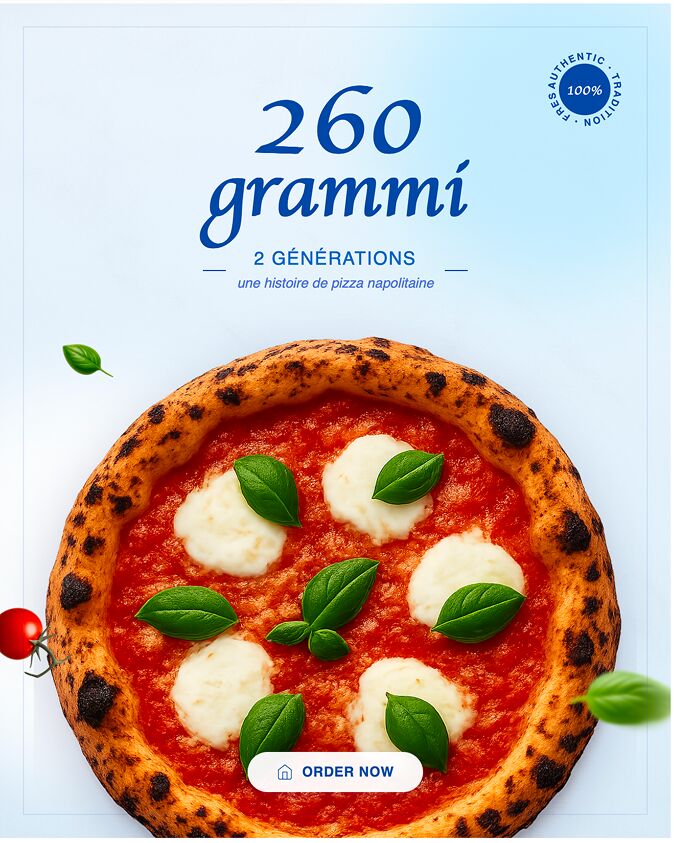
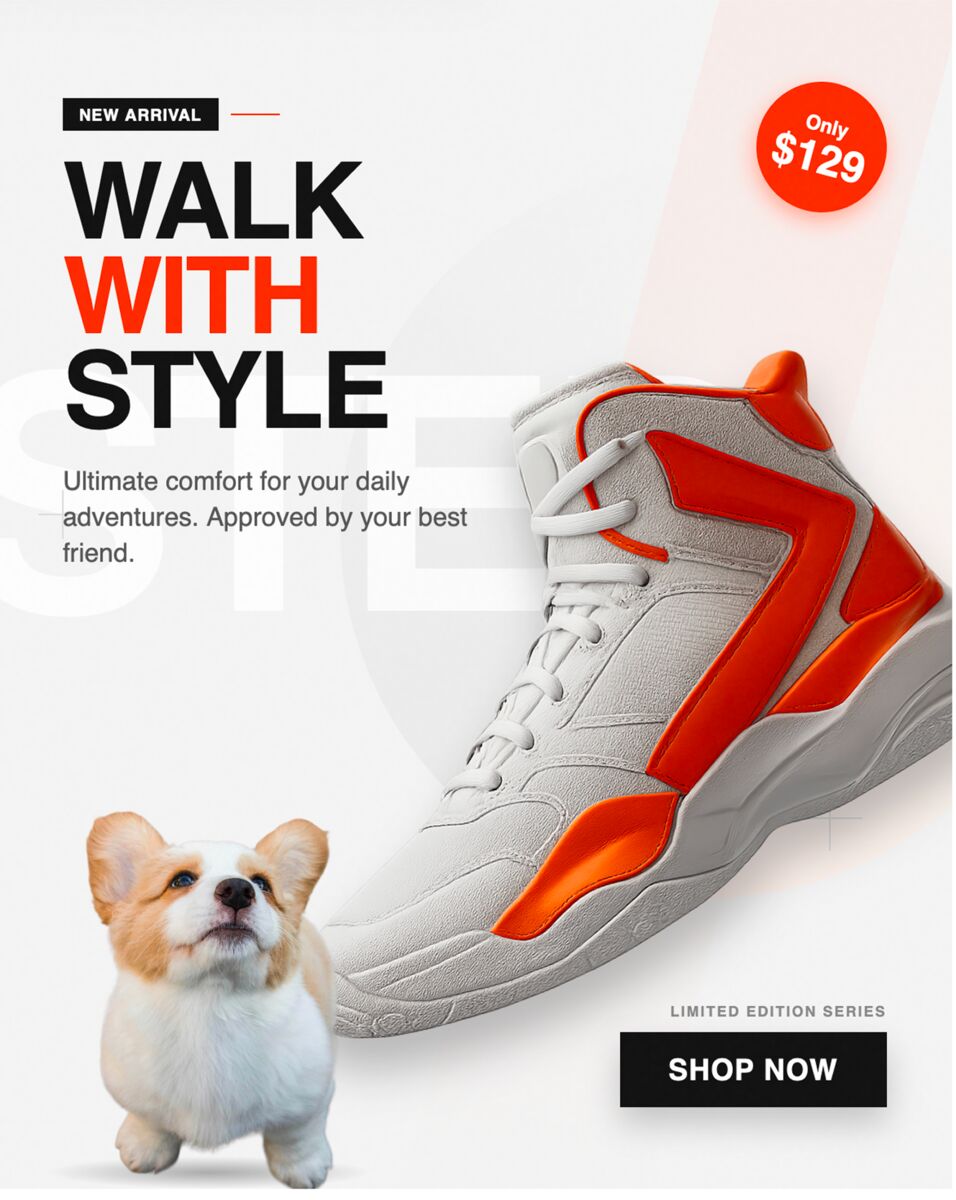
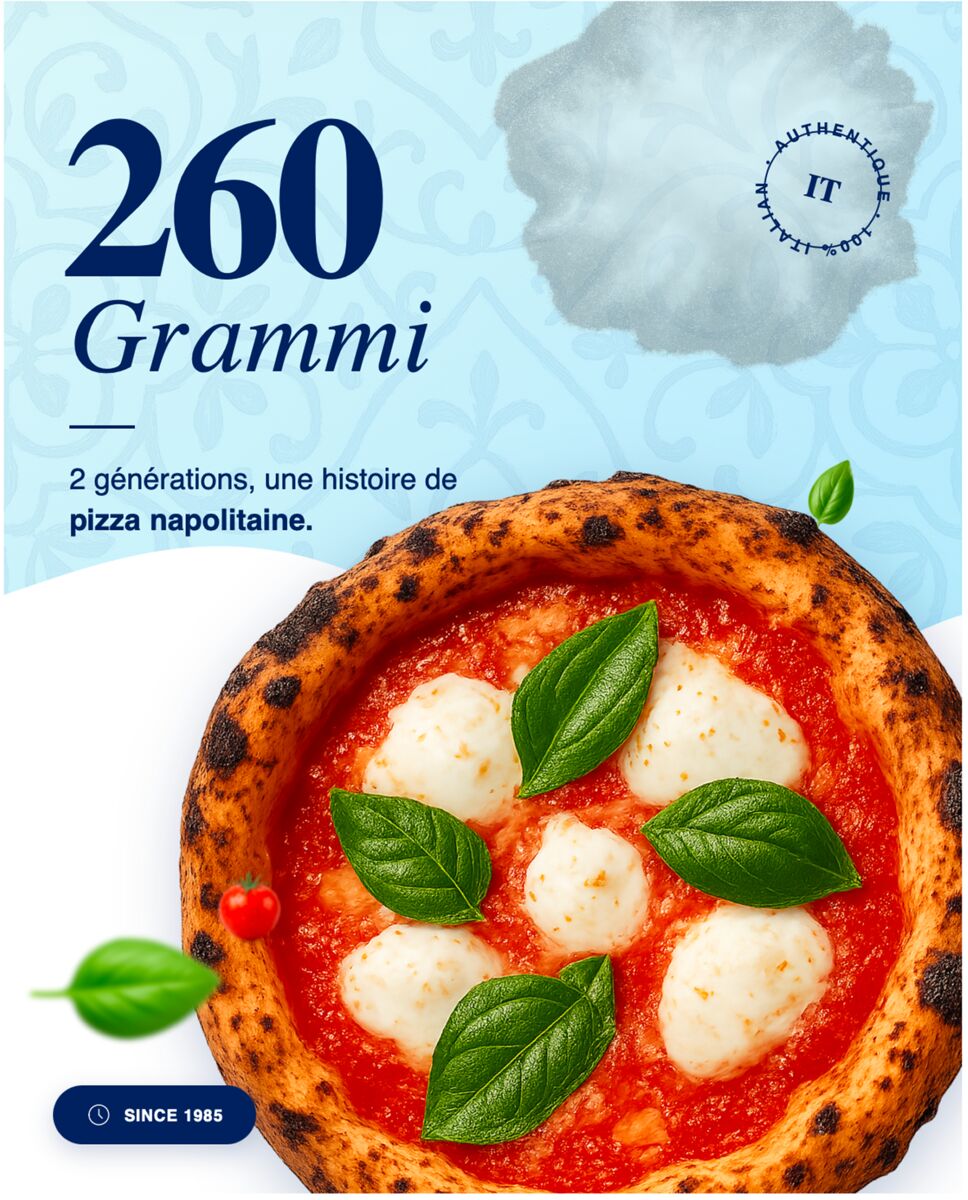
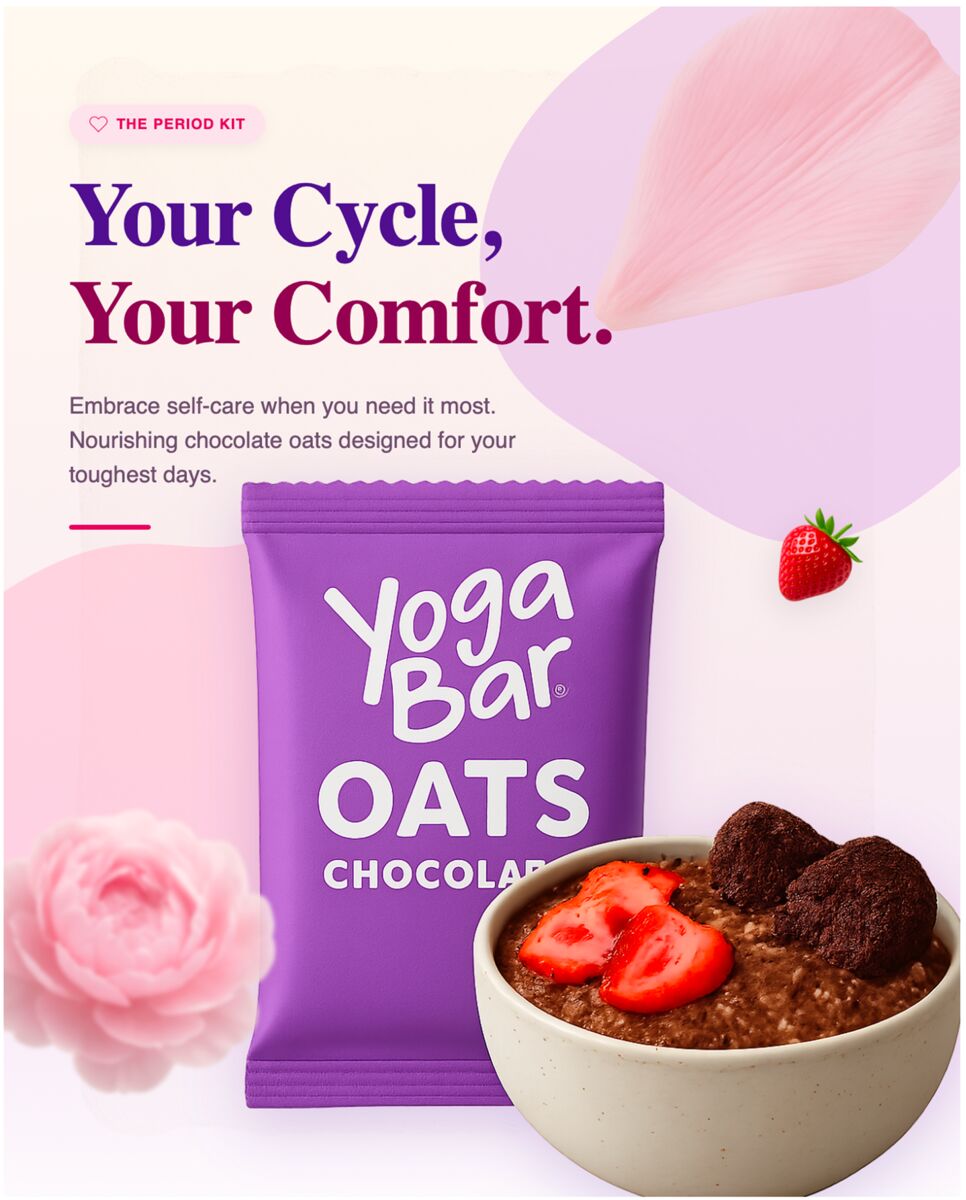




Ready to create your first design?
Join thousands creating professional designs in seconds.
Create with DesignLumo
Related Resources
Nonprofit Social Media Design Playbook
Tactical guide for creating high‑impact nonprofit social posts.
Etsy Graphic Playbook for Nonprofits
Tactical Etsy design ideas to boost nonprofit sales, donations, and engagement.
Nonprofit Video Thumbnails Design Guide
Actionable tactics to craft high-impact thumbnails for nonprofits.
Pinterest Tools Every Nonprofit Must Use
Actionable tool guide for nonprofit Pinterest marketing and fundraising.
Essential Digital Tools for Nonprofit Growth
Top AI and free tools to boost fundraising graphics, events, and impact reporting.
Nonprofit Marketing & Design Starter Guide
Tactical design playbook for charities with tight budgets and big impact goals.