Ad Creative Workflow Blueprint for Marketers
Creative fatigue is the silent killer of ROAS. Marketers need a repeatable system that churns fresh, high‑performing ads at scale. This guide delivers exactly that – a tactical playbook you can start using today.

1. Ideation & Research
Audience‑First Swipe File Builder
Start by exporting the top 50 competitors from the Facebook Ad Library (https://www.facebook.com/ads/library/) and Google Display Planner into a Google Sheet. Include headline, image style, CTA, and spend. Next, import the sheet into Notion using the free CSV‑to‑Database template, tag each entry by funnel stage, and assign a priority score based on CTR > 1.2% and relevance. Finally, feed the top‑scoring concepts into DesignLumo with a prompt like “Create a Facebook carousel ad for a fitness app targeting 25‑34 year olds, using these hooks”. Aim for 20 concepts per campaign; track the source‑to‑CTR conversion to validate the swipe file’s ROI.
AI Prompt Engine for Hook Generation
Use OpenAI’s GPT‑4 (https://openai.com) to generate 30 unique hook variations in a single API call. Prompt: “Give me 30 short, benefit‑focused hooks for a $49/mo SaaS product aimed at e‑commerce owners, each under 8 words.” Export the list to a Google Doc, then batch‑feed each hook into DesignLumo’s prompt field, appending “with a bold red CTA button”. Review the generated mockups, shortlist the top 10 based on predicted emotional impact (use the Hemingway App readability score > 70), and schedule them for A/B testing. This method cuts brainstorming time from hours to minutes while maintaining creative diversity.
Dynamic Moodboard Automation
Connect Pinterest’s API to Zapier to pull the latest 50 pins that match your brand keywords (e.g., “minimalist tech branding”). Zapier then saves the images to a dedicated Google Drive folder and triggers a DesignLumo moodboard generation via webhook (https://www.designlumo.com). DesignLumo extracts dominant colors using its built‑in color picker and suggests matching fonts from Google Fonts. Export the moodboard as a layered PSD, then share it with copywriters to ensure visual‑copy alignment before any design work begins. This automated loop reduces moodboard creation from 30 minutes to under 5 minutes.
2. Design Production
Rapid Layered Mockup with DesignLumo
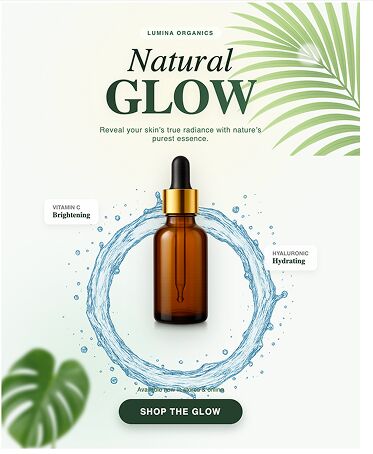
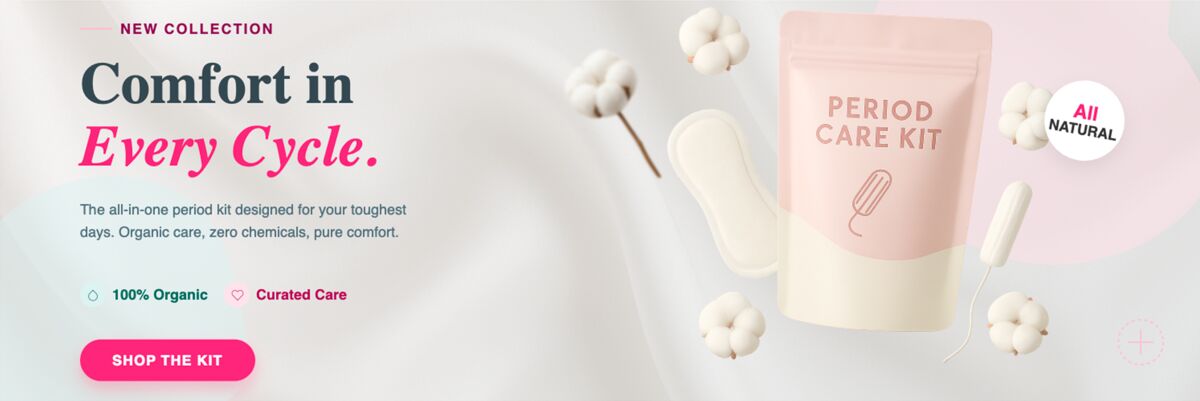
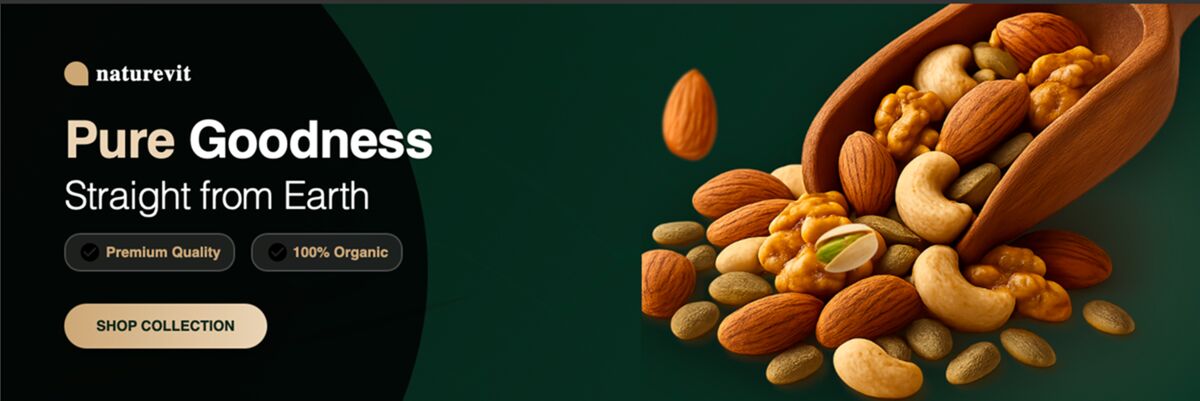
Enter a concise prompt in DesignLumo such as “Facebook ad for a new vegan protein shake, 1080×1080, bold headline, pastel palette”. Within 15 seconds DesignLumo returns a fully editable PSD with separate layers for background, headline, CTA, and product image. Open the file in Photoshop or directly edit in DesignLumo’s web editor to swap copy, adjust colors, or replace the product mockup. Export three sizes (feed, story, carousel) in one click. Benchmarks show a 70% reduction in design time versus Canva templates, and a 90% increase in brand consistency across formats.
Template‑Free Variant Engine using Midjourney + DesignLumo
Generate 10 background concepts in Midjourney (https://www.midjourney.com) with the prompt “abstract gradient background, teal and orange, 1080×1080”. Download the PNGs, then drag each into DesignLumo’s “Layer Import” feature, which automatically isolates foreground elements (logo, product mockup) into editable vectors. Apply the same headline and CTA across all backgrounds, then export each as a separate ad set. Track performance; historically, this hybrid workflow yields a 1.4× lift in CTR over static template libraries because each variant feels handcrafted.
Brand Kit Sync & Auto‑Apply across Formats
Upload your brand assets (logo SVG, HEX palette, font files) into DesignLumo’s Brand Kit (https://www.designlumo.com). Enable “Auto‑Apply” and select the ad formats you need: Facebook feed, Instagram story, Google Display. When you generate a new creative, DesignLumo instantly injects the correct color codes, typography, and logo placement, eliminating manual re‑branding. Run a quick audit after each batch; a 5‑minute check ensures 100% compliance, cutting brand‑drift errors that typically cost $2‑3k in wasted spend per month.
3. Testing & Optimization
Creative Fatigue Dashboard in Data Studio
Connect the Facebook Marketing API to Google Data Studio (https://datastudio.google.com) and pull daily metrics for each creative: CTR, CPM, ROAS. Build a scorecard that flags any ad whose CTR drops >20% over a 48‑hour window. Set up email alerts via Google Sheets scripts. By catching fatigue early, you can pause under‑performing assets before they eat into the budget, typically salvaging 8‑12% of daily spend. Document the alert threshold and review weekly to fine‑tune the sensitivity.
Automated Winner Extraction with Zapier & Airtable

Create a Zapier zap that triggers when a Facebook ad set reports ROAS > 5 for 24 consecutive hours. The zap copies the ad’s creative ID into an Airtable “Winners” base, then calls DesignLumo’s API to clone the winning file, automatically appending “‑Variant‑01”. This instantly seeds a new batch of A/B tests without manual duplication. Teams report a 30% faster rollout of high‑performing creatives, translating into a 1.2× increase in overall campaign ROAS.
Dynamic Creative Refresh Scheduler
Set up a recurring task in Trello (https://trello.com) for every ad group: “Refresh creative every 7 days”. Attach a checklist that includes pulling the latest swipe file insights, generating new copy with the AI Prompt Engine, and re‑rendering the design in DesignLumo. Assign the task to a junior designer who can complete it in under 15 minutes per ad. Track uplift in a Google Sheet; most teams see a 5‑10% lift in CTR after each refresh, keeping the ad fatigue curve flat.
Before you go
- Batch prompts: combine 5 hooks into a single DesignLumo request to generate multiple ad variations in one go.
- Use UTM parameters that encode the creative ID; this lets you attribute revenue back to the exact design in your analytics.
- Leverage DesignLumo’s commercial‑use rights to repurpose winning assets across paid search, email, and organic posts without extra licensing.

Ready to create your first design?
Join thousands creating professional designs in seconds.
Create with DesignLumo
Related Resources
Ultimate Video Thumbnail Design Guide
Actionable tactics to craft click‑worthy video thumbnails that boost ad ROAS.
Etsy Creative Toolkit for High‑Impact Ads
Actionable tools and workflows to supercharge Etsy shop banners, listings, and seasonal ads.
Valentine's Day Ad Creative Playbook for Marketers
Actionable tactics to design high‑ROAS Valentine’s Day ads fast.
Ad Creative Success Stories & Tactical Case Studies
Real‑world ad creative wins, step‑by‑step workflows, and metrics for media buyers.
Ultimate Presentation Slides Design Guide
Tactical playbook for high‑ROAS pitch decks and ad‑ready slides.
Winning Facebook Ad Creative Ideas Blueprint
Actionable Facebook post, cover, event, and ad creative concepts to crush fatigue.