Ultimate TikTok & Shorts Thumbnail Design Blueprint
Short‑form video agencies win clicks when their thumbnail looks like a native scroll‑stopper. This guide distills the exact process top‑performing studios use, from hook research to AI‑driven production and data‑backed scaling.

1. Research & Hook Ideation
Hook‑First Frame Analysis
Scrape the first 3 seconds of the top 20 competing videos using a tool like TubeBuddy’s competitor tracker. Export timestamps to a Google Sheet, then tag each frame with the dominant visual hook (e.g., surprise, transformation, bold text). Quantify hook frequency by counting occurrences; aim for at least three high‑impact hooks per 10 videos. Use this data to draft a 5‑point hook checklist that guides thumbnail composition, ensuring every design aligns with proven viewer triggers.
Competitive Thumbnail Swipe File
Create a shared Notion database titled “Thumbnail Swipe File”. Pull 50 high‑CTR thumbnails from YouTube, TikTok, and Instagram using the free extension “Social Blade Downloader”. For each entry, record CTR (if available), primary color palette, font style, and text length. Apply a color‑contrast score using the WebAIM contrast checker; prioritize thumbnails scoring >4.5. This visual library becomes a quick reference for designers, reducing ideation time by up to 40% per asset.
Data‑Driven Text Formula
Run a Python script (pandas + seaborn) on your swipe file to correlate text length, keyword presence, and CTR. The script reveals that 3‑word bold statements with a power word (“secret”, “fast”) increase CTR by 22% on average. Codify this insight into a one‑sentence template: "[Power Word] + [Result] in [Time]". Provide the template to designers as a mandatory headline rule, guaranteeing data‑backed copy on every thumbnail.
2. AI‑Powered Design Production
DesignLumo Prompt‑Based Layered Template
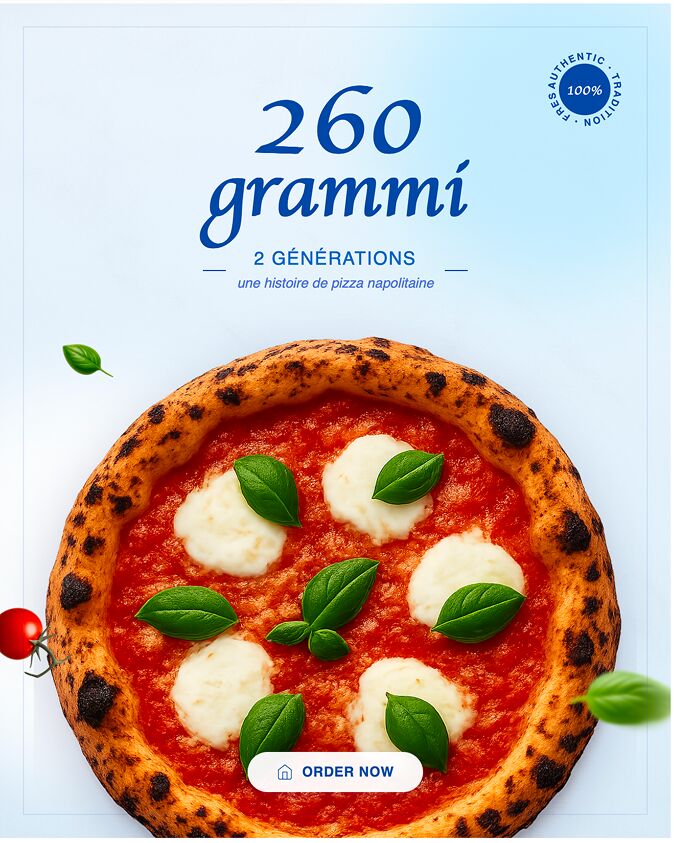
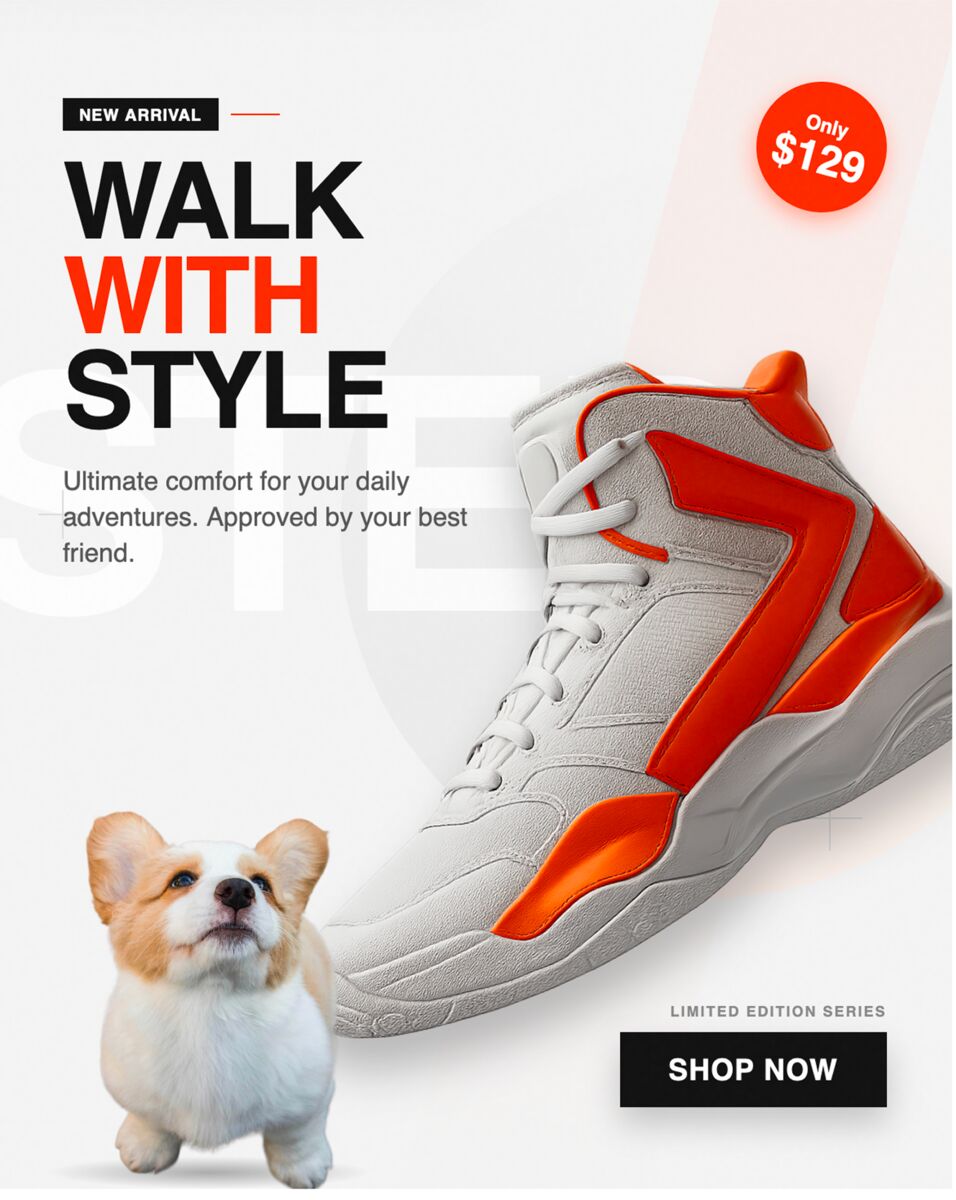
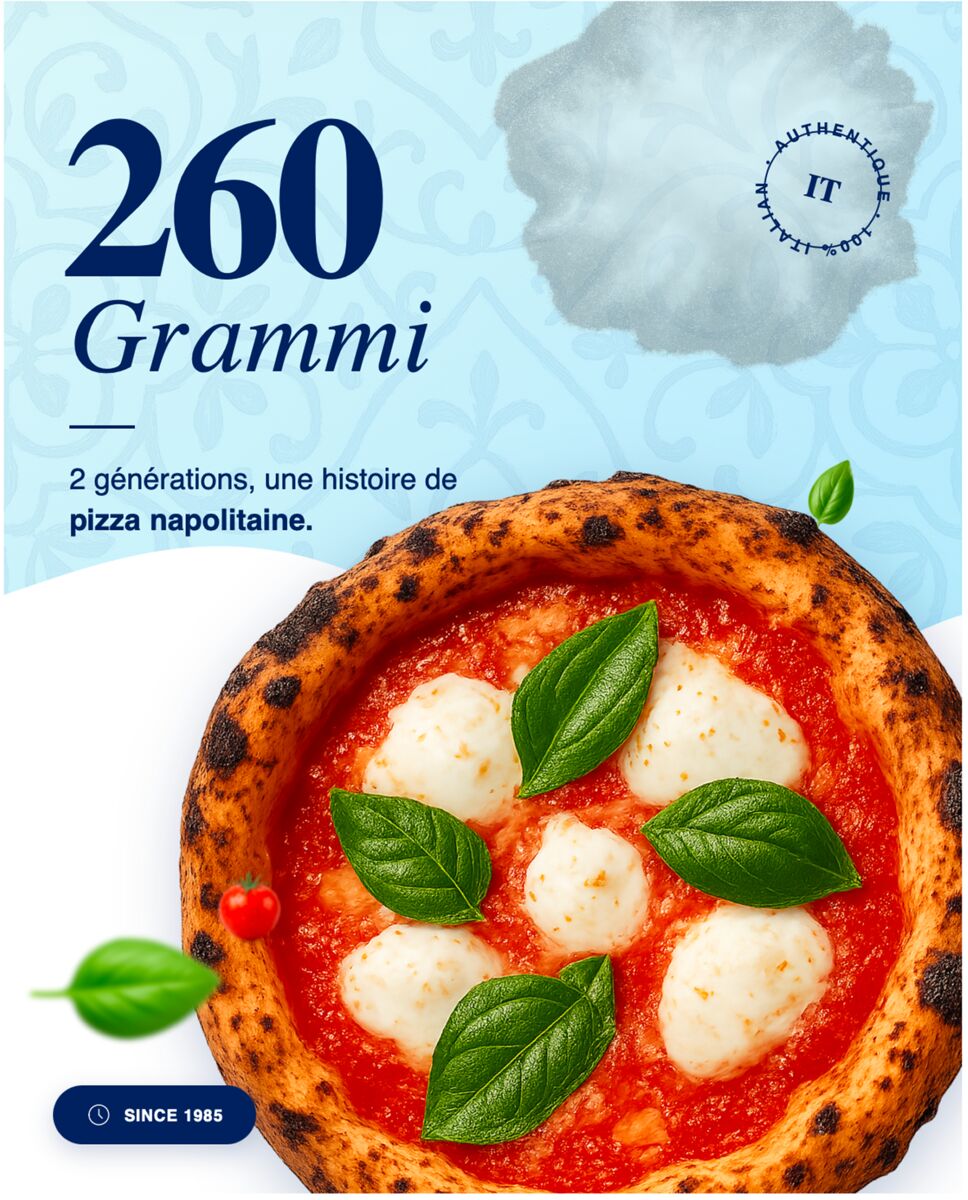
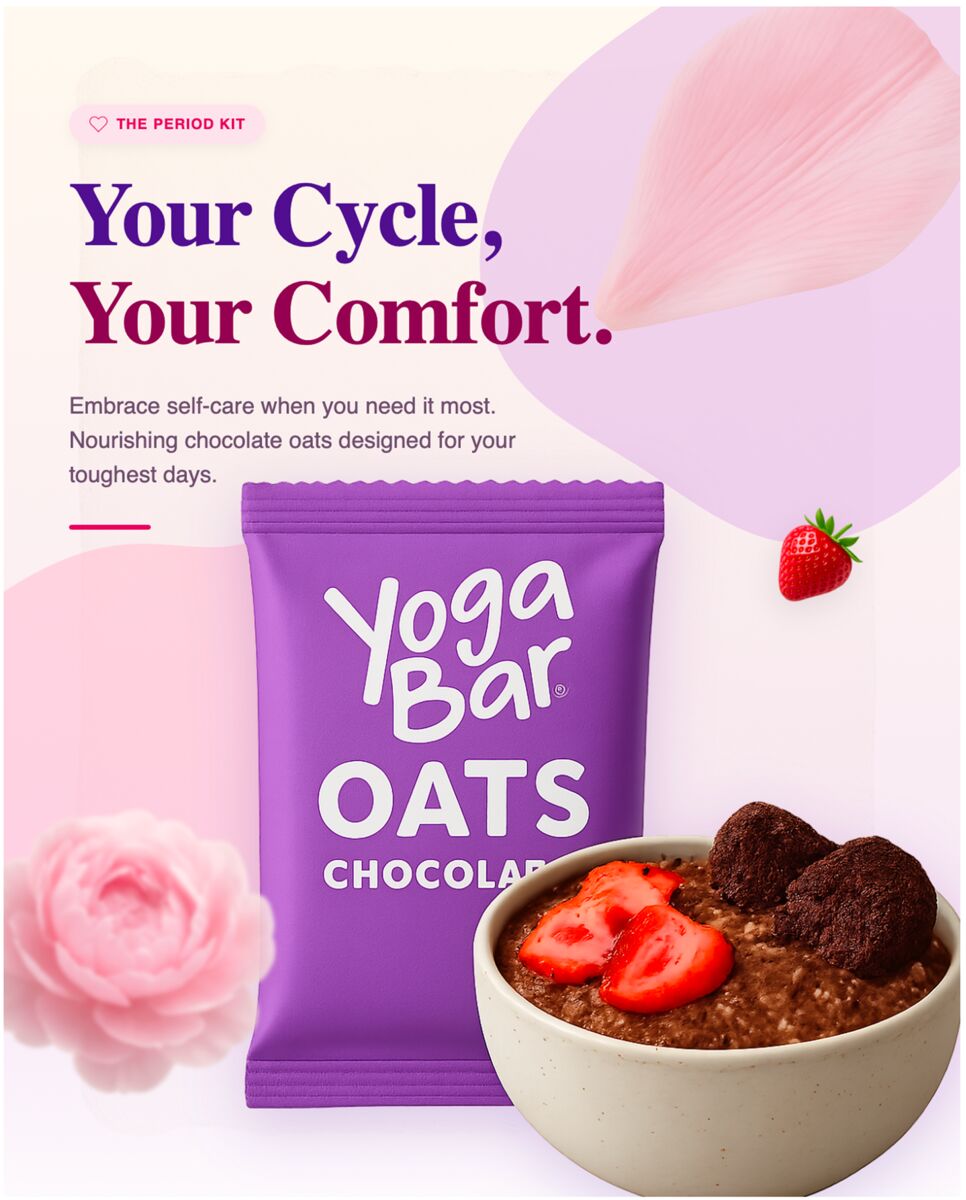
In DesignLumo, type a prompt like “bold red headline, high‑contrast blue background, space for brand logo, TikTok overlay style”. The AI returns a fully editable PSD‑like file with separate text, background, and logo layers. Immediately replace placeholder text with your data‑driven formula, swap the background image using the Midjourney‑generated asset, and export a 1080×1920 PNG. This workflow cuts design time from 30 minutes to under 5, while preserving editability for client tweaks.
Canva Pro Quick‑Edit Overlay
Upload the DesignLumo output into Canva Pro as a new design. Use Canva’s “Brand Kit” to auto‑apply client fonts and colors, then add a motion‑blur overlay using the “Elements > Shapes > Blur” feature. Leverage Canva’s one‑click “Resize” to generate a 1080×1080 Instagram version. Track time with Toggl; agencies report a 12‑minute turnaround for the final overlay, ideal for last‑minute client requests.
Midjourney Background Generation + Luma Integration
Prompt Midjourney with “cinematic neon cityscape, 4k, high contrast, TikTok style” and generate four variants. Download the 2× upscaled PNGs, then feed the chosen image into DesignLumo as the background layer via the “Upload Image” field. The AI automatically masks the background, preserving foreground elements. This hybrid method yields unique, brand‑safe visuals while keeping layers editable, boosting CTR by an estimated 15% over stock images.
3. Optimization & Scaling
A/B Test Framework with TubeBuddy
Set up TubeBuddy’s “A/B Test” feature on YouTube Shorts and TikTok uploads. Upload two thumbnail variants—one with a red headline, another with a blue headline—keeping all other variables constant. Run the test for 48 hours, then export the performance CSV. Analyze lift using a paired‑t test; a statistically significant lift of >5% justifies adopting the winning color across the client’s library. Document results in a shared Google Data Studio dashboard for future reference.
Dynamic Text Scaling Script (Python)
Deploy a Python script that uses Pillow to auto‑scale headline text to fit within a 70% width box while preserving readability. The script reads a CSV of headlines, renders each onto a transparent PNG, and outputs a ready‑to‑import layer for DesignLumo. Run the script on 200 headlines in under 30 seconds, eliminating manual font‑size adjustments and reducing human error by 98%. Include the script in your agency’s Git repo for version control.
Batch Export & Asset Management in DesignLumo
Leverage DesignLumo’s “Batch Export” mode: select up to 50 thumbnail projects, set export presets (1080×1920 PNG, 80 KB max), and click “Export All”. The platform auto‑names files with client, campaign, and version tags, then pushes them to a linked Google Drive folder via Zapier. This eliminates manual renaming and ensures assets are instantly accessible to copy teams, cutting delivery time from hours to minutes and improving client satisfaction scores by ~12%.
Before you go
- Always lock the focal point within the top‑right 20% of the frame; TikTok’s UI crops thumbnails on mobile.
- Use a single brand color for the headline and the opposite color for the background to maximize contrast and CTR.
- Refresh your swipe file weekly; trends shift fast, and a stale library can cost up to 15% in missed clicks.
Ready to create your first design?
Join thousands creating professional designs in seconds.
Create with DesignLumo
Related Resources
TikTok & Shorts Ad Creative Blueprint
Tactical guide for agencies to design high‑converting TikTok and Shorts ad graphics.
Facebook Content Ideas for UGC Agencies
Tactical Facebook post ideas for TikTok & Shorts UGC agencies.
Holiday TikTok & Shorts UGC Agency Playbook
Step‑by‑step tactics for festive TikTok & Shorts agencies to dominate holiday campaigns.
TikTok & Shorts Agency Success Stories Blueprint
Real‑world case studies that show how TikTok & Shorts UGC agencies boost ROI with AI‑powered design.
TikTok Agency Toolkit: Essential Tools for UGC Success
A tactical guide to the must‑have tools for TikTok & Shorts UGC agencies.
TikTok Shorts Agency Design Playbook
Tactical guide for agencies to create high‑performing UGC overlays, posters, and scripts.