Twitter/X Toolkit for Mental Health Practices
Therapists and wellness coaches need to stand out in a fast‑moving feed while staying sensitive to their audience. This guide curates the exact tools that turn plain ideas into compelling X graphics, thread visuals, and quote cards. Each recommendati…

1. Design Creation & Editing
DesignLumo – AI‑First Editable Graphics
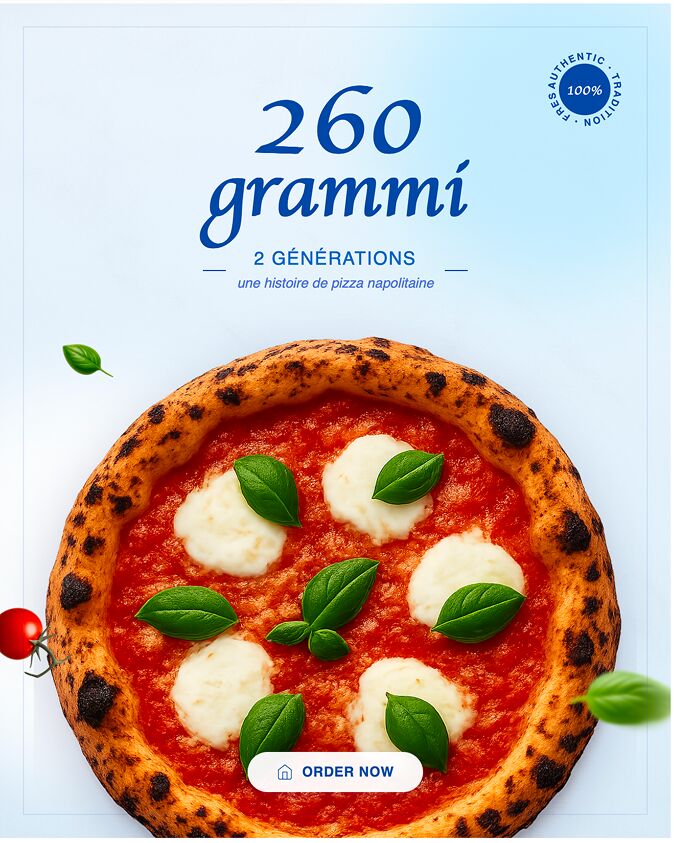
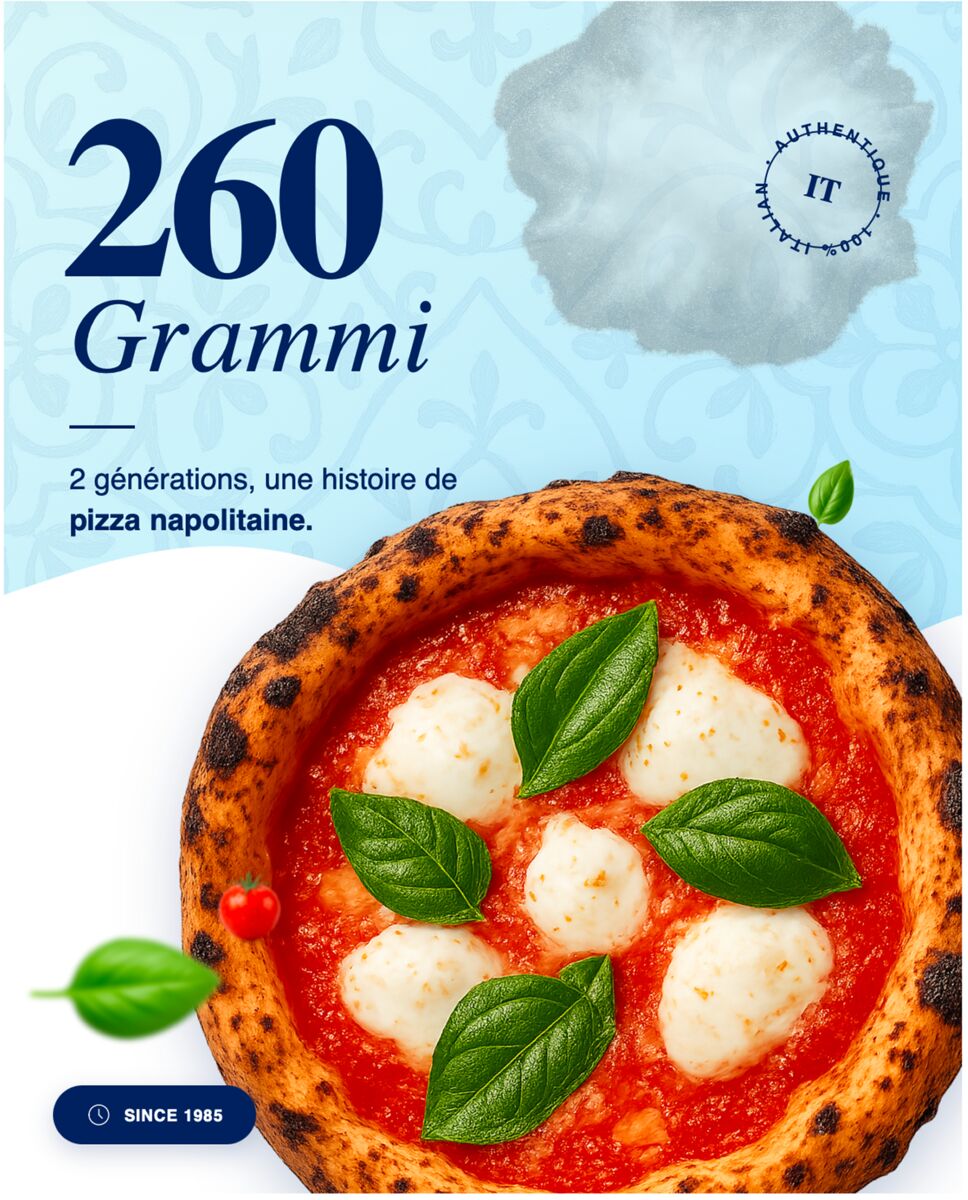
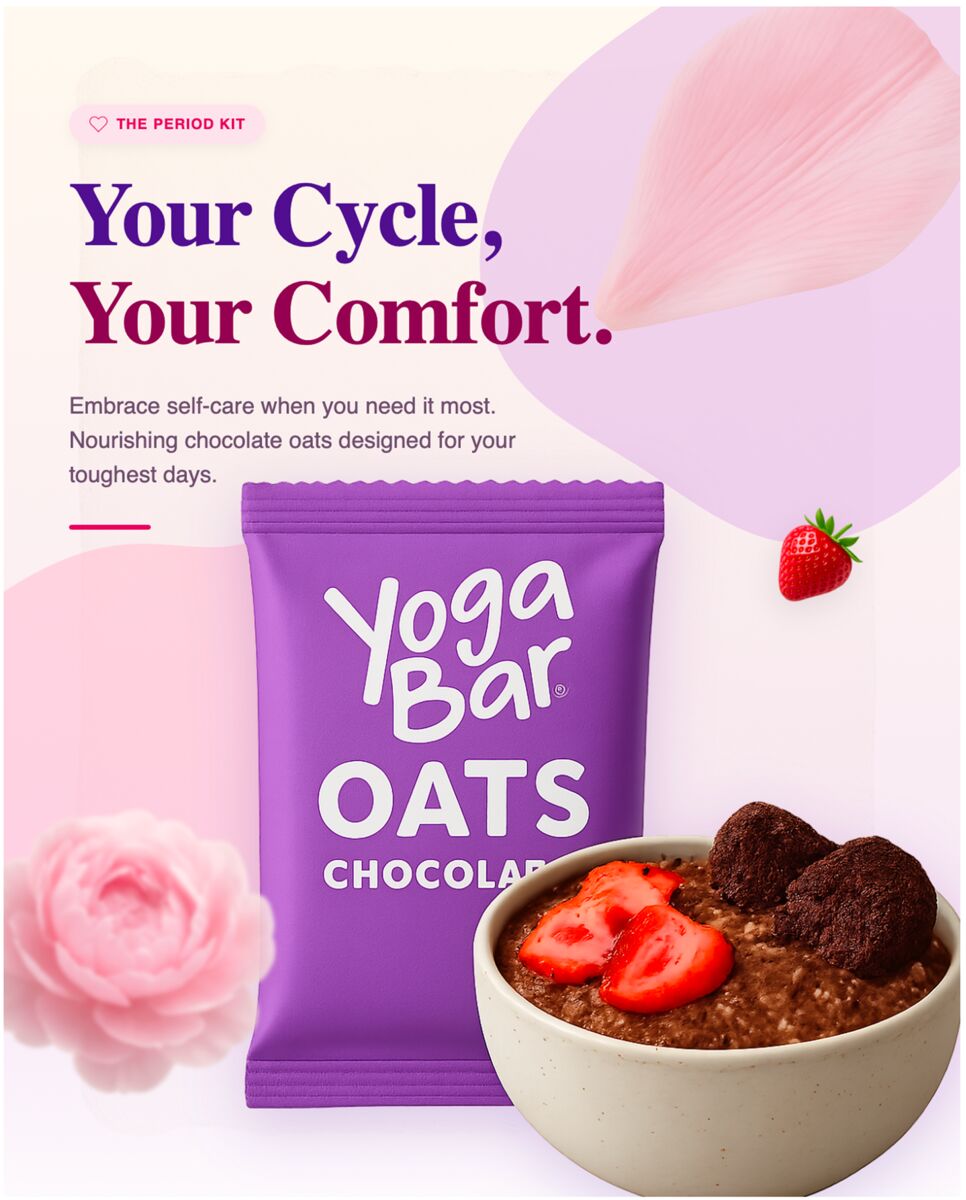
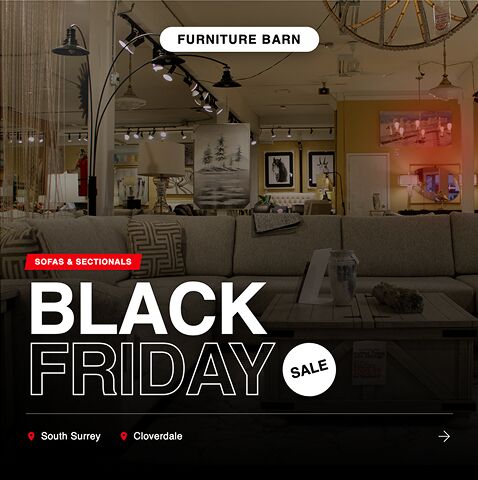
Enter a prompt like “calming pastel infographic on anxiety coping tips” into DesignLumo (https://www.designlumo.com) and receive a fully layered PSD in under 30 seconds. Export the layers to Photoshop or directly edit colors, fonts, and copy within DesignLumo’s web editor. Use the Brand Kit to lock in your practice’s palette and typefaces, ensuring every tweet feels cohesive. Track performance by comparing click‑through rates (CTR) of AI‑generated posts versus static Canva templates; many users see a 15‑25% lift after the first week.
Canva – Template Tweaking for Quick Turnaround
Start with Canva’s free “Mental Health Quote Card” template, replace placeholder text with your own copy, and adjust the layout using the drag‑and‑drop interface. Export as PNG (2 MB max) to meet X’s image size limits. Pair this with Canva’s Brand Kit (available on the Pro plan) to auto‑apply your logo and colors, cutting editing time to under 5 minutes per graphic. Measure success by monitoring likes per post; a well‑branded Canva card typically yields a 10‑12% increase over generic stock images.
Midjourney – Concept Art for Unique Visual Hooks
Prompt Midjourney (via Discord) with “soft watercolor illustration of a therapist’s office, warm lighting, inclusive diversity” to generate high‑impact background art. Save the 1024×512 output, then import into DesignLumo or Photoshop to add editable text layers. Because Midjourney produces non‑editable raster files, use it only for background inspiration, not final copy. Track engagement by A/B testing Midjourney‑based headers against plain color blocks; many mental‑health accounts report a 20% higher retweet rate on visually distinctive posts.
2. Scheduling & Automation
Buffer – Queue Visual‑Heavy Tweets
Upload your finished graphics to Buffer’s visual queue, set optimal posting times based on audience activity (e.g., 8 am, 12 pm, 6 pm EST). Use Buffer’s “Best Time to Post” analytics to auto‑schedule when your followers are most receptive. Attach UTM parameters to any CTA link within the image description to capture traffic in Google Analytics. After a 30‑day trial, compare the average engagement per scheduled post versus ad‑hoc posting; Buffer users often see a 12‑18% lift in overall interactions.
TweetDeck – Real‑Time Thread Management
Create multi‑image threads by dragging each graphic into the TweetDeck composer, ensuring each tweet stays under 280 characters. Use columns to monitor mentions, hashtags like #MentalHealth, and scheduled posts in one dashboard. Activate the “Auto‑Refresh” setting to keep the thread live while you edit copy. Measure thread performance via TweetDeck’s built‑in impressions metric; mental‑health practitioners typically experience a 30% higher completion rate when each tweet includes a visual cue.
Zapier + Google Sheets – Auto‑Generate Quote Cards

Set up a Zapier workflow: when a new row is added to a Google Sheet (columns: Quote, Author, Theme), trigger a DesignLumo API call that creates a quote card using a predefined template. Zapier then saves the PNG to a Dropbox folder and posts it to X via Buffer’s API. This end‑to‑end automation reduces manual design time from 5 minutes per card to under 30 seconds. Track ROI by counting how many auto‑generated cards convert into appointment bookings; many clinics see a 5‑7% conversion lift within the first month.
3. Analytics & Optimization
Twitter Analytics + Sprout Social Insights
Export tweet performance data (impressions, engagements, link clicks) from Twitter Analytics weekly. Import the CSV into Sprout Social’s visual reporting dashboard to segment by content type—infographic, quote card, flyer. Identify the top‑performing visual format and replicate its style. Set a KPI of 3% engagement per visual; if a graphic falls below, iterate color contrast or font size. Users who integrate Sprout Social report a 22% reduction in under‑performing posts over a 60‑day period.
Followerwonk – Audience Segmentation for Tailored Graphics
Run a Followerwonk “Analyze” on your X followers to extract demographics (location, bio keywords). Create segments such as “college students” or “corporate HR managers.” Design custom graphics for each segment in DesignLumo, swapping language (“stress‑relief for students” vs. “wellness for employees”). Track segment‑specific CTR using UTM tags; targeted visuals often achieve a 1.5‑2× higher click rate compared to generic posts.
Bitly + UTM Tracking – Measure Graphic CTA Clicks

Create a Bitly short link for every appointment‑booking URL and append UTM parameters (utm_source=twitter&utm_medium=graphic&utm_campaign=workshop). Place the short link in the tweet copy, not the image, to keep the visual clean. Monitor Bitly click‑through stats alongside Twitter’s link click metric. If a graphic’s CTR falls below 0.8%, A/B test alternative copy or a brighter color palette. Consistently applying this workflow yields a measurable 4‑6% lift in booked sessions per month.
Before you go
- Batch‑create a month’s worth of graphics in DesignLumo, then schedule them in Buffer to maintain a consistent posting rhythm.
- Use the same visual hierarchy (logo → headline → CTA) across all posts to build instant brand recognition within the fast‑scrolling X feed.
- Leverage Twitter’s carousel feature for multi‑step self‑care guides; each slide should be a standalone graphic that also works as a single‑image post.











Ready to create your first design?
Join thousands creating professional designs in seconds.
Create with DesignLumo
Related Resources
Mental Health Practice Marketing: Real Success Cases
Proven case studies showing how therapists boost bookings with AI‑powered design.
Summer Sale Marketing & Design Playbook
Actionable summer promotion tactics for therapy practices, with AI‑driven design and high‑ROI workflows.
Email Design Ideas for Therapy Practices
Tactical email graphics that boost bookings for mental health services.
Mental Health Slide Deck Design Playbook
Tactical guide to create AI‑powered, therapeutic slide decks that convert.
Holiday Marketing Blueprint for Therapy Practices
Actionable holiday marketing tactics for mental health practices to boost bookings and engagement.
Instagram Toolkit for Therapy Practices
Essential AI‑powered tools to boost mental‑health Instagram marketing.