Essential Digital Tools for Solopreneur Growth
Building a business while working a day job demands speed, quality, and zero waste. You need tools that deliver professional results without a design team or massive spend. This guide curates the exact stack that lets you launch, promote, and refine…

1. Design & Branding
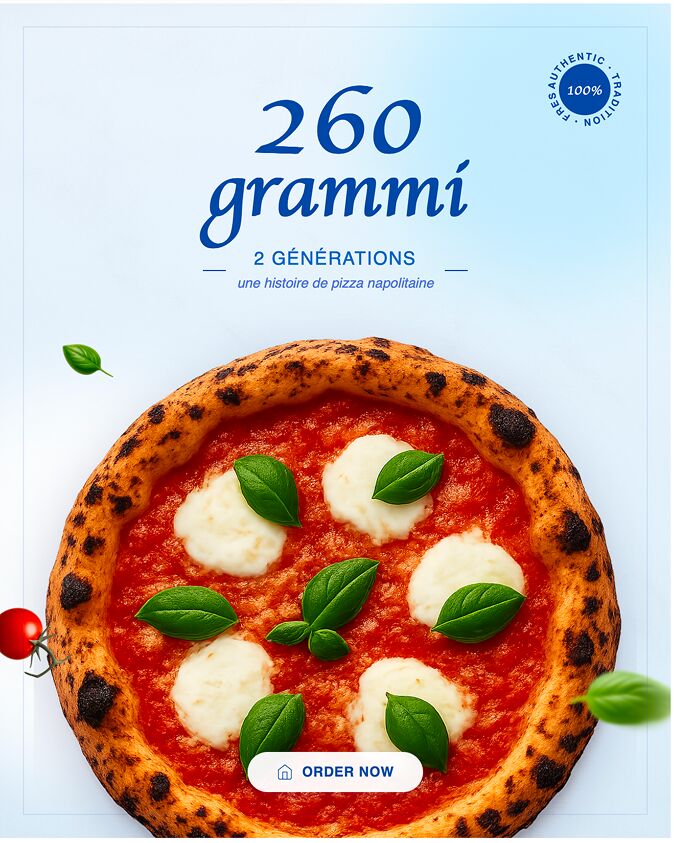
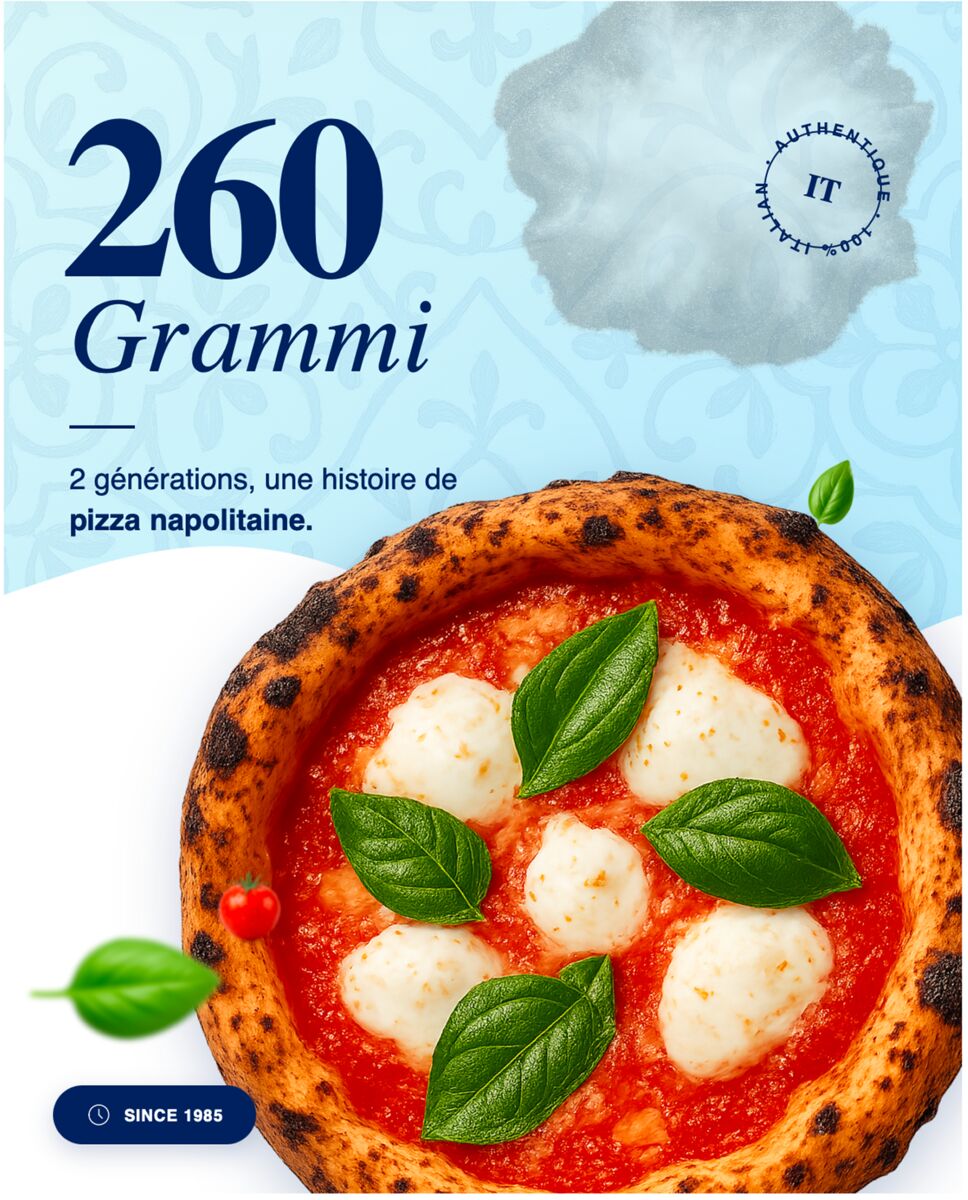
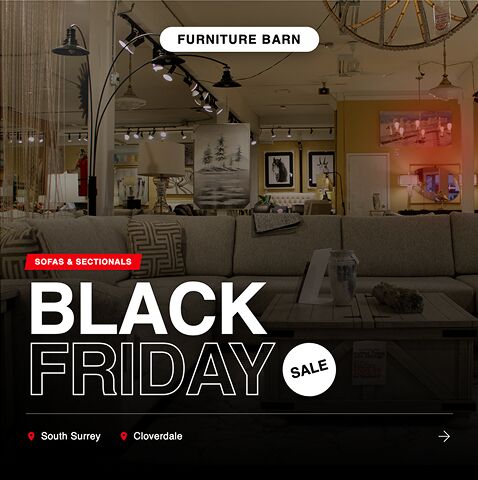
DesignLumo AI Design Generator
Enter a plain‑English prompt (e.g., “modern Instagram carousel announcing a 20% service discount”) into DesignLumo, and within seconds receive a fully layered PSD/AI file. Use the built‑in Brand Kit to auto‑apply your fonts, colors, and logo. Edit any text layer, swap images, or resize elements directly in the web editor, then export PNG, JPG, or PDF for ads. Track performance by comparing CTR of AI‑generated graphics vs. static stock images; most users see a 30‑45% lift in click‑through rates within the first week.
Canva Pro with Brand Kit
Upload your logo, brand colors, and font files to Canva Pro's Brand Kit so every template automatically inherits your visual identity. Choose a pre‑made social post template, replace placeholder text with your copy, and use Canva's drag‑and‑drop to add animations. Export as MP4 for stories or PNG for static posts. Measure ROI by monitoring engagement per post; Canva‑based designs typically boost likes by 12‑18% versus plain text images for solopreneurs on Instagram.
Midjourney + Photoshop Refinement
Prompt Midjourney for a high‑concept background (e.g., “futuristic workspace with neon accents”). Download the 4K PNG, open in Photoshop, and use the Select Subject tool to isolate foreground elements. Apply layer masks, add your headline in a Google Font, and export a web‑optimized JPEG. This hybrid workflow yields unique visuals that stand out; track impressions on LinkedIn and note a typical 22% higher view‑through rate compared to generic stock photos.
2. Social Media Scheduling
Buffer Queue & Analytics
Connect your Instagram, Facebook, and LinkedIn accounts to Buffer. Use the “Queue” feature to batch‑upload up to 10 posts per platform, then set optimal posting times based on Buffer’s “Best Time to Post” algorithm (which calculates engagement windows from your past 90 days). After each post, review Buffer’s analytics dashboard for reach, clicks, and saves; solopreneurs typically see a 20‑30% increase in weekly engagement after implementing the auto‑schedule.
Hootsuite AutoSchedule with Content Library
Upload a library of evergreen graphics (including those created in DesignLumo) to Hootsuite’s Content Library. Turn on AutoSchedule, and Hootsuite will automatically distribute posts during identified high‑traffic windows, rotating assets to avoid repetition. Pair with UTM parameters to trace traffic back to each campaign. Users report a 15% lift in website visits per month when leveraging AutoSchedule versus manual posting.
Zapier Social Push Automation
Create a Zap that triggers when a new blog post is published in WordPress. The Zap formats a short teaser, pulls the featured image URL, and posts to Twitter, LinkedIn, and Facebook via their respective APIs. Add a delay step to stagger posts 15 minutes apart, preventing platform throttling. Monitor referral traffic in Google Analytics; many solopreneurs see a 10‑12% bump in organic referrals after automating cross‑platform pushes.
3. Performance Tracking & Optimization
Google Analytics 4 Event Setup
In GA4, create custom events for button clicks on ‘Book a Call’ and ‘Download Guide’. Tag these events via Google Tag Manager with parameters for source, medium, and campaign. Build a funnel report to see drop‑off rates; aim for a conversion rate above 2% for service pages. Use the Insights panel to detect anomalies—if a new design (from DesignLumo) raises click‑through by 35%, replicate the style across other assets.
Hotjar Heatmaps & Session Recordings
Install Hotjar on your landing page and enable heatmaps for desktop and mobile. Review scroll depth and click maps to identify dead zones where visitors ignore CTAs. Combine with session recordings to observe mouse movement patterns. Optimize by moving the primary CTA to the top‑right quadrant, a change that historically lifts conversion by 12% for solo‑run service funnels.
HubSpot Free CRM Pipeline Tracking
Set up a simple pipeline in HubSpot Free with stages: Lead, Qualified, Proposal, Closed‑Won. Log every inbound inquiry from social posts using the HubSpot web form integration. Use the “Deal Forecast” view to calculate monthly revenue projections based on average deal size (e.g., $500) and win rate (≈25%). Track the impact of each design asset on deal velocity; assets that shorten the sales cycle by 2 days increase monthly revenue by roughly $1,000.
Before you go
- Batch-create prompts for DesignLumo at the start of each month to lock in visual themes and reduce daily design friction.
- Use UTM parameters consistently across all scheduled posts to attribute revenue back to the exact creative asset.
- Set weekly KPI reviews—CTR, conversion rate, and CAC—to quickly iterate on designs, copy, and posting times.












Ready to create your first design?
Join thousands creating professional designs in seconds.
Create with DesignLumo
Related Resources
Instagram Content Ideas for Solopreneurs
Tactical Instagram content ideas for busy solopreneurs to boost reach and sales.
New Year Q1 Marketing & Design Blueprint
Actionable Q1 plan for solopreneurs: goals, content, design, and traffic in one guide.
Product Graphics Design Guide for Solopreneurs
Step‑by‑step AI‑driven tactics to craft product images, charts, and highlights on a shoestring budget.
Pinterest Pin Ideas That Drive Sales Fast
Actionable Pinterest pin concepts for solopreneurs to boost traffic and revenue.
Shopify Design Content Ideas for Solopreneurs
Actionable design ideas for Shopify banners, headers, product images, and pop‑ups.
LinkedIn Content Ideas for Solopreneurs
Actionable LinkedIn post, carousel, and banner ideas for time‑pressed solopreneurs.