Essential Digital Tools for Interior Design Growth
Interior designers need more than great taste—they need a digital arsenal that turns concepts into revenue. This guide lists the exact platforms that deliver polished visuals, efficient workflows, and measurable ROI.

1. Visual Creation & Presentation
DesignLumo AI Design Generator
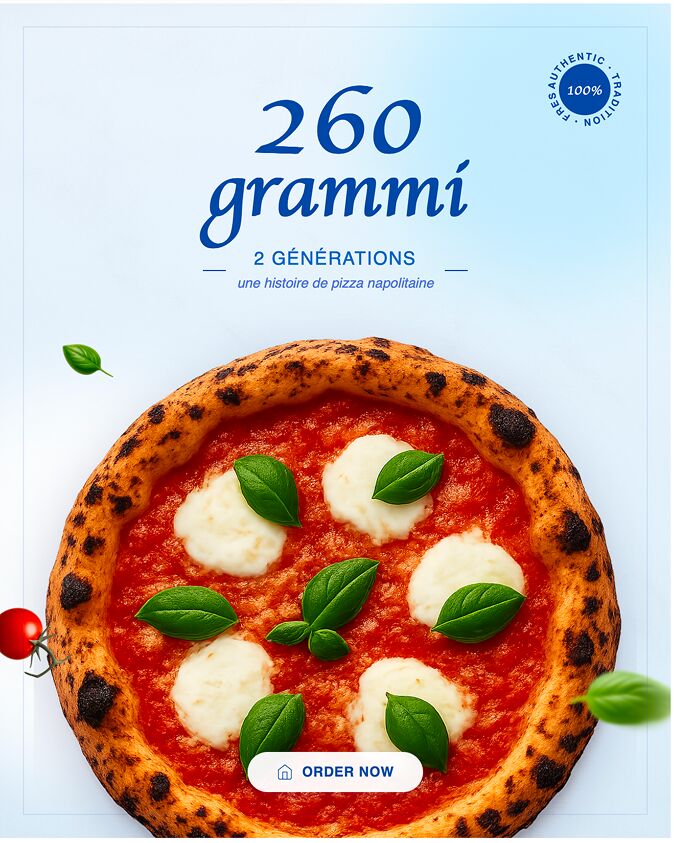
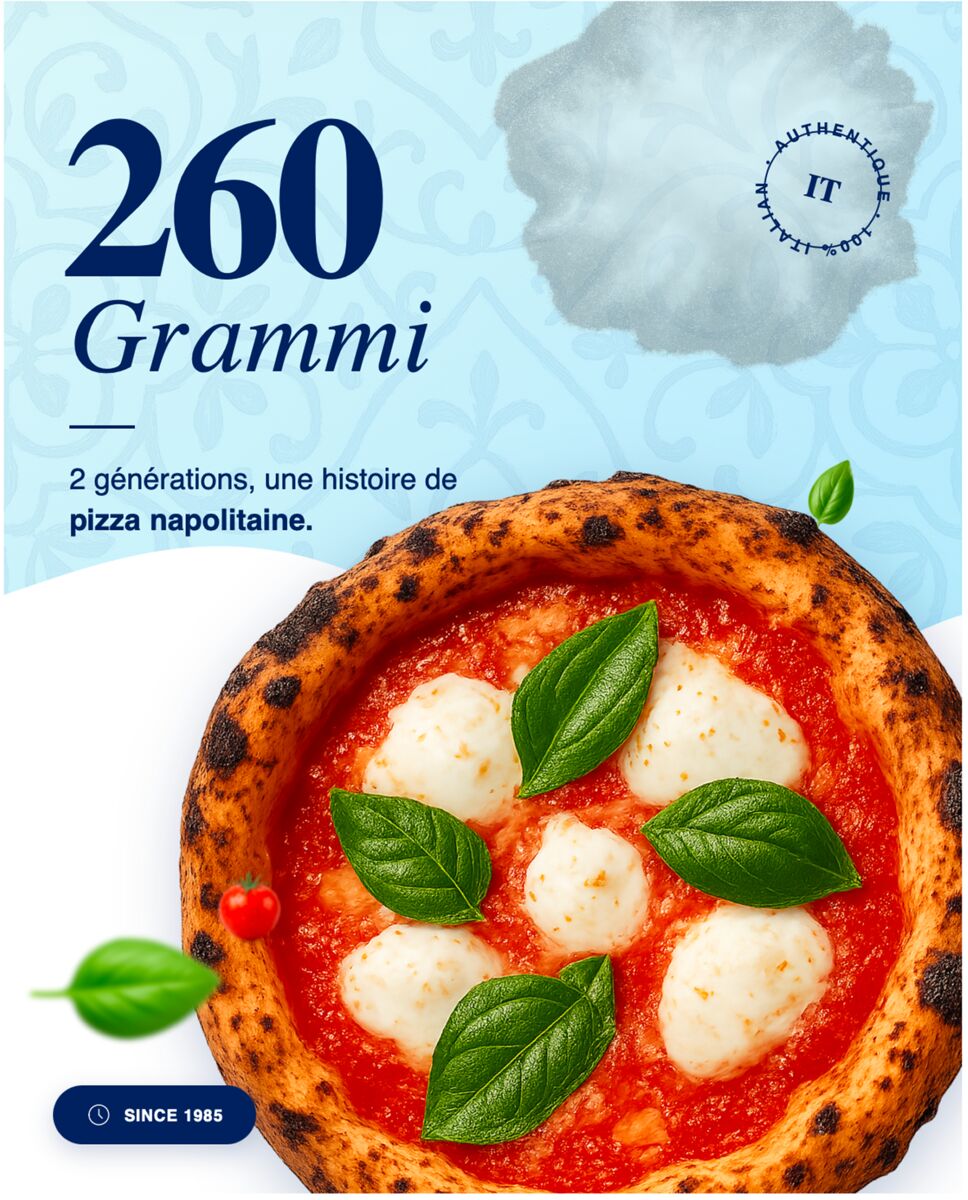
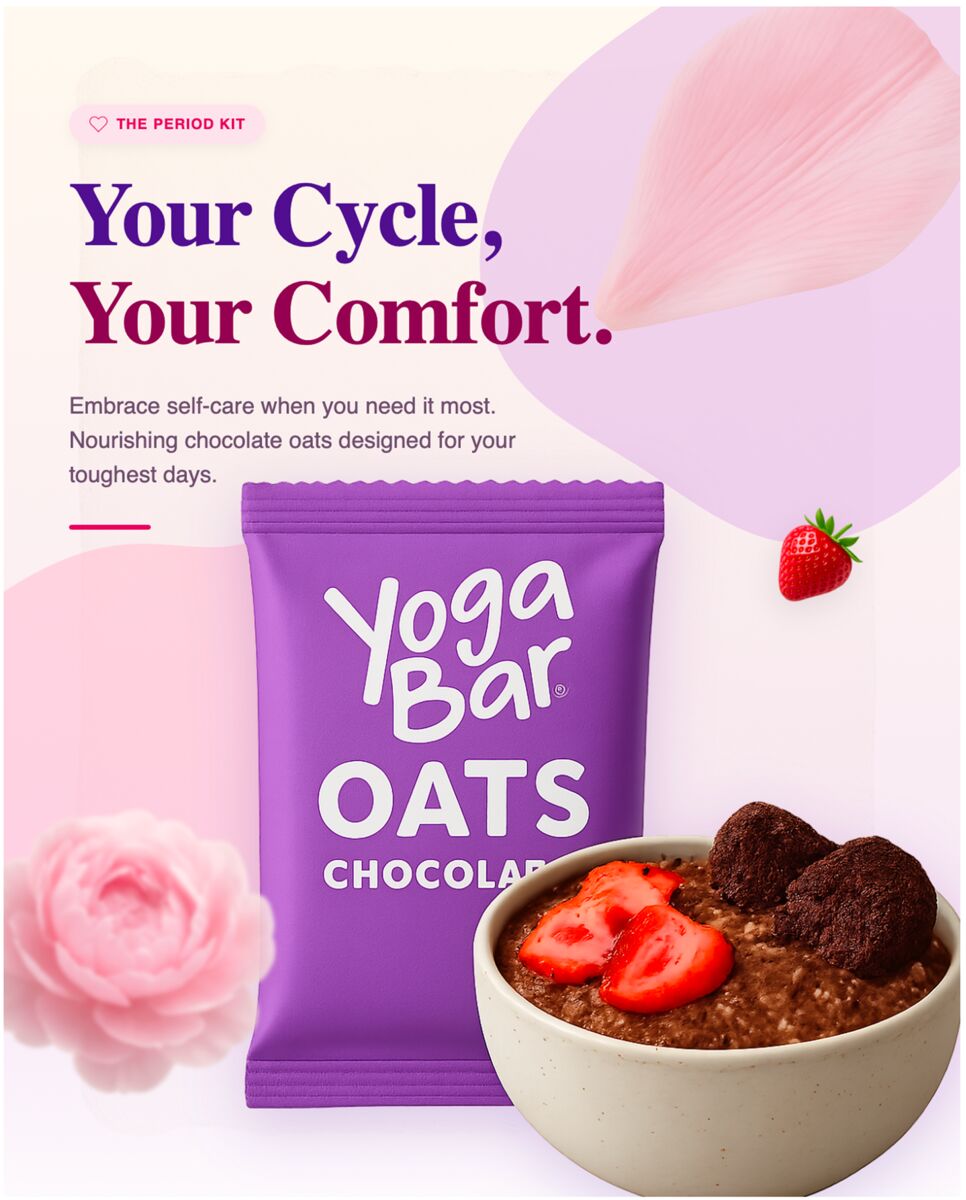
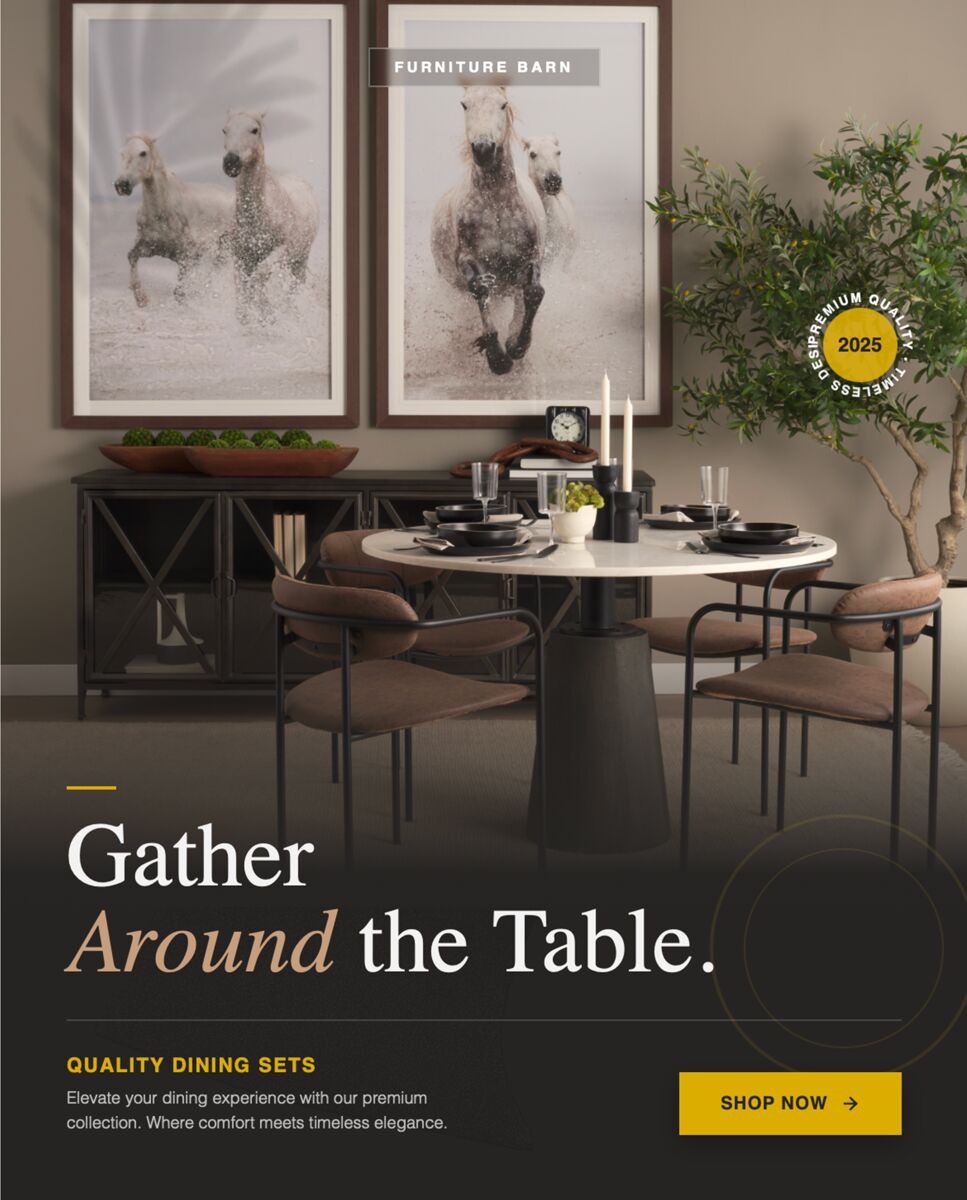
Use DesignLumo (https://www.designlumo.com) to type a prompt like “modern loft living room with teal accents” and receive a fully layered Photoshop file in seconds. Export the PSD, replace fonts, swap colors via the Brand Kit, and add client‑specific logos without starting from a template. Track conversion by measuring click‑through rates on PDF proposals; designers typically see a 30‑45% lift after switching from static images. The workflow takes under 5 minutes per concept, freeing time for client calls.
Canva Pro Template Library
Canva Pro offers a curated library of interior design templates that are instantly editable. Import your brand colors, upload high‑resolution project photos, and use the built‑in animation for Instagram reels. Measure performance using Canva’s analytics: aim for a 2‑3% engagement bump per post. The tool shines for quick one‑off flyers; typical turnaround is 10‑12 minutes, making it ideal for last‑minute open house promos.
Midjourney Prompted Renders
Leverage Midjourney to generate photorealistic concept images by feeding prompts such as “scandinavian kitchen with marble island, natural light”. After 4‑6 iterations, upscale the best result and import into Photoshop for layer separation. Use the images in client mood boards; track client approval speed—designers report a 20% reduction in feedback loops. Allocate 15‑20 minutes per render, then hand off to DesignLumo for editable layers if needed.
2. Mood Board & Ideation
Milanote Collaborative Boards
Create a Milanote board (https://www.milanote.com) for each project and drag in product links, fabric swatches, and SketchUp screenshots. Invite clients to comment in real time; this reduces email back‑and‑forth by 40%. Export the board as a PDF and embed in proposals. Track board view time via Milanote’s analytics—aim for >3 minutes per client to ensure deep engagement. Setup takes 5 minutes, and the visual hierarchy can be adjusted on the fly.
Pinterest Business Account
Open a Pinterest Business profile and curate secret boards for each design style. Pin high‑resolution renders from DesignLumo and Midjourney, adding SEO‑rich descriptions with keywords like “urban loft makeover”. Use Pinterest Analytics to monitor repins; a 10% increase in repins correlates with a 5% rise in inbound consultation requests. Schedule pins with Tailwind to maintain a 3‑pin‑per‑day cadence, ensuring constant brand visibility.
Adobe Express Mood Board Templates
Adobe Express offers drag‑and‑drop mood board templates optimized for 1080×1080 social posts. Upload your DesignLumo layers, apply color filters, and add text overlays describing material specs. Export as MP4 for Instagram Stories; designers see a 12% higher story completion rate when using motion. The platform integrates with Creative Cloud, allowing seamless transfer of assets. Average creation time is 8 minutes per board, perfect for rapid client presentations.
3. Project Showcases & Social Posting
InVideo Before/After Video Builder
Import before and after photos into InVideo (https://invideo.io) and apply the “split‑screen” template. Add a 5‑second voiceover describing design choices, then overlay a CTA linking to your booking page. Track video watch time; aim for >70% completion, which typically drives a 15% increase in consultation clicks. Production takes about 7 minutes per video, and the final file is ready for Instagram Reels, Facebook, and LinkedIn.
Buffer Scheduler with Analytics
Connect Buffer (https://buffer.com) to Instagram, Facebook, and Pinterest. Queue your DesignLumo‑generated posts at optimal times identified by Buffer’s “Best Time to Post” algorithm (usually 11 am–1 pm for design audiences). Use Buffer’s post‑level analytics to compare engagement; aim for a 3% lift after implementing AI‑crafted visuals. The scheduler also generates a monthly report that can be shared with stakeholders to justify ad spend.
Google Data Studio ROI Dashboard

Build a Data Studio (https://datastudio.google.com) dashboard that pulls metrics from Buffer, InVideo, and your website’s lead forms. Visualize cost‑per‑lead, conversion rate, and average project value. Set alerts when CPL exceeds $25, prompting a creative refresh. Designers who monitor this dashboard weekly report a 20% faster optimization cycle, turning underperforming posts into revenue generators within 48 hours.
Before you go
- Batch‑create all project assets in DesignLumo first, then distribute to Canva, InVideo, and Buffer to maintain brand consistency.
- Use Milanote’s version history to revert mood board tweaks, preserving client‑approved concepts without recreating from scratch.
- Set up a monthly Data Studio report that automatically emails stakeholders; this keeps ROI visible and justifies higher ad budgets.










Ready to create your first design?
Join thousands creating professional designs in seconds.
Create with DesignLumo
Related Resources
Facebook Tools Every Interior Designer Needs
Tactical toolkit for Facebook posts, covers, events, and ads.
YouTube Design Toolkit for Interior Marketers
Essential AI and design tools for interior design YouTube branding.
Interior Design Pitch Deck Design Blueprint
Step‑by‑step guide to craft high‑impact interior design presentation slides.
Interior Design Marketing Starter Blueprint
Actionable tactics for portfolios, social reveals, and lead magnets in interior design.
Interior Design Event Poster Blueprint
Step‑by‑step system to craft high‑impact interior design event posters.
Step-by-Step Creative Workflow for Interior Design
Tactical workflow to create mood boards, showcases, and promos that sell interior design services.